 0473 644 098 · Mon–Fri 9am–5pm AESTHelp & FAQ


When a City Eats Together: Melbourne Food & Wine Festival as Civic Ritual

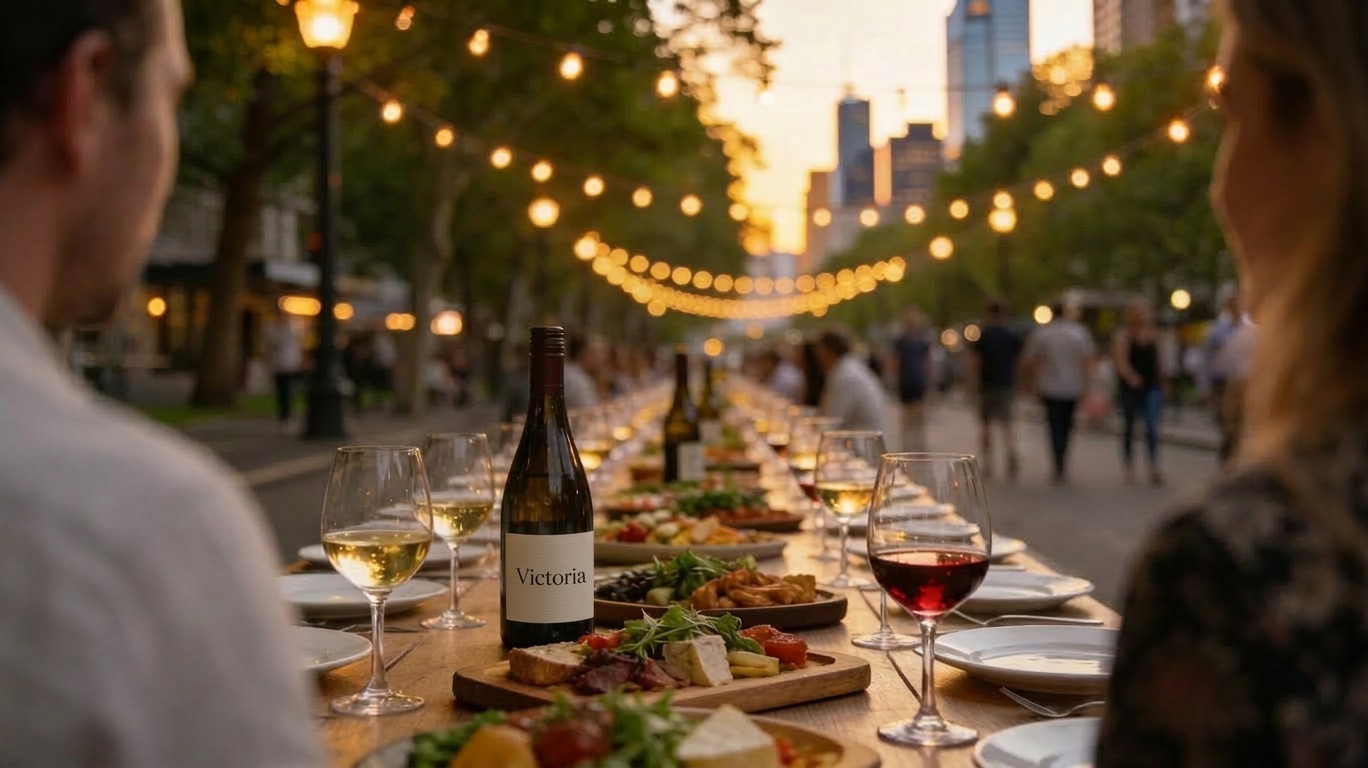
When Melbourne turns itself into a dining room
Each March, the Melbourne Food & Wine Festival effectively turns the city into one long table, and 2026 is no exception. The current festival runs from 20 to 29 March 2026, with events spilling from the CBD into neighbourhoods and out through regional Victoria. What began as a modest collection of tastings has evolved into a sprawling program of more than 200 events this year, ranging from street food parties to high-end collaborations and regional feasts.
At its core, the festival is designed to promote Melbourne and Victoria as a food and wine destination, showcasing local produce, local talent and the particular urban energy that has made the city’s dining scene influential well beyond Australia. Rather than existing in one fenced-off ground, it occupies laneways, parks, racecourses, wineries and institutions, which means the city’s usual daily life and the festival blur together in a way that feels uniquely Melbourne.
A small idea that became a global calling card
The origin story is surprisingly modest. The Melbourne Food & Wine Festival launched in 1993 with just 12 events, conceived as a way of showcasing the city’s food culture and lifting civic confidence after Melbourne’s failed bid for the 1996 Olympic Games. Advertising figure Peter Clemenger is credited with devising and initially financing the festival as a way of putting Melbourne’s culinary strengths back on the map at a time when the city needed a new narrative.
From there, growth was steady but relentless. The not‑for‑profit structure, now under Food + Drink Victoria (previously Food and Wine Victoria), meant the festival could reinvest energy and funding into expanding its program and reputation. Over three decades, it has grown from that initial dozen events into an internationally recognised platform featuring hundreds of individual happenings, from intimate workshops to spectacles that host thousands at once. The presence of global chefs, critics and winemakers became part of its DNA, with figures like Matt Preston serving as creative director during its formative years and helping cement its profile.
What actually happens across those ten days
It is easy to describe the Melbourne Food & Wine Festival in broad strokes, yet the real character emerges in the detail of its 2026 program. Time Out and Urban List both emphasise that this year’s festival feels less like a polite tasting circuit and more like an extended party that still takes food and drink seriously. The headline “World’s Longest Lunch”, a signature event, returns in 2026 with a Greek focus, laying a vast dining table through Kings Domain and celebrating Greek Melbourne with talent from venues such as Kafeneion and Tzaki alongside author Ella Mittas.
Beyond the long lunch, the program sprawls. There are laneway fried chicken takeovers, perfume‑inspired degustations, karaoke‑fuelled night markets and French wine “showdowns”, all designed to blend playfulness with genuine culinary interest. Workshops in sausage tying, bread making and drinks tasting sit alongside one‑off evenings with some of the country’s most respected chefs, bringing technical craft into a format that still feels approachable for the public. At Federation Square, bakery‑driven activations such as the “Baker’s Dozen” showcase artisan producers, with live croissant‑making and appearances by leading bakers already forming part of recent programs.
Crucially, the action is not confined to the CBD grid. The Victorian Government’s 2026 announcement highlights events across regional Victoria, including special dining experiences at places like Trapeze Wines and Phillip Island Winery, reminding visitors that the festival is a statewide showcase, not just an inner‑city playground. That regional reach allows producers and winemakers to present their work on home turf, yet within the curated narrative of a major festival.
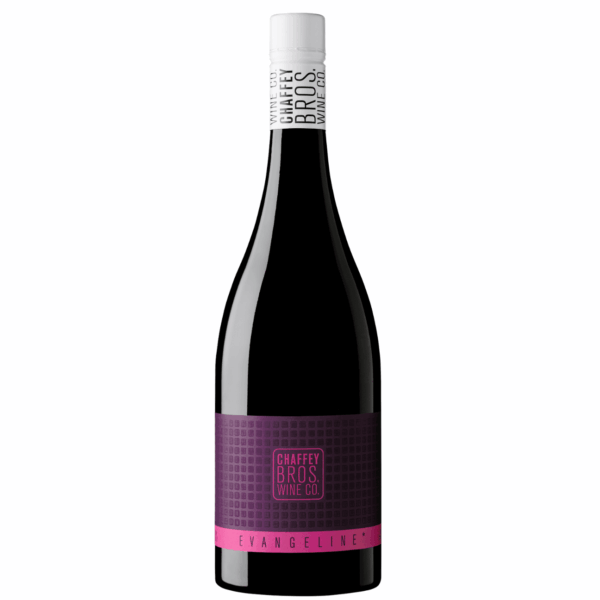
$38.83
/ bottle
$233.00 for a case of 6
 233 pts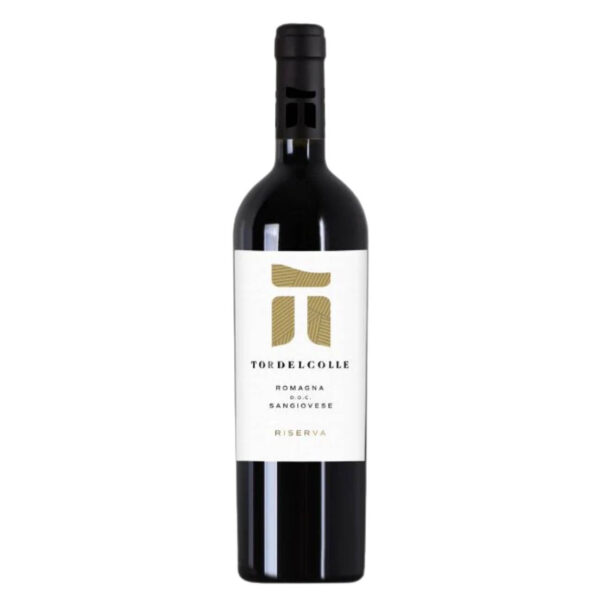
$32.83
/ bottle
$197.00 for a case of 6
$58.67
/ bottle
$352.00 for a case of 6
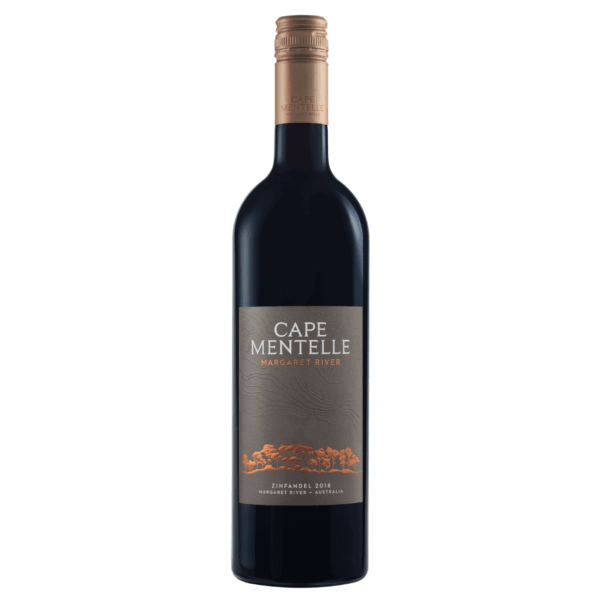
Cape Mentelle Zinfandel
$58.67
/ bottle
$352.00 for a case of 6

$25.17
/ bottle
$151.00 for a case of 6


$42.00
/ bottle
$252.00 for a case of 6

$31.17
/ bottle
$187.00 for a case of 6
Why it matters for food and wine lovers
For serious wine and food enthusiasts, the festival offers something that standard restaurant dining cannot replicate. It places producers, winemakers, chefs and drinkers in the same temporal frame, encouraging conversations across the table rather than just across the pass. Special collaborations, often between international guests and local institutions such as Maha, Omnia, Osteria Ilaria, Brico and Farmer’s Daughters, create dishes and pairings that exist only for the duration of the festival. Those who care about terroir and technique gain the rare chance to see how visiting chefs respond to Victorian product in real time.
At the same time, the festival serves as a living snapshot of where Melbourne’s dining culture finds itself in 2026. Themes like plant‑based innovation, as seen in a vegan bake‑off between chefs Shannon Martinez and Philip Khoury, speak directly to questions of sustainability, ethics and modern taste that dominate current discourse. High‑end whisky tastings built around rare bottles, or French wine comparison dinners, show that beverage culture receives equal respect, not merely functioning as an accessory to food. For those who approach wine seriously, this balance of drink‑focused and food‑focused events is part of what justifies making the trip.
What the festival showcases beyond the plate
Officially, the festival’s charter is to promote Victorian produce, talent and lifestyle, and to establish Melbourne as the food and wine capital of Australia. In practice, that means elevating growers, farmers, bakers, brewers, distillers and winemakers alongside chefs. The presence of more than 400 events across metropolitan and regional Victoria in recent years illustrates just how many different corners of the industry it touches. Attendees encounter not just finished dishes and poured glasses, but the stories of the people and landscapes behind them.
Government support, particularly via Tourism and Major Events portfolios, reinforces its broader role as an economic and cultural driver. The 2025 and 2026 announcements underline the festival’s importance for attracting interstate and international visitors, positioning it as a flagship on Victoria’s major events calendar in the same conversation as sporting spectacles. For residents and visitors alike, the message is clear: this is not just about eating and drinking well for ten days; it is about recognising food and wine as central to the way Melbourne understands itself.
Why it is worth clearing the calendar
From a practical perspective, the case for attending is straightforward. The 2026 festival offers more than 200 official events between 20 and 29 March, covering everything from free‑or‑low‑cost public activities to ticketed dinners that would be difficult to assemble outside a festival framework. For many diners, it is a chance to access restaurants, chefs or producers that might otherwise feel out of reach, whether through price, booking difficulty or simple lack of time.
Beyond the logistics, there is the atmosphere. Urban List’s preview of 2026 describes a program that encourages people to “clear your calendar and pace yourself”, capturing both the intensity and the pleasure of surrendering to ten days of dedicated eating and drinking. The city itself changes mood: long tables threaded through parks, crowds moving between tastings in laneways, bakeries and bars hosting one‑off collaborations that feel like miniature festivals of their own. For anyone who cares about where food and wine are heading in Australia, being physically present in Melbourne during the festival offers insight that cannot be captured by reading programming notes after the fact.
The final reason to go may be the simplest. Unlike many trade‑heavy events, the Melbourne Food & Wine Festival has always been built for the public as well as professionals. It respects curiosity at every level, from the person attending their first tasting flight to the enthusiast chasing a specific chef collaboration or regional dinner. In that sense, it is less an isolated event and more an annual checkpoint: a moment to see how far Melbourne’s food and wine culture has travelled since that small, ambitious beginning in 1993, and where it might go next.
 Shiraz
 Cabernet Sauvignon
 Pinot Noir
 Grenache
 Merlot
 Red Wine Blends
 Chardonnay
 Riesling
 Pinot Gris
 Semillon
 Viognier
 Grenache Rosé
 Pinot Noir Rosé
 Shiraz Rosé
 Sangiovese Rosé
 Aglianico Rosé
 Clairette Rose
 Champagne
 Prosecco
 Sparkling Shiraz
 Blanc de Blanc
 Blanc de Noir
 Pet Nat
 Moscato
 Topaque
 Port
Port Sherry (dry & sweet)
 Muscat & Tokay
 Vermouth