 0473 644 098 · Mon–Fri 9am–5pm AESTHelp & FAQ


The Reason Champagne And Oysters Actually Make Sense Together


Most people assume Champagne and oysters pair well because they’re both expensive and somehow taste fancy together. The truth is far more interesting, and it has nothing to do with pretension. These two products genuinely enhance each other on a molecular level, and understanding why transforms the pairing from elegant cliché into genuine science worth understanding.
For centuries, the partnership seemed obvious. Oysters arrived in wealthy European tables during the seventeenth century. Champagne followed shortly after as it became commercially viable. The two products found themselves appearing together at royal courts, grand hotels and eventually the world’s finest restaurants. Tradition became cemented so thoroughly that questioning the pairing felt almost sacrilegious. Yet for most of that history, nobody really understood why they worked together.
Enter 2020. Researchers at the University of Copenhagen’s Department of Food Science decided to investigate what gastronomy enthusiasts simply took for granted. They measured umami compounds across a range of champagnes and multiple oyster varieties, then calculated something called “effective umami potential.” The results revealed a partnership rooted not in coincidence but in genuine chemistry.
Professor Ole G. Mouritsen, heading the research, explained it this way: “The answer is to be found in the so-called umami taste, which along with sweet and salty, is one of the five basic flavours detectable to human taste buds. Many people associate umami with the flavour of meat. But now, we have discovered that it is also found in both oysters and champagne.” This wasn’t about snobbery. This was about taste receptors recognising profound compatibility.
The Umami Synergy That Nobody Was Looking For
Understanding umami requires grasping something most people never think about. When we eat, flavour isn’t just about what’s on our tongue. It’s about amino acids, nucleotides and something called synergistic activation, where two modest sources of umami combine to create something exponentially more intense than either component alone.
In Champagne, dead yeast cells contribute significantly to umami flavour through glutamate. Those yeast cells, called lees, settle at the bottom of bottles during production. Many producers age their Champagne sitting on these lees for years, deliberately allowing this flavour to develop. This is why older Champagnes with longer lees contact contain more umami than younger versions.
In oysters, the umami emerges from the mollusk’s muscles through nucleotides, particularly compounds called guanosinate and inosinate. These nucleotides are present in abundance. When oyster muscle tissue is consumed, these compounds activate umami taste receptors immediately and intensely.
Here’s where it becomes genuinely fascinating. Charlotte Vinther Schmidt, the study’s lead author, explains that “food and drink pair well when they spark an umami synergy from combinations of glutamate and certain nucleotides. Champagne and oysters create a notably synergistic effect that greatly enhances the taste of the champagne. Furthermore, champagne contributes to the overall impression with, for example, its acidity and bubbles.”
The synergy works like this: the oyster’s nucleotides amplify perception of the Champagne’s modest glutamate levels beyond what those levels alone would create. Simultaneously, the Champagne’s glutamate intensifies the oyster’s already substantial nucleotide contribution. Together, they create umami sensation far exceeding what either could achieve alone. It’s not simply additive. It’s multiplicative.
This explains why oysters alone taste delicious but somewhat straightforward. Champagne alone tastes crisp and elegant. But oysters with Champagne tastes transformed, deeper, more satisfying in ways your brain interprets as “rightness.”
More Than Just Umami
The umami synergy provides the foundation, yet Champagne contributes additional partnership qualities that complete the pairing.
Acidity plays a crucial role. Champagne typically carries substantial acidity from malic and tartaric acids present in the grapes. This acidity performs multiple functions simultaneously. It cuts through the oyster’s richness, preventing palate fatigue. It cleanses between bites, allowing each oyster to taste as fresh as the first. It also amplifies umami perception itself, making those glutamate and nucleotide receptors fire more intensely.
The bubbles offer another dimension entirely. Carbonation creates physical sensation on the tongue, providing what wine enthusiasts call “prickling acidity.” This textural element contrasts beautifully with the oyster’s smooth, creamy texture. More importantly, the bubbles literally cleanse the palate. Between each oyster, those bubbles wash across the tongue, removing lingering flavour residues and resetting taste receptors for the next bite.
Julie Qiu, co-founder of the Oyster Master Guild and one of the world’s leading oyster experts, emphasises this sensory complexity. “From a thematic standpoint, Champagne and oysters really express luxury and celebration, and the connection has been established for many, many centuries.” She points to a 1735 painting called “The Oyster Lunch” by Jean-François de Troy, commissioned for the Palace of Versailles, as evidence of the pairing’s cultural entrenchment. “Champagne connoisseurs are excited about this piece because it’s the first time Champagne was depicted in a painting, with every person around the table eating oysters.”
The minerality connection deserves mention as well. Both Champagne and oysters carry pronounced mineral characteristics. Champagne’s chalky terroir from the Cretaceous chalk bedrock underlying Champagne vineyards imparts distinct mineral notes. Oysters, meanwhile, reflect their merroir, the marine equivalent of terroir. Oyster beds develop specific mineral profiles based on water composition, salinity and tidal patterns. When a Champagne and oyster both emphasise these mineral dimensions, their compatibility deepens.
Which Oyster Type Matches Which Champagne
Not all oysters are created equal, and neither are all Champagnes. The research revealed that certain combinations create stronger umami synergy than others.
European oysters, scientifically classified as Ostrea edulis, contain higher levels of free glutamate and nucleotides than Pacific oysters (Crassostrea gigas). This means a plump European oyster creates more pronounced synergy with Champagne than a delicate Pacific variety. For maximum umami effect, pair Champagne with European oysters. The result tastes undeniably richer and more complex.
Yet the oyster’s size, age and preparation matter equally. Fresh young oysters tend toward lighter, briny characteristics. These pair beautifully with Blanc de Blancs Champagne, made entirely from Chardonnay grapes. This style emphasises bright acidity, crisp citrus notes and pronounced minerality. The delicate oyster needs an equally elegant Champagne to avoid being overwhelmed.
Larger, fattier oysters with more pronounced umami character benefit from fuller-bodied Champagne expressions. A vintage Champagne aged ten years or more develops sufficient complexity and umami itself to stand as an equal partner rather than simply a supporting player. Rosé Champagne, with its slightly richer body and subtle red fruit notes, works beautifully with oysters that have been grilled or lightly warmed, where cooking has concentrated their natural sweetness.
Non-vintage Brut Champagnes represent the most versatile choice. They balance enough maturity to develop complexity with enough acidity to remain refreshing. They work with raw oysters, half-shells on ice, or oysters prepared in countless preparations.
 $23.50
/ bottle
$141.00 for a case of 6
$23.50
/ bottle
$141.00 for a case of 6
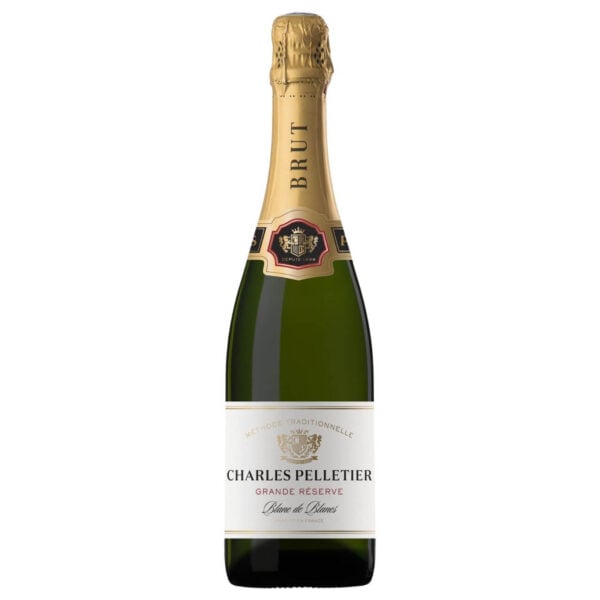
Charles Pelletier Blanc de Blancs NV
Shipped by
Vintage House Wine & Spirits
$23.50
/ bottle
$141.00 for a case of 6
 $6.58
/ bottle
$158.00 for a case of 24
$6.58
/ bottle
$158.00 for a case of 24
 $118.67
/ bottle
$712.00 for a case of 6
$118.67
/ bottle
$712.00 for a case of 6
 $179.17
/ bottle
$1,075.00 for a case of 6
$179.17
/ bottle
$1,075.00 for a case of 6
Pierre Gimonnet & Fils Special Club Grand Terroirs de Chardonnay /
Shipped by
Wines Australia
$179.17
/ bottle
$1,075.00 for a case of 6
 $219.67
/ bottle
$659.00 for a case of 3
$219.67
/ bottle
$659.00 for a case of 3
 $84.67
/ bottle
$508.00 for a case of 6
$84.67
/ bottle
$508.00 for a case of 6
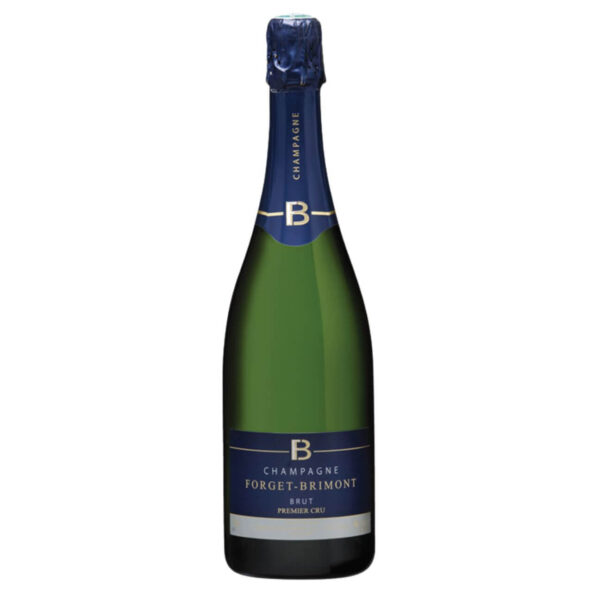
Forget-Brimont Brut Premier Cru NV
Shipped by
Vintage Wine Co
$84.67
/ bottle
$508.00 for a case of 6
 $57.83
/ bottle
$694.00 for a case of 12
$57.83
/ bottle
$694.00 for a case of 12
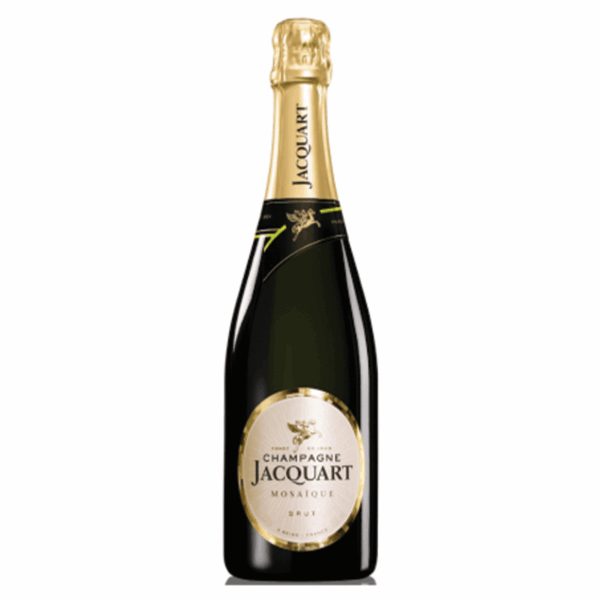
Champagne Jacquart Mosaique Brut 375ml NV
Shipped by
Single Vineyard Sellers
$57.83
/ bottle
$694.00 for a case of 12
 $231.00
/ bottle
$1,386.00 for a case of 6
$231.00
/ bottle
$1,386.00 for a case of 6
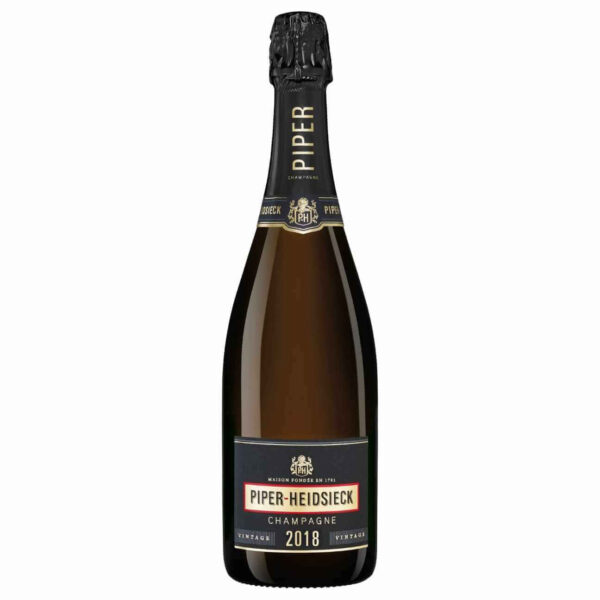
Piper Heidsieck Vintage Brut
Shipped by
Oatley Fine Wine Merchants
$231.00
/ bottle
$1,386.00 for a case of 6
 $264.67
/ bottle
$1,588.00 for a case of 6
$264.67
/ bottle
$1,588.00 for a case of 6
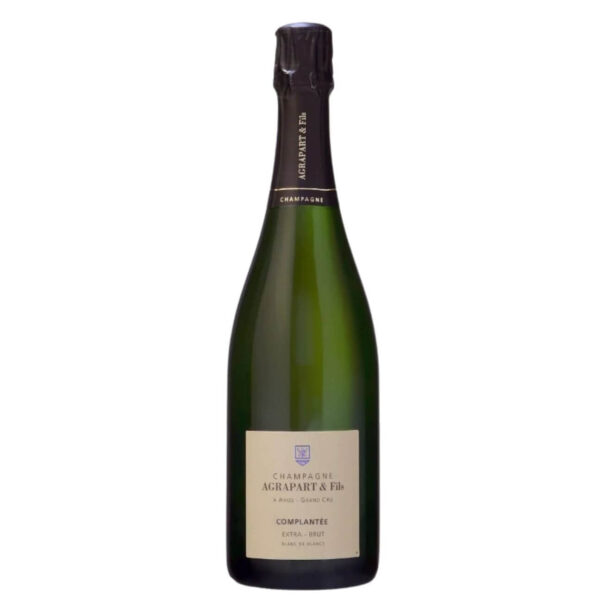
Champagne Pascal Agrapart Grand Cru Complantée NV
Shipped by
Fine Wine Cellars
$264.67
/ bottle
$1,588.00 for a case of 6
 141 pts
 The Tradition That Turned Out To Be Smart
The story of Champagne and oysters becomes even more intriguing when understanding its historical development. In the seventeenth and eighteenth centuries, oysters weren’t luxury products in the sense we imagine today. They were abundant, inexpensive, often consumed by working people near coastal regions. Champagne, by contrast, was extraordinarily expensive and difficult to produce, available only to nobility and the wealthy.
That oysters and Champagne ended up together wasn’t inevitable. It happened because oyster farmers and wine merchants inhabited the same regions. Coastal France boasted both oyster beds and the grape varieties that would become Champagne. Wealthy merchants and nobility, having access to both, naturally combined them. Whether accidentally or by design, they’d discovered one of culinary science’s most profound partnerships.
What makes this even more remarkable is that such a partnership shouldn’t have been obvious. Pairing wine with fish demands precision. Get it wrong and the combination becomes unpleasant or forgettable. Yet Champagne and oysters succeeded across centuries and continents, becoming so iconic that the pairing is now assumed to be universally successful.
That assumption isn’t entirely wrong. The umami synergy provides such a strong foundation that virtually any quality Champagne works with virtually any oyster. You can’t really make a bad choice. But understanding the science allows you to make exceptionally good choices, combinations that transcend the obvious.
Practical Advice For Actually Making This Work
Start with what you enjoy drinking. If you prefer lighter, crisper wines, choose Blanc de Blancs. If you prefer something with slightly more weight and complexity, select vintage Champagne or a rosé. Don’t feel obligated to buy premium Champagne simply because oysters justify expense. A good non-vintage Brut Champagne performs beautifully and costs a fraction of prestigious vintage bottles.
Consider the oyster’s origin as much as its type. An oyster’s merroir influences its flavour profile as profoundly as wine’s terroir. A briny, mineral-forward oyster from cold Atlantic waters pairs differently than a slightly sweeter, creamier oyster from warmer bays. Visit the fishmonger, taste the oyster, then choose Champagne based on what you discover.
Temperature matters. Oysters should be served genuinely cold, ideally at around five degrees Celsius. Champagne should be similarly chilled, typically around seven to nine degrees Celsius. The temperature differential isn’t dramatic, but it matters for maintaining texture and aromatic clarity.
Don’t overthink the preparation. A squeeze of lemon adds brightness but isn’t necessary. Raw oysters allow umami synergy to express itself most clearly. Grilled oysters benefit from slightly richer Champagne. Mignonette sauce, with its vinegar component, adds additional acidity that further enhances the pairing.
Most importantly, share this pairing with people who’ll appreciate it. The science is fascinating, but oysters and Champagne ultimately represent celebration, shared meals and the pleasure of good company. Understanding why they work together transforms a luxury product into an educated choice, but the joy comes from the experience itself.
The Copenhagen researchers concluded their study by noting something profound. Humans are evolutionarily encoded to crave umami because it signals protein-rich food essential to survival. We’re hard-wired to seek it out. When oysters and Champagne create that synergistic umami effect, they’re not just creating a pleasant pairing. They’re activating something fundamental in human taste perception, something that makes us feel satisfied at a biological level.
That’s why this combination, steeped in tradition and validated by science, continues to captivate. It satisfies both our sophisticated desire for elegance and our primal need to recognise delicious, nourishing food. Centuries of tradition weren’t wrong. They were simply reflecting something deeper, something scientists only recently managed to measure and explain.
 Shiraz
 Cabernet Sauvignon
 Pinot Noir
 Grenache
 Merlot
 Red Wine Blends
 Chardonnay
 Riesling
 Pinot Gris
 Semillon
 Viognier
 Grenache Rosé
 Pinot Noir Rosé
 Shiraz Rosé
 Sangiovese Rosé
 Aglianico Rosé
 Clairette Rose
 Champagne
 Prosecco
 Sparkling Shiraz
 Blanc de Blanc
 Blanc de Noir
 Pet Nat
 Moscato
 Topaque
 Port
Port Sherry (dry & sweet)
 Muscat & Tokay
 Vermouth