 0473 644 098 · Mon–Fri 9am–5pm AESTHelp & FAQ


Yarra Valley Wine Tours – How To Find The Ones That Actually Teach You Something

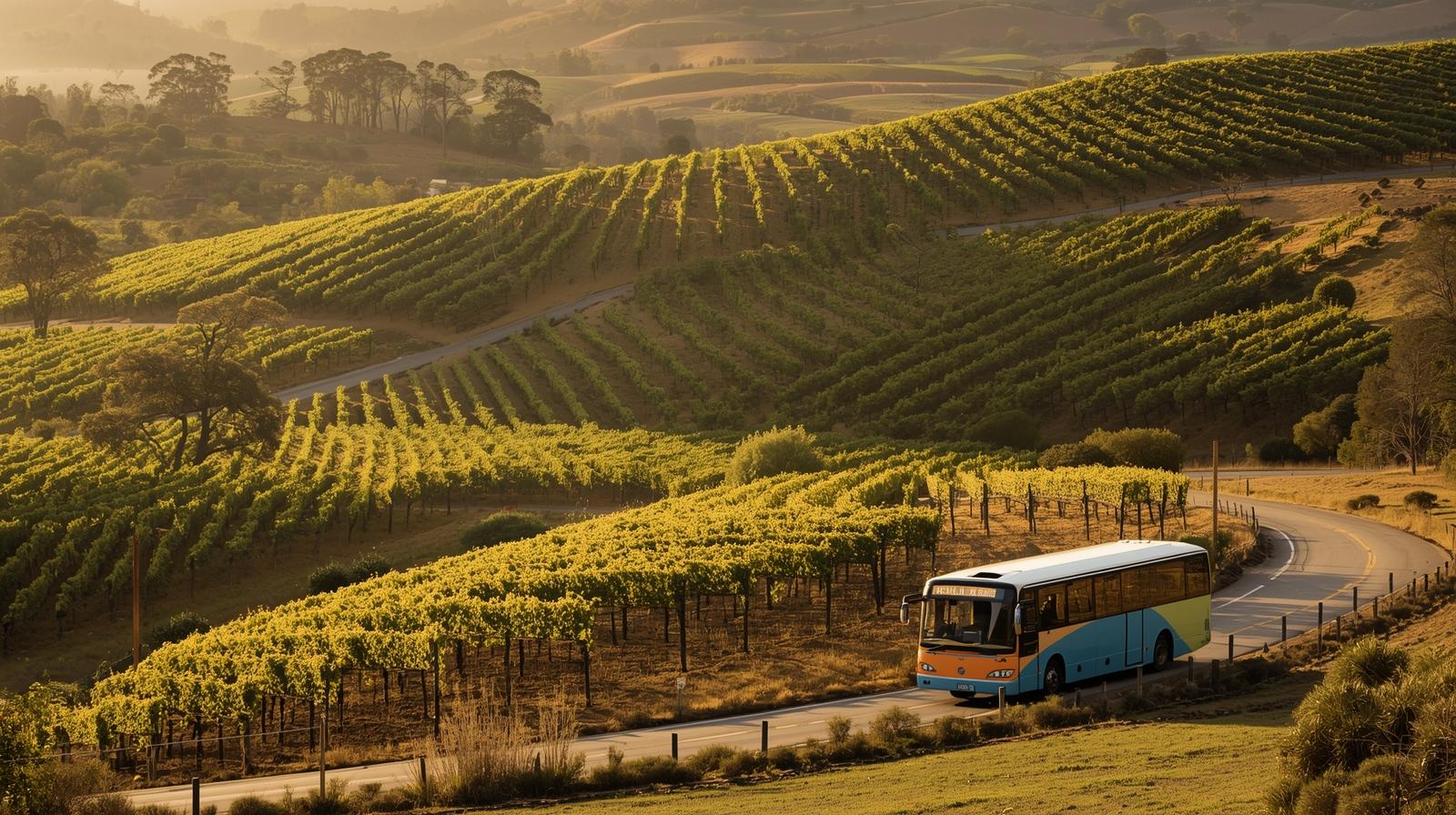
An hour outside Melbourne sits one of Australia’s most interesting wine regions, yet most visitors never actually experience it. They experience the tour company’s idea of it. Getting stuck on a generic Yarra Valley wine tour means you’re squeezed onto a bus with thirty strangers, stopping at massive operations designed for tour groups, tasting standardised wines, eating mediocre lunch at the same restaurant that hosts five tour groups simultaneously. By the end of the day you’ve checked boxes but discovered nothing.
I’ve spent years guiding serious wine enthusiasts through Australia’s regions, and the Yarra Valley experience frustrates me precisely because it could be so much better. The region produces genuinely world-class Pinot Noir and Chardonnay alongside increasingly impressive cool-climate Syrah. The cellar doors range from historically significant estates spanning nearly two centuries to cutting-edge experimental producers reimagining what Australian wine can be. The restaurants have evolved to rival Melbourne’s finest. Yet most people never taste any of this because they’re stuck following standard tour itineraries designed for efficiency rather than discovery.
The good news is that brilliant wine tourism exists here if you know where to look, and it’s genuinely not that complicated. Understanding how to tour this region properly transforms a pleasant day into something genuinely memorable.
Understanding What Tour Style Actually Serves You
Start by being honest about what you want. Are you after flexibility and freedom to wander? Are you willing to do research beforehand? Do you want someone else handling all the decisions? Do you care about small family-run estates or are you perfectly happy at established names? The answers determine everything about whether your day becomes rewarding or just another checkbox experience.
Hop-on-hop-off buses like Hopit offer maximum flexibility with minimum structure. Buses loop through the valley hourly, stopping at major estates. You control how long you spend at each location, which wineries you visit, and how your day unfolds. This works brilliantly if you’ve researched the region, know which estates interest you, and want freedom to explore at your own pace. The cost runs around $60-80 per person for unlimited day passes, making it excellent value if you’re genuinely selective about stops.
Small group tours with companies like Australian Wine Tour Co limit groups to 10-12 guests, providing personalised attention impossible with large coach tours. Knowledgeable guides curate itineraries based on current seasonal highlights, winemaker availability, and group preferences. These tours typically visit four wineries, include restaurant lunch with wine, and may add cheese or gin tastings. The cost runs $165-195 per person all-inclusive, and the premium over hop-on-hop-off services buys genuine curation rather than generic efficiency.
Private tours offer complete customisation. Companies like Yarra Valley Private Winery Tours design itineraries around your specific interests, whether that means focusing on Pinot Noir specialists, visiting only small family estates, or combining wine with other regional attractions. Private tours cost $800-1200 for vehicle and guide with wine tasting fees additional, making them expensive for couples but economical for groups of six to eight splitting costs.
As a wine professional, I consistently recommend small group tours for first-time visitors wanting education without sacrificing intimacy, and private tours for couples or experienced enthusiasts wanting complete control over their experience.
The Cellar Doors Worth Actually Visiting
Giant Steps just received Australia’s most prestigious wine honour when James Halliday crowned them Winery of the Year for 2025 in his Wine Companion awards. This recognition matters enormously because Halliday built his reputation on exacting standards and genuine expertise rather than marketing influence. When he names a winery of the year, serious wine enthusiasts pay attention.
Giant Steps operates under innovative leadership from winemaker Melanie Chester, producing Pinot Noir and Chardonnay that exemplifies what Yarra Valley achieves at its finest. The winery occupies a converted apple-packing shed in Healesville, deliberately avoiding conventional cellar door grandeur in favour of focusing entirely on wine quality.
Max Allen, Australia’s 2025 Wine Communicator of the Year and the first person to ever win that award twice, has spent decades exploring the Yarra Valley. His work, as Wine Communicators of Australia chair Lynda Schenk notes, “continues to set the benchmark for written wine communication in Australia, consistently insightful, authentic and grounded in deep industry knowledge.” When someone with Allen’s credentials repeatedly writes about producers, it signals genuine quality rather than commercial positioning.
Oakridge Wines represents another estate receiving major accolades in Halliday’s 2025 awards. Their 864 Drive Block Funder and Diamond Vineyard Chardonnay 2022 received 98 points and Wine of the Year status. This represents more than just excellent winemaking. It demonstrates Oakridge’s philosophical commitment to single-vineyard wines that express specific terroir rather than blended consistency.
The cellar door overlooks vineyards through massive glass windows, and you can taste different blocks from the same vineyard and understand viscerally how site-specific expression works. They pour you their base Pinot Noir, then a wine from their respected Henk block, then the 864 series single-vineyard expression. The differences become tangible reality in your glass rather than abstract theory.
Oakridge also operates one of the Yarra Valley’s finest restaurants under executive chef Daniel Snooks, serving dishes highlighting on-site garden produce and local growers. Combining that revelatory tasting with genuinely thoughtful food creates a more complete experience than tasting alone provides.
The Historical Estate That Still Matters
Yering Station exists as Victoria’s first vineyard, established in 1838. Walking onto the property means engaging with nearly two centuries of actual winemaking history. The heritage here isn’t manufactured for tourists but genuine, from the heritage-listed barn to the original avenue of elm trees to the 1859 winery building now serving as cellar door.
The Rathbone family, who own and operate Yering Station today, treat that legacy with appropriate seriousness. More importantly, the wines are genuinely excellent. Halliday’s 2025 Wine Companion awarded the estate another five-red-star winery rating, with their 2022 Reserve Shiraz Viognier scoring 97 points. Halliday described it as “a gorgeous crimson purple, this explodes from the glass with its alluring bouquet redolent of dark morello cherries, star anise, black peppercorns and crushed violets.”
Their 2022 Reserve Pinot Noir earned 96 points, whilst the 2022 Reserve Chardonnay achieved 95 points. These aren’t wines made for tourists wanting easy-drinking souvenirs. These are serious expressions of Yarra Valley terroir that stand alongside Australia’s finest productions.
The cellar door experience varies based on what you want. The Tasting Bar offers straightforward tastings of current releases. The Garden Bar encourages leisurely grazing with food and wine. The Restaurant delivers exceptional seasonal menus celebrating regional produce alongside spectacular views. You control the experience rather than being shepherded through it.
When You Want Genuine Discovery
Pimpernel Vineyards consistently appears on serious wine lover lists for a specific reason: it delivers something genuinely different. Mark Horrigan, who runs the place with Fiona, possesses the rare combination of technical winemaking knowledge and genuine passion for sharing what he knows. He approaches French wine traditions, particularly Burgundy, with the seriousness they deserve, and his wines reflect that philosophical commitment.
The cellar door is intentionally small, hosting maybe one other group when you arrive. You taste without raising your hands for attention or competing for staff availability. Mark will pour you two different Pinot Noirs from the same block but different years and let you discover how vintage fundamentally changes everything. That experience costs around $20 per person and genuinely teaches you something about wine that matters.
Timo Meyer represents another producer creating wines that deserve wider attention. Jamie Goode, an internationally respected wine writer, recently tasted through Meyer’s range and concluded that “this is old-school-style Yarra, made in a low intervention style.” Goode awarded Meyer’s Chardonnay 94 points, praising it as “vivid with nice energy and tart acidity. Juicy and refined with lovely balance.”
Meyer originally came from Germany but has spent years making some of the Yarra’s most interesting wines. On his website, which consists of just a single page with no links, Meyer boasts of not doing back labels or barcodes. The retro aesthetic extends to fantastic front labels and a deliberate rejection of conventional marketing. Yet the wines speak for themselves.
The Architecturally Stunning Option With Quality Wine
TarraWarra Estate works differently. The cellar door looks architecturally interesting enough that some visitors simply want to sit inside it regardless of what’s being poured. The underground design and contemporary aesthetics become part of the experience rather than just container for wine.
But here’s what matters professionally: the wine is genuinely excellent. The estate spans 400 hectares of native bushland and unique growing sites, where individual vineyard blocks are kept separate to showcase their distinct expressions. This philosophical approach to winemaking, where terroir drives decisions rather than creating consistent house styles, produces wines that genuinely reflect specific places and vintages.
The staff are knowledgeable and genuinely helpful rather than reading scripts. The tasting room gives you space to actually think about what you’re drinking rather than feeling crowded with dozens of other tour groups. The estate also features an art museum, a restaurant and beautiful lawns with a café cart for sitting back and relaxing all day. You could genuinely make a full day of visiting without feeling rushed or pressured.
Quality cellar door staff actually help you discover other places rather than trying to monopolise your day. That’s the mark of confidence in what they’re pouring rather than insecurity about competition.
What Actually Works Better Than Standard Tours
Skip the hop-on-hop-off buses unless you’ve genuinely researched which stops matter to you. Skip the massive tour companies taking thirty people to the same three commercial wineries. Skip Domaine Chandon unless you specifically want a commercial sparkling wine experience focused on production scale rather than winemaking artistry.
Instead, rent a car with someone who won’t be drinking, drive yourself, and decide your itinerary based on actual interest. Stop where you want for as long as you want. Skip whatever doesn’t excite you. Find a small winery that’s having a quiet day and spend an hour chatting with the winemakers. This approach requires more planning but delivers infinitely better results.
If you don’t want to drive, book a private tour with a driver who knows the valley and can take you where you actually want to go rather than following predetermined routes. Yes, this costs more than commercial tours. A private tour for two people costs $800-1200 for a full day. But you’re spending that time discovering something rather than checking boxes with strangers.
Alternatively, book small group tours with operators that actually build relationships with smaller estates and can secure access casual visitors don’t get. These typically run $165-195 per person including all tastings and lunch. The premium over hop-on-hop-off buses buys you genuine curation rather than generic efficiency.
Professional Recommendations For Maximising Your Experience
Midweek touring is dramatically superior to weekends from a professional perspective. Friday through Sunday sees cellar doors overwhelmed with tour groups, staff stretched thin, and winemakers unavailable. Tuesday through Thursday sees the same staff with actual capacity to engage and winemakers more available for conversations. If your schedule allows any flexibility, use it.
The region’s reputation continues growing internationally. As Inside Burgundy noted after a comprehensive tasting of Yarra Valley wines, “this tasting confirmed the Yarra Valley’s standing at the forefront of Australian cool-climate wine. A high proportion of top-rated Chardonnays and Pinots reinforced the region’s reputation.” They specifically highlighted Mount Mary and Yarra Yering as delivering “wines of world-class calibre with the capacity for long ageing.”
Ask specifically for small or boutique estates when booking. Don’t just request “the best wineries.” Different cellar doors serve completely different purposes. Some are beautiful spaces worth visiting for the experience itself. Others are genuinely small family operations prioritising wine quality over visitor convenience. Knowing what you want allows better matching.
Arrive early if you’re planning to stop at popular places. Oakridge, TarraWarra and Yering Station get busy by mid-afternoon. Arriving around 11 AM gives you staff attention and space. Arriving at 3 PM means waiting for tasting room availability.
Most crucially: taste what you actually like. Don’t feel obligated to buy wine at every stop. Don’t pretend to enjoy wines you don’t. Don’t let someone else’s recommendations override your own palate. If a winemaker pours something and you hate it, that’s valuable information. The best tasting experiences allow you to discover your own preferences rather than confirming what some authority figure thinks you should like.
What Actually Distinguishes A Great Day From A Mediocre One
From my professional experience guiding wine tastings, what distinguishes a genuinely great Yarra Valley wine day from a mediocre one isn’t the famous wineries or the expensive tastings. It’s the staff who engage with you as a person rather than a transaction. It’s discovering a small producer you’ve never heard of and realising their wine excites you more than something five times the price. It’s a conversation with a winemaker about why they chose specific yeasts, how they manage oak influence, or what challenges the vintage presented.
Those experiences don’t require booking the fanciest tour or spending the most money. They require knowing where to look and being willing to seek out places that prioritise discovery over efficiency. The Yarra Valley possesses the producers, the cellar doors, and the wine quality to deliver genuinely memorable experiences. Finding them requires slightly more intention than following standard tour itineraries, but the effort pays dividends in genuine wine education and authentic discovery.
 Shiraz
 Cabernet Sauvignon
 Pinot Noir
 Grenache
 Merlot
 Red Wine Blends
 Chardonnay
 Riesling
 Pinot Gris
 Semillon
 Viognier
 Grenache Rosé
 Pinot Noir Rosé
 Shiraz Rosé
 Sangiovese Rosé
 Aglianico Rosé
 Clairette Rose
 Champagne
 Prosecco
 Sparkling Shiraz
 Blanc de Blanc
 Blanc de Noir
 Pet Nat
 Moscato
 Topaque
 Port
Port Sherry (dry & sweet)
 Muscat & Tokay
 Vermouth