 0473 644 098 · Mon–Fri 9am–5pm AESTHelp & FAQ


Why Christmas Port Doesn’t Have To Be Boring


Christmas and Port go together like mulled wine and December, yet most people approach the category with the same excitement one might reserve for reading an insurance policy. They buy a bottle of ruby Port because that’s what their parents drank, or they splurge on an expensive vintage they’re too nervous to actually open. The tragedy is that Port today offers more interesting drinking than it has in decades, and finding the right bottle for your table requires understanding more than just reaching for tradition.
The conversation around Port at Christmas often gets trapped in the same dusty patterns year after year. There’s Vintage Port, the grand, complex stuff people save for special occasions and then rarely open. There’s ruby Port, fruity and approachable but somehow underwhelming once you taste anything more interesting. And then there’s tawny, which most people dismiss as old or too obscure without ever tasting it. The result? Rooms full of people sipping mediocre Port when they could be discovering something genuinely compelling.
Guy Woodward, wine editor of The Gentleman’s Journal, challenges the entire approach to Port at Christmas. He argues that “the obvious option at Christmas is simply to go for vintage Port, but these are grand, heavy, somewhat domineering wines, whose stature tends to demand a certain reverence. They also have a limited lifespan, and once open, will become flat and hollow after three nights.” Instead, Woodward advocates for tawny Port as the true festive choice. “The joy of Port comes in having a bottle on-the-go that you can sip contentedly over the festive season, whether with the Christmas pudding, the Stilton, or across the course of a few nights of Trivial Pursuit.”
This perspective deserves serious consideration. Vintage Port demands reverence, decanting, careful cellaring and a ceremonial moment. The moment that moment passes, it starts deteriorating. Tawny, by contrast, exists in a state of gentle hospitality. It welcomes repeated opening, sipping across several evenings, casual discovery. It works with cheese and dessert and crackers and the kind of leisurely Christmas Day grazing that actually happens in most homes.
Ruby Port: The Misunderstood Entry Point
Most people’s first encounter with Port comes through ruby, the young and fruit-forward expression of the style. Ruby Port gets dismissed far too quickly by wine enthusiasts who view it as unsophisticated, yet it deserves respect for what it is: a genuinely delicious, approachable expression of the Port tradition that happens to be affordable.
Named after its captivating ruby colour, this style is typically a blend of different vintages aged in large oak vats for three to six years. The result emphasises juicy, ripe red fruit, blackberry and plum, with a freshness that makes it uncomplicated and genuinely pleasurable. For Christmas gatherings with diverse drinkers, ruby Port serves a purpose that expensive Vintage Port simply cannot. It requires no decanting, no ceremony, no particular storage considerations.
Reserve Ruby represents a step up from basic ruby, aged slightly longer in wood to develop more complexity and depth. Churchill’s Reserve Port comes in twenty-centimetre bottles, the perfect stocking filler for someone discovering Port for the first time. The deeper ripe red berries, red plum and black cherry notes suggest something more serious than a basic ruby, yet it remains approachable and genuinely fun to drink.
Late Bottled Vintage Port: The Value Secret
Late Bottled Vintage, known as LBV, occupies an often-overlooked middle ground that represents astonishing value. These ports come from a single vintage rather than being a blend of multiple years. They’re bottled four to six years after harvest, spending that time maturing in wood before being released. This gives them more structure and complexity than ruby Port whilst remaining a fraction of the cost of Vintage Port proper.
Where ruby Port emphasises pure fruit pleasure, LBV Port introduces suggestion of maturity and development. You’ll find concentrated dark berries, black cherry, hints of chocolate, and sometimes leather or tobacco notes beginning to emerge. An LBV from a good producer like Tanners or Quinta do Portal costs significantly less than comparable Vintage Port yet offers genuine sophistication.
The beauty of LBV lies in its forgiving nature. Unlike Vintage Port, which must be decanted and ideally consumed over one evening, LBV can be opened and revisited multiple times. For Christmas entertaining, this flexibility matters enormously. You can pour a glass with the cheese course on Christmas Day, another glass with the pudding on Boxing Day, and perhaps one more on the 27th without worrying the wine has deteriorated.
Tawny Port: The Revelation You’re Missing
Tawny Port represents perhaps the most exciting category in the Port world right now, and it deserves far more attention than it typically receives. Whilst Vintage Port attracts headlines with its power and aging potential, tawny Port attracts something far more valuable: the daily affection of Port enthusiasts and sommeliers who understand its versatility.
Tawny is defined by extended maturation in small oak barrels, where the wine undergoes gradual oxidation and evaporation that fundamentally transforms its character. Where ruby demands youthful fruit, tawny celebrates the complexity that time in wood develops. The colour shifts from deep red to orange-brown, the flavours shift from berry fruit to dried fruit, caramel, toffee, nuts and baking spice.
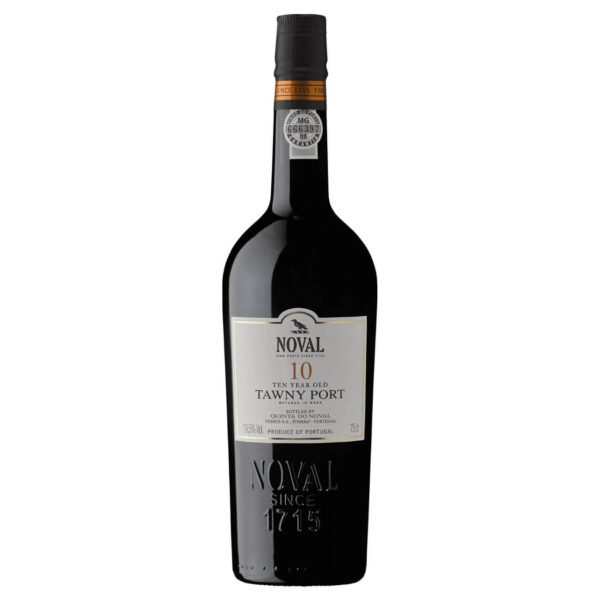
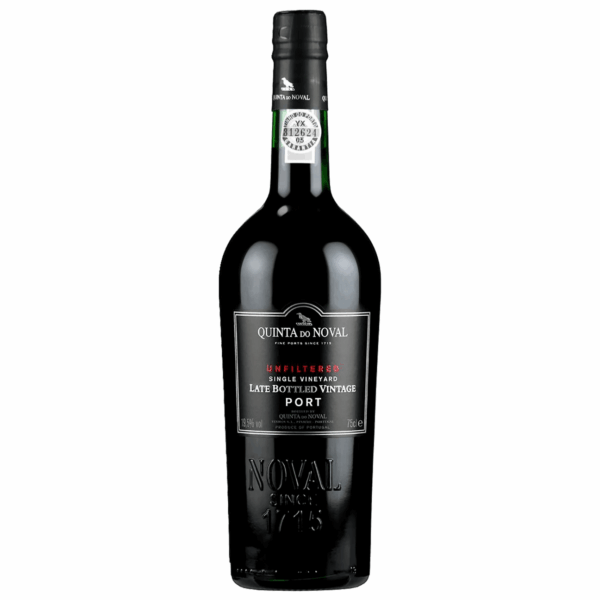
This is where Port becomes genuinely interesting. A ten-year-old tawny like Taylor’s Ten Year Old Tawny Port or Graham’s Ten Year Old Tawny Port represents an ideal Christmas purchase. These are fully matured, blended from extensive reserves of barrel-aged stocks, elegant and complex with rich notes of ripe berry, fig, prune and mellow chocolate. They’re substantial enough to command respect, approachable enough to please diverse palates, and versatile enough to work with everything from blue cheese to sticky toffee pudding to chocolate truffles.
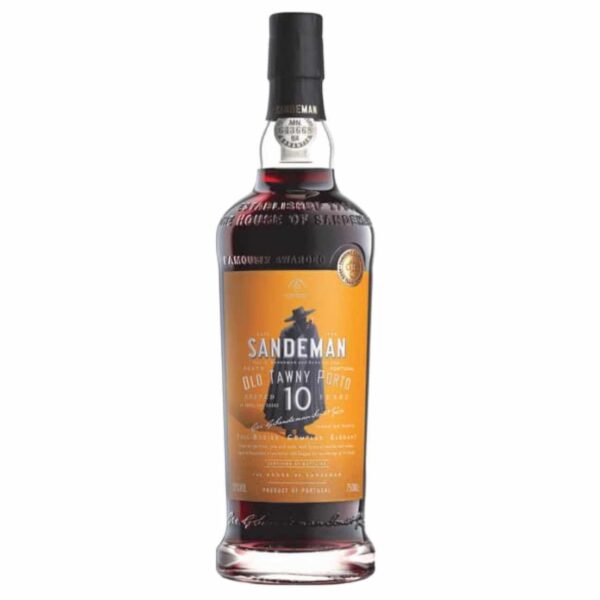
Sandeman’s Ten Year Old Tawny Port scores 88 points from tasting critics and bursts with light caramel, dates and walnuts. It’s precisely the sort of wine that makes you wonder why you spent years thinking tawny Port was somehow old-fashioned. It’s not old-fashioned. It’s sophisticated, accessible, delicious.
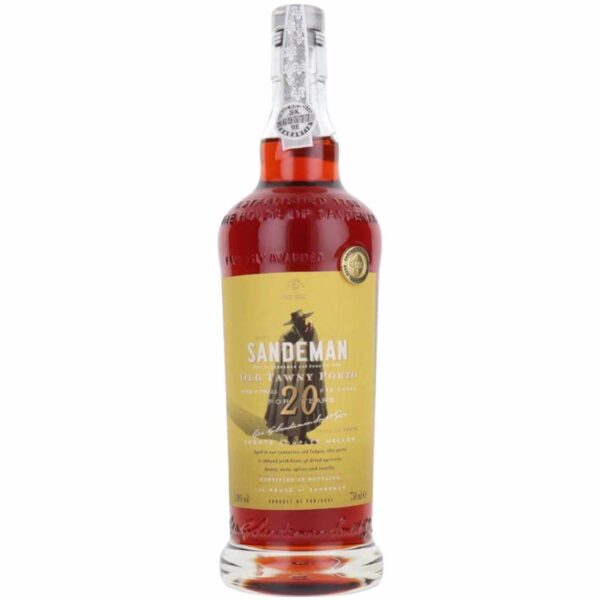
The twenty-year-old tawny category sits at a sweet spot. These wines cost more than ten-year versions but far less than aged Vintage Port. They offer genuine maturity and complexity that catches many people’s attention, yet they remain approachable and straightforward to serve. No decanting required. No ceremonial pretension necessary. Just genuine, evolving complexity.


 $105.00
/ bottle
$630.00 for a case of 6
$105.00
/ bottle
$630.00 for a case of 6

 $357.33
/ bottle
$2,144.00 for a case of 6
$357.33
/ bottle
$2,144.00 for a case of 6
Quinta do Noval Tawny Port Colheita (with Gift Box)
Shipped by
Fine Wine Cellars
$357.33
/ bottle
$2,144.00 for a case of 6

 $347.83
/ bottle
$2,087.00 for a case of 6
$347.83
/ bottle
$2,087.00 for a case of 6
Quinta do Noval Tawny Port Colheita
Shipped by
Fine Wine Cellars
$347.83
/ bottle
$2,087.00 for a case of 6
 $347.83
/ bottle
$2,087.00 for a case of 6
$347.83
/ bottle
$2,087.00 for a case of 6
Quinta do Noval Tawny Port Colheita (with Gift Box)
Shipped by
Fine Wine Cellars
$347.83
/ bottle
$2,087.00 for a case of 6
 $24.00
/ bottle
$144.00 for a case of 6
$24.00
/ bottle
$144.00 for a case of 6
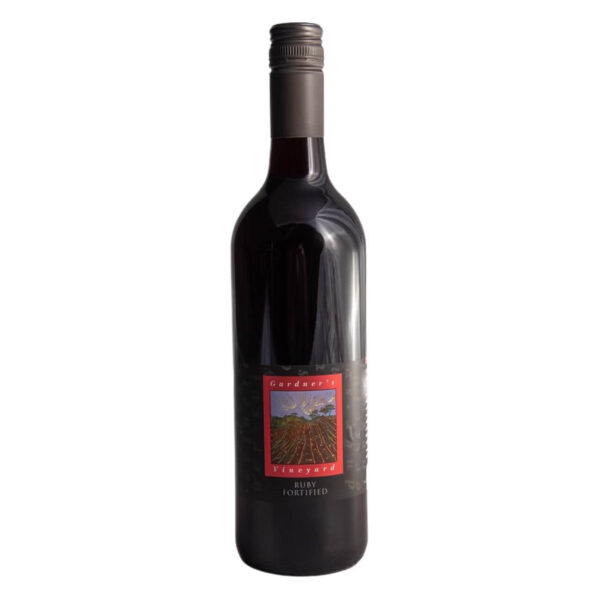
Gardner's Vineyard Ruby Fortified
Shipped by
Gardners Vineyard
$24.00
/ bottle
$144.00 for a case of 6
 $22.92
/ bottle
$275.00 for a case of 12
$22.92
/ bottle
$275.00 for a case of 12
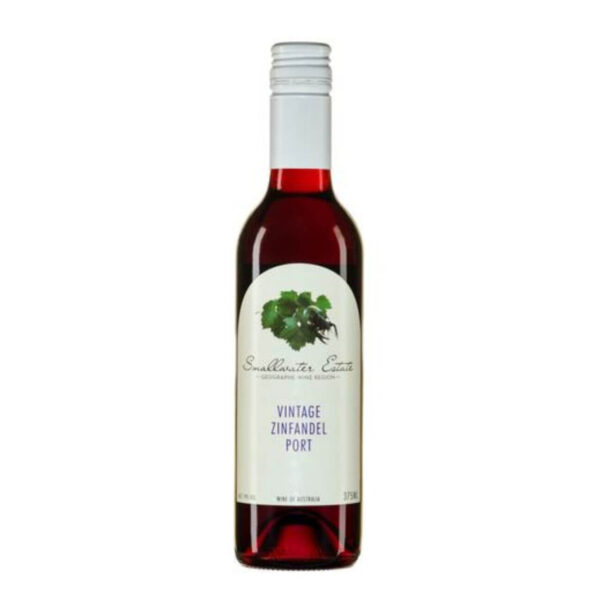
Smallwater Estate Cabernet Sauvignon Port
Shipped by
Smallwater Estate, Geographe Wine Region
$22.92
/ bottle
$275.00 for a case of 12

 $104.33
/ bottle
$626.00 for a case of 6
$104.33
/ bottle
$626.00 for a case of 6
Sandeman 20 Year Old Port NV
Shipped by
Oatley Fine Wine Merchants
$104.33
/ bottle
$626.00 for a case of 6
 $62.83
/ bottle
$377.00 for a case of 6
$62.83
/ bottle
$377.00 for a case of 6
Sandeman 10 Year Old Port NV
Shipped by
Oatley Fine Wine Merchants
$62.83
/ bottle
$377.00 for a case of 6
 $75.33
/ bottle
$452.00 for a case of 6
$75.33
/ bottle
$452.00 for a case of 6
 630 pts
 Colheita: The Single-Year Tawny Secret
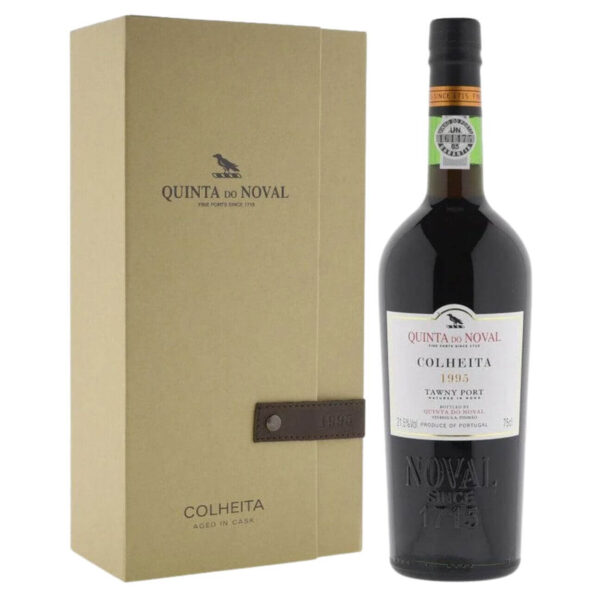
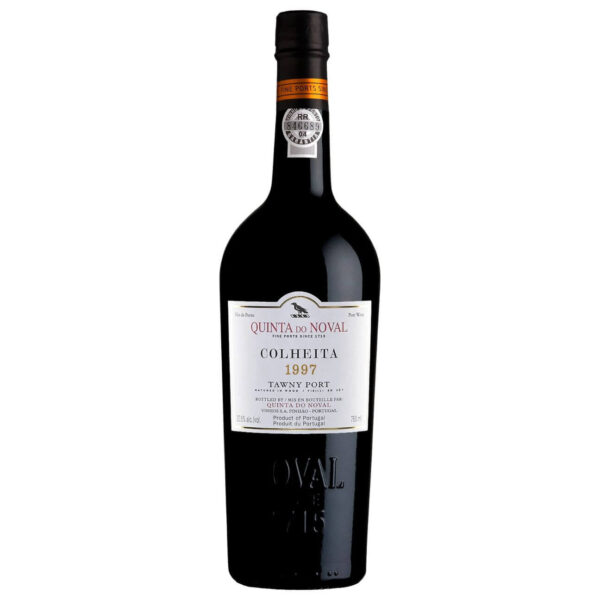
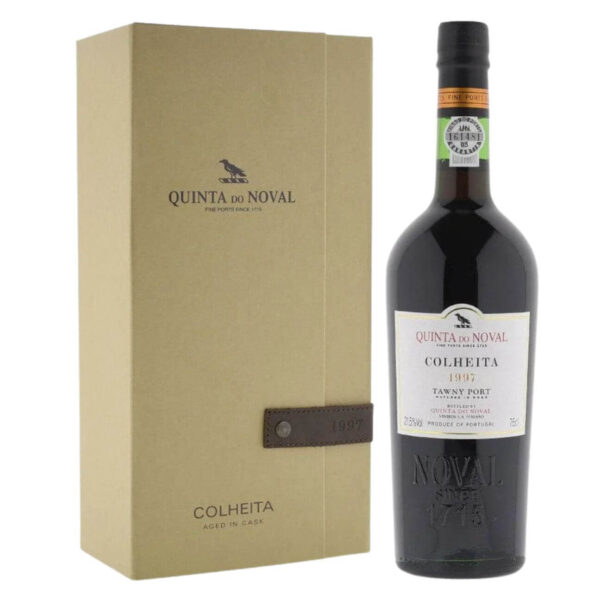
Colheita represents one of Port’s most interesting recent developments: a tawny from a single vintage rather than a blend, aged in wood for at least seven years before bottling. This category has traditionally belonged to Portuguese-owned houses like Niepoort and Ferreira, but even British houses like Graham’s and Taylor’s have recently begun producing colheitas, bringing this style into wider awareness.
Colheita Port might be a 2004 or 2003 or 1996, with the year indicating its harvest vintage. The wine spends decades maturing in barrel, developing the toasty, warm, soft-spiced character that defines the style. A Kopke 1996 Colheita or Niepoort 2004 Colheita offers something rare: the single-vintage clarity of Vintage Port combined with the mature, sophisticated character of tawny.
For someone who finds Vintage Port intimidating yet wants something genuinely special, colheita offers the perfect middle path. It comes from one specific year, suggesting seriousness and character. Yet it’s been aged in wood, meaning it’s already mature and requires no further cellaring. Open it Christmas Eve, enjoy it throughout the season, and it will remain stable and delicious.
Vintage Port: When You’re Ready
Vintage Port represents the apex of Port production and deserves respect on those terms, even if it’s not necessarily the best choice for Christmas entertaining. Made only in exceptional years and from the finest vineyard sites, Vintage Port is aged in bottle for decades, developing extraordinary complexity. A great Vintage Port from a declared year like 2017 or 2015 is genuinely thrilling.
The problem with Vintage Port at Christmas isn’t the wine’s quality. It’s practical. These wines demand decanting, which involves heating Port tongs to several hundred degrees and applying them to the bottle neck to create a circumferential fissure allowing the neck to snap off cleanly. Most home drinkers don’t own Port tongs or have practised this technique. Once open, Vintage Port deteriorates noticeably after three nights, meaning a family gathering often doesn’t consume the bottle before it’s past its peak.
Fonseca stands at the pinnacle of Vintage Port production. Robert Parker writes that “Fonseca is one of the great port lodges, producing the most exotic and complex port, one might call it the Pomerol of Vintage Ports.” James Suckling concurs: “The Vintage ports of Fonseca are perhaps the most consistently great of all. Not only do they have a striking fleshiness and powerful richness when young, but they retain that youthfulness for decades.” Yet even from Fonseca, a Vintage Port is a statement purchase meant for special occasions and careful consideration.
If you do choose Vintage Port for Christmas, understand you’re committing to a specific moment rather than ongoing sipping. Invite people who appreciate serious wine. Serve it as the evening’s focal point rather than casually between courses. Decant it, let it breathe, savour it together. It’s worth doing properly or not doing at all.
The Cheese Board Question
Port and cheese represent Britain’s most iconic pairing, yet the reality of serving them together deserves more nuance than Stilton and Vintage Port stacked onto every board.
Jancis Robinson, after extensive research into Port and cheese pairing, notes that Vintage Port with delicate cheeses like Brie or Camembert simply doesn’t work. The wine’s assertive tannins overpower the cheese’s subtle aromatics. Yet with properly aged hard cheeses like Stilton or Montgomery’s Cheddar, the combination becomes compelling.
The real secret is matching intensity. A full-bodied Vintage Port demands an equally intense cheese. A ten-year-old tawny, meanwhile, offers enough complexity to interest serious cheese lovers whilst remaining approachable enough for lighter cheeses. A colheita sits somewhere between, suggesting maturity without overwhelming softer cheese selections.
Don’t assume Stilton is your only option. A twenty-year-old tawny works beautifully with British Cheddar. An LBV from a good producer pairs excellently with Pecorino or aged Gouda. A young ruby surprisingly complements creamy Camembert if you want something lighter. Think about intensity matching rather than assuming one Port works with all cheeses.
Port Beyond Christmas Pudding
Christmas Port need not be limited to the traditional cheese course finale. Consider these alternatives.
Port and sticky toffee pudding represents an underrated pairing. The wine’s caramel and toffee notes echo the pudding’s richness whilst the Port’s acidity cuts through heaviness. A ten-year-old tawny works perfectly here.
Chocolate truffles with Port have long been recommended, but consider tawny specifically. The dried fruit, caramel and nut notes in tawny complement dark chocolate’s intensity in ways ruby Port simply cannot.
Mince pies benefit from slightly warm Port. This pairing has ancient roots in British festive tradition, yet few people actually do it. Serve a slightly warm glass of tawny or ruby alongside a fresh mince pie and discover why the combination persisted through centuries.
Even Port and tonic, served cold, makes an unusual but genuinely successful aperitif. Graham’s Blend No Five White Port works particularly well, its floral, honey and citrus characteristics mixing beautifully with tonic’s bitterness.
Making Your Christmas Choice
Start by understanding your guests and the occasion. A diverse family gathering with varied wine enthusiasts suggests a ten-year-old tawny or good LBV. A formal dinner with serious wine lovers might justify a Vintage Port. A casual Boxing Day gathering calls for ruby or reserve ruby.
Budget matters, but less than you’d think. A quality twenty-year-old tawny from Sandeman or Taylor’s costs less than many bad Vintage Ports. A good LBV offers superior quality to basic Vintage Port at a fraction of the price. Don’t equate Port price with Christmas quality.
Consider the season’s progression. If you want Port available on December 26th, December 27th and beyond, choose tawny, LBV or colheita. If you want to make a singular statement and consume the entire bottle in one evening, Vintage Port makes sense.
Most importantly, buy Port because it sounds appealing to you, not because tradition demands it. Try a ten-year-old tawny if you’ve never experienced one. A colheita if you want something unusual. An LBV if you want great value. A Vintage Port from a producer like Fonseca if you want to make a statement.
Christmas Port should bring pleasure, not obligation. It should spark conversation, encourage lingering, reward discovery. Whether that happens with ruby, tawny, LBV, colheita or Vintage depends entirely on what you value in that moment. But approach the choice thoughtfully rather than automatically reaching for whatever Port is closest, and your Christmas table becomes richer for it.
 Shiraz
 Cabernet Sauvignon
 Pinot Noir
 Grenache
 Merlot
 Red Wine Blends
 Chardonnay
 Riesling
 Pinot Gris
 Semillon
 Viognier
 Grenache Rosé
 Pinot Noir Rosé
 Shiraz Rosé
 Sangiovese Rosé
 Aglianico Rosé
 Clairette Rose
 Champagne
 Prosecco
 Sparkling Shiraz
 Blanc de Blanc
 Blanc de Noir
 Pet Nat
 Moscato
 Topaque
 Port
Port Sherry (dry & sweet)
 Muscat & Tokay
 Vermouth