 0473 644 098 · Mon–Fri 9am–5pm AESTHelp & FAQ


Matching Wine To Cheese – Finding The Perfect Pairing For Your Palate

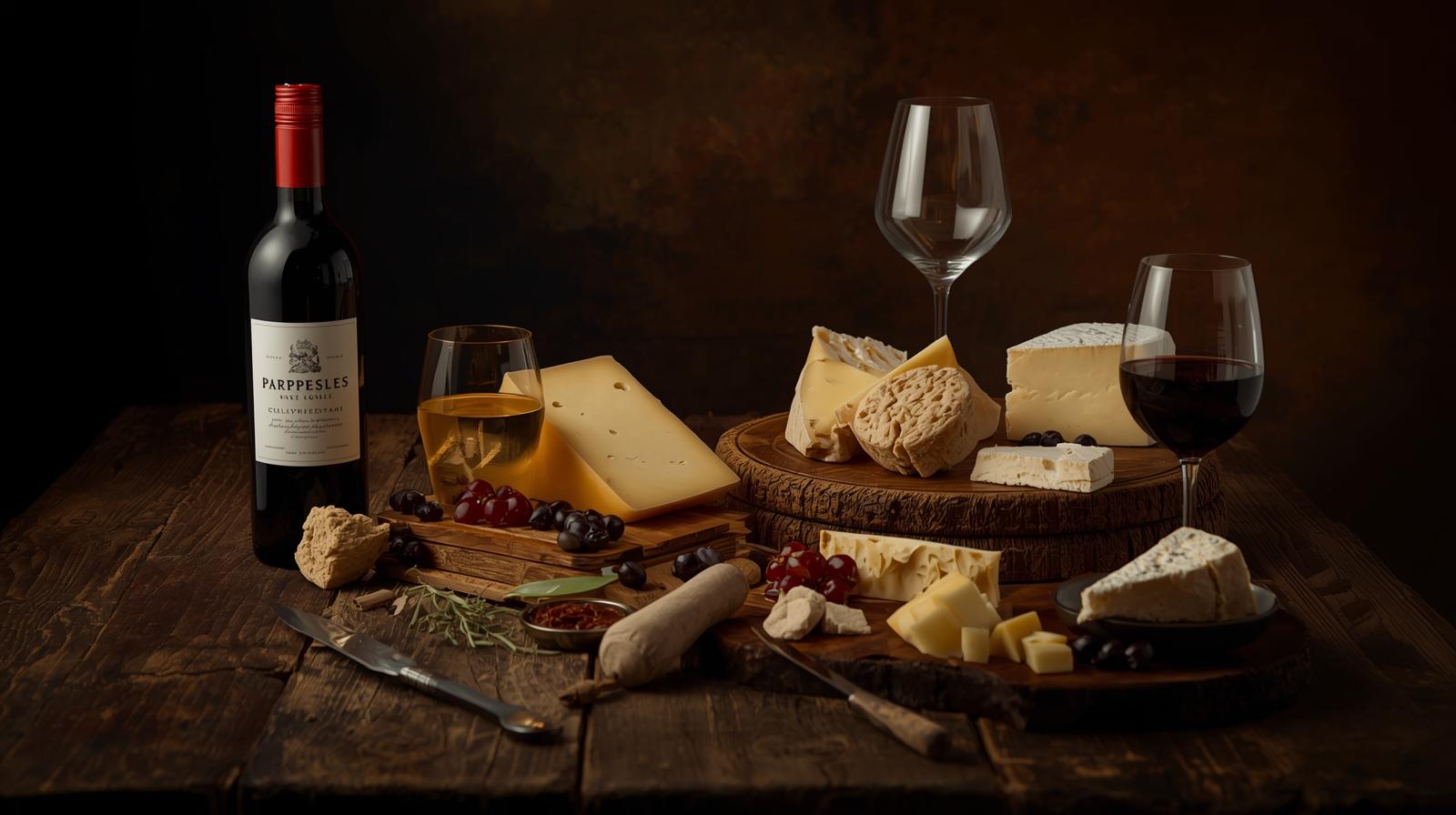
The question isn’t whether wine and cheese belong together. After all, centuries of French monks, Spanish shepherds and Italian farmers established that partnership long before anyone thought to question it. The real question, the one that determines whether an evening becomes memorable or forgettable, is which wine with which cheese, and more fascinatingly, why some combinations create genuine magic whilst others disappoint.
Walk into any decent wine shop in Sydney or Melbourne asking for “something to go with cheese,” and watch the staff member’s face. That simple request contains multitudes. Are we talking creamy Brie or crumbly aged Cheddar? Pungent blue or delicate chèvre? A cheese board groaning under six varieties or a single wedge of something special? The answer matters enormously, because the partnership between wine and cheese operates on principles that only recently have scientists begun to understand properly.
When tannins in wine meet lipids in cheese, they form bonds at the emulsifier layer surrounding fat droplets, creating larger droplets and fundamentally altering how the wine tastes. This isn’t mere theory cooked up by marketing departments. Researchers at the Institute of Vine and Wine Sciences in Bordeaux demonstrated that consuming olive oil before tasting a tannin solution transformed perceived astringency into fruitiness. The fat competes with saliva proteins as binding partners for tannins, reducing that mouth-puckering sensation by an order of magnitude.
This explains why a young Cabernet Sauvignon tastes metallic and harsh alongside soft Brie but suddenly sings with aged Cheddar. The creamy cheese lacks sufficient fat structure to bind those aggressive tannins, whilst the aged cheese’s concentrated fats and proteins create what researchers call “the Camembert effect.” Every successful pairing balances this fundamental chemistry, whether the person pouring the wine realizes it or not.
The Great Red Wine Misconception
Here’s where things get interesting, and where decades of received wisdom start to crumble. Jancis Robinson, one of the world’s most respected wine critics, participated in what she described as extraordinarily scientific research alongside Randolph Hodgson of Neal’s Yard Dairy and several other wine professionals. They doctored goat cheese with varying amounts of salt and MSG, then doctored Sauvignon Blanc with oak, tannin, sugar and glycerin, tasting every possible combination.
The results proved revelatory. Robinson discovered that “the bone-dry white was horrid with the undersalted cheese but really rather nice with the very salty one.” When they tried the salted cheeses with the oak-treated Sauvignon, they found it tasted “horribly oily and hot.” With the tannin-added version, the saltier the cheese, the more uncomfortably astringent the wine became. Since so many reds carry oak and tannin, and so many cheeses carry salt, Robinson concluded that “the hallowed combination of red wine and cheese began to look decidedly ill-advised.”
By the end of that evening, having worked through everything from fresh goat cheese to Montgomery Cheddar to Colston Bassett Stilton, Robinson’s verdict was clear: “All of this suggests to me that rich white wine is much more likely to be a good match for cheese than any red.” The only successful red pairing they found involved a sweet, potent Zinfandel with young creamy goat cheese, which reminded her of nothing more than “HP crackers, Hero Swiss black cherry jam and St Ivel.”
Award-winning food and wine writer Fiona Beckett goes even further. When researchers at UC Davis found that cheese dulls the taste of red wine so completely that tasters couldn’t distinguish expensive bottles from cheap plonk, Beckett’s response was characteristically direct: “What amuses me is that people need scientists to tell them this. Anyone who actually enjoys their wine will know that cheese will ruin their favourite wine.”
These aren’t contrarian opinions designed to provoke. These are observations from people who’ve spent decades matching wine with food, who’ve tasted more combinations than most of us will encounter in a lifetime. The traditional image of finishing a bottle of red with the cheese course turns out to be more about not wanting to waste wine than about creating an optimal pairing.
Why Champagne And Brie Became A Cliché Worth Repeating
At the Congress of Vienna in 1815, Brie earned the title Le Roi des Fromages, the King of Cheeses. The coronation wasn’t arbitrary political theatre. This soft-ripened cheese from the medieval County of Champagne shares terroir with the world’s most celebrated sparkling wine, and their partnership demonstrates the “what grows together, goes together” principle that underpins regional pairings across Europe.
Champagne’s high acidity and persistent bubbles cut through Brie’s butterfat content whilst its toasty, brioche notes from extended lees contact complement the cheese’s mushroomy earthiness. The effervescence cleanses the palate after each creamy bite, preventing the richness from becoming cloying. It’s a partnership that works on multiple levels: texture, acidity, flavour complexity, regional harmony.
Triple cream cheeses like Brillat-Savarin take this pairing even further into indulgence. With butterfat content reaching seventy-five percent of dry matter, these cheeses demand wines with serious acidity and either bubbles or pronounced minerality. A Premier Cru Chablis works beautifully here, offering Champagne’s minerality and bright acidity without the effervescence, alongside buttered bread and citrus characteristics that mirror the cheese’s richness.
But here’s where modern thinking diverges from strict regionalism. Ben Colvill, writing in Jancis Robinson’s publication, tested Langres, a pungent washed-rind cheese from the Haut-Marne region of France, with champagnes ranging from Blanc de Blancs to rosé to Blanc de Noirs, then expanded his search to English sparkling wines and even South African Cap Classique. His conclusion challenged orthodoxy: the key wasn’t regional authenticity, but finding fizz with enough Pinot Noir content to provide what he called “oomph,” the black grape character that gives purchase on funky, fatty cheese. Pale, austere Blanc de Blancs didn’t work. Rosé champagnes and Blanc de Noirs performed beautifully, as did English sparklers made in similar styles. Understanding the principle mattered more than following tradition.
When Croatian Grapes Met French Soil
The Loire Valley’s dominance in goat cheese production traces to the eighth century, when defeated Umayyad forces reportedly left their goat herds behind after the Battle of Tours in 732. Whether that’s legend or historical fact, the Loire’s hilly terrain proved ideal for goat farming, and five AOP chèvres now define the region: Crottin de Chavignol, Selles-sur-Cher, Pouligny-Saint-Pierre, Sainte-Maure de Touraine and Valençay.
These cheeses share one ideal partner: Sauvignon Blanc from the same valley. The pairing works because fresh goat cheese’s lactic tartness mirrors Sauvignon Blanc’s acidity, creating complementary rather than contrasting flavours. The wine’s mineral and herbaceous qualities enhance the cheese’s nutty, earthy characteristics whilst cutting through its richness. When both products come from the same limestone-rich soil, drinking Sancerre with Crottin de Chavignol feels less like a pairing and more like a conversation between siblings.
Sancerre and Pouilly-Fumé represent this partnership at its apex. The smoky, acidic character of these Loire Sauvignon Blancs particularly suits Crottin de Chavignol, the cylindrical goat cheese from the village of Chavignol that has been produced since the sixteenth century. When baked atop salad in the classic preparation, this cheese demands the wine’s freshness to balance the warming and the greens.
But again, the principle transcends geography. Australian Sauvignon Blanc from Margaret River or Adelaide Hills, New Zealand examples from Marlborough, even South African versions from Constantia, all work beautifully with goat cheese because they share that essential crisp acidity and herbaceous character. The terroir matters less than understanding what makes the pairing function.
The Blue Cheese Paradox
Port and Stilton ranks among Britain’s most famous pairings, yet it violates everything conventional wisdom suggests about matching wine with food. Why pair sweet wine with savoury cheese? The answer lies in molecular contrast rather than similarity. Blue cheeses’ pungent, salty intensity from Penicillium roqueforti cultures requires sweetness to create balance. The honeyed richness of aged Port or Sauternes tempers the cheese’s aggressive saltiness whilst the wine’s weight matches the cheese’s full flavours.
Vintage Port with Stilton PDO demonstrates this principle perfectly. The Port’s dark berry fruits and substantial tannin structure complement Stilton’s creamy, buttery character whilst its sweetness mellows the cheese’s herby tang. Late Bottled Vintage and Ruby Ports work similarly with other blues like Gorgonzola or Roquefort, though their lighter bodies suit slightly less intense cheeses.
Recent research into umami compounds adds another dimension to understanding this pairing. Scientists studying champagne and oysters discovered that champagne contains free glutamate, whilst oysters contain both free glutamate and nucleotides. When consumed together, these compounds create synergistic umami effects that enhance perceived deliciousness. The same principle applies to blue cheese and sweet wine: the cheese’s intense umami character finds balance in the wine’s sweetness, creating a harmony greater than either component alone.


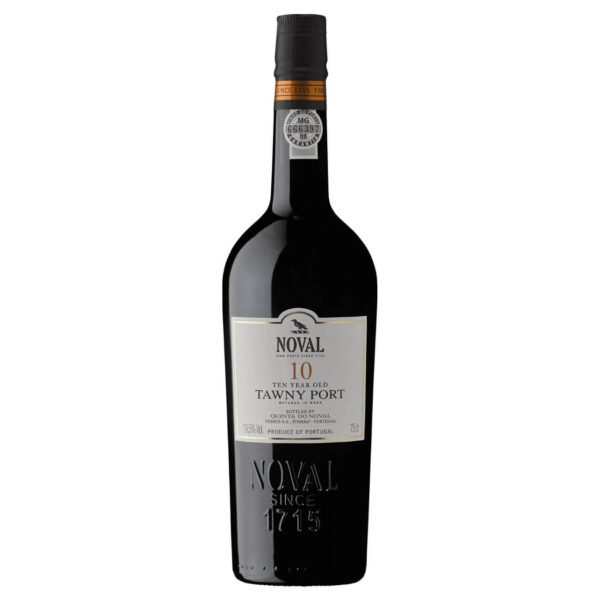 $105.00
/ bottle
$630.00 for a case of 6
$105.00
/ bottle
$630.00 for a case of 6

 $357.33
/ bottle
$2,144.00 for a case of 6
$357.33
/ bottle
$2,144.00 for a case of 6
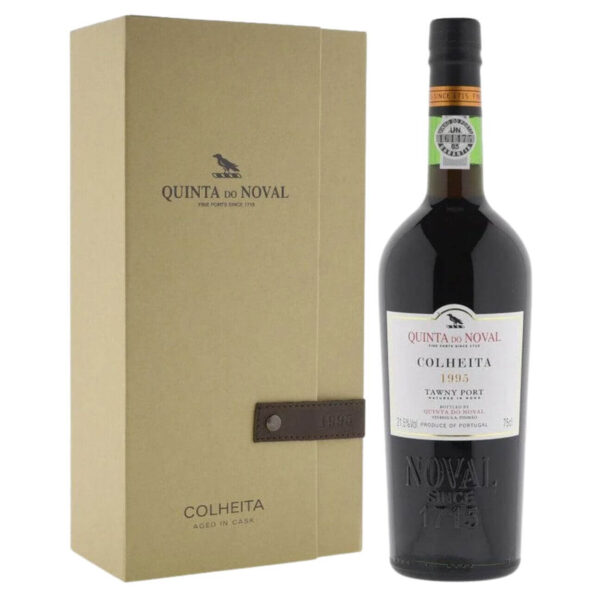
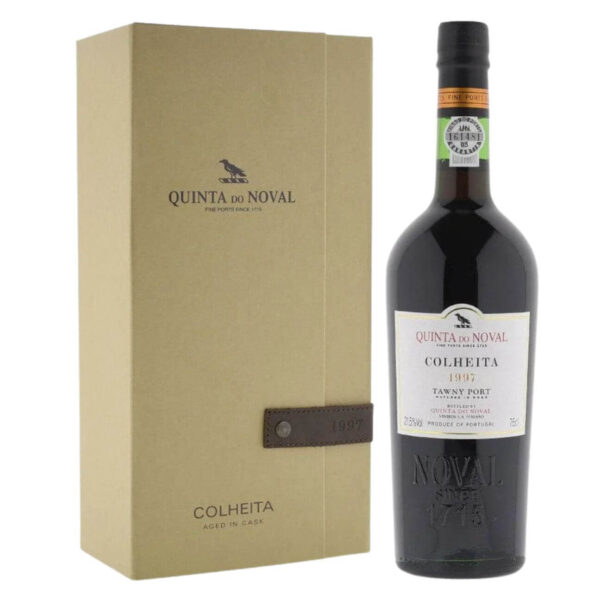
Quinta do Noval Tawny Port Colheita (with Gift Box)
Shipped by
Fine Wine Cellars
$357.33
/ bottle
$2,144.00 for a case of 6

 $347.83
/ bottle
$2,087.00 for a case of 6
$347.83
/ bottle
$2,087.00 for a case of 6
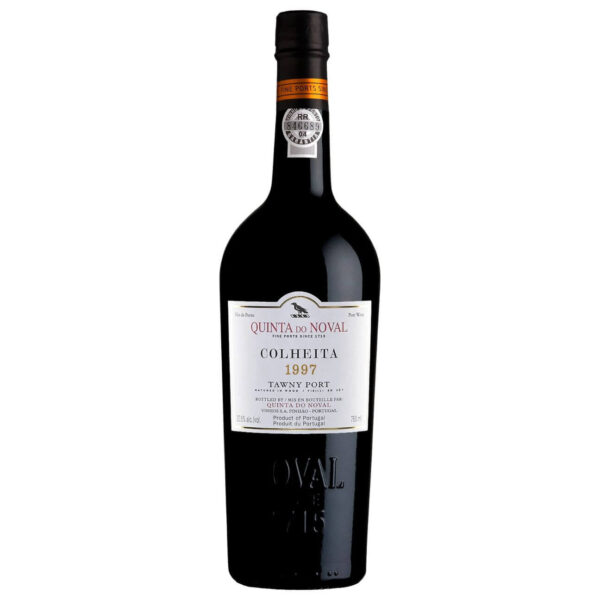
Quinta do Noval Tawny Port Colheita
Shipped by
Fine Wine Cellars
$347.83
/ bottle
$2,087.00 for a case of 6
 $347.83
/ bottle
$2,087.00 for a case of 6
$347.83
/ bottle
$2,087.00 for a case of 6
Quinta do Noval Tawny Port Colheita (with Gift Box)
Shipped by
Fine Wine Cellars
$347.83
/ bottle
$2,087.00 for a case of 6
 $24.00
/ bottle
$144.00 for a case of 6
$24.00
/ bottle
$144.00 for a case of 6
Gardner's Vineyard Ruby Fortified
Shipped by
Gardners Vineyard
$24.00
/ bottle
$144.00 for a case of 6
 $22.92
/ bottle
$275.00 for a case of 12
$22.92
/ bottle
$275.00 for a case of 12
Smallwater Estate Cabernet Sauvignon Port
Shipped by
Smallwater Estate, Geographe Wine Region
$22.92
/ bottle
$275.00 for a case of 12

 $104.33
/ bottle
$626.00 for a case of 6
$104.33
/ bottle
$626.00 for a case of 6
Sandeman 20 Year Old Port NV
Shipped by
Oatley Fine Wine Merchants
$104.33
/ bottle
$626.00 for a case of 6
 $62.83
/ bottle
$377.00 for a case of 6
$62.83
/ bottle
$377.00 for a case of 6
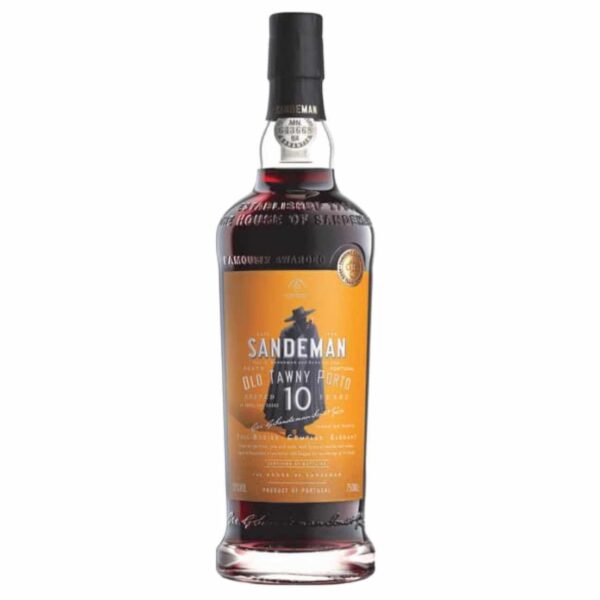
Sandeman 10 Year Old Port NV
Shipped by
Oatley Fine Wine Merchants
$62.83
/ bottle
$377.00 for a case of 6
 $75.33
/ bottle
$452.00 for a case of 6
$75.33
/ bottle
$452.00 for a case of 6
 630 pts
 Australian Wine Meets Local Character
Australian wine culture has developed distinct pairing traditions suited to local produce and climate. Barossa and McLaren Vale Shiraz, big, lush, sweet and ripe, demands aged Cheddar with sufficient sharpness to stand against the wine’s bold character. The cheese’s saltiness accentuates the wine’s earthier, subtler flavours whilst its fat content counterbalances Shiraz’s soft tannins and vanilla notes from oak ageing.
The pairing shifts with regional Shiraz styles, revealing how understanding a wine’s character matters more than knowing its variety. Hunter Valley Shiraz’s more savoury profile suits smoked cheeses or washed-rind varieties, where the wine’s earthy notes complement rather than overpower. Margaret River Shiraz, made in a more elegant Bordeaux-influenced style, pairs beautifully with aged Gouda, where the cheese’s caramel notes and dense texture match the wine’s structured complexity.
Australian Chardonnay offers equal versatility. Rich, oaked Margaret River Chardonnay with creamy Brie creates the classic buttery partnership, the wine’s acidity cutting through the cheese’s fat content whilst its body matches the mouthfeel. Unoaked styles prefer lighter cheeses, goat cheese or Camembert, where the wine’s crisp fruit won’t be overwhelmed by intense flavours.
Australian wine journalist Max Allen, who has spent years exploring cheese and wine pairings, emphasizes moving beyond red wine defaults. Writing with cheese specialist Will Studd, Allen notes that “white wine, sweet wine, sparkling wine, even (or especially) non-wine drinks such as cider, beer and Japanese sake, are often far better choices” than red wine with cheese. The word he keeps returning to when describing great cheese and drink experiences is “retronasal,” how flavours on the tongue shoot up through the passage at the back of the mouth to be perceived by aroma receptors behind the nose. Allen writes that “crisp perfumed Riesling plus dense perfumed Gruyère-style cheese equals retronasal joy.”
This retronasal phenomenon explains why texture matters as much as flavour in successful pairings. When drinking wine, aroma compounds reach olfactory receptors not just through the nose but through the retronasal passage connecting mouth with olfactory centre. As cheese is chewed and generates “smellable” vapours, the perception of taste changes as these additional aromas are perceived. Fat from cheese coats the mouth, altering how volatile compounds from wine are released and experienced.
Hard Truths About Intensity Matching
The most common pairing failure involves mismatched intensity, and this is where good intentions meet disappointing reality. A delicate young Pinot Noir collapses under aged Parmesan’s umami punch. A fifteen percent alcohol Barossa Shiraz obliterates fresh chèvre’s subtle tanginess. Neither pairing creates genuine dialogue; one partner simply drowns out the other.
Wine alcohol content provides a reliable intensity indicator. Wines exceeding fourteen and a half percent ABV demand intensely flavoured cheeses to avoid overwhelming them, whilst wines under twelve percent suit delicately flavoured varieties. This explains why aged cheeses work with bold reds: as cheese matures and loses water content, its concentrated fats and proteins can counteract high tannins. Manchego with Tempranillo exemplifies this principle, the sheep’s milk cheese’s density and mild spice meeting the wine’s fruitiness and tannin structure on equal footing.
The principle extends across cheese categories. Washed-rind cheeses like Époisses present particular challenges. Their pungent, funky character from regular washing in Marc de Bourgogne can destroy most red wines, making them better suited to aromatic whites like Gewürztraminer or even Belgian pale ales. When wine pairings with these cheeses succeed, they typically involve either off-dry Riesling with residual sugar to contrast intensity, or the very Marc de Bourgogne used in the washing process, a regional pairing taken to its logical extreme.
Hard cheeses like aged Cheddar and Pecorino partner well with red wine, but the devil lives in the details. The Cheddar’s age matters. Its moisture content matters. Whether it’s been clothbound or vacuum-sealed matters. A young, relatively mild Cheddar wants a lighter red, perhaps a Beaujolais or lighter-style Pinot Noir. A three-year clothbound Montgomery’s Cheddar with its crystalline crunch and concentrated flavour can stand up to something more substantial, a Rioja Reserva or a structured Cabernet Franc.
Fiona Beckett provides practical guidance for navigating this complexity. When crafting cheese pairings for artisanal boards, she recommends “looking for reds that are soft, ripe and mellow, without powerful angular tannins that will clash with stronger cheeses.” Her recommended pairings include Spanish reds like Gran Cerdo and French Malbec from its original home in south-west France rather than Argentina. But she also champions white wines: “Think of the fruit flavours you find in white wine, especially orchard fruits like apples and pears. Do they go with cheese? Of course they do, so why on earth shouldn’t you drink white wine with your cheeseboard?”
The Temperature Nobody Mentions
Even perfect pairings fail when cheese arrives ice-cold from the refrigerator, yet this crucial detail gets overlooked constantly. Cheese reaches full flavour potential only at room temperature, when fats soften and aromatic compounds volatilise properly. The standard recommendation suggests removing cheese from refrigeration forty-five to sixty minutes before serving, allowing it to warm whilst remaining safe to consume.
This timing serves dual purposes. Cold cheese cuts more easily for board preparation, but room temperature cheese tastes fuller and pairs more effectively with wine. The fatty acids that create blue cheese’s characteristic ketone notes, the proteolysis that generates hard cheese’s nutty complexity, the mushroom notes from Penicillium camemberti, all these flavour compounds express themselves properly only when the cheese has warmed.
Wine temperature matters equally, though here Australian climate creates particular challenges. Whites served extremely cold lose aromatic complexity. Reds served too warm, which happens easily during summer, become flabby and alcoholic. The intersection point that creates ideal pairing conditions involves whites slightly warmer than refrigerator temperature, reds slightly cooler than room temperature. In practice, this often means pulling whites from the fridge fifteen minutes before serving, and chilling reds briefly before opening.
When Tradition Meets Innovation
The terroir-based pairing principle, that products from the same region naturally complement each other, reflects centuries of cultural refinement. Burgundian Époisses with Burgundian Pinot Noir, Spanish Manchego with Spanish Garnacha, Italian Pecorino Toscano with Chianti Classico. These partnerships evolved together, shaped by identical soil, climate and tradition. There’s genuine wisdom in that shared geography.
Yet this principle shouldn’t become restrictive dogma. California Chardonnay with Humboldt Fog, Oregon Pinot Noir with Rogue River Blue, Australian Riesling with local washed-rind cheeses, these New World pairings demonstrate that understanding fundamental principles matters more than geographical proximity. The Humboldt Fog’s soft-ripened texture and citrusy tang suits Chardonnay’s oak and acidity regardless of whether the pairing carries historical precedent.
The key lies in recognising patterns rather than following rules. Acidic wines cut fatty cheeses. Sweet wines balance salty cheeses. Tannic wines need aged cheeses with concentrated fats. Light wines suit delicate cheeses whilst powerful wines demand robust partners. Armed with these principles, anyone can build successful pairings without reference to traditional combinations or expensive wine education courses.
The Science Now Confirms What Practice Discovered
Recent research into wine and cheese pairing has begun catching up with what generations of cheesemakers and vignerons discovered through practice. Fat and tannin interact at molecular levels to fundamentally alter wine perception. Umami compounds create synergistic effects that enhance perceived deliciousness. Retronasal aroma, the smell chimney at the back of the mouth, plays a crucial role in how we experience both wine and cheese together.
The art lies in understanding these interactions well enough to predict which partnerships will transcend their individual components, creating moments where each sip and bite tastes better than the one before. That transformation, chemical, sensory, experiential, explains why this ancient pairing endures despite scientific evidence that many traditional combinations don’t actually work as well as we’ve been taught to believe.
The best approach combines respect for tradition with willingness to experiment. Start with classic combinations to understand why they work, then deviate thoughtfully. Try that Barossa Shiraz with aged Cheddar, absolutely. But also try it with smoked Gouda, or don’t be afraid to switch to a Hunter Valley Semillon instead and discover how beautifully its richness and acid structure complement creamy, bloomy-rind cheeses.
The goal isn’t achieving some Platonic ideal of perfect pairing. The goal is understanding enough about how wine and cheese interact that you can create combinations bringing genuine pleasure rather than following prescriptive rules that may not even deliver what they promise. Sometimes that means reaching for white wine when everyone expects red. Sometimes it means pairing sweet wine with savoury cheese. Sometimes it means trusting what grows together, and sometimes it means trusting what your palate tells you regardless of geography.
Wine and cheese have been partners for millennia not because the combination always works perfectly, but because when it works, it creates something neither product achieves alone. Understanding why certain pairings succeed, the molecular interactions, the flavour harmonies, the textural balances, transforms an ancient tradition into informed choice. That knowledge, applied with curiosity and willingness to experiment, leads to far more memorable evenings than blindly following outdated rules ever could.
 Shiraz
 Cabernet Sauvignon
 Pinot Noir
 Grenache
 Merlot
 Red Wine Blends
 Chardonnay
 Riesling
 Pinot Gris
 Semillon
 Viognier
 Grenache Rosé
 Pinot Noir Rosé
 Shiraz Rosé
 Sangiovese Rosé
 Aglianico Rosé
 Clairette Rose
 Champagne
 Prosecco
 Sparkling Shiraz
 Blanc de Blanc
 Blanc de Noir
 Pet Nat
 Moscato
 Topaque
 Port
Port Sherry (dry & sweet)
 Muscat & Tokay
 Vermouth