 0473 644 098 · Mon–Fri 9am–5pm AESTHelp & FAQ


Australia’s Emerging Grapes: Why Fiano and Nero d’Avola Are Shaping the Future of Australian Wine

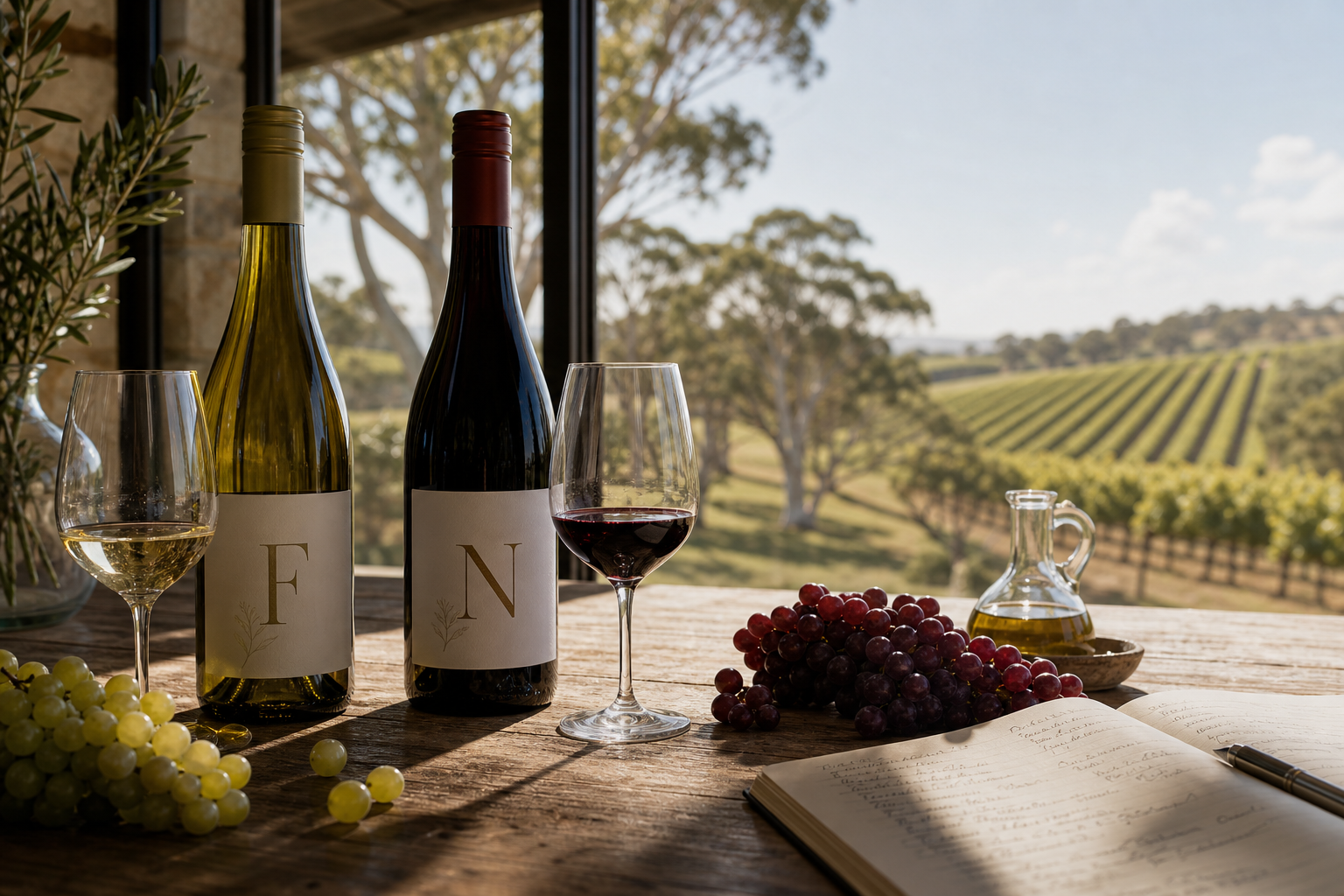
Australia’s next decade will not just be about Shiraz and Chardonnay. Emerging grapes such as Fiano and Nero d’Avola are steadily carving out space on serious wine lists and in thoughtful Australian cellars, helped by climate suitability and changing tastes.
Emerging wine varieties in Australia: why they matter now
In Australian industry jargon, “emerging varieties” are grapes that still make up only a tiny share of plantings, often well under 3 percent of vineyard area, but that are drawing outsized critical and consumer attention. They are usually Mediterranean or Iberian in origin, bred for heat and drought, and they offer flavour profiles that feel fresher and more savoury than some traditional Australian styles.
Growers across warm and inland regions are looking closely at these grapes because they keep acidity, handle heat spikes and resist disease more reliably than some classic French varieties. At the same time, drinkers who have grown up with Shiraz, Cabernet Sauvignon and Sauvignon Blanc are curious about something new that still feels food‑friendly and approachable. For anyone keen to move beyond the usual suspects, this is the moment to explore our wide range of Fiano wine, buy Nero d’Avola wine online and seek out bottles featuring names that, a decade ago, barely appeared in Australian shops.
Fiano in Australia: the white that loves the heat
Among white grapes, Fiano is one of the clearest success stories so far. Originally from Campania and Sicily, Fiano brings nutty, lemon and subtle floral characters, with a texture that can feel almost waxy or honeyed even in dry styles. Crucially for Australian conditions, it holds its natural acidity in hot years and shows good disease resistance, which explains why growers in warm South Australian regions have embraced it.
McLaren Vale, Riverland and parts of the Barossa Valley are now turning out Fiano that balances zesty citrus and stone‑fruit notes with a savoury, gently almond‑like finish, making it a superb match for Mediterranean‑style Australian food. The style spectrum already runs from bright and unoaked to more textural, barrel‑influenced versions, and there is every sign that winemakers see Fiano as a canvas for serious, ageworthy whites rather than just another easy‑drinking aromatic. For readers looking to taste where white wine is heading, it makes sense to explore our wide range of Fiano wine from these emerging hotspots.
Nero d’Avola in Australia: Sicily’s black grape finds a southern home
On the red side, Nero d’Avola has become the poster child for Mediterranean varieties that thrive in Australian heat. In its Sicilian homeland it is prized for dark cherry, strawberry, savoury spice and dried‑herb complexity, typically with medium‑full body, firm but smooth tannins and refreshing acidity. Those same traits have made it a natural fit for sun‑baked Australian sites where traditional big reds can tip into jammy, overripe territory.
The first Australian Nero d’Avola vines were introduced by the Chalmers family in the late 1990s, and plantings have now spread to more than 50 vineyards, particularly in McLaren Vale and the Riverland. In these warm regions, Nero d’Avola delivers colour and flavour intensity without the heavy sweetness that can dog some Shiraz, offering a juicy, spice‑laced, medium‑bodied profile that suits both barbecues and more serious dining. Commentators regularly point out its versatility at the table and its ability to offer something different while still tasting unmistakably “winey” and familiar.
From a climate perspective, Nero d’Avola’s tolerance for heat, drought and poor soils makes it attractive insurance for growers facing hotter, drier summers. From a drinker’s perspective, it is simply delicious, and there is every sign it will move from curious niche to mainstream option over the next decade. For those wanting to get ahead of the curve, it is a good time to buy Nero d’Avola wine online and start finding favourite producers now.

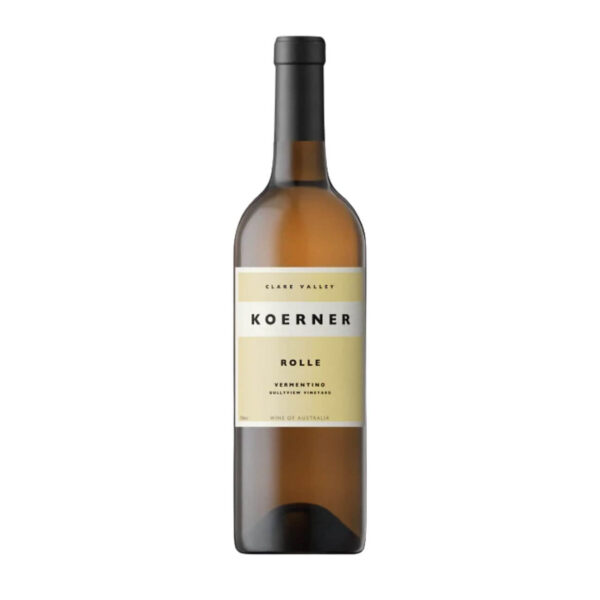 $41.58
/ bottle
$499.00 for a case of 12
$41.58
/ bottle
$499.00 for a case of 12
 $24.00
/ bottle
$288.00 for a case of 12
$24.00
/ bottle
$288.00 for a case of 12
Dryridge Estate 'MILA' Vermentino
Shipped by
Dryridge Estate
$24.00
/ bottle
$288.00 for a case of 12

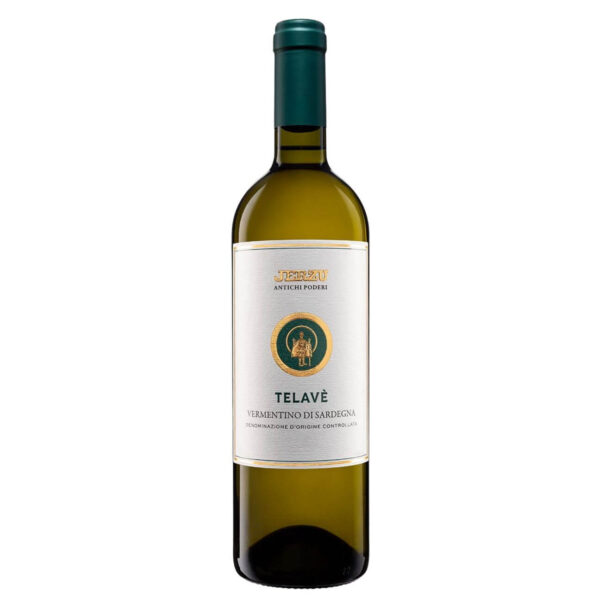 $30.17
/ bottle
$181.00 for a case of 6
$30.17
/ bottle
$181.00 for a case of 6
Jerzu Antichi Poderi Telavé Vermentino di Sardegna DOC
Shipped by
BWM
$30.17
/ bottle
$181.00 for a case of 6
 $24.75
/ bottle
$297.00 for a case of 12
$24.75
/ bottle
$297.00 for a case of 12

 $30.58
/ bottle
$367.00 for a case of 12
$30.58
/ bottle
$367.00 for a case of 12
 $34.25
/ bottle
$411.00 for a case of 12
$34.25
/ bottle
$411.00 for a case of 12
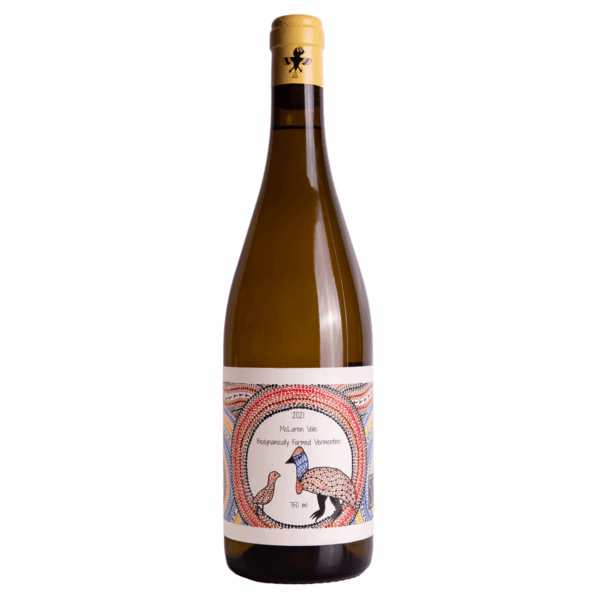
Somos Biodynamically Farmed Vermentino
Shipped by
Latest Crush
$34.25
/ bottle
$411.00 for a case of 12
 499 pts
 Other emerging white varieties: Vermentino, Grüner Veltliner and friends
Fiano is not alone in redefining Australian white wine. Vermentino, originally from coastal parts of Italy and France, is gaining a foothold thanks to its citrus, saline and herbal profile and its ability to stay fresh in warm, maritime climates. Coastal zones and irrigated warm regions are producing Vermentino that feels tailor‑made for Australian seafood and summer drinking, with enough structure to hold its own at the table.
Further south, Grüner Veltliner is emerging as a cool‑climate alternative in places like the Adelaide Hills, where it shows green‑apple, pear and white‑pepper characters with a spicy, textural edge. These wines appeal to drinkers who enjoy Riesling and Sauvignon Blanc but want a little more gastronomic weight and savoury complexity. For those curious about where whites are going, it makes sense to discover Australian Vermentino wine and seek out Grüner Veltliner wine from cool‑climate regions that specialise in the style.
Emerging red varieties: Tempranillo, Montepulciano and Sangiovese
Beyond Nero d’Avola, a cluster of Iberian and Italian red varieties is quietly establishing itself across Australia. Tempranillo, the backbone of Rioja, is now grown widely in regions such as Heathcote and parts of the Barossa, where it offers dark cherry fruit, gentle spice and a tannic structure that works beautifully with food. It ripens earlier than Cabernet Sauvignon, which can be a significant advantage in heat‑prone Australian summers.
Montepulciano and Sangiovese are also making noise, especially in warmer sites where their natural acidity and tannin keep wines fresh and savoury. These varieties give winemakers the chance to craft reds that sit between the plushness of traditional Australian Shiraz and the brightness of modern Pinot Noir, offering mid‑weight structures, sour‑cherry and plum flavours, and a distinctly European sense of dryness and grip.
As with the other grapes discussed here, these reds are gaining traction because they work both in the vineyard and in the glass. Growers see them as climate‑adapted and relatively resilient; drinkers see them as characterful, food‑friendly alternatives that still feel recognisably “red wine.” If that sounds appealing, it is worth setting aside the usual suspects and taking time to explore our selection of Tempranillo wine, Montepulciano wine and Sangiovese wine crafted in Australian regions that suit them best.
Where Australia’s emerging grapes are thriving
What unites these emerging grapes is not just their Mediterranean or Central European heritage, but the way they map onto specific Australian regional strengths. Warm, dry regions such as McLaren Vale, Riverland, Clare Valley and Heathcote are natural homes for Nero d’Avola, Tempranillo, Montepulciano and Fiano, where those varieties can achieve full ripeness without sacrificing acidity. Inland irrigated zones that historically pumped out bulk Shiraz and Cabernet Sauvignon are quietly re‑planting sections to these more adaptable grapes as part of a push toward higher‑value, climate‑resilient wine.
Cooler regions, including the Adelaide Hills, Canberra District and elevated parts of Victoria and New South Wales, are leaning into Grüner Veltliner, Tempranillo and certain clones of Sangiovese that respond well to diurnal range and longer ripening seasons. This regional diversification means that, by the early 2030s, Australian wine shelves are likely to show a much richer mix of varieties and origin stories than the classic “Shiraz from Barossa, Chardonnay from Margaret River” pattern that has dominated export markets.
Here is something genuinely fascinating about this shift. It is not an aesthetic fad layered on top of business as usual. These grapes are being planted because they answer hard questions about viability under climate change and oversupply, whilst at the same time answering drinkers’ desire for more nuanced, food‑friendly wines. For enthusiasts, that makes them doubly worth watching.
Anyone building a forward‑looking Australian collection would do well to mix a few of these bottles into each purchase: grab a Fiano alongside Chardonnay, slip some Nero d’Avola into the basket with Shiraz, and let a couple of Tempranillo or Montepulciano reds sit next to more familiar labels. Over the next decade, those “experiment” wines may well become the staples that define modern Australian drinking as clearly as Shiraz and Sauvignon Blanc once did.


 Shiraz
 Cabernet Sauvignon
 Pinot Noir
 Grenache
 Merlot
 Red Wine Blends
 Chardonnay
 Riesling
 Pinot Gris
 Semillon
 Viognier
 Grenache Rosé
 Pinot Noir Rosé
 Shiraz Rosé
 Sangiovese Rosé
 Aglianico Rosé
 Clairette Rose
 Champagne
 Prosecco
 Sparkling Shiraz
 Blanc de Blanc
 Blanc de Noir
 Pet Nat
 Moscato
 Topaque
 Port
Port Sherry (dry & sweet)
 Muscat & Tokay
 Vermouth