 0473 644 098 · Mon–Fri 9am–5pm AESTHelp & FAQ


How to Tell if Wine Should Be Cellared or Drunk Now

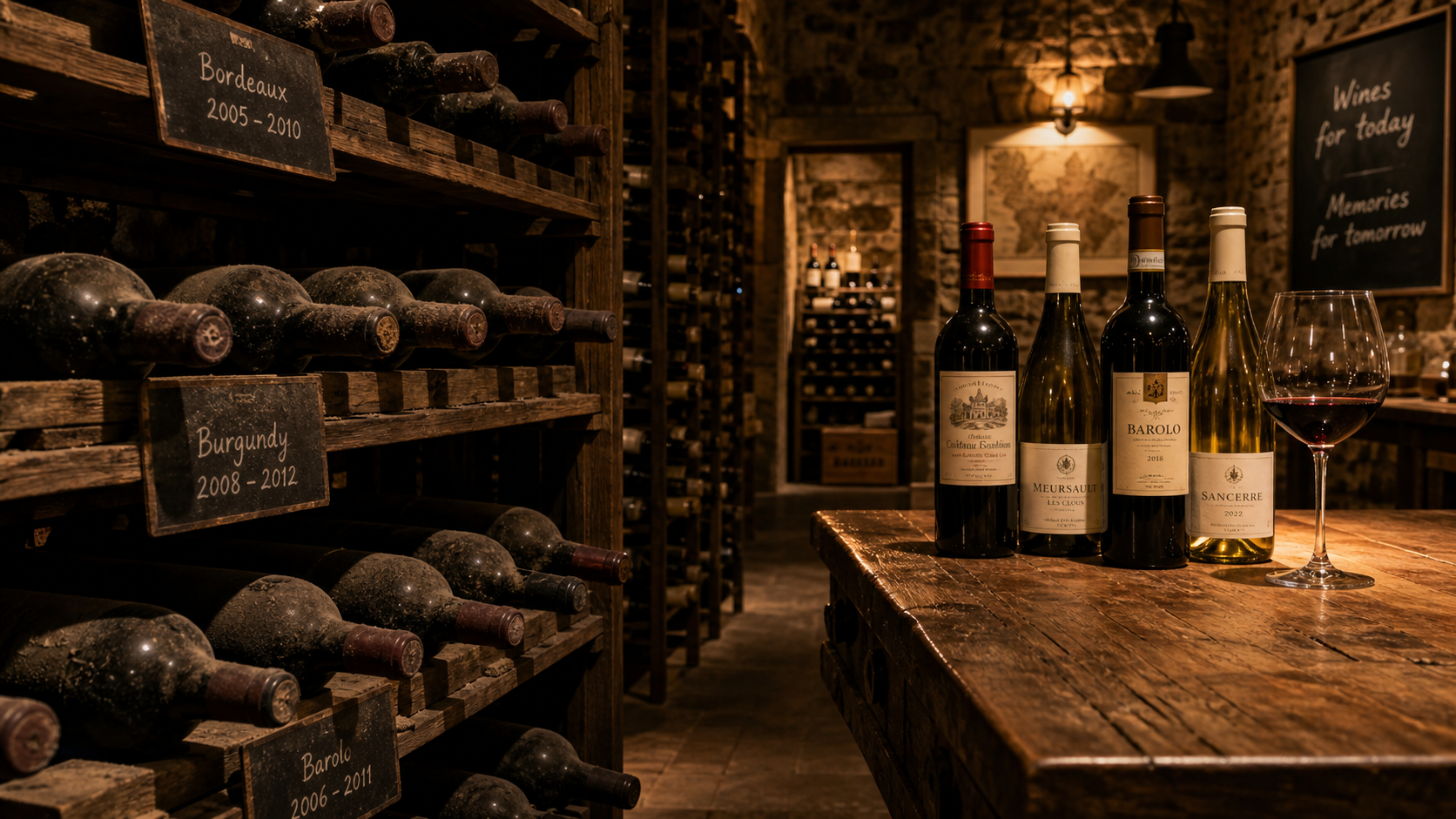
When to Cellar Wine and When to Drink Now: Understanding What Belongs Where
Here’s something that confuses most people stepping into wine: you walk down a bottle shop aisle, see a hundred labels, and wonder which ones you should tuck away and which ones you should open tonight. Most wines available today are designed to be drunk young, embodying that ‘live in the moment’ philosophy rather than sitting in darkness for years. Yet certain bottles possess the chemical architecture to transform magnificently over time, developing complexity that simply cannot exist when young.
Red Wine to Cellar
When considering which red wines deserve cellaring space, you’re essentially looking for bottles built with structural backbone. The heavier varietals like Shiraz, Cabernet Sauvignon, and Merlot can develop beautifully for ten to twenty years, whilst the finest examples can push fifty years or beyond. Lighter-bodied wines like Pinot Noir, Grenache, and Mourvèdre typically reach their peak closer to the ten-year mark.
Nebbiolo and Aglianico represent the marathon runners of the wine world, with aging potential around twenty years. Tempranillo and Sangiovese fall somewhere in the middle, offering seven to seventeen years of development potential depending on the producer and vintage. If you’re looking to purchase Shiraz wine online, seek out examples from regions like Barossa or McLaren Vale with pronounced tannins and acidity, as these structural elements indicate longevity.
The critical characteristics separating age-worthy reds from drink-now bottles include high acidity, structured tannins, balanced alcohol levels, inherent complexity, and often oak barrel aging. These components work together like a preservation system, allowing the wine to evolve rather than deteriorate.
What Makes Red Wine Age-Worthy
Balance stands as the single most important indicator of cellaring potential. A wine might possess impressive tannins and acidity, but if those elements overpower the fruit from the beginning, the wine will simply become more austere with time rather than more harmonious. The fruit profile needs strength and vibrancy initially, providing a foundation that can withstand the softening of tannins and the integration of oak characters over years.
Price point offers a practical shortcut for decision-making: wines under twenty dollars are generally designed for consumption within five years of bottling. This doesn’t mean expensive wines automatically age well, but producers investing in high-quality fruit, extended oak maturation, and careful viticulture typically create wines intended for development.
 $38.83
/ bottle
$233.00 for a case of 6
$38.83
/ bottle
$233.00 for a case of 6
 $32.83
/ bottle
$197.00 for a case of 6
$32.83
/ bottle
$197.00 for a case of 6
 $58.67
/ bottle
$352.00 for a case of 6
$58.67
/ bottle
$352.00 for a case of 6
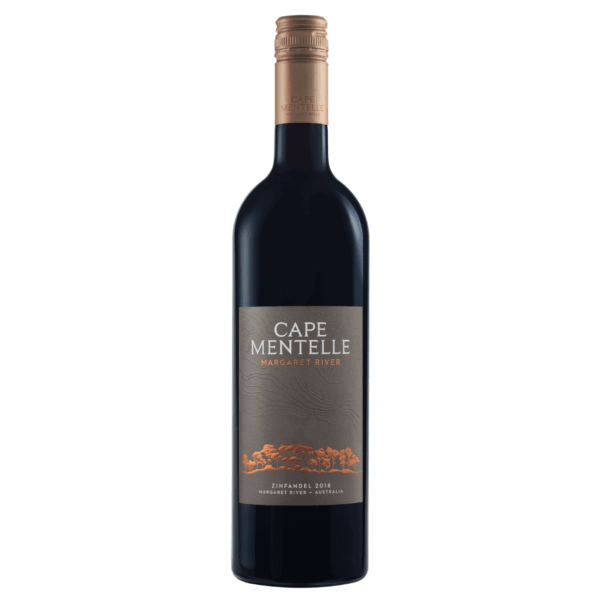
Cape Mentelle Zinfandel
Shipped by
Oatley Fine Wine Merchants
$58.67
/ bottle
$352.00 for a case of 6
 $25.17
/ bottle
$151.00 for a case of 6
$25.17
/ bottle
$151.00 for a case of 6
 $42.00
/ bottle
$252.00 for a case of 6
$42.00
/ bottle
$252.00 for a case of 6
 $31.17
/ bottle
$187.00 for a case of 6
$31.17
/ bottle
$187.00 for a case of 6
 233 pts
 White Wine Worth Cellaring
White wines present a different proposition entirely because they lack the tannin structure that preserves red wines. The absence of tannins means you’re looking for high acidity as the primary preservative element. Riesling exemplifies this principle magnificently: quality dry versions can rest comfortably for ten to twenty years, whilst semi-dry or sweet expressions easily push twenty to thirty years or beyond.
Chardonnay and Semillon also possess enough acidity when picked young or grown in cooler climates to withstand extended cellaring. Expect Chardonnay to develop over three to ten years depending on the producer and style. White Burgundies particularly reward patience, as do fine German Rieslings and dessert wines like Sauternes, which can age gracefully for decades.
Chenin Blanc deserves special mention for its rich aromatic profile, natural acidity, and potential for high residual sugar content. These characteristics combine to create whites that genuinely improve rather than merely survive with age. Most white wines, however, taste better when consumed within two years despite technically lasting longer.
Sparkling Wine and Champagne Aging
Vintage Champagne represents one of the most age-worthy wine categories, though this surprises many drinkers accustomed to treating bubbles as celebratory drinks for immediate consumption. Vintage cuvées and prestige bottlings age considerably better than non-vintage expressions because they’re already matured on their lees for a minimum of three years before release, with reputable houses often extending this to seven or eight years.
Champagne requires the same careful storage conditions as still wine: constant cool temperatures and darkness. After roughly ten years, even well-aged sparkling wine begins losing carbonation and the colour darkens noticeably. Whether this aged character remains enjoyable becomes a matter of personal taste, as the wine transforms dramatically from its youthful fruit-forward expression into something richer and more complex.
Drink Now Wines
The phrase “drink now” signals that a wine has reached its peak and won’t improve with additional aging. This applies to most wines on retail shelves today, particularly fruity, immediately enjoyable styles engineered to shine upon release. Light-bodied whites like Sauvignon Blanc and delicate Pinot Noirs fall squarely into this category.
That said, “drink now” doesn’t mean “drink immediately or it spoils”. These wines typically remain enjoyable for several years past the vintage date, they simply won’t develop additional complexity or improvement. Many consumers actually prefer younger, fruit-forward wines over mature bottles that present more muted fruit and developed earthy or herbal characters.
Reading Bottle Clues for Cellaring Potential
When examining a wine bottle to determine its cellaring potential, start with the vintage year printed on the label. This indicates when grapes were harvested and helps you calculate the wine’s current age. Non-vintage wines are almost universally ready for immediate drinking and unlikely to improve with age.
Look for mentions of barrel fermentation or barrel aging on the label, as oak contact significantly boosts aging potential. The alcohol percentage provides another clue: balanced alcohol levels (neither too high nor too low for the style) suggest better aging prospects. Winemaker’s tasting notes sometimes include cellaring recommendations, though these require careful interpretation.
Ultimately, the most reliable method involves consulting the winery directly or checking detailed tasting notes from established critics. Producers understand their wines’ intended maturity windows better than anyone, and asking the winemaker or wine merchant about optimal drinking windows removes guesswork.
Testing Aging Potential at Home
If you’re genuinely curious whether a particular wine will age well, try the second-day test. Open the bottle, pour a generous glass, and immediately replace the cork without using preservation pumps. Taste the wine initially, making notes about your impressions. Pour another glass a couple hours later, then again the following day.
Most wines fade noticeably by day two, but if yours tastes good or even better than initially, you can generally expect it to age well for many years. This test requires having multiple bottles of the same wine (one to test, others to cellar), but it provides genuine insight into how the wine handles oxygen exposure, which mimics the slow aging process.
Another practical approach involves buying two bottles of anything that interests you: drink one immediately and store the other for a year or two. Compare them when you open the aged bottle, making notes about differences. This builds your personal understanding of how specific wines develop, creating knowledge that serves you far better than generic aging charts.
 Shiraz
 Cabernet Sauvignon
 Pinot Noir
 Grenache
 Merlot
 Red Wine Blends
 Chardonnay
 Riesling
 Pinot Gris
 Semillon
 Viognier
 Grenache Rosé
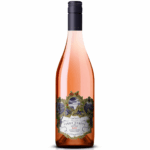 Pinot Noir Rosé
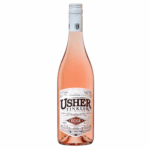 Shiraz Rosé
 Sangiovese Rosé
 Aglianico Rosé
 Clairette Rose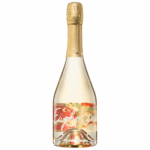
 Champagne
 Prosecco
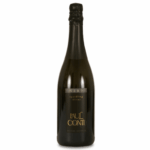 Sparkling Shiraz
 Blanc de Blanc
 Blanc de Noir
 Pet Nat
 Moscato
 Topaque
 Port
Port Sherry (dry & sweet)
 Muscat & Tokay
 Vermouth