 0473 644 098 · Mon–Fri 9am–5pm AESTHelp & FAQ


Stonehaven Reserve Coonawarra Cabernet Sauvignon 2021: Award‑Winning Australian Cabernet from Terra Rossa Heartland

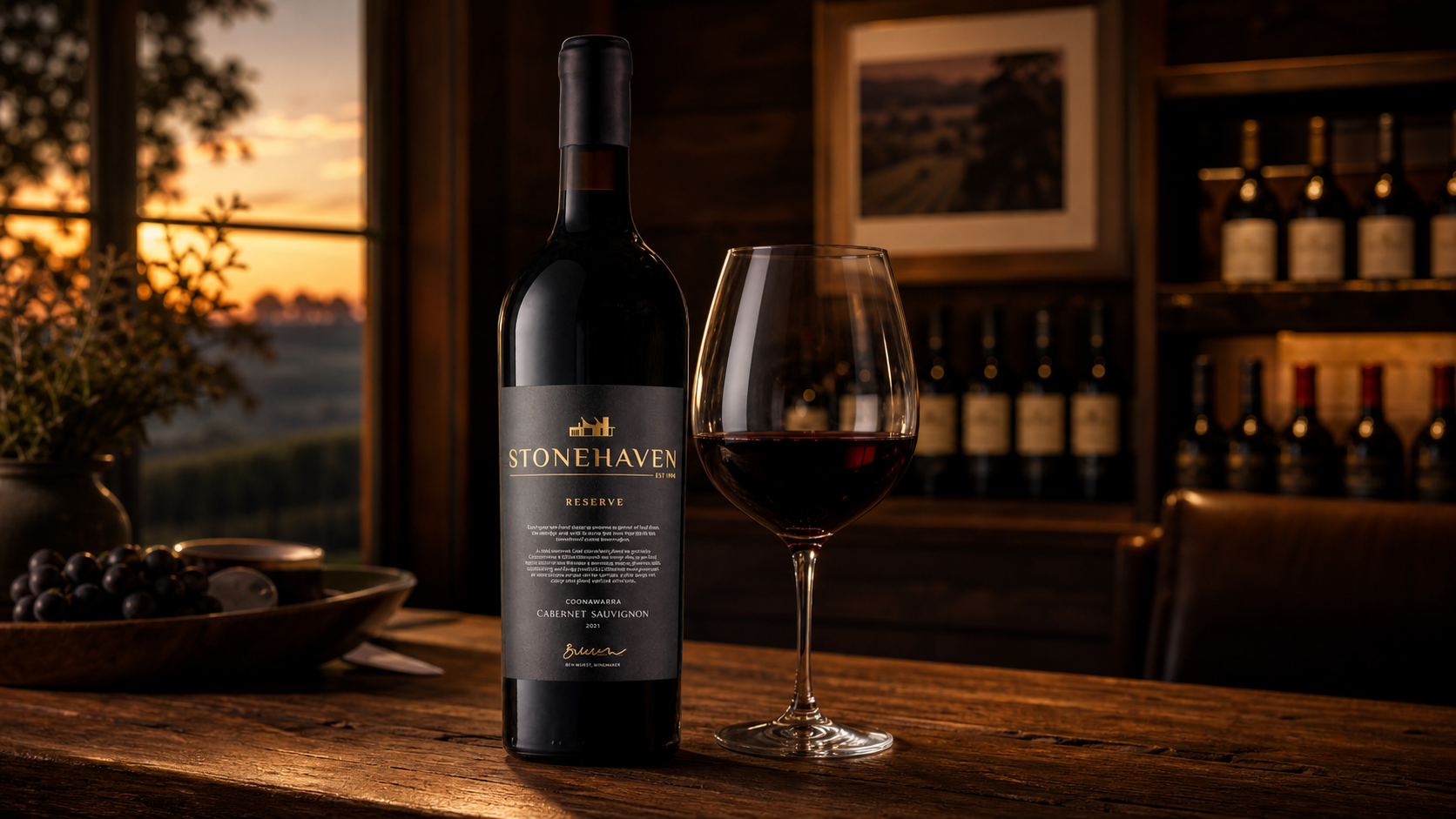
Stonehaven’s 2021 Reserve Cabernet from Coonawarra is exactly the sort of wine that reminds Australian drinkers why this tiny strip of terra rossa soil still commands such respect. Awarded 97 points by James Halliday, it sits firmly in the realm of serious, cellar‑worthy Cabernet rather than just another good value red from the Limestone Coast.
How a classic Coonawarra Cabernet came together
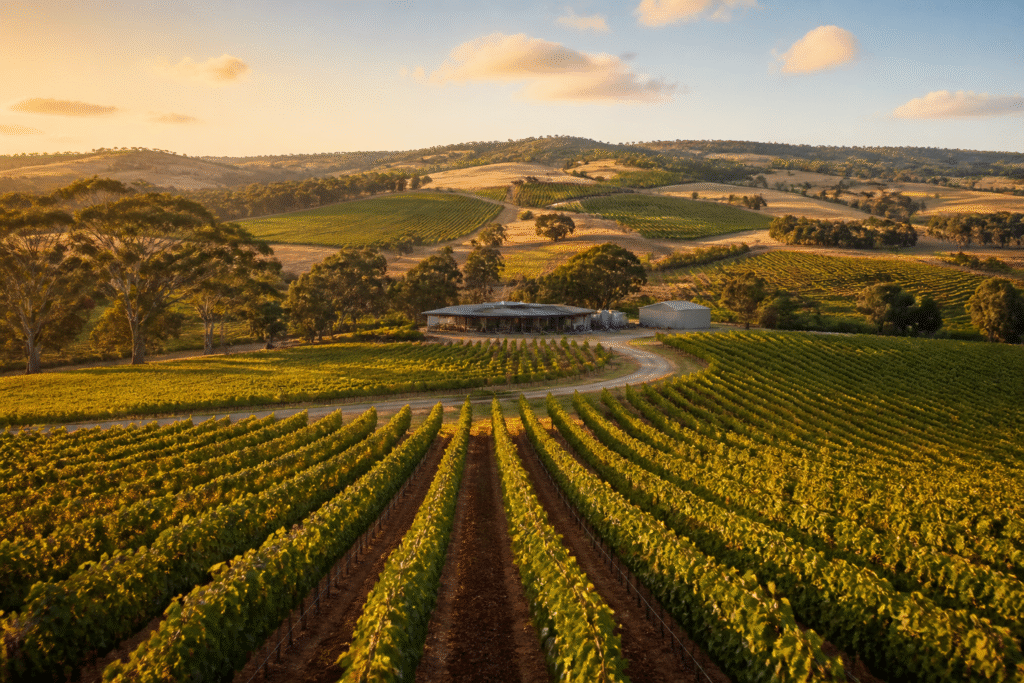
Here is something genuinely fascinating about the 2021 Stonehaven Reserve Cabernet: for all the talk of brand revivals and new blood in historic wineries, the blueprint here is almost stubbornly classical. The fruit is sourced from adjacent rows of 40‑year‑old vines, hand‑pruned to restrain yields to around 5 tonnes per hectare, which already signals an intent to privilege concentration and line over sheer volume. Cold maceration brings colour and perfume without aggressive tannin, and the must is then pressed directly to French oak hogsheads for 18 months, a regime that allows Cabernet’s natural structure to knit with fine‑grained oak rather than sit on top of it.
Descriptions from the producer and retailers are remarkably aligned: the 2021 Stonehaven Reserve Cabernet shows fresh, lively aromatics, with blackberry, dark cherry and spicy, refined oak at the core, carried by a soft yet persistent tannin frame and notably long finish. This is not one of those burly, drying Cabernets that rely on oak showmanship; instead it offers a more slinky, almost satin texture, with tannins that are described as “slinky”, “silky” and “fine” by multiple sources, which is very much in line with top contemporary Coonawarra style.
For readers keen to situate this wine stylistically within the broader landscape, this is absolutely a Cabernet that would sit comfortably in any serious line‑up if one were to explore our big range of Cabernet Sauvignon wines, particularly those that prioritise line, length and classical structure over sheer ripeness.
What James Halliday’s 97 points really signals
James Halliday’s 97‑point score is not a loose compliment; within the Halliday Wine Companion framework, 97 points places a wine amongst the top echelon of its style for the vintage. Halliday described the 2021 Stonehaven Reserve Coonawarra Cabernet Sauvignon as “a seriously good cabernet” from “an excellent vintage,” highlighting its exceptional length, structure and those now‑famous “slinky” tannins that are part fruit, part oak. He also draws attention to the archetypal Cabernet handling in the winery and the careful vineyard work, noting the 40‑year‑old vines, hand pruning, and yield control as fundamental to the final quality.
There is another nuance in Halliday’s commentary: he credits winemaker Ben Wurst’s “skilled vinification” for allowing the wine to “take full advantage of an excellent vintage.” That remark matters because Coonawarra’s 2021 season is widely viewed as a strong one, with long, even ripening and cool nights, but not every producer capitalises on it to the same level. To single this wine out at 97 points implies both that the raw material was superb and that the winemaking decisions were precise rather than formulaic. For Australian readers accustomed to scanning scores quickly, it is worth stressing that 97 points from Halliday is rarefied territory, typically shared with the country’s most established Cabernet and Shiraz benchmarks.
Why Coonawarra still sits in Cabernet’s inner circle
Coonawarra is not a large region; the official GI covers just under 6 000 hectares of vineyards on South Australia’s Limestone Coast, yet its reputation for Cabernet Sauvignon looms far larger than its physical size. The region is defined by its famous terra rossa soils, a narrow, roughly 12‑kilometre strip of reddish‑brown clay rich in iron oxide, overlaying a base of soft, porous limestone with a hard, calcium carbonate “cap” that limits root penetration and encourages vines to work hard in a restricted zone. This soil profile, combined with excellent drainage and slightly alkaline conditions, has long been credited with the distinctive cassis, blackberry, dark cherry and sometimes mint notes that characterise classic Coonawarra Cabernet.
Climatically, Coonawarra sits under a strong maritime influence from the nearby Southern Ocean, with cold winters, cool summer nights, regular cloud cover and long sunshine hours that stretch the ripening window. Grapes here rarely rush to maturity; instead they accumulate flavour and tannin slowly, retaining bright natural acidity, which explains why many Coonawarra Cabernets can age gracefully for decades without losing freshness. Authorities such as Wine Australia describe Coonawarra as “pre‑eminent” in Australia for Cabernet, producing medium to full‑bodied wines that are powerful yet elegant, with firm but plush tannins when handled well. The Stonehaven Reserve expression fits this description almost to the textbook, reinforcing the idea that, at its best, Coonawarra remains one of the world’s key reference points for age‑worthy Cabernet rather than simply a historic curiosity.
Featured Wines
Stonehaven Limited Vineyard Release Padthaway Chardonnay 2025 (6 Bottles) Padthaway, SA
Add to Cart
$50.00
/ bottle
$300.00 for a case of 6
Stonehaven Limited Vineyard Release Wrattonbully Shiraz 2021 (6 Bottles) Wrattonbully, SA
Add to Cart
$50.00
/ bottle
$300.00 for a case of 6
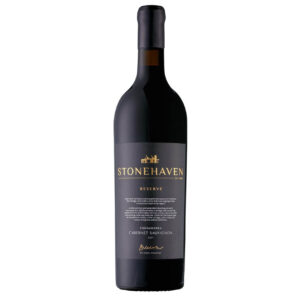
Stonehaven Reserve Coonawarra Cabernet Sauvignon 2021 (6 Bottles) Coonawarra, SA
Add to Cart
$75.00
/ bottle
$450.00 for a case of 6

Stonehaven Stepping Stone Riesling 2025 (12 Bottles) Limestone Coast, SA
Add to Cart
$22.00
/ bottle
$264.00 for a case of 12
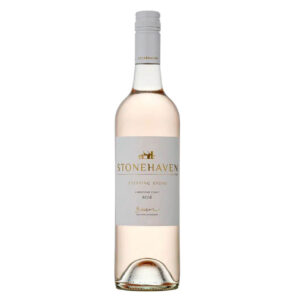
Stonehaven Stepping Stone Rosé 2025 (12 Bottles) Limestone Coast, SA
Add to Cart
$22.00
/ bottle
$264.00 for a case of 12
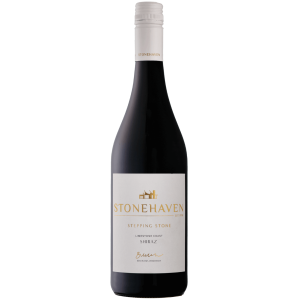
Stonehaven Stepping Stone Shiraz 2024 (12 Bottles) Limestone Coast, SA
Add to Cart
$22.00
/ bottle
$264.00 for a case of 12
Inside the glass: how the 2021 Reserve actually behaves
In sensory terms, the 2021 Stonehaven Reserve Coonawarra Cabernet Sauvignon sits at that attractive intersection of approachability and serious structure. Retailer and producer descriptions converge on a core of ripe blackberry and dark cherry fruit, layered with notes of spice and refined French oak, expressed more as cedar and subtle toast rather than overt vanilla or char. The palate is repeatedly described as fresh, lively and supple, with fine tannins that carry the flavour profile across an impressively long line, rather than delivering a short, sweet hit.
Several sources also note the wine’s balance between generosity and line; there is no sense of over‑extraction or heaviness despite the 14.5% alcohol, which is within the modern norm for serious Australian Cabernet. This balance is exactly what allows the wine to perform double duty as both a current‑drinking pleasure with richly flavoured dishes and as a cellar candidate. Halliday gives it a drinking window out to 2045, which places it in the same longevity conversation as many of Australia’s revered Cabernets from regions such as Margaret River and Yarra Valley. For drinkers building verticals or themed tastings, this is the sort of bottle that will reward side‑by‑side comparison with other serious Australian Cabernet as they shop Australian Cabernet Sauvignon red wine and think in terms of structure and ageing curves rather than just immediate flavour.
Stonehaven’s role in the modern Coonawarra story
Stonehaven sits within CW Wines and has been quietly rebuilding its reputation in recent years, focusing strongly on regional expressions from South Australia and the Limestone Coast. The Reserve tier, from which this Cabernet comes, is conceived as a sort of flagship expression, drawing on older vines and more intensive vineyard work to showcase the depth that Coonawarra can deliver when yields are actively controlled. In the context of a crowded market, the 2021 Reserve Cabernet’s cluster of critical acclaim is striking: alongside Halliday’s 97 points, Sam Kim has reportedly awarded 96 points and Ray Jordan 95 points, and the wine has collected gold medals, including at events highlighting Coonawarra’s terra rossa pedigree.
The stylistic intent mirrors the broader direction of serious Limestone Coast reds: clarity of fruit, savoury line, and tannins that feel architectural rather than simply grippy. Descriptions of the 2021 Reserve emphasise not just flavour but composure; “length” and “structure” come up repeatedly, which suggests a wine designed to sit comfortably at the table with decanting, careful temperature and food rather than as a casual weeknight pour. This is not party wine. This is wine demanding respect and consideration, particularly for drinkers who regularly buy Cabernet Sauvignon online in Australia and want bottles that stand up in serious company, not just at the barbecue.
Terroir, technique and what it means in the glass
The interplay between Coonawarra’s terroir and Stonehaven’s chosen techniques explains why this particular wine has resonated so strongly with critics. The combination of 40‑year‑old vines and low yields naturally delivers smaller berries and higher skin‑to‑juice ratios, which in turn produce denser flavour and more refined tannin shapes when handled carefully. Cold maceration before fermentation helps draw out colour and aromatic compounds at relatively low temperatures, avoiding harsh phenolics, and pressing to French hogsheads rather than larger vats gives the wine a more intimate relationship with oak, encouraging micro‑oxygenation and texture building over the 18‑month maturation.
Overlay this on Coonawarra’s cool nights, lengthy ripening window and terra rossa soils, and the result is a Cabernet that captures ripe, dark fruit without sacrificing line or freshness, with acidity that keeps the wine moving even as tannins build through the finish. In other words, it is a wine where the textbook theory of terroir and technique actually shows up clearly in the glass. For serious Australian drinkers who regularly buy Australian Cabernet Sauvignon online today, this is precisely the sort of bottle that can act as a reference point when comparing regions, vintages and winemaking approaches, because the underlying logic of site and handling is so transparent.
Where this wine sits for Australian Cabernet drinkers
From an Australian market perspective, the 2021 Stonehaven Reserve Coonawarra Cabernet Sauvignon occupies an intriguing position. It brings the classical credentials that long‑time drinkers expect from Coonawarra: old vines, terra rossa, maritime climate, and the structural architecture to reward long cellaring. At the same time, the textural language used by critics and retailers, with its emphasis on “slinky”, “silky” tannins and “supple structure”, suggests a wine that will not shut down brutally in its youth provided it is treated with a bit of care in the glass.
For collectors, that makes it a compelling candidate for mixed Coonawarra or Australian Cabernet selections, especially in a vintage that has proved so favourable to the region. For those less interested in cellaring but serious about what they open at the dinner table, the message is relatively clear: decant, pair with richly flavoured meat or aged hard cheese, and allow the wine’s length and build to unfold gradually. It is exactly the sort of bottle that rewards readers who regularly browse our Cabernet Sauvignon red wine range not just by label or score, but by looking for the deeper story of place, vine age, and intent behind the winemaking.





 Shiraz
 Cabernet Sauvignon
 Pinot Noir
 Grenache
 Merlot
 Red Wine Blends
 Chardonnay
 Riesling
 Pinot Gris
 Semillon
 Viognier
 Grenache Rosé
 Pinot Noir Rosé
 Shiraz Rosé
 Sangiovese Rosé
 Aglianico Rosé
 Clairette Rose
 Champagne
 Prosecco
 Sparkling Shiraz
 Blanc de Blanc
 Blanc de Noir
 Pet Nat
 Moscato
 Topaque
 Port
Port Sherry (dry & sweet)
 Muscat & Tokay
 Vermouth