 0473 644 098 · Mon–Fri 9am–5pm AESTHelp & FAQ


When Everything Aligns – Why the Swan Valley’s 2026 Vintage Might Be Exceptional

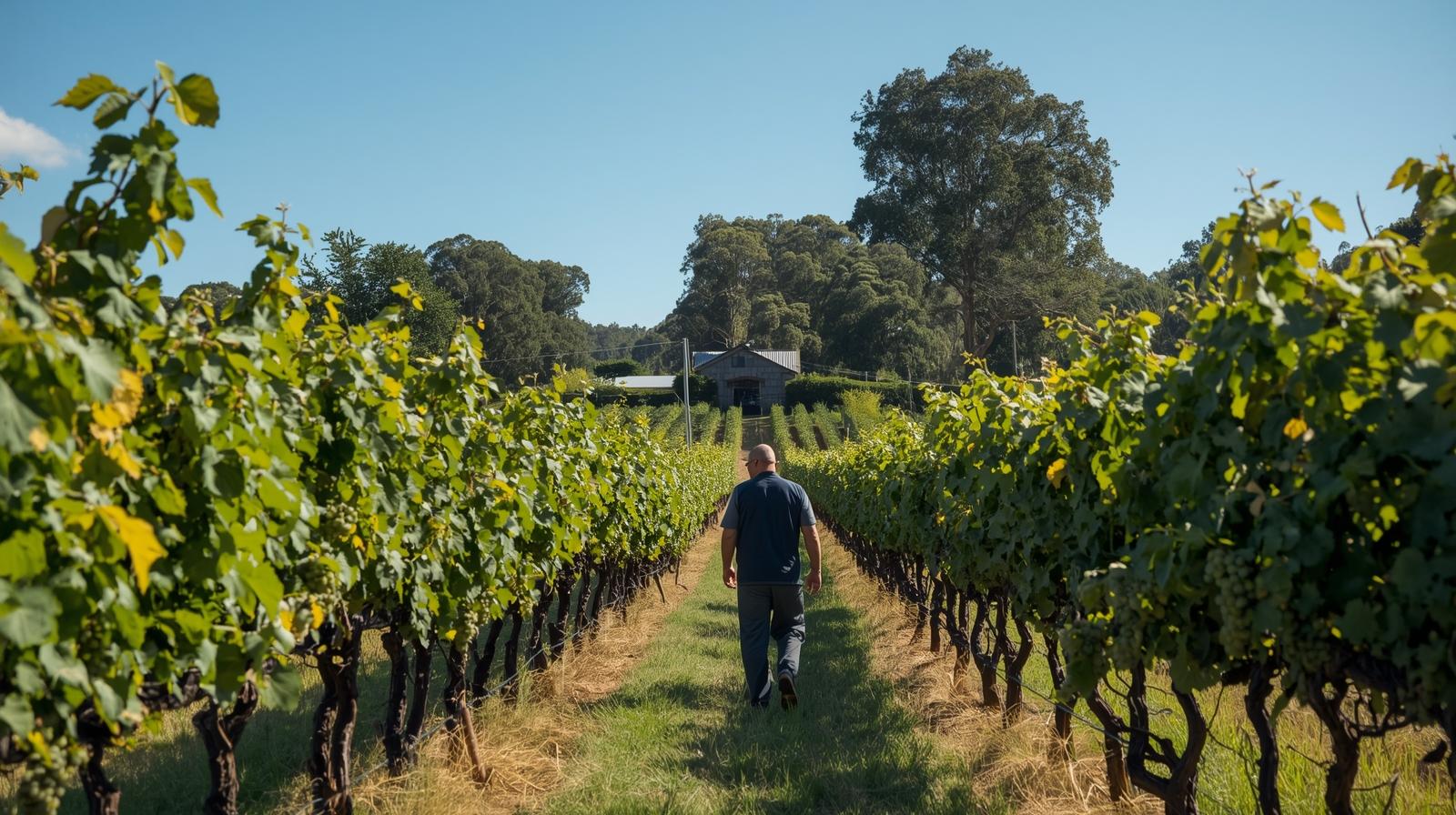
The Swan Valley rarely experiences perfect conditions. This hot, dry wine region north of Perth functions as Western Australia’s oldest viticultural area, established in the 1820s, but its Mediterranean climate swings violently. Some vintages see grapes ripening too quickly, forcing harvest by Boxing Day before flavour development completes. Other years bring unseasonal rain at the worst possible moment, diluting sugars and threatening rot. Yet the 2026 vintage, still weeks from harvest, already looks different.
“This will go down as being probably one of Swan Valley’s best vintages, I can be quoted on that,” declares Peter Garbin, owner and winemaker at Garbin Estate Wines, a family operation established in 1956. This isn’t casual optimism. Garbin has witnessed nearly 50 harvests across decades of work alongside his father Duje, who planted the original vineyard after emigrating from Croatia. When a winemaker with that history makes categorical statements about vintage quality before a single grape reaches the crusher, the claim deserves attention.
The conditions creating this optimism are straightforward. Since Christmas, the region has seen minimal rainfall. Hot temperatures have persisted without becoming excessive. The grapes are ripening steadily rather than racing toward sugar accumulation, allowing phenolic development and acid retention to proceed at the measured pace that defines quality fruit.
The Timing Question: Why Slow Ripening Matters
“Since Christmas, I haven’t seen rain of any consequence,” Garbin explains, describing the dry spell that has defined the past several weeks. For the Swan Valley, where summer rainfall can disrupt ripening and dilute flavour concentration, this absence of precipitation represents ideal conditions. “Colour is coming into the Shiraz and Cabernet and the sparkling bases are starting to get sweetness. Maybe another 10 to 15 days and the first sparklings might start coming in.”
This timeline matters. The first grapes harvested in any region are typically those destined for sparkling wine production, picked early to maintain high acidity and lower sugar levels before undergoing secondary fermentation. These “sparkling bases” require grapes with specific characteristics: enough ripeness to provide flavour, but sufficient acidity to prevent the finished wine from tasting flabby. Getting this balance correct depends entirely on timing, and timing depends on weather.
Following the sparkling harvest, attention shifts to white varieties. Chenin Blanc and Verdelho, the flagship white grapes of the Swan Valley, could be ready for harvest by the end of January. These varieties thrive in the region’s warm, dry climate, producing wines with characteristic tropical fruit and crisp acidity when conditions align properly.
Red varieties follow, with Sangiovese, Cabernet Sauvignon, and Merlot ripening through late January and into February. “They’re the flagship styles of the Swan Valley,” Garbin notes. “They work well in this area because we have a dry, warming climate.” The absence of rain during ripening allows these varieties to develop concentrated flavours and balanced tannins without the dilution or disease pressure that moisture brings.
The key distinction separating 2026 from problematic recent vintages involves the pace of ripening. “Two years ago some wineries were harvesting on Boxing Day and that’s not what you want,” Garbin explains. Early December harvests signal that heat has forced grapes to accumulate sugar faster than they can develop flavour compounds, aromatics, and tannin structure. The resulting wines taste hollow despite high alcohol levels, the fruit character thin despite technical ripeness.
This year’s slower trajectory allows everything to develop in proper sequence. Sugars accumulate gradually. Acids decline at a measured rate. Tannins soften and integrate. Flavour precursors transform into the compounds that create varietal character. When all these processes occur simultaneously rather than sugar rushing ahead of everything else, the potential for exceptional wine increases dramatically.


 $42.00
/ bottle
$252.00 for a case of 6
$42.00
/ bottle
$252.00 for a case of 6
 $31.17
/ bottle
$187.00 for a case of 6
$31.17
/ bottle
$187.00 for a case of 6
 $46.75
/ bottle
$561.00 for a case of 12
$46.75
/ bottle
$561.00 for a case of 12
Smallwater Estate Shiraz
Shipped by
Smallwater Estate, Geographe Wine Region
$46.75
/ bottle
$561.00 for a case of 12
 $17.42
/ bottle
$209.00 for a case of 12
$17.42
/ bottle
$209.00 for a case of 12
Killibinbin Sneaky Shiraz
Shipped by
Oatley Fine Wine Merchants
$17.42
/ bottle
$209.00 for a case of 12
 Hot
Hot
 $150.00
/ bottle
$900.00 for a case of 6
$87
off RRP
-36% Hot
$150.00
/ bottle
$900.00 for a case of 6
$87
off RRP
-36% Hot
 $40.00
$25.50
/ bottle
$153.00 for a case of 6
$40.00
$25.50
/ bottle
$153.00 for a case of 6
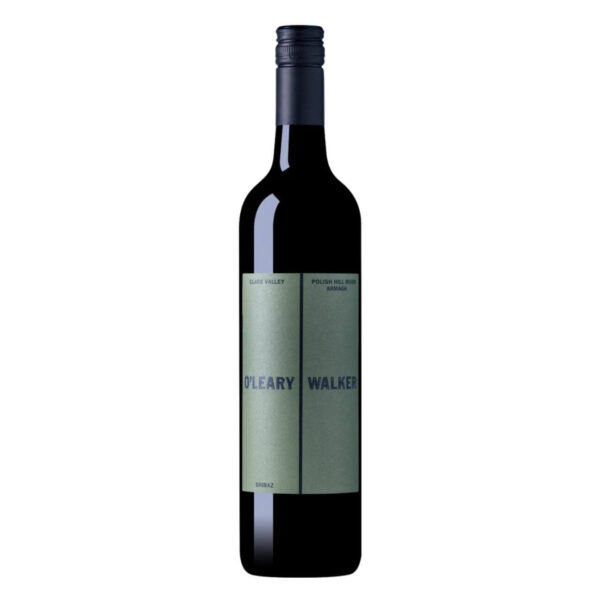
O'Leary Walker Clare Valley Shiraz
Shipped by
Wines By Cellars
$40.00
$25.50
/ bottle
$153.00 for a case of 6

 $30.17
/ bottle
$181.00 for a case of 6
$30.17
/ bottle
$181.00 for a case of 6
 $17.00
/ bottle
$102.00 for a case of 6
$17.00
/ bottle
$102.00 for a case of 6
 $22.50
/ bottle
$135.00 for a case of 6
$22.50
/ bottle
$135.00 for a case of 6
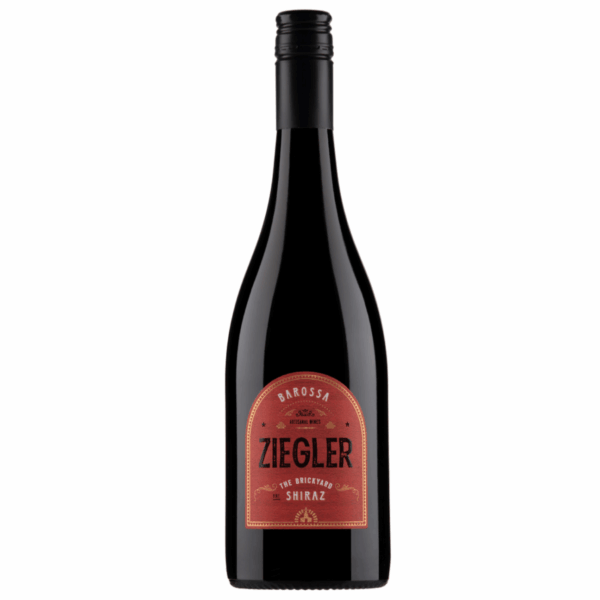
Ziegler The Brickyard Shiraz
Shipped by
Oatley Fine Wine Merchants
$22.50
/ bottle
$135.00 for a case of 6
 $74.00
/ bottle
$222.00 for a case of 3
$74.00
/ bottle
$222.00 for a case of 3
 $25.50
/ bottle
$153.00 for a case of 6
$25.50
/ bottle
$153.00 for a case of 6
Pikes 'Los Compañeros' Shiraz Tempranillo
Shipped by
Oatley Fine Wine Merchants
$25.50
/ bottle
$153.00 for a case of 6
 $30.67
/ bottle
$184.00 for a case of 6
$30.67
/ bottle
$184.00 for a case of 6
 252 pts
 The Gingin Factor: How Additional Vineyard Sites Extend Possibilities
Garbin Estate operates vineyards in two locations: the original Swan Valley site and a newer property in Gingin, approximately 80 kilometres north. This geographic diversification allows the winery to produce varieties that struggle in the Swan Valley’s heat. Semillon and Shiraz, including a New Zealand clone that Garbin has been nurturing, benefit from Gingin’s slightly cooler conditions and different soil profile.
“You need about five years for a vine to mature and produce good fruit,” Garbin notes, referring to the Gingin vineyard’s development timeline. “I’m finding now with that variety, it’s really paying back in terms of investment.” This observation reflects a fundamental reality of viticulture: newly planted vines produce fruit, but the quality doesn’t stabilise until the vine’s root system establishes itself fully and the plant achieves balance between vigour and crop load. Young vines tend toward excessive vigour, producing too much leaf growth and too little concentrated fruit. As they mature, this balance shifts, and the fruit begins expressing the characteristics that make specific sites distinctive.
The New Zealand Shiraz clone represents a particular gamble. Clonal selection, the process of choosing specific genetic variants within a grape variety, can dramatically affect wine character. Different Shiraz clones produce wines with different flavour profiles, different tannin structures, different responses to heat and drought. Selecting clones appropriate for a specific site requires both research and patience, waiting years to discover whether the choice was correct. Garbin’s satisfaction with this clone’s performance suggests the investment has succeeded.
The Waiting Game: What Happens Between Now and Harvest
As harvest approaches, the work intensifies even as the physical labour diminishes. “Everyone’s finished spraying and doing their tests,” Garbin explains. “Now it’s just a waiting game.”
The spraying he references involves protective applications against fungal diseases and pests, work that must cease weeks before harvest to comply with withholding periods mandated by chemical residue regulations. The tests involve regular sampling of grapes to monitor sugar accumulation, acid levels, and pH. These metrics guide harvest timing decisions, allowing winemakers to determine when fruit has reached optimal ripeness for their desired wine style.
This final waiting period requires vigilance rather than intervention. Weather can still disrupt everything. Unexpected rain could dilute sugars or introduce disease pressure. Extreme heat could push ripening too quickly, forcing early harvest before phenolic development completes. Wind could damage fruit physically. Each day that passes without incident represents another step toward the exceptional vintage Garbin anticipates.
The broader context makes this optimism particularly significant. Western Australian wine regions, including the Swan Valley, have experienced challenging vintages in recent years. The 2024 harvest, by contrast with 2026’s promise, saw some producers describing conditions as the worst in years, with January temperatures in the Swan Valley reaching eight consecutive days above 38 degrees Celsius followed by problematic February conditions. When heat becomes excessive, grapes shut down physiologically, ceasing ripening activity entirely until temperatures moderate. This stop-start ripening pattern creates uneven development and compromises quality.
The 2026 vintage, assuming weather remains stable through harvest, offers redemption. The steady conditions allow winemakers to harvest each variety at optimal ripeness rather than making compromised decisions forced by weather threats. This flexibility translates directly into wine quality.
What Exceptional Vintages Actually Mean
Vintage declarations carry weight only when understood in context. An exceptional vintage doesn’t guarantee exceptional wine from every producer. Poor viticulture, careless winemaking, or inadequate cellar hygiene can ruin fruit from even the finest growing season. But exceptional vintages do elevate the ceiling. They allow talented winemakers working with quality fruit to produce wines that transcend their typical range.
For the Swan Valley, a region often overshadowed by Western Australia’s cooler Margaret River and Great Southern zones, an exceptional vintage validates the area’s continued relevance. The Swan Valley faces challenges. Urban expansion encroaches on vineyard land. The warm climate limits the varieties that succeed commercially. Consumer preferences have shifted toward cooler-climate wines with lower alcohol and brighter acidity. Yet the region persists, anchored by family operations like Garbin Estate that understand how to work with the climate rather than against it.
When Garbin declares 2026 potentially one of the Swan Valley’s best vintages, he’s not merely promoting his own wine. He’s identifying conditions that benefit the entire region, conditions that allow the varieties that thrive here (Chenin Blanc, Verdelho, Shiraz, Cabernet) to express themselves with unusual clarity and balance. These are the vintages that remind drinkers why the Swan Valley mattered in the first place, why it continues to matter despite competition from flashier regions with more marketing muscle.
The grapes aren’t harvested yet. The wines don’t exist yet. But the raw material, the fruit still hanging on vines ripening slowly under hot Western Australian sun, already carries the potential for something memorable. Whether that potential translates into exceptional wine depends on decisions made in coming weeks: when to harvest, how to ferment, when to press, how to age. But those decisions become dramatically easier when the fruit arrives at the winery in optimal condition, balanced and concentrated, reflecting a vintage where everything aligned precisely as it should.
 Shiraz
 Cabernet Sauvignon
 Pinot Noir
 Grenache
 Merlot
 Red Wine Blends
 Chardonnay
 Riesling
 Pinot Gris
 Semillon
 Viognier
 Grenache Rosé
 Pinot Noir Rosé
 Shiraz Rosé
 Sangiovese Rosé
 Aglianico Rosé
 Clairette Rose
 Champagne
 Prosecco
 Sparkling Shiraz
 Blanc de Blanc
 Blanc de Noir
 Pet Nat
 Moscato
 Topaque
 Port
Port Sherry (dry & sweet)
 Muscat & Tokay
 Vermouth