 0473 644 098 · Mon–Fri 9am–5pm AESTHelp & FAQ


Pinot Gris Flavour – The Wine That Refuses Simple Definition

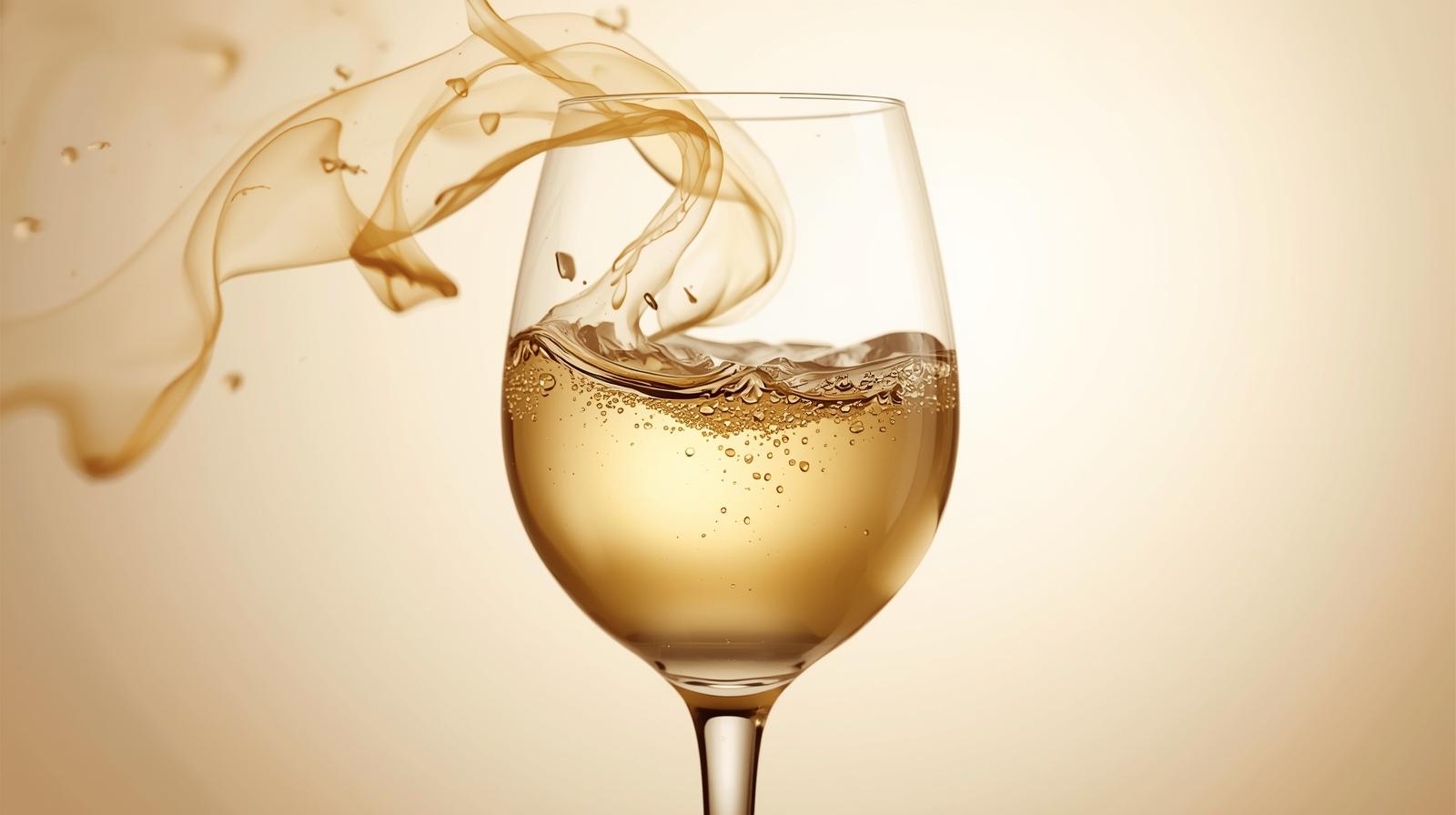
Pinot Gris occupies peculiar position in white wine geography. The variety arrives at different destinations already dramatically transformed by climate, soil and winemaking philosophy. Yet discussions inevitably compare rather than celebrate Pinot Gris on its own merits. Understanding this grape requires abandoning the constant need for comparative framework, instead exploring what Pinot Gris actually expresses when winemakers commit to the variety with genuine intention.
The fundamental challenge lies in Pinot Gris’ remarkable transparency to terroir. Few white varieties demonstrate such dramatic variation based purely on growing conditions and production choices. This characteristic represents genuine quality rather than liability. When producers handle Pinot Gris properly, the grape delivers wines of remarkable distinction reflecting precisely where they’re grown, how the fruit ripens and what winemakers prioritise during production.
Exploring Pinot Gris flavour requires moving beyond superficial assumptions about what the grape should taste like, instead celebrating how genuinely different expressions create distinct experiences despite sharing identical genetics.
The Cool-Climate Expression: Clarity and Precision
In cooler growing regions, Pinot Gris achieves pale gold colour and displays remarkable aromatic lift. Green apple and pear aromatics dominate, supported by floral character including honeysuckle and white flowers. Citrus notes including lemon and lime emerge alongside mineral undertones suggesting terroir influence. These aromatics signal young wine at peak freshness where every element remains vibrant and distinct.
The palate confirms the aromatic promise through crisp acidity, light to medium body and clean fruit character. Flint and chalk minerality provides textural complexity preventing the wine from becoming one-dimensional fruit delivery. The finish reveals characteristic almond notes particularly in quality expressions, offering subtle complexity that builds rather than decays.
These cool-climate Pinot Gris wines display remarkable food-pairing versatility. The bright acidity suits seafood preparations, light vegetable dishes and fresh cheese. The wine’s uncomplicated directness functions beautifully as aperitif or casual dinner wine without requiring specific food pairing deliberation. The acidity cleanses between bites during meals featuring rich preparations, working harder than most white wines to support varied table situations.
The character emphasises freshness, clarity and immediate drinkability. These wines rarely improve significantly with bottle age. They arrive at peak expression within months of release and maintain that quality for extended periods without developing additional complexity. The directness represents intention rather than limitation, reflecting producer commitment to letting fruit and terroir speak without intervention.
The Warmer-Climate Expression: Richness and Texture
In warmer regions, Pinot Gris achieves deeper colour ranging from pale gold through bronze depending on harvest decisions and age. The aromatics emphasise ripe stone fruit including peach, apricot and pear. Honeyed notes emerge alongside subtle spice including clove, cinnamon and ginger. Floral elements particularly including rose petal appear in many expressions. The nose signals something altogether richer than cool-climate examples.
The palate reveals significant body and textural richness unavailable in cooler counterparts. Acidity remains present but functions as supporting element rather than dominant structural feature. Many warmer-climate Pinot Gris examples display residual sweetness, ranging from subtle barely-perceptible levels through decidedly sweet late-harvest renditions. The wines finish with lingering honey, nuts and spice rather than bright citrus dominating the palate.
These richer expressions demand contemplation rather than casual consumption. The wines benefit from proper glassware allowing aromatics to develop fully. The textural complexity rewards attention, revealing layers that emerge over extended tasting rather than presenting all character immediately.
Steven Spurrier, legendary British wine critic and founder of Christie’s wine education programme, captures textured white wine appeal: “When wines display richness alongside precision, when they combine ripe fruit with underlying structure, they demonstrate what happens when serious winemakers commit to quality above convenience.”
Richer Pinot Gris improves with bottle age more reliably than cool-climate counterparts. The wines develop additional complexity as flavours integrate and tertiary notes emerge. Ten-year-old Pinot Gris can display honey, nuts and oxidative characteristics adding complexity beyond initial fruit expression.
How Winemaking Philosophy Shapes Character
Skin contact duration creates dramatic impact on colour and flavour intensity. Minimal skin contact creates pale colour with green fruit emphasis. Extended skin contact creates deeper colour and additional complexity. This decision reflects producer philosophy about what constitutes quality in Pinot Gris.
Fermentation vessel selection creates textural distinction. Stainless steel fermentation emphasises pure fruit without additional complexity. Oak-aged Pinot Gris displays roasted nut, vanilla and spice alongside fruit character. Lees contact creates richness and texture particularly noticeable in quality expressions where dead yeast cells contribute aromatic compounds and mouthfeel.
Residual sugar dramatically impacts perception and food compatibility. Dry Pinot Gris emphasises acidity and mineral structure, creating crisp palates suitable for aperitif service. Off-dry examples emphasise fruit and create fuller mouthfeel appropriate for richer dishes. Sweet late-harvest Pinot Gris creates dessert wine character with concentrated sweetness dominating structure.
Harvest timing represents perhaps the most significant producer decision. Early harvest creates lighter-coloured wines emphasising citrus and green fruit with pronounced acidity. Late harvest creates deeper colour and riper fruit character with lower acidity and occasionally residual sweetness.
 $34.00
/ bottle
$204.00 for a case of 6
$34.00
/ bottle
$204.00 for a case of 6
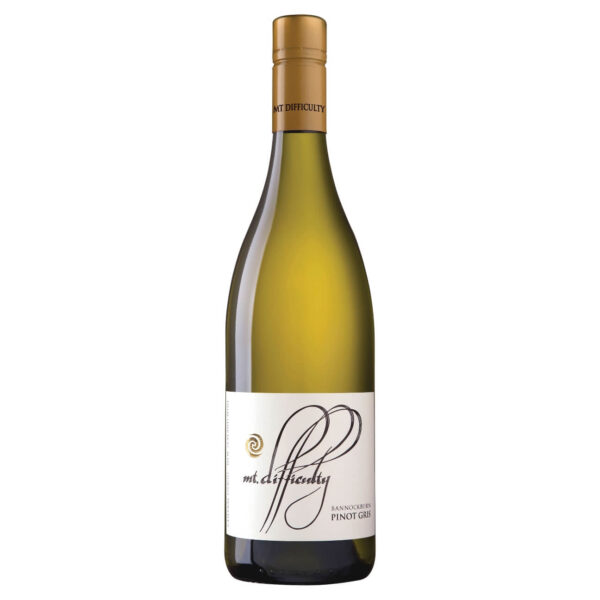
Mt Difficulty Bannockburn Pinot Gris /25
Shipped by
Wines Australia
$34.00
/ bottle
$204.00 for a case of 6
 $37.00
/ bottle
$444.00 for a case of 12
$37.00
/ bottle
$444.00 for a case of 12
Nashdale Lane Wines Colour Series Pinot Gris
Shipped by
Wine Cellars
$37.00
/ bottle
$444.00 for a case of 12
 $22.33
/ bottle
$268.00 for a case of 12
$22.33
/ bottle
$268.00 for a case of 12
 $21.67
/ bottle
$260.00 for a case of 12
$21.67
/ bottle
$260.00 for a case of 12
 $24.58
/ bottle
$295.00 for a case of 12
$24.58
/ bottle
$295.00 for a case of 12
 $25.00
/ bottle
$300.00 for a case of 12
$25.00
/ bottle
$300.00 for a case of 12
 $28.00
/ bottle
$168.00 for a case of 6
$28.00
/ bottle
$168.00 for a case of 6

 $28.50
/ bottle
$171.00 for a case of 6
$28.50
/ bottle
$171.00 for a case of 6
 $35.33
/ bottle
$212.00 for a case of 6
$35.33
/ bottle
$212.00 for a case of 6
 204 pts
 Understanding Pinot Gris Across Geographic Expression
Alsatian Pinot Gris represents perhaps the variety’s most celebrated expression. The region’s winemakers treat the variety as serious contender for complex white wines rivaling Riesling. Serious Alsatian producers create wines emphasising ripe stone fruit, honey and subtle spice. Many Alsatian producers offer dry, off-dry and sweet expressions from identical vineyards, allowing consumers to select preferred sweetness level.
Oregon Pinot Gris from America’s west coast displays moderate climate influence creating pear, melon and stone fruit alongside underlying minerality. Many Oregon producers intentionally pursue textural complexity through controlled production decisions, creating wines of genuine sophistication. The region demonstrates that serious Pinot Gris production succeeds beyond Europe.
New Zealand Pinot Gris typically emphasises bright acidity and floral character. The country’s cool climate creates crisp, precise expressions displaying green fruit and citrus. These wines demonstrate New Zealand’s capacity for producing complex white wines beyond Sauvignon Blanc’s shadow.
Australian Pinot Gris from cooler regions including Adelaide Hills and Margaret River displays bright citrus, green apple and mineral character. The wines typically emphasise precision and clarity. However, certain Australian producers increasingly pursue textural complexity through extended winemaking contact.
Oz Clarke, British television wine presenter and wine author, describes Alsatian Pinot Gris’ appeal: “Alsatian Pinot Gris represents one of the world’s great textured white wines. The ripe fruit, subtle spice and overall richness create complexity that rewards contemplation.”
The Universal Characteristics That Define Pinot Gris
Despite regional variation, certain flavours appear across all quality Pinot Gris expressions. Green apple and pear represent the most universal Pinot Gris characteristics, appearing across regions and styles. These baseline fruits provide immediate recognition regardless of production philosophy or growing conditions.
Floral character including honeysuckle, white flowers, rose petal and lilac appears in quality expressions across the spectrum. This aromatic lift distinguishes Pinot Gris from heavier white varieties, creating immediate appeal and complexity.
Mineral character including chalk, wet stone and sometimes saline notes provides textural complexity. The minerality proves particularly pronounced in cool-climate expressions and quality bottles. This element transforms the wine from simple fruit delivery into something suggesting terroir and place.
Almond notes appearing on the finish represent another consistent characteristic particularly in quality expressions. This subtle element adds sophistication and complexity that builds rather than overwhelms.
Body, Acidity and Overall Structure
Body ranges dramatically from lightweight in cool-climate expressions through medium-weight in moderate conditions to full in warmest examples. The variation reflects harvest ripeness, winemaking decisions and regional climate patterns. Light-bodied Pinot Gris creates aperitif wines and pairs with delicate preparations. Fuller-bodied expressions accompany richer dishes and function as serious dinner wines.
Acidity provides essential structuring element across all Pinot Gris expressions. Cool-climate examples emphasise acidity as primary structural component creating crisp, refreshing character. Warmer examples contain acidity but emphasise fruit and texture over acidic backbone. Quality Pinot Gris maintains sufficient acidity regardless of style ensuring wines never collapse into flabbiness or heaviness.
Texture represents perhaps Pinot Gris’ most distinctive characteristic. The variety possesses natural silkiness and refinement absent from many white wines. This textural quality appears across all styles though more pronounced in examples with extended lees contact or skin contact during fermentation.
Why Pinot Gris Remains Genuinely Complex
The fundamental reality lies in Pinot Gris’ remarkable transparency to terroir and winemaking decision. This characteristic represents genuine quality rather than liability. The grape essentially vanishes into its surroundings, absorbing and expressing environmental factors more completely than almost any other white variety.
This transparency creates challenge for consumers attempting to establish baseline flavour expectations. Pinot Gris refuses categorisation into tidy flavour profiles. The variety demonstrates that wine character emerges from complex interaction between grape genetics, environmental factors and winemaking philosophy rather than from grape name alone.
Understanding Pinot Gris ultimately requires abandoning search for universal descriptor applying across all expressions. The grape delivers complexity and variation rather than consistency. This diversity represents strength offering exploration opportunities rewarding those willing to venture beyond superficial assumptions.
Practical Framework for Encountering Pinot Gris
Cool-climate examples from northern regions display crisp, citrusy character with green apple, pear and floral notes. Expect refreshing acidity and light-medium body. These wines arrive at peak expression immediately and suit everyday drinking or aperitif service.
Moderate-climate examples display balanced character combining cool-climate freshness with warmer-climate richness. Stone fruit emerges alongside citrus. Acidity remains prominent but fruit gains substance. These wines demonstrate Pinot Gris’ remarkable range and adaptability.
Warm-climate examples display riper stone fruit, honey and spice. Expect fuller body, lower acidity and possibly residual sweetness. These wines reward contemplation and improve with bottle age.
Late-harvest Pinot Gris from any region displays concentrated sweetness, honey character and reduced acidity. These dessert-style expressions require different framework for evaluation reflecting their distinct purpose.
Anthony Galloni, founder of Vinous and renowned wine critic, observes that “Pinot Gris demonstrates that grape variety alone tells insufficient story about wine character. Understanding requires considering terroir, vintage conditions and producer philosophy with equal weight.”
When To Drink Pinot Gris and With What
Cool-climate Pinot Gris works beautifully as aperitif, seafood pairing or casual dinner wine. The brightness suits lighter preparations without overwhelming delicate flavours. Acidity refreshes between courses.
Moderate-climate Pinot Gris demonstrates versatility across various dishes. Stone fruit character complements white meat preparations. The balanced structure suits richer preparations without collapsing into insubstantiality.
Warm-climate Pinot Gris pairs magnificently with richer preparations including creamy sauces, aged cheese and complex dishes. The texture and sweetness handle bold flavours.
Late-harvest Pinot Gris functions as dessert wine or pairs with blue cheese, caramel preparations or chocolate-based dishes.
Exploring Pinot Gris flavour ultimately reveals why the variety commands respect globally. The grape’s transparency to terroir creates wines expressing place and winemaking philosophy with remarkable clarity. Whether displaying cool-climate precision, moderate-climate balance or warm-climate richness, genuine Pinot Gris demonstrates what happens when serious producers commit to quality expression rather than convenient commodity production. The remarkable range itself represents the wine’s greatest strength.
 Shiraz
 Cabernet Sauvignon
 Pinot Noir
 Grenache
 Merlot
 Red Wine Blends
 Chardonnay
 Riesling
 Pinot Gris
 Semillon
 Viognier
 Grenache Rosé
 Pinot Noir Rosé
 Shiraz Rosé
 Sangiovese Rosé
 Aglianico Rosé
 Clairette Rose
 Champagne
 Prosecco
 Sparkling Shiraz
 Blanc de Blanc
 Blanc de Noir
 Pet Nat
 Moscato
 Topaque
 Port
Port Sherry (dry & sweet)
 Muscat & Tokay
 Vermouth