 0473 644 098 · Mon–Fri 9am–5pm AESTHelp & FAQ


Méthode Champenoise and Méthode Traditionnelle – When Champagne Lost Its Legal Monopoly


Wine law contains absurdities that occasionally serve genuine purpose. The battle over terminology between Méthode Champenoise and Méthode Traditionnelle represents one such absurdity that actually protects something meaningful. Yet the fight obscures a more important reality: the production technique itself matters far more than whatever label appears on the bottle.
Here’s the actual situation. In 1994, European Union regulations prohibited using “Méthode Champenoise” on sparkling wines from anywhere except Champagne. This sounds like French protectionism masquerading as quality control. The accusation contains truth. Yet the underlying principle reveals something legitimate about how regulations can protect regional identity without actually protecting quality.
The result created productive confusion where terminology changed but production remained absolutely identical. Wines from Burgundy producing sparkling through exact same methodology started calling it Crémant de Bourgogne instead of Méthode Champenoise. English sparkling producers adopted “traditional method” terminology. Nobody’s production methods altered. Only labels changed.
This semantic mess accidentally accomplished something useful. It forced serious consideration of whether technique actually mattered rather than whether prestigious name appeared on bottle.
The Bottle Becomes a Small Fermentation Factory
Secondary fermentation in bottle distinguishes traditional method from every other sparkling production technique. Nothing else comes close to mattering as much as this single decision. Yet explaining why requires understanding what actually happens inside sealed glass over extended periods.
The winemaker begins with completed still wine. This baseline wine has undergone initial fermentation, reached desired dryness and developed base character. Nothing about it signals sparkling wine at this stage. The wine could be bottled as still white without anyone questioning the decision.
Instead, the winemaker prepares carefully measured dosage containing yeast, sugar and sometimes wine. This precise addition initiates what defines traditional method. The yeast consumes sugar inside sealed bottles, producing carbon dioxide as metabolic byproduct. The trapped gas dissolves into wine under building pressure, creating conditions that transform flat still wine into sparkling expression.
This happens slowly. Quality producers intentionally resist rushing secondary fermentation, allowing it to proceed naturally over three to six weeks depending on temperature and yeast strain. The extended timeframe allows development of additional complexity compared to faster fermentation in controlled environments.
Peter Liem, author and Champagne specialist, articulates the elegance perfectly: “Secondary fermentation in bottle represents elegant solution to sparkling wine production. The bottle itself becomes fermentation vessel where controlled conditions create natural carbonation distributed throughout wine.”
The pressure builds gradually inside thick-walled bottles specifically designed to withstand internal pressure. Modern bottles accommodate five to seven atmospheres of pressure without requiring reinforcement beyond standard sparkling wine glass specifications. This contained environment proves remarkably consistent across producers globally.
When Dead Yeast Cells Become Gastronomic Asset
The truly distinctive element of traditional method lies not in fermentation itself but in what follows. After secondary fermentation completes, bottles sit horizontally for extended periods. The sediment consisting of dead yeast cells accumulates naturally. This lees contact creates something entirely unavailable through other production techniques.
Dead yeast cells gradually break down through autolysis, releasing internal compounds into surrounding wine. This biochemical transformation contributes aromatic compounds, textural elements and subtle complexity building incrementally over months and years. Brioche, hazelnut, honey and distinctive yeasty character emerge from this extended contact. The phenomenon proves essentially impossible to replicate through alternative means.
Minimum ageing requirements vary by region. Champagne law mandates fifteen months maturation for non-vintage and three years for vintage expressions. Yet serious producers exceed these minimums substantially, recognising that complexity develops incrementally. Premium cuvées often spend five to ten years on lees before release. The investment in time reflects genuine quality evolution rather than marketing theatre.
English sparkling producers frequently employ comparable or extended ageing periods, demonstrating commitment to complexity development. Australian producers increasingly recognise lees contact importance, with serious operations extending maturation well beyond bare minimums. This global recognition reflects consistent experience that extended yeast contact produces genuine quality improvement rather than merely increasing costs without returning value.
Essi Avellan, Master of Wine focused on sparkling wine, describes this progression: “Extended lees ageing represents the difference between competent sparkling wine and genuinely complex expression. The transformation occurring over years cannot be purchased through any other means.”
 $7.79
/ bottle
$187.00 for a case of 24
$7.79
/ bottle
$187.00 for a case of 24
Grandin Méthode Traditionnelle Brut NV 200ml
Shipped by
Oatley Fine Wine Merchants
$7.79
/ bottle
$187.00 for a case of 24

 $50.17
/ bottle
$301.00 for a case of 6
$50.17
/ bottle
$301.00 for a case of 6
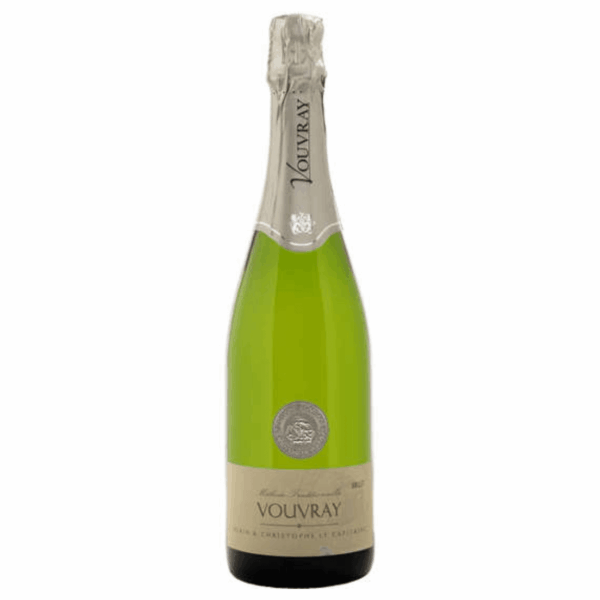
Domaine Le Capitaine Methode Traditionelle NV
Shipped by
PS Wine Selections
$50.17
/ bottle
$301.00 for a case of 6

 $81.00
/ bottle
$486.00 for a case of 6
$81.00
/ bottle
$486.00 for a case of 6
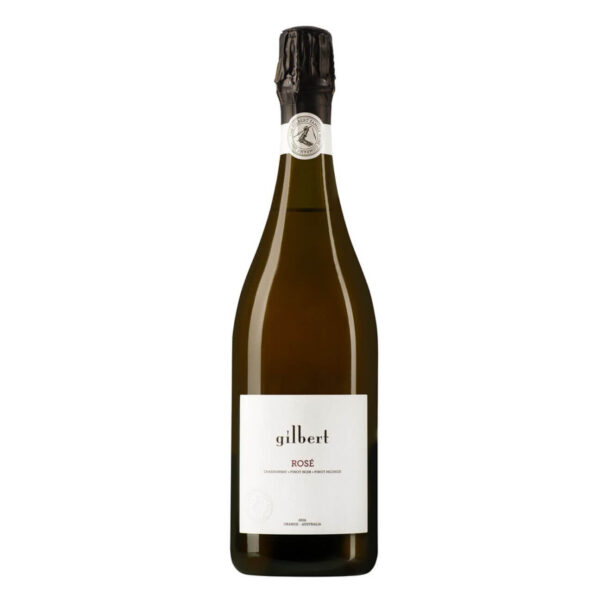
Gilbert Méthode Traditionelle Rosé
Shipped by
Gilbert Family Wines
$81.00
/ bottle
$486.00 for a case of 6

 $50.67
/ bottle
$304.00 for a case of 6
$50.67
/ bottle
$304.00 for a case of 6
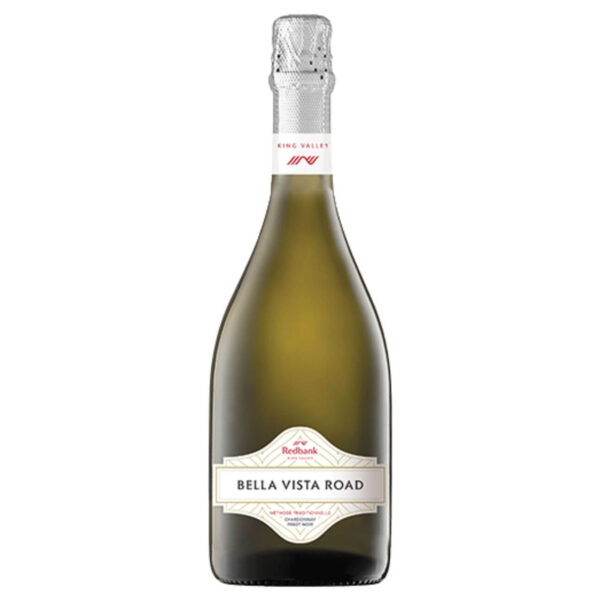
Redbank Bella Vista Road Methode Traditionelle NV
Shipped by
Wines Australia
$50.67
/ bottle
$304.00 for a case of 6
 $37.67
/ bottle
$226.00 for a case of 6
$37.67
/ bottle
$226.00 for a case of 6
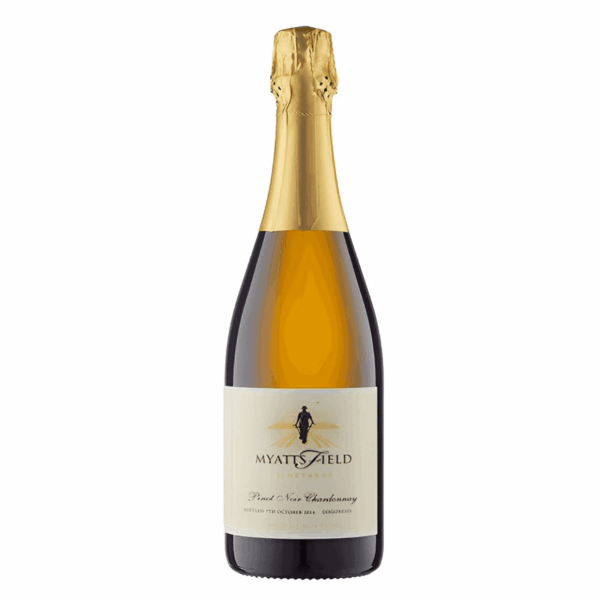
Myattsfield Methode Traditionelle
Shipped by
Partners in Wine WA
$37.67
/ bottle
$226.00 for a case of 6
 $26.83
/ bottle
$161.00 for a case of 6
$26.83
/ bottle
$161.00 for a case of 6
Grandin Méthode Traditionnelle Brut NV
Shipped by
Oatley Fine Wine Merchants
$26.83
/ bottle
$161.00 for a case of 6
 187 pts
 The Physical Drama of Riddling and Disgorgement
Traditional method production includes procedures that appear theatrical yet serve genuine technical function. Riddling consolidates yeast sediment into manageable form requiring removal before final sealing.
Historically, riddling involved hand labour with trained workers gradually tilting bottles from horizontal to vertical position whilst rotating slightly daily. The sediment gradually migrated toward cork sitting at bottle’s neck. This process typically required weeks of patient labour. Each rotation contributed marginal movement ultimately concentrating sediment into compact form.
Modern producers employ mechanical gyropalettes achieving identical results more efficiently. These machines hold hundreds of bottles in specially designed racks, gradually converting horizontal to vertical position whilst rotating mechanically. The process typically requires one week, though serious traditionalists often deliberately extended timeframes believing slower riddling produces superior results through more gradual sediment consolidation.
Disgorgement follows riddling completion. Bottles receive precise application of freezing liquid at the neck. The rapid cooling creates solid frozen plug containing consolidated yeast sediment. Once frozen sufficiently, the crown cap gets removed, and internal pressure forces the frozen plug outward forcefully.
This moment represents genuine theatre within professional winemaking. The expelled sediment exits dramatically, temporarily releasing pressure whilst minute yeast particles remain suspended. The bottle requires immediate attention to prevent excessive wine loss during the pressure release.
This compensation arrives through dosage addition. The producer measures precisely how much wine mixed with sugar achieves desired final sweetness and balance. Brut designation indicates minimal dosage, Extra Brut even less, whilst zero-dosage adds nothing. Progressively sweeter profiles including Demi-Sec and Doux indicate increasing sugar addition. This final decision represents winemaker’s stylistic choice about finished wine character.
Why Terminology Changed But Production Didn’t
The 1994 European Union regulation prohibiting “Méthode Champenoise” terminology outside Champagne wasn’t accidental. The regulation deliberately aimed to reserve prestigious terminology exclusively for wines from specific geography. This protectionist measure reflected Champagne’s political power within European wine governance.
The result created linguistic fragmentation without technical alteration. Wines produced through identical methodology using identical equipment receiving identical extended maturation suddenly required different terminology depending on geographic origin. Crémant de Bourgogne represents precisely the same production technique as Champagne. The regulation prohibited calling it by Champagne’s traditional terminology.
Outside France, confusion multiplied. English sparkling adopted “traditional method” designation highlighting production technique rather than geographic origin. Spanish Cava retained different terminology reflecting historical naming conventions. Australian sparkling employed “traditional method” when distinguishing from cheaper alternatives. International producers adopted similar terminology establishing production methodology as defining characteristic rather than brand prestige.
This terminology fragmentation accidentally serves valuable purpose. It forces consideration of whether production technique actually creates quality difference rather than assuming prestigious names automatically indicate superiority. Consumers learning to recognise “traditional method” designation understand they’re purchasing sparkling wine produced through secondary fermentation in bottle regardless of whether Champagne label appears.
The Quality Reality Beneath Regulatory Theatre
The fundamental question emerges: does production methodology actually justify premium pricing or does regulation create artificial prestige? Testing this requires honest assessment of traditional method sparkling versus cheaper alternatives produced through different techniques.
Tank method Prosecco completes production in weeks. Carbonation method adds gas artificially without fermentation. Both produce sparkling wine at dramatically lower cost and with minimal complexity. Traditional method requires months to years, extends lees contact, maintains complex procedures. The cost difference reflects genuine production reality rather than marketing manipulation.
Quality differences prove consistently verifiable across blind tastings and professional assessment. Traditional method sparkling displays complexity, textural refinement and aromatic subtlety unavailable from cheaper alternatives. The extended yeast contact creates something fundamentally different from rapid carbonation methods. This isn’t subjective preference but consistent production reality.
Yet quality improvements plateau. Champagne’s fifteen-month minimum proves adequate producing excellent sparkling. Extended ageing beyond that point produces incremental improvement rather than transformative change. The law’s minimum requirements reflect realistic assessment of necessary complexity development.
How Geography Created Distinct Expressions Within Unified Methodology
Traditional method production extended globally demonstrating the technique’s universal applicability. England’s cool climate proved ideal for sparkling wine, producing expressions rivaling Champagne through different terroir character. Australia’s Tasmania produces traditional method sparkling of genuine international significance. New Zealand, Oregon and Switzerland developed traditional method excellence.
Each region adapted methodology to local conditions whilst maintaining fundamental production principles. This global adoption proved that traditional method represents universal quality standard rather than specifically Champagne phenomenon. The consistency of excellence across regions demonstrates that methodology itself creates quality rather than geographic specificity producing superiority.
Contemporary sparkling wine world recognises traditional method as quality benchmark regardless of origin. Champagne maintains prestige through heritage and specific terroir expression, yet England, Australia and other regions produce traditional method sparkling challenging Champagne’s supremacy whilst offering distinct character reflecting their unique conditions.
Beyond The Regulatory Noise: What Your Bottle Actually Tells You
The entire regulatory distinction between these two terms ultimately obscures the central truth about sparkling wine quality. Terminology matters far less than what’s actually inside the bottle. Secondary fermentation in bottle creates sparkling wine possessing genuine complexity that tank method and carbonation techniques simply cannot replicate. Whether producers label this achievement as Champagne, Crémant, Cava or traditional method becomes almost irrelevant once you understand what production methodology actually accomplishes.
The real skill lies in reading bottles accurately rather than deciphering French regulatory history. Disgorgement dates prove remarkably reliable indicators of whether wine received serious attention or spent years forgotten in warehouse inventory. Bottles disgorged recently display maximum freshness and retained complexity. Wines disgorged years previous have aged beyond optimal windows where bubbles remain lively and aromatic freshness persists.
Minimum ageing periods listed on back labels reveal producer commitment more honestly than any terminology. Fifteen months represents minimum legal requirement in Champagne. Anything below this suggests questionable quality. Five years or longer maturation indicates serious investment. These extended timeframes cost producers substantially in carrying costs and capital storage yet produce genuine complexity development justifying the commitment.
Dosage levels communicated through terminology including Brut, Extra Brut or Doux indicate winemaker philosophy about balance and sweetness. Understanding preferred sweetness level matters more than brand recognition. Zero-dosage appeals to those preferring austere character. Brut suits most palates through delicate balance. Demi-Sec works beautifully with certain preparations. This stylistic information proves more valuable than geographic origin.
Extended lees contact creates textural refinement and aromatic complexity that money cannot otherwise purchase. Wines spending years on yeast sediment develop brioche, hazelnut and honey character absent from rushed production. This quality indicator appears nowhere on front labels yet represents perhaps the most important quality signal available to informed consumers.
Producer reputation ultimately matters more than terminology or geographic origin. Serious producers maintain uncompromising standards across vintage variations and market pressures. Research winemaker names and producer philosophies rather than relying on brand prestige or regulatory designations. This engagement with actual production takes effort but produces dramatically superior purchasing decisions.
The regulatory terminology confusion between Méthode Champenoise and Méthode Traditionnelle actually serves beneficial purpose when understood properly. The restriction forcing terminology variation teaches consumers to look beyond labels toward actual production methodology. This forced engagement develops genuine understanding rather than passive reliance on prestigious names and marketing positioning.
Stop trusting terminology and geographic origin as primary quality indicators. Instead examine disgorgement dates, research producer commitment to extended maturation, understand dosage philosophy and investigate winemaker reputation. Secondary fermentation in bottle creates the quality difference. Everything else represents marketing variation around this fundamental production reality.
Purchase traditional method sparkling from producers demonstrating genuine commitment to complexity development through extended lees contact and proper maturation timeframes. The production technique ensures quality whenever executed with serious intention. Producer philosophy matters. Geographic origin influences character. Terminology ultimately proves irrelevant compared to understanding what actually happened inside the bottle during months and years of production.
 Shiraz
 Cabernet Sauvignon
 Pinot Noir
 Grenache
 Merlot
 Red Wine Blends
 Chardonnay
 Riesling
 Pinot Gris
 Semillon
 Viognier
 Grenache Rosé
 Pinot Noir Rosé
 Shiraz Rosé
 Sangiovese Rosé
 Aglianico Rosé
 Clairette Rose
 Champagne
 Prosecco
 Sparkling Shiraz
 Blanc de Blanc
 Blanc de Noir
 Pet Nat
 Moscato
 Topaque
 Port
Port Sherry (dry & sweet)
 Muscat & Tokay
 Vermouth