 0473 644 098 · Mon–Fri 9am–5pm AESTHelp & FAQ


Blood of the Vine
Melbourne
About Blood of the Vine: The Melbourne Wine Importer That Started with Rosé
In 2013, after 15 years in fine wine retail, Felix Riley backed an idea that was still finding its feet in Australia: dry rosé deserved more than a token spot on the wine list. He started a Melbourne wine importing and wholesale business called Felixir to find bottles that could make the case. Today, that business is Blood of the Vine, and the search that began in southern France now takes in independent producers from Victoria and South Australia to Italy, Slovenia and Germany.
From Felixir to Blood of the Vine: Why Dry Rosé Came First
Starting with rosé gave Riley a clear brief. He wasn’t trying to build a catalogue that covered every region or grape. He was looking for wines that showed how much variety there could be within a single style, at prices that made sense for what was in the bottle. That remains the thread running through Blood of the Vine, even as the range has grown to include reds, whites and sparkling wines.
Riley offered a glimpse of how he thinks at a 2019 Young Gun of Wine blind tasting. He recalled a Provence Wine Council experiment in which Grenache from 13 different plots was vinified the same way. The resulting wines varied strikingly in colour, a reminder that where a grape is grown can change the wine even when the winemaking stays the same. It’s an insight that helps explain the portfolio: one good Provence rosé doesn’t make the next one redundant if it has something different to say.
The Bandol Relationship That Shows How the Business Works
One of the best stories in the Blood of the Vine portfolio starts in an industrial part of Sanary-sur-Mer. That’s where the importer first met Domaine Gueissard’s Clément Minne and Pauline Giraud, who were working out of a rented shed. The pair have been with the business since 2013. In the years since, they bought out their silent partners and acquired and renovated a winery among the vineyards of Bandol.
What makes that story worth telling is the timing. Blood of the Vine was working with Gueissard before the couple had the winery they have today. The business still represents them alongside producers such as Château Grand Boise in Sainte-Victoire and Domaine Les Fouques in La Londe. There’s a difference between putting a recognised appellation on a list and getting to know the people making the wine there. Gueissard is a good example of what that second approach looks like over time.
What Blood of the Vine Gets Right About Independent Wine
The range gives familiar wines and less familiar ones room to sit together. A drinker who knows Chablis can find Domaine Daniel-Etienne Defaix’s late-bottled releases, while someone drawn in by Provence can follow rosé into Slovenian Styria, where Zlati Grič makes its 2024 Dry Rosé entirely from Blaufränkisch. There’s also sparkling wine from Domaine Dutertre in Touraine, Montepulciano from Torre Zambra in Abruzzo and Riesling from Familie Rauen in the Mosel. The recognisable styles give people a way in. The less familiar ones give them a reason to keep looking.
The Australian portfolio works much the same way. In the Barossa, Jason Schwarz draws on family vineyards and relationships with growers, handling the fruit and oak lightly to make wines such as his 2022 Meta Grenache, which received 95 points from Sam Kim of Wine Orbit. In South Australia’s Riverland, Ashley Ratcliff’s 22 Degree Halo explores grape varieties suited to warmer conditions, including a rosé that brings together Nero d’Avola, Sangiovese and Graciano. One shows what a light touch can do with an established regional variety; the other asks what else might thrive in an Australian vineyard.
A Closer Look at Life Behind the Wine List
The portfolio also tells stories that rarely make it onto a restaurant wine list. In Beechworth, Daniel Balzer and Marije van Epenhuijsen bought a paddock in 2017 and planted it gradually, with Balzer establishing roughly an acre at a time. Their first estate Sangiovese, from the 2025 vintage, earned 94 points from Campbell Mattinson of The Wine Front. The score is a useful marker, but the years between buying the paddock and releasing that wine tell you more about the scale and patience of the operation.
That producer knowledge is part of what Blood of the Vine brings to wholesale. Riley looks after national sales, while Ian Reid handles Melbourne sales, and the business offers account support to its stockists. For a restaurant putting together a list by the glass, the question isn’t just whether a wine tastes good. It’s whether it brings something the list doesn’t already have, whether it works with the food and whether staff can explain it without giving a geography lesson. A distributor who knows the producers and understands how their wines sit alongside one another can make those decisions easier.
Blood of the Vine started by asking what Australian drinkers were missing when they overlooked dry rosé. That same curiosity now leads from an old-vine Barossa Grenache to a Slovenian Blaufränkisch rosé or a Sangiovese from a vineyard planted an acre at a time. The name has changed and the map has grown, but the strongest part of the business is still the original idea: find a wine worth paying attention to, then give people a good reason to try it.

$21.58
/ bottle
$259.00 for a case of 12
 259 pts

$36.17
/ bottle
$217.00 for a case of 6
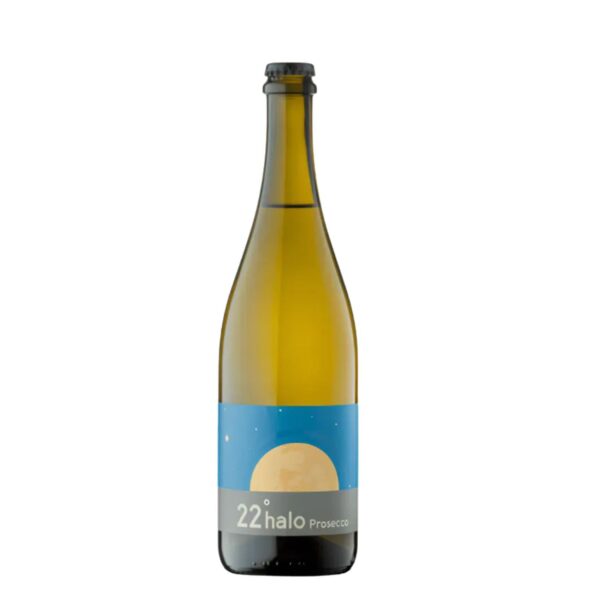
$17.58
/ bottle
$211.00 for a case of 12
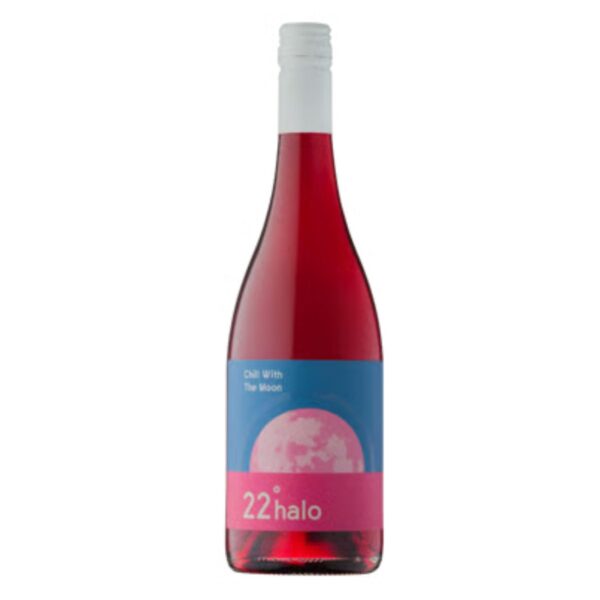
$17.58
/ bottle
$211.00 for a case of 12
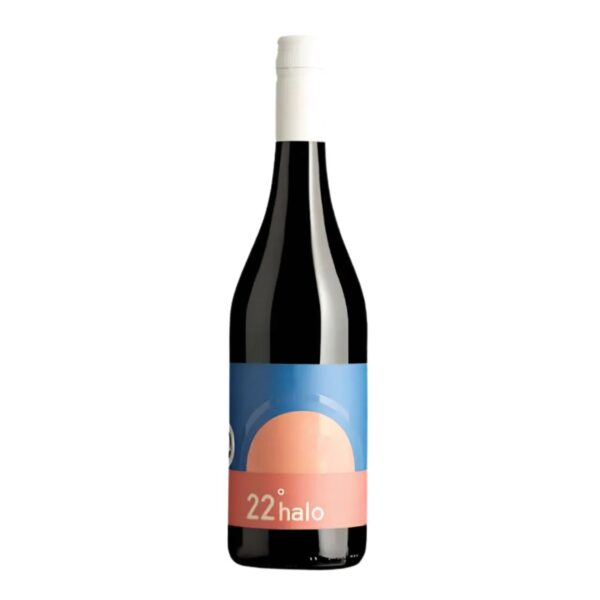
$17.58
/ bottle
$211.00 for a case of 12
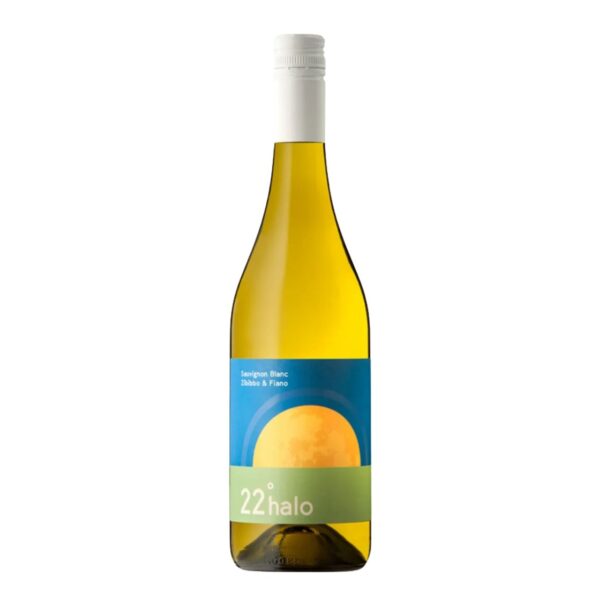
$17.58
/ bottle
$211.00 for a case of 12
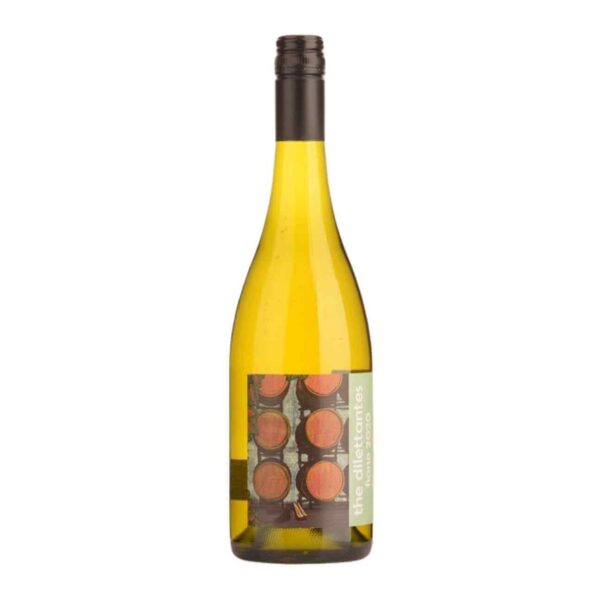
$21.58
/ bottle
$259.00 for a case of 12

$17.58
/ bottle
$211.00 for a case of 12
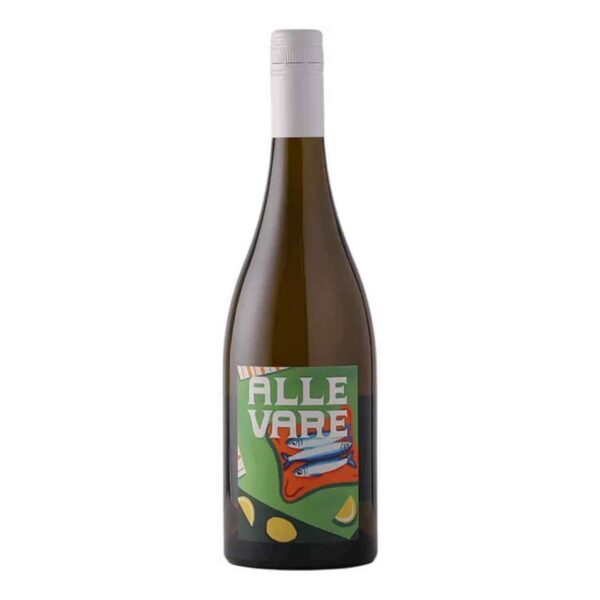
$34.67
/ bottle
$416.00 for a case of 12


$27.33
/ bottle
$164.00 for a case of 6

$32.17
/ bottle
$193.00 for a case of 6


$27.33
/ bottle
$164.00 for a case of 6

$32.17
/ bottle
$193.00 for a case of 6

$40.50
/ bottle
$243.00 for a case of 6

$52.17
/ bottle
$313.00 for a case of 6

$46.00
/ bottle
$276.00 for a case of 6

$29.17
/ bottle
$175.00 for a case of 6

$36.17
/ bottle
$217.00 for a case of 6
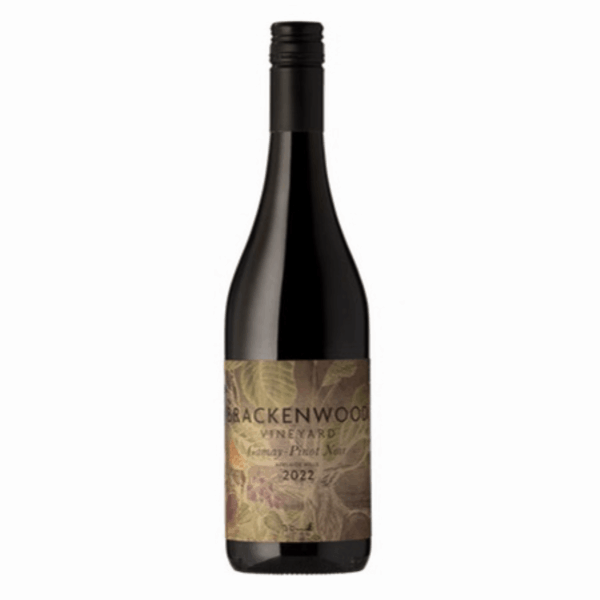
$32.17
/ bottle
$193.00 for a case of 6

$36.17
/ bottle
$217.00 for a case of 6
 Shiraz
 Cabernet Sauvignon
 Pinot Noir
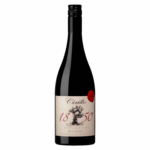 Grenache
 Merlot
 Red Wine Blends
 Chardonnay
 Riesling
 Pinot Gris
 Semillon
 Viognier
 Grenache Rosé
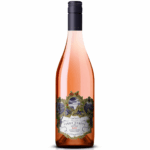 Pinot Noir Rosé
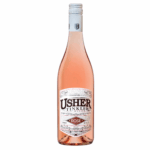 Shiraz Rosé
 Sangiovese Rosé
 Aglianico Rosé
 Clairette Rose
 Champagne
 Prosecco
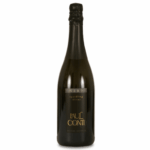 Sparkling Shiraz
 Blanc de Blanc
 Blanc de Noir
 Pet Nat
 Moscato
 Topaque
 Port
 Sherry (dry & sweet)
 Muscat & Tokay
 Vermouth