 0473 644 098 · Mon–Fri 9am–5pm AESTHelp & FAQ


Central Otago’s Organic Wine Awards Triumph

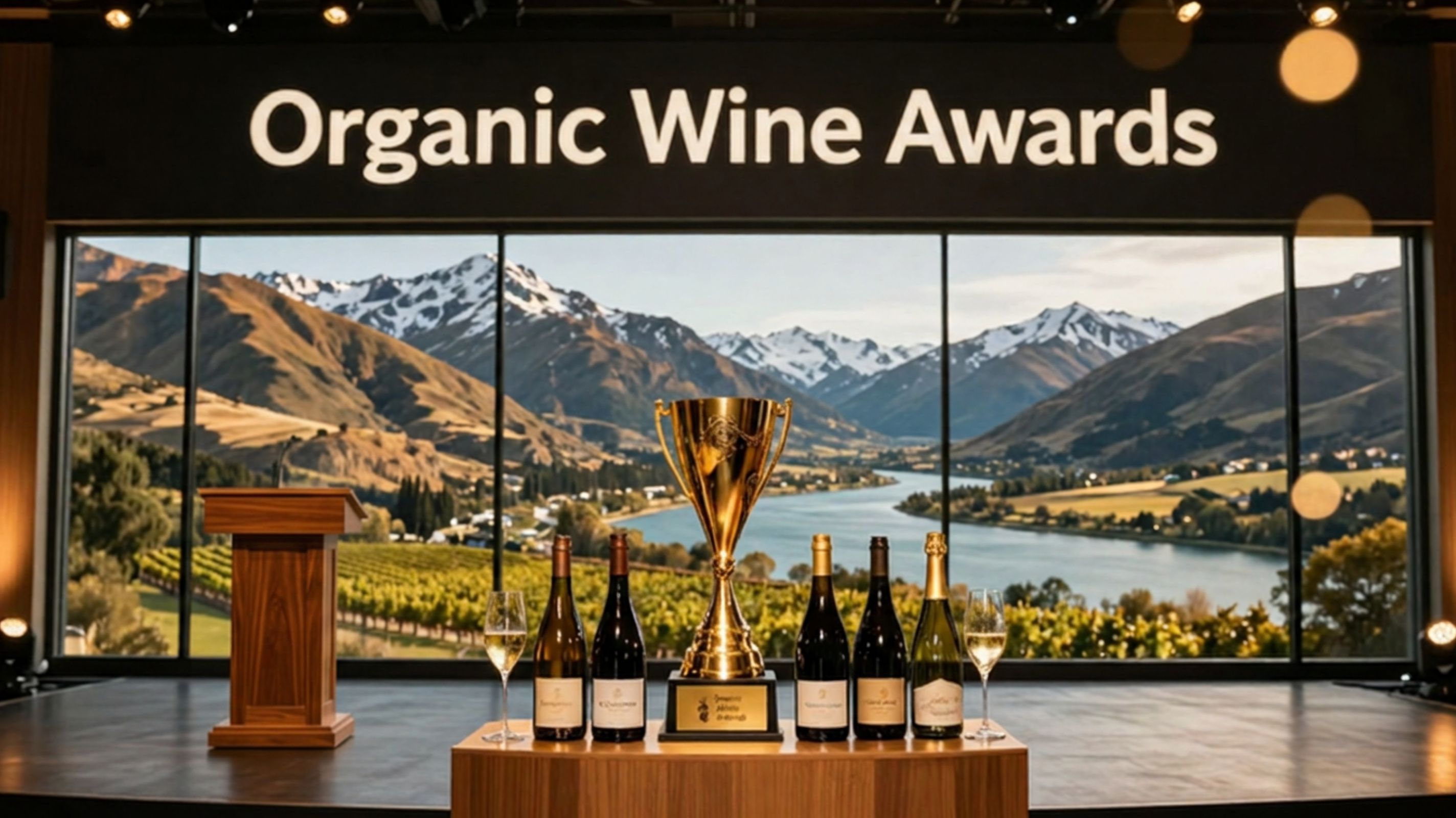
Central Otago has just enjoyed a watershed moment at the Aotearoa New Zealand Organic Wine Awards, and it says a lot about where fine wine is heading. Of the 181 medals awarded this year, an extraordinary 73 went to just 11 Central Otago wineries, meaning roughly 40 percent of all medals landed in one southerly, mountain-ringed region. For anyone wondering whether organic wine is still a niche sideshow, Central Otago’s performance is a very clear answer.
When one region walks away with 40 percent of the medals
The latest Aotearoa New Zealand Organic Wine Awards results read almost like a roll call of Central Otago’s organic vanguards. Gibbston Valley, Quartz Reef, Carrick, Two Paddocks and several others all feature prominently, spreading their success across Pinot Noir, Riesling, Chardonnay and sparkling wine.
In total, Central Otago producers took home 73 of the 181 medals on offer, including a healthy share of the top golds and trophies. That level of dominance matters because this is not a regional show; it is a national competition drawing certified-organic wines from Marlborough, Hawke’s Bay, North Canterbury and beyond, yet Central Otago still managed to claim nearly half the podium space.
What the Organic Wine Awards are actually measuring
The Aotearoa New Zealand Organic Wine Awards are run as a dedicated organic-only show with a pretty clear mission: to raise the profile and market share of certified organic wines across the country. Only wines from vineyards that are certified organic can enter, and judging focuses on both quality in the glass and the authenticity of the organic practices behind it.
Medals are awarded on a traditional scale (Bronze, Silver, Gold), but the real attention gravitates towards the special trophies and titles, such as Wine of the Show and, increasingly, Sustainable Vineyard of the Year. Central Otago’s strong showing in both the medal tally and these headline awards is being framed by commentators as proof that organic viticulture is no longer experimental there; it has become the operating system for many of the region’s top estates.
Two Paddocks and the meaning of “Sustainable Vineyard of the Year”
Among the stories that stand out, Two Paddocks offers a particularly neat snapshot of what “going organic” really looks like in Central Otago. In 2024, Two Paddocks was named Sustainable Vineyard of the Year at the Aotearoa / New Zealand Organic Wine Awards, a title explicitly linked to its long-term rewilding projects, indigenous planting, bird-life restoration and commitment to reducing carbon footprint across all vineyards.
Alongside that major sustainability trophy, across the range of Two Paddocks wine, they picked up gold medals for Two Paddocks Pinot Noir 2022 and Two Paddocks Pinot Noir Rosé 2023, underlining that environmental ambition has not come at the expense of quality. The estate is in the process of bringing its entire portfolio under organic certification, which effectively makes every new release part of a much broader landscape and biodiversity project that stretches from Gibbston to Bannockburn and Alexandra.
Featured Wines
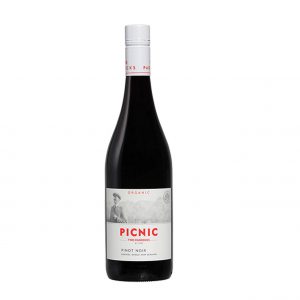
Two Paddocks Picnic Pinot Noir 2024 (12 Bottles) Central Otago, NZ
Add to Cart
$41.92
/ bottle
$503.00 for a case of 12
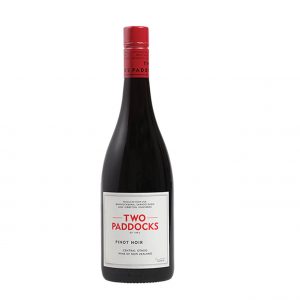
Two Paddocks Pinot Noir 2025 (6 Bottles) Central Otago, NZ
Add to Cart
$59.50
/ bottle
$357.00 for a case of 6
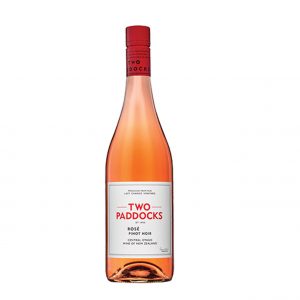
Two Paddocks Rosé 2025 (12 Bottles) Central Otago, NZ
Add to Cart
$34.17
/ bottle
$410.00 for a case of 12
Pinot Noir still leads the charge
Here is something unsurprising but important: Central Otago’s organic success is still anchored in Pinot Noir. The 2025 Organic Wine Awards results highlight Gibbston Valley China Terrace Pinot Noir 2023 as a Champion wine, while other Central Otago Pinots such as Te Kano Central Otago Pinot Noir 2021 and Domaine Thomson Explorer Pinot Noir 2024 sit in the top medal brackets.
This concentration of high-scoring Pinot confirms what many already suspected. Organic viticulture suits Central Otago’s naturally low-yielding, high-UV environment, where thick skins and small berries produce intensely flavoured Pinot that can easily tip into excess if not handled carefully. Working organically seems to encourage a finer, more transparent style: less make-up from oak, more emphasis on site, and a structural balance that allows these wines to age with real grace.
Not just Pinot: Riesling, Chardonnay and sparkling join in
Yet the awards also make it clear that Central Otago’s organic story is no longer a Pinot-only narrative. Previous national organic results have seen Peregrine win Champion Organic Red Wine for a Pinot Noir and Champion Organic White Wine for a Riesling in the same year, showing that aromatic whites can thrive under the same regime.
Producers such as Carrick and Quartz Reef reinforce this breadth. Carrick, an early adopter of organic vineyard management in the region, now offers a spread of organically farmed wines including Riesling, Pinot Gris, Chardonnay and Pinot Noir, many of which have featured regularly among medal winners. Quartz Reef, by contrast, is regularly celebrated for biodynamic Pinot Noir and method traditional sparkling wines that lean on Central Otago’s piercing acidity and intense fruit. Taken together, these examples show a region whose organic strengths extend well beyond a single variety.
Why this is bigger than a medal count
The sheer number of medals is impressive, but the deeper story is about how organic certification is reshaping the region’s identity and, increasingly, consumer expectations. Central Otago is now routinely described in specialist media as one of New Zealand’s “organic trailblazers”, with estates like Felton Road, Doctors Flat, Rockburn, Carrick, Two Paddocks and Quartz Reef cited as reference points for serious organic and biodynamic practice.
Judges and writers note that organic farming is delivering wines with greater purity, more precise fruit profiles and a clearer sense of place, especially in subregions such as Bannockburn, Bendigo, Gibbston and the Alexandra Basin. That is an important message for drinkers who sometimes assume “organic” is merely a lifestyle badge. In Central Otago, the awards suggest it has become an engine for quality, not just an ethical label on the back of the bottle.
Why this matters in the new wine world
In the face of climate change, shifting consumer values and rising scrutiny of agricultural practices, the global wine conversation is moving decisively towards transparency and sustainability. Central Otago’s success at the Aotearoa New Zealand Organic Wine Awards aligns almost perfectly with those priorities: lower inputs, healthier soils, improved biodiversity and wines that seem to speak more clearly of their sites.
For producers, this spotlight provides both validation and marketing clarity. For consumers, it offers a simple, trustworthy signal that a wine does more than taste good; it also represents a thoughtful way of farming in a fragile landscape. When a region walks away with 40 percent of a national organic medal pool, it effectively tells the world that this is where serious organic wine is happening right now.
Where Central Otago organic wine goes from here
The most intriguing part of Central Otago’s organic story is that it still feels like the beginning. More vineyards are converting or in transition, more estates are exploring regenerative ideas, and newer producers like Vilaura are already picking up “Rising Star” style accolades for their organic work. Meanwhile, established names continue to collect international recognition, such as McArthur Ridge Southern Tor Pinot Noir 2022 winning “Best in Show” at the Decanter World Wine Awards and Quartz Reef’s Rudi Bauer being named Vigneron of the Year by The Real Review.
For drinkers in Australia and beyond, the takeaway is straightforward. If there is curiosity about where organic wine is genuinely pushing quality forward, Central Otago belongs near the top of the list, with organic Pinot Noir, Riesling, Chardonnay and sparkling wines all giving tangible, delicious proof that sustainability and excellence can walk hand in hand.

 Shiraz
 Cabernet Sauvignon
 Pinot Noir
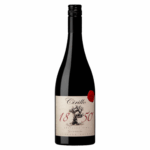 Grenache
 Merlot
 Red Wine Blends
 Chardonnay
 Riesling
 Pinot Gris
 Semillon
 Viognier
 Grenache Rosé
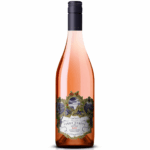 Pinot Noir Rosé
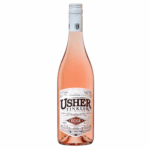 Shiraz Rosé
 Sangiovese Rosé
 Aglianico Rosé
 Clairette Rose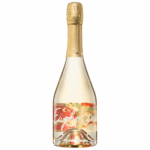
 Champagne
 Prosecco
 Sparkling Shiraz
 Blanc de Blanc
 Blanc de Noir
 Pet Nat
 Moscato
 Topaque
 Port
Port Sherry (dry & sweet)
 Muscat & Tokay
 Vermouth