 0473 644 098 · Mon–Fri 9am–5pm AESTHelp & FAQ


The 85% Rule: What Australian Shiraz Labels Are Not Telling You

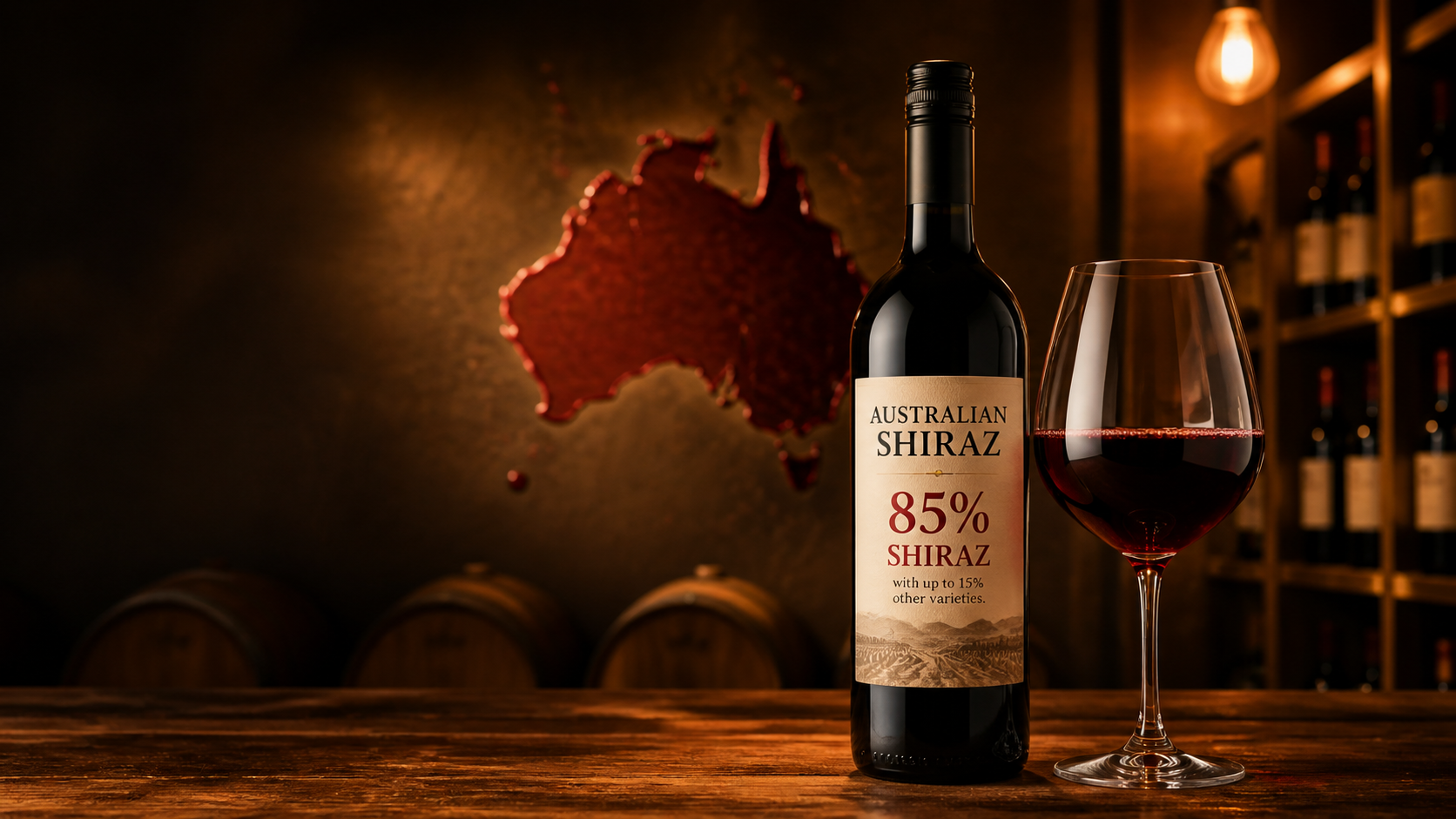
When “Shiraz” on the label isn’t the whole story
Picture someone in Adelaide, wandering the aisles after work. They grab a familiar bottle labelled Shiraz or Cabernet Sauvignon, confident they know what they are getting because the grape name on the label feels like a promise. For most Australian drinkers, that word on the front is the main shortcut to flavour, style and occasion.
Yet the law behind that simple label is more nuanced than many people realise. In Australia, a wine can still be sold as a single variety even if up to 14.9 percent of what is in the bottle comes from other grapes. The key is the 85 percent rule: if a single variety is named, at least 85 percent of the wine must be made from that grape. The remaining slice can be something else entirely, quietly shaping the wine without ever appearing on the front.
This is not a scandal. It is simply how the system works. The interesting part is the gap between what the label legally guarantees and what most drinkers think it says.
How the 85 percent rule actually works
Australian wine law is built around a straightforward idea. When a single grape variety, vintage or region is named on a label, at least 85 percent of the wine must match that claim. So if the bottle says Shiraz, at least 85 percent of the blend must be Shiraz. If it declares the vintage as 2021, then at least 85 percent of the wine must come from grapes picked in 2021. The same principle applies to regions such as McLaren Vale, Barossa Valley or Margaret River.
Those numbers are backed by record‑keeping. Wineries are required to keep detailed records that show where their grapes came from, which varieties went into which tanks, and how those wines were blended before bottling. Regulators can inspect those records to make sure label claims are supported by evidence. The whole structure exists to protect the truthfulness of labels and, by extension, the reputation of Australian wine.
Things become a little more detailed when more than one variety is listed. If a label names two or more grapes, they must appear in descending order, from largest share to smallest. Where only two are mentioned, the second cannot be an afterthought; it must be at least 5 percent of the blend. This is why a wine with just a splash of Viognier may not advertise it on the front. If the Viognier sits below that threshold, the bottle will simply read Shiraz, even though a back label or technical note might reveal the full story.
So when someone sees a single grape on an Australian label, they are looking at a regulated minimum, not a promise of perfect purity. Most of the wine has to be that variety, but not every last drop.
What that quiet 15 percent is really doing
Here is where it becomes genuinely intriguing. The remaining portion is not always cheap filler. Often it is the part of the wine that makes everything else sing.
Winemakers blend for many reasons. A little Grenache can bring juiciness and spice to Shiraz. A touch of Merlot can soften Cabernet Sauvignon’s firmer edges. Viognier, in tiny amounts, can make Shiraz look brighter in colour and smell more floral. Another variety might add acidity to sharpen a warm‑year wine, or extra flesh in a cooler season.
For anyone less familiar with tasting language, think of it this way. Tannins are the compounds that cause the drying, gripping sensation across the gums. Aromatics are simply how the wine smells before and during a sip. The mid‑palate is that moment when the wine is sitting comfortably in the mouth, after the first impression but before the finish. A skilled winemaker can use a small percentage of a second grape to smooth the tannins, lift the aromatics or fill out that mid‑palate so the wine feels more complete.
All of this can happen inside the 15 percent that the label never has to mention. In many cases, that quiet minority is exactly what turns a good wine into a memorable one.

 $42.00
/ bottle
$252.00 for a case of 6
$42.00
/ bottle
$252.00 for a case of 6
 $31.17
/ bottle
$187.00 for a case of 6
$31.17
/ bottle
$187.00 for a case of 6
 $46.75
/ bottle
$561.00 for a case of 12
$46.75
/ bottle
$561.00 for a case of 12
Smallwater Estate Shiraz
Shipped by
Smallwater Estate, Geographe Wine Region
$46.75
/ bottle
$561.00 for a case of 12
 $17.42
/ bottle
$209.00 for a case of 12
$17.42
/ bottle
$209.00 for a case of 12
Killibinbin Sneaky Shiraz
Shipped by
Oatley Fine Wine Merchants
$17.42
/ bottle
$209.00 for a case of 12
 Hot
Hot
 $150.00
/ bottle
$900.00 for a case of 6
$87
off RRP
-36% Hot
$150.00
/ bottle
$900.00 for a case of 6
$87
off RRP
-36% Hot
 $40.00
$25.50
/ bottle
$153.00 for a case of 6
$40.00
$25.50
/ bottle
$153.00 for a case of 6
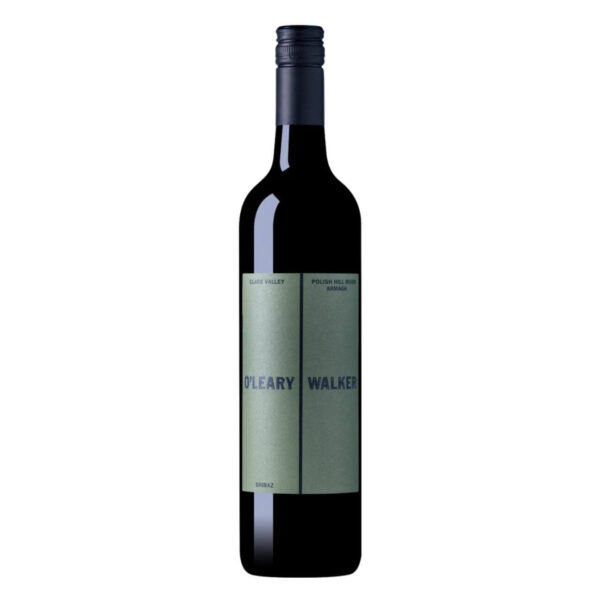
O'Leary Walker Clare Valley Shiraz
Shipped by
Wines By Cellars
$40.00
$25.50
/ bottle
$153.00 for a case of 6
 252 pts
 What drinkers think the label says
Most people do not sit at home reading legislation before opening a bottle. They rely on cues, and the grape variety on the label is one of the strongest cues the trade has. Someone who loves plush, dark‑fruited McLaren Vale Shiraz will naturally look for the word Shiraz. Someone who prefers leafy, structured Coonawarra reds will gravitate toward Cabernet Sauvignon.
The potential problem lies in the expectations that builds. Legally, a wine labelled Shiraz might be 85 percent Shiraz and 15 percent something else. Psychologically, many buyers assume that Shiraz on the label means “this bottle is nothing but Shiraz.” Those are not the same statement.
Australia’s 85 percent rule sets a relatively high bar by international standards and, backed by the Label Integrity Program, it does a good job of ensuring that wine labels are honest. But even an honest label can be simpler than the wine behind it. The law protects the meaning of the main claim; it does not require producers to list every supporting detail on the front.
As drinkers become more interested in provenance, ingredients and production methods in food and drink generally, that simple fact becomes more relevant. Many people are comfortable with blending once they know it is happening; what they object to is feeling as if information has been quietly withheld.
Blending, honesty and the Australian way
It is important not to confuse nuance with deceit. Blends sit at the heart of Australian wine history. Classic regional styles, from Barossa Shiraz to Margaret River Cabernet, often owe their character to small but important blending decisions. The 85 percent rule simply recognises that wine comes from vineyards and seasons, not from exact recipes, and that winemakers need a little flexibility to respond to what nature provides.
Where things become admirable is when producers go beyond the minimum. Many already list their blend breakdown on the back label. Others publish detailed technical notes, giving percentages, vineyard sources and maturation details. Rather than putting drinkers off, this kind of openness tends to deepen respect. It allows enthusiasts to understand why one Shiraz smells unusually floral, or why a Cabernet has softer tannins than expected.
Australia’s regulatory framework quietly encourages this by insisting that any stated variety, region or vintage must be backed by proper records. If those records are in order, producers have nothing to fear from showing a little more of the picture.
How to read Australian wine labels with clearer eyes
The most helpful outcome of understanding the 85 percent rule is not suspicion; it is confidence. Knowing that a varietal label represents a minimum gives drinkers a more realistic sense of what they are buying, without stripping away any of the romance.
A few simple habits can make a big difference:
Take a moment with the back label, not just the front. Many wineries use that space to reveal their full blend or to hint at the role of supporting varieties. If something about the flavour seems different or intriguing, those details often explain why.
Notice how often the same variety shows different faces in different regions and vintages. That diversity is not just climate and soil; it is also how winemakers use their blending options within the 85 percent framework.
Ask questions at cellar doors or independent bottleshops. Most people working in those spaces are delighted to talk about how a wine was put together, which grapes are involved and why certain decisions were made. Far from being awkward, those questions usually lead to better recommendations.
Once the idea sinks in that “Shiraz” on an Australian label means “at least 85 percent Shiraz,” a bottle stops being a flat statement and becomes a more interesting story. It is still a promise, but now it is understood as a promise with a little quiet, carefully chosen nuance built in.

 Shiraz
 Cabernet Sauvignon
 Pinot Noir
 Grenache
 Merlot
 Red Wine Blends
 Chardonnay
 Riesling
 Pinot Gris
 Semillon
 Viognier
 Grenache Rosé
 Pinot Noir Rosé
 Shiraz Rosé
 Sangiovese Rosé
 Aglianico Rosé
 Clairette Rose
 Champagne
 Prosecco
 Sparkling Shiraz
 Blanc de Blanc
 Blanc de Noir
 Pet Nat
 Moscato
 Topaque
 Port
Port Sherry (dry & sweet)
 Muscat & Tokay
 Vermouth