 0473 644 098 · Mon–Fri 9am–5pm AESTHelp & FAQ


International Wine Challenge 2026 Results – Australia’s Medal Tally, South Australia & Tasmania Gold Medal Winners


International Wine Challenge 2026 results and global medal table
The International Wine Challenge 2026 is one of the most influential global wine competitions, with wines assessed through multiple rounds of blind tasting, re-tasting and final deliberation by international judging panels. In the final standings this year, France, Spain, Portugal and Italy occupied the top four positions on the medal table, with Australia close behind in fifth, ahead of a crowded field of major producing nations.
Across the competition, fortified wines and Champagne shared the highest individual scores; the top wines included a Menin Porto Tawny 80 Anos and Rare Champagne releases at the very peak of the points scale. For Australian producers, sharing the podium with such wines in trophy and gold-medal discussions is a clear indicator that their bottles are being judged alongside the global elite rather than in a separate “New World” category.
How Australia performed at the International Wine Challenge 2026
Australia’s tally of 268 medals at the International Wine Challenge 2026 breaks down into 10 trophies, 38 golds, 131 silvers and 99 bronzes. That translated into a gold-medal strike rate of around 9.35 percent, or nearly one in every ten wines entered, which placed Australia among the strongest-performing countries on a per-entry basis, not just in absolute medal count.
Those figures matter because they show breadth as well as headline success. Trophies tend to draw attention, but the large number of silver medals in particular hints at a deep bench of wines that are very close to gold standard, across multiple regions and styles. For drinkers following international results to discover the best Australian wines online, this consistency is just as encouraging as the trophy headlines.
South Australia and Tasmania leading Australia’s gold medal haul
Within Australia, the spotlight at the 2026 International Wine Challenge fell very clearly on South Australia and Tasmania. Of the 38 gold medals awarded to Australian wines, South Australia collected 21 and Tasmania 13, leaving only a small remainder for other states and regions.
South Australia’s success was driven largely by classic strongholds such as the Barossa Valley, McLaren Vale and Clare Valley, with IWC communications highlighting the way these regions “steered” Australia’s overall performance. Tasmania, meanwhile, continued its rise as a cool-climate power, particularly in sparkling wine and refined Chardonnay and Pinot Noir, showing that the island is now firmly embedded in the top tier of global cool-climate regions.
Featured Wines
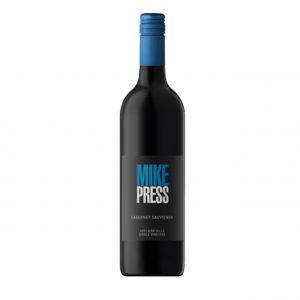
Mike Press Cabernet Sauvignon 2022 (12 Bottles) Adelaide Hills, SA
Add to Cart
$18.58
/ bottle
$223.00 for a case of 12

Mike Press Merlot 2022 (12 Bottles) Adelaide Hills, SA
Add to Cart
$19.08
/ bottle
$229.00 for a case of 12

MMAD Grenache 2024 (6 Bottles) Blewitt Springs, SA
Add to Cart
$66.67
/ bottle
$400.00 for a case of 6

MMAD Shiraz 2023 (6 Bottles) Blewitt Springs, SA
Add to Cart
$66.67
/ bottle
$400.00 for a case of 6
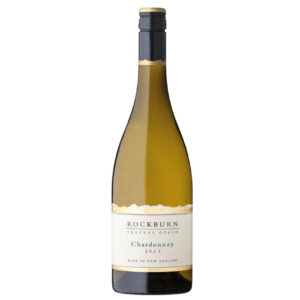
Rockburn Chardonnay 2023 (6 Bottles) Central Otago, NZ
Add to Cart
$37.33
/ bottle
$224.00 for a case of 6
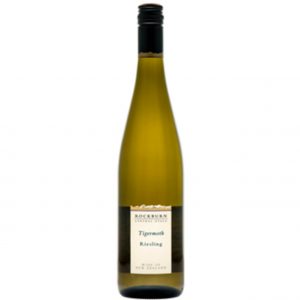
Rockburn Tigermoth Riesling 2024 (6 Bottles) Central Otago, NZ
Add to Cart
$38.00
/ bottle
$228.00 for a case of 6
Key Australian wine styles shining at IWC 2026
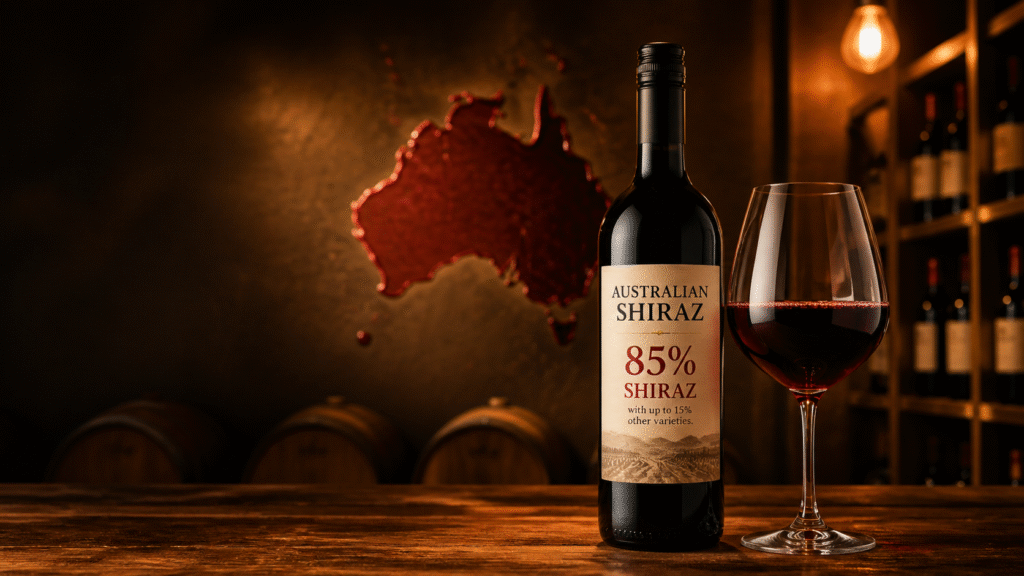
Reports from the 2026 International Wine Challenge emphasise that Australia’s performance was not limited to a single style or variety. Traditional strengths such as Barossa Shiraz and Coonawarra Cabernet Sauvignon again featured prominently among the medal winners and trophy contenders, demonstrating that these established categories still stand up strongly when judged blind against international peers.
At the same time, Australian sparkling wines, cool-climate Chardonnay and Pinot Noir, and a growing cohort of alternative and Mediterranean varieties also attracted significant recognition, particularly from Tasmania and elevated South Australian sites. For consumers who use global competitions as a guide when they compare Australian wines online, this breadth of success signals that there is now serious quality across a wide range of styles, not just the historically dominant reds.
Why the International Wine Challenge matters for Australian producers
Because the International Wine Challenge involves multiple rounds of blind assessment by judges drawn from different countries and sectors of the trade, its medals and trophies carry significant weight with international buyers, importers and sommeliers. Strong performances can translate directly into new distribution opportunities, improved listings in key markets and increased confidence among retailers who lean on IWC results when making purchasing decisions.
For Australian wineries, the 2026 results arrive at a moment when export markets are recalibrating and competition from other Southern Hemisphere producers is intense. Sitting fifth on the medal table, with a particularly high proportion of gold medals relative to entries, sends a clear message that Australian wines remain highly competitive on blind quality alone, independent of brand-driven marketing.
South Australia’s standout role in Australia’s IWC 2026 story
South Australia’s 21 gold medals at the International Wine Challenge 2026 underline just how central the state remains to the Australian wine narrative. Coverage of the results highlighted names like Barossa Valley and McLaren Vale as leading the charge for full-bodied reds and robust yet increasingly refined Shiraz and Grenache styles, while Clare Valley and Adelaide Hills contributed high-scoring Riesling, Chardonnay and alternative varieties.
This cluster of success effectively positions South Australia as the engine of Australia’s IWC performance, providing a mix of traditional benchmarks and fresher, more contemporary expressions. For drinkers searching “South Australian gold medal wines” or similar queries when they buy Australian wine online, the 2026 results will likely drive interest towards these regions and producers singled out by the judges.
Tasmania’s rise confirmed on the international stage
Tasmania’s 13 gold medals reflect a trajectory that industry watchers have been tracking for several years: the island has moved from emerging curiosity to firmly established cool-climate star. At the 2026 International Wine Challenge, Tasmanian sparkling wines again drew high praise, while Chardonnay and Pinot Noir continued to attract gold and silver medals that placed them in direct competition with more famous Old World regions.
For international buyers, these results reinforce the perception of Tasmania as a source of precision, elegance and terroir-driven styles, particularly attractive to those who follow IWC results to find top-rated cool-climate wines. On the domestic front, the medal tally helps explain why Tasmanian bottlings increasingly occupy premium price points on Australian shelves: the quality case is now very clearly made in blind tastings.
What the 2026 IWC results mean for Australian wine drinkers
From a consumer perspective, the 2026 International Wine Challenge provides a curated map of where Australian wine is performing particularly strongly. Shoppers looking to discover award-winning Australian wines online can use the list of medals and trophies as a shortcut to producers and regions that are impressing global judges right now, whether their interest lies in robust South Australian reds, high-tension Tasmanian sparkling, or more left-field Mediterranean varieties from warmer inland regions.
Equally, the depth of silver and bronze medals suggests there is substantial value to be found below the headline names. Many of these wines deliver serious quality at more accessible prices and can serve as excellent entry points for drinkers wanting to explore new regions or styles with the reassurance that they have already performed well on an international stage.
International Wine Challenge 2026: a benchmark year for Australia
Taken together, Australia’s fifth-place finish on the medal table, the 268 total medals and the dominance of South Australia and Tasmania in the gold medal count make the 2026 International Wine Challenge a benchmark year for Australian wine. The results confirm that Australian producers are competing confidently against traditional European powerhouses while also carving out their own stylistic territory in sparkling, cool-climate whites, classic reds and innovative blends.
For readers following these developments from Australia, the message is clear: the bottles lining local shelves and online retailers are not just domestic success stories, but wines carrying serious global recognition from one of the world’s most rigorous competitions. The next step, naturally, is to explore those medal lists in detail and see which names deserve a place in the home cellar or on the next restaurant shortlist.


 Shiraz
 Cabernet Sauvignon
 Pinot Noir
 Grenache
 Merlot
 Red Wine Blends
 Chardonnay
 Riesling
 Pinot Gris
 Semillon
 Viognier
 Grenache Rosé
 Pinot Noir Rosé
 Shiraz Rosé
 Sangiovese Rosé
 Aglianico Rosé
 Clairette Rose
 Champagne
 Prosecco
 Sparkling Shiraz
 Blanc de Blanc
 Blanc de Noir
 Pet Nat
 Moscato
 Topaque
 Port
Port Sherry (dry & sweet)
 Muscat & Tokay
 Vermouth