 0473 644 098 · Mon–Fri 9am–5pm AESTHelp & FAQ


Printhie Topography Pinot Gris 2024, A Cool‑Climate Orange NSW Classic

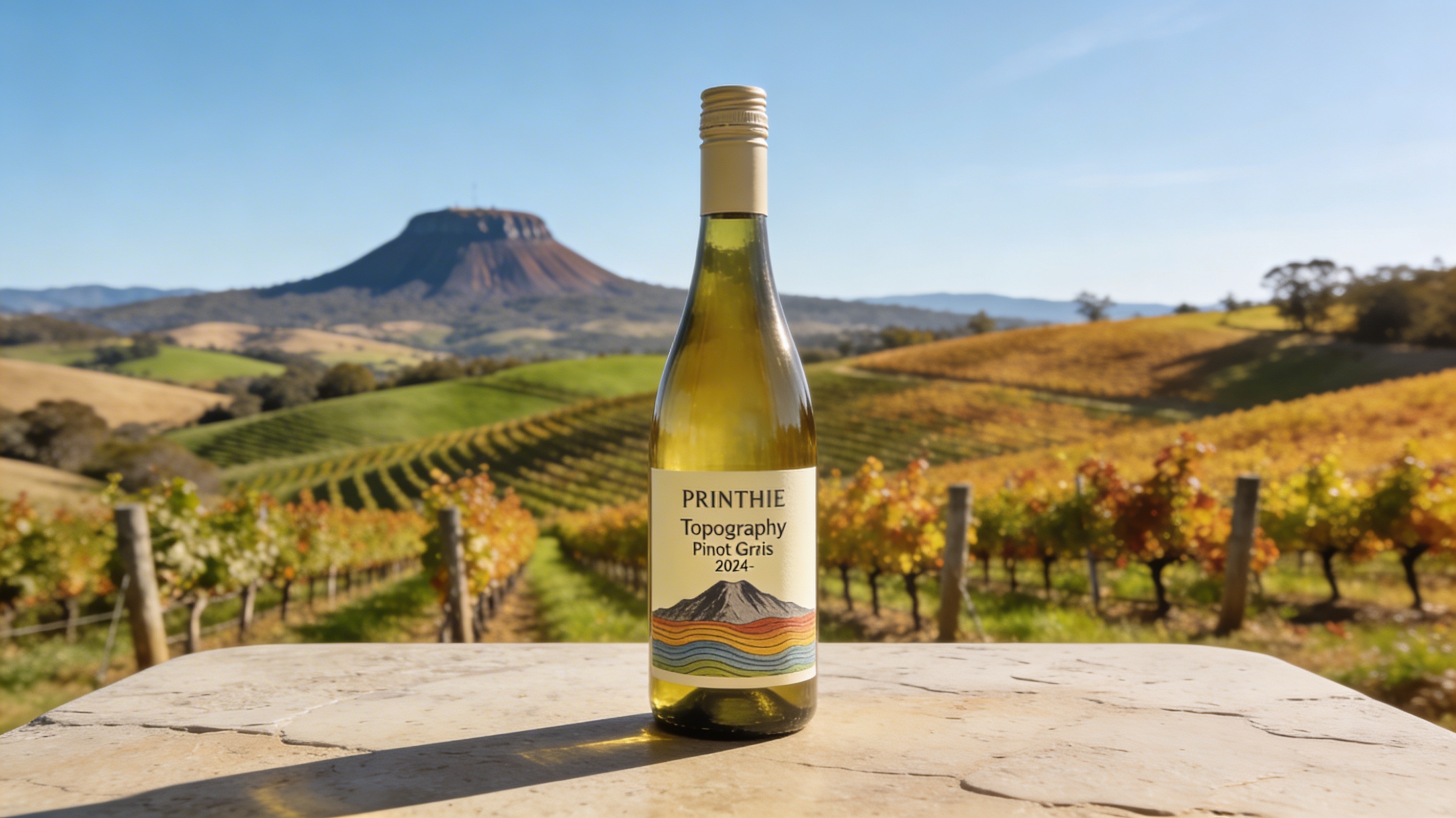
Printhie Topography Pinot Gris 2024 shows exactly why Orange has become one of Australia’s most compelling cool‑climate white regions, offering a textural, gently blushed style that remains bright, dry and gastronomic rather than merely pretty.
Where this wine really comes from
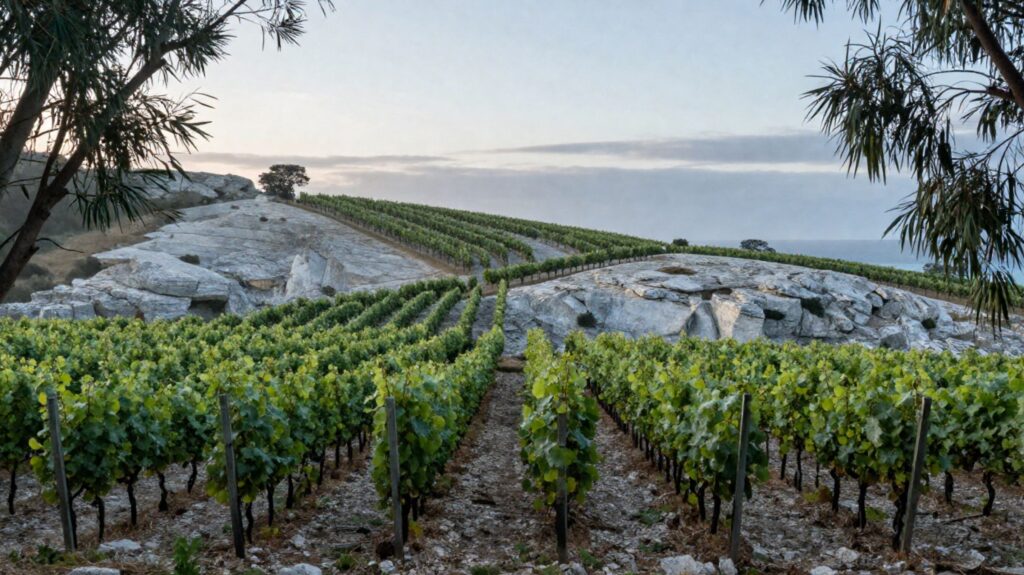
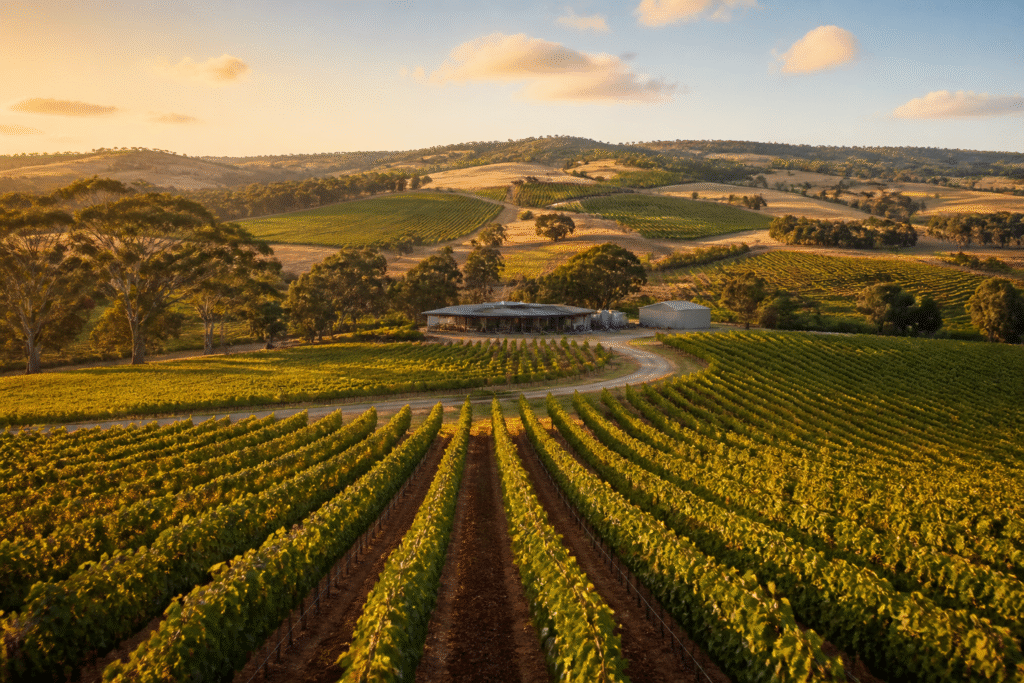
Here is something genuinely fascinating about this wine before the glass is even poured. Pinot Gris is the only white variety planted in the original Printhie vineyard in the north‑west of the Orange region near Molong, which sits at about 630 metres above sea level. That elevation is not a marketing flourish; Orange is the only Australian GI defined explicitly by altitude, with the region beginning at 600 metres around Mount Canobolas and reaching up to 1 100 metres. Cooler air, longer ripening seasons and cold inland nights create what Printhie describes as a genuinely cool‑climate environment, where natural acidity stays bright and flavours develop with precision rather than heat.
This context matters because Pinot Gris can easily become blurred and anonymous in warmer zones. In Orange, the variety is pushed into a more articulate register, with aromatic lift and textural complexity rather than simple sweetness. Printhie Wines themselves work several vineyard sites across different elevations, but for this label the focus is that single cool, rolling site near Molong, capturing a specific slice of volcanic‑derived landscape and its expression of the grape.
Not quite Grigio, not quite Alsace
Stylistically, Printhie positions this wine with refreshing honesty. Most Australian Pinot Gris / Pinot Grigio occupies what the estate calls a “transitional” zone, neither the razor‑sharp, light Italian Grigio nor the full, viscous Alsatian Gris. The 2024 Printhie Topography Pinot Gris is explicitly framed as an attempt to move away from that middle‑of‑the‑road style into something more distinctive, driven by texture, weight and savoury grip rather than simple fruit.
Young Gun of Wine highlighted exactly this character when including the 2024 vintage among Australia’s top Pinot Gris/Grigio releases. In that blind tasting, panelist Loïc Avril described it as a very pretty, blushed pink wine with “jasmine and rose… wonderfully aromatic without feeling like a bowl of pot pourri”, noting neon‑bright acidity, gently spiced stewed peaches and a lingering, confident presence on the palate. It is an instructive description: aromatic and plush, yet anchored by a line of freshness that keeps the wine from feeling heavy.
In the glass: colour, aroma and texture
The colour is one of the first signals that this is not a neutral, supermarket‑style Pinot Grigio. Printhie’s own technical sheet calls it an “obvious rose gold” hue, a direct result of allowing some parcels extended skin contact with the naturally pink‑grey skins of Pinot Gris. That slight blush is completely intentional, designed to build texture and aromatic nuance rather than to chase the so‑called “rosé market.”
On the nose, the wine offers floral lift and orchard‑fruit generosity rather than piercing citrus. Printhie notes pretty floral tones and nashi pear, supported by a gentle background of ginger spice. The Young Gun of Wine panel goes further into jasmine, rose and gently spiced stewed peaches, suggesting a perfume that is expressive but not cloying, with spice and florals layered over ripe stone fruit. It is the kind of aromatics that speak easily even to casual drinkers whilst still rewarding a more analytical sniff.
Texture is where this wine separates itself. Printhie explicitly contrasts a Gris palate that immediately spreads across the mouth with the “straight and narrow acid line” of Grigio. In other words, the first impression is width and weight, a broad, almost glycerol feel, but supported by high‑country acidity rather than depending on sugar. Fine, almost tactile tannins run through the mid‑palate and into the finish, giving the wine a lightly phenolic grip that makes it feel structured rather than soft.
Importantly, residual sugar is kept very low at about 1.4 grams per litre. The winery notes that this minimal sweetness adds just enough weight to the mid‑palate without reading as sweet, which aligns with that dry, food‑centric intent. Alcohol sits at a measured 13.2 percent, with pH and acidity tuned to preserve freshness: a pH of 3.22 and total acidity of 6.4 grams per litre. The numbers back up what the glass suggests: this is a cool‑climate, dry, textural white designed for the table.
Featured Wines
Printhie Mountain Range Cabernet Sauvignon 2023 (6 Bottles) Orange, NSW
Add to Cart
$28.00
/ bottle
$168.00 for a case of 6
Printhie Mountain Range Merlot 2023 (12 Bottles) Orange, NSW
Add to Cart
$23.58
/ bottle
$283.00 for a case of 12
Printhie Mountain Range Shiraz 2023 (6 Bottles) Orange, NSW
Add to Cart
$28.00
/ bottle
$168.00 for a case of 6
Printhie Swift Blanc De Noirs 2021 (6 Bottles) Orange, NSW
Add to Cart
$96.67
/ bottle
$580.00 for a case of 6

Printhie Topography Shiraz 2022 (6 Bottles) Orange, NSW
Add to Cart
$43.00
/ bottle
$258.00 for a case of 6
Why Orange suits this style so well
To understand why this wine feels so poised, it helps to consider Orange itself. The region’s defining elevation means that, for every 100 metres of height, the average air temperature drops by around 0.6 degrees Celsius. Compared with sea‑level vineyards, sites like Printhie’s see significantly cooler growing seasons; the estate notes a roughly 6‑degree difference between some of their high vineyards and coastal areas. Cold inland nights slow the vine’s daily start to photosynthesis, resulting in a longer, more leisurely ripening period.
The outcome in the glass is not abstract. Elevated, cool sites are associated with wines that show more complexity and intensity of aroma, naturally bright acidity and an almost palpable clarity of flavour. In the case of Printhie Topography Pinot Gris 2024, this translates to a wine that can be generous and textural without losing verticality or drive. It is a style that speaks equally well to someone exploring Orange for the first time and to drinkers already deeply engaged with cool‑climate Australian whites.
How to drink it: food, occasions and cellaring
This is not party wine to be forgotten after the first sip. This is a wine that quietly demands a little respect and consideration at the table. The combination of rose‑gold colour, floral aromatics, ripe pear and peach fruit, ginger spice and fine phenolics pushes it straight into the realm of gastronomic whites. Think about that description from the Young Gun of Wine tasting: jasmine, rose, gently spiced stewed peaches and bright, tingling acidity alongside something salty and fatty, described as “how dreams are made.”
In practical terms, that makes this a comfortable partner for richer seafood and white‑meat dishes. One can imagine crisp pork belly with crackling, Korean fried chicken, miso‑glazed salmon or a creamy mushroom pasta benefitting from the wine’s textural spread and savoury grip. The slight ginger note and plush fruit invite pairing with mildly spiced Asian dishes, whilst the dry finish keeps everything in check. It is also a compelling option for cheese boards, particularly with washed rinds and soft, creamy styles that need acidity and texture rather than sheer sharpness.
Although Printhie’s formal cellaring guidance for this exact vintage is not spelled out, the combination of cool‑climate acidity, low sugar and structural tannins suggests that a few years in bottle will not be a problem, and may in fact bring extra honeyed and nutty notes over time. For many Australian drinkers who usually reach for Sauvignon Blanc or light Pinot Grigio, this wine offers a way into more serious, age‑worthy whites without feeling overly demanding. It sits comfortably in a smart mid‑week dinner, yet would not be out of place in a line‑up for those who regularly buy Pinot Gris wine and want a white of equivalent character and intent.
How it fits into an Australian drinker’s choices
For a retailer or venue in Australia, the appeal of Printhie Topography Pinot Gris 2024 lies in the way it bridges everyday drinkability and genuine sophistication. Australian Wine Companion notes that earlier Topography Pinot Gris vintages leaned into a weightier, more Alsatian‑inspired style, with fleshy textures, spice and waxy complexity. The 2024 continues this emphasis on texture and weight, but the cool‑climate acidity and low residual sugar keep it firmly on the dry side of the spectrum.
For customers accustomed to easy, citrus‑driven Pinot Grigio, the rose‑gold colour and floral, pear‑driven nose are likely to be immediate hooks. From there, the story of Orange’s elevation, Printhie’s focus on single‑vineyard expression and the wine’s inclusion in respected national Pinot Gris/Grigio tastings all provide compelling talking points at the shelf or the table. It is the sort of bottle that can happily sit in a “discover Orange” line‑up, but it also works neatly as a more textural alternative for those who regularly buy Pinot Gris wine and are looking for a white with similar emphasis on structure and savoury detail rather than simple fruitiness.
Used deliberately on a list or online store, the name itself carries some weight. Printhie Topography Pinot Gris 2024 has been singled out as one of the standout Australian examples of the style, with critics emphasising its aromatic lift, texture and bright, neon‑like acidity. In a market where Pinot Gris can sometimes blur into anonymity, this wine offers a clearly defined personality rooted in a specific cool‑climate vineyard, a thoughtfully articulated style choice and a track record of critical recognition.

 Shiraz
 Cabernet Sauvignon
 Pinot Noir
 Grenache
 Merlot
 Red Wine Blends
 Chardonnay
 Riesling
 Pinot Gris
 Semillon
 Viognier
 Grenache Rosé
 Pinot Noir Rosé
 Shiraz Rosé
 Sangiovese Rosé
 Aglianico Rosé
 Clairette Rose
 Champagne
 Prosecco
 Sparkling Shiraz
 Blanc de Blanc
 Blanc de Noir
 Pet Nat
 Moscato
 Topaque
 Port
Port Sherry (dry & sweet)
 Muscat & Tokay
 Vermouth