 0473 644 098 · Mon–Fri 9am–5pm AESTHelp & FAQ


Yarra Yering Dry Red Wine No. 1 2023: Blend of the Year 2026

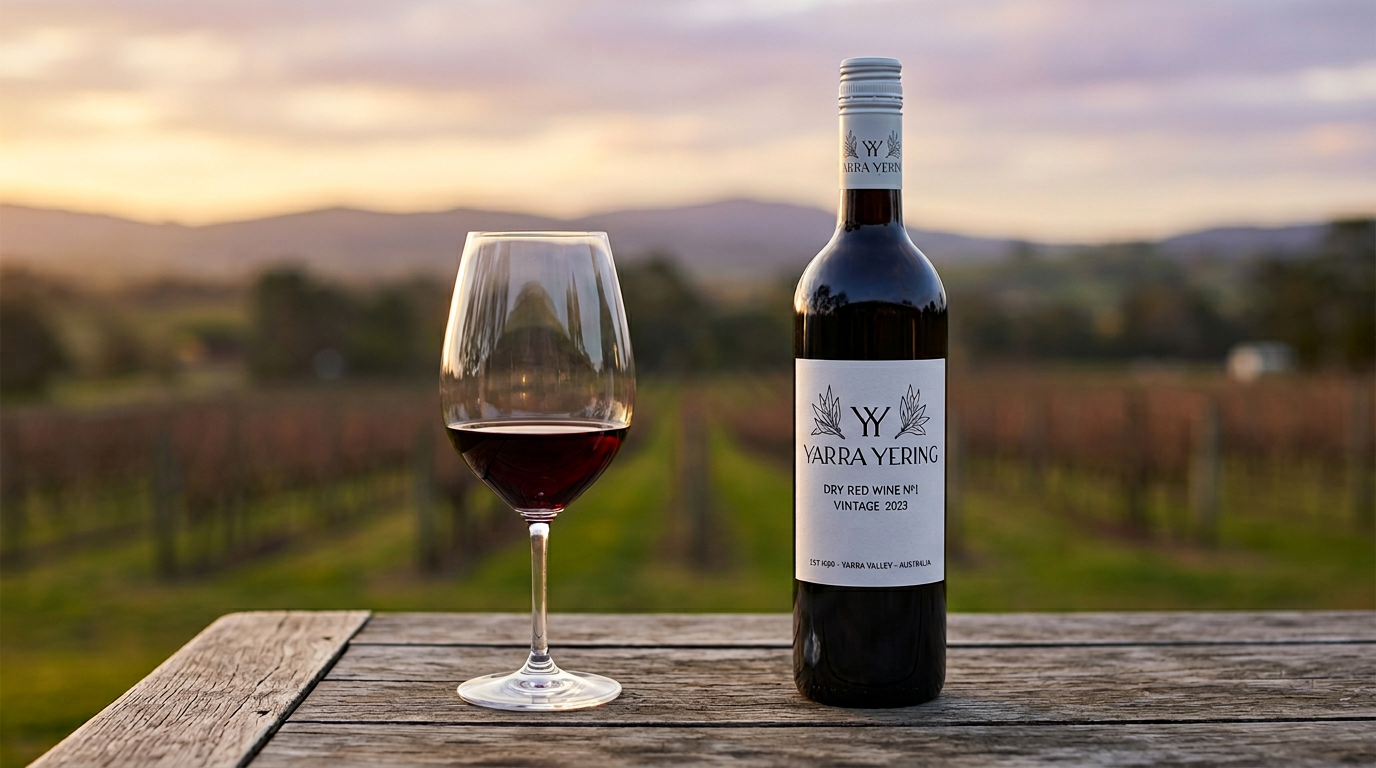
When a classic hits a new high
Some wines carry a sense of inevitability about them. Dry Red Wine No. 1 from Yarra Yering has long been one of those labels that serious drinkers simply assume will be excellent every year. Yet every so often a vintage arrives that pushes even those expectations higher. Yarra Yering Dry Red Wine No. 1 2023 is one of those vintages, crowned Blend of the Year 2026 and awarded 99 points by Halliday Wine Companion. Those accolades do not create the wine, but they do confirm what many tasters already suspected in the glass.
For anyone who has followed the evolution of this Yarra Valley benchmark, the 2023 release feels like a confident statement that the style remains as relevant as ever. It is an old idea sharpened by modern precision: a Bordeaux‑inspired blend that tastes unmistakably like its Australian home. In future conversations about the estate, this vintage will sit alongside the great years that shaped the reputation of both winery and region.
Why Halliday’s 99‑point score matters
Wine scores are not everything, yet they still shape how bottles move through the world. Halliday Wine Companion remains one of the key guides for Australian drinkers and the trade, and a 99‑point rating sits just one step below the theoretical pinnacle. To see Dry Red Wine No. 1 take both that score and the title of Blend of the Year 2026 signals an exceptional level of critical consensus.
What makes this recognition compelling is that Dry Red Wine No. 1 is not a flashy newcomer. First made in 1969 by the late Dr Bailey Carrodus, it has been refined over decades and generations of drinkers. When a long‑established label earns such a high rating today, it suggests more than simple nostalgia. It says the wine speaks clearly to contemporary tastes: balance over brute force, layered complexity rather than simple density, and genuine ageability without sacrificing early pleasure.
For collectors who track vintages, 2023 inevitably becomes a marker year. It will be compared with earlier peaks in the line, and its performance in bottle over the next decade or more will be watched closely. That sort of narrative is what turns a wine from a product into a story.
Blend and style in 2023
Dry Red Wine No. 1 has always drawn its inspiration from classic Bordeaux, but it is no copy. Cabernet Sauvignon leads the blend, supported by Merlot, Malbec and Petit Verdot, all sourced from mature vines rooted in the free‑draining, gravelly soils of the Yarra Valley. The exact proportions shift with the season. In 2023, a cool to moderate growing year allowed long, even ripening, particularly kind to Cabernet, which needs time for tannins and flavour to align without pushing sugars too high.
In the glass, the 2023 vintage sits in that sweet spot between restraint and generosity. There is a core of blackcurrant, dark cherry and blackberry, layered with hints of tobacco leaf, cedar, graphite and dried herb. French oak shows as polish rather than overt sweetness; it frames the fruit and the tannin structure instead of competing with them. What stands out most is the line of acidity and the precision of the palate: the wine seems to glide rather than stomp, leaving a trail of dark fruit, spice and savoury nuance.
That combination of fruit purity, structure and length explains why many commentators see this label as one of Australia’s most faithful expressions of Cabernet‑based blending. In 2023 those attributes appear in especially sharp focus, which goes a long way toward explaining its awards haul.
How Yarra Yering shapes Dry Red Wine No. 1
Behind the elegance of the finished wine lies a very deliberate approach in both vineyard and cellar. Fruit for Dry Red Wine No. 1 comes from low‑yielding estate vines, many planted in the late 1960s and 1970s. Yields are kept modest to ensure concentration, but not so low that the wine becomes heavy or monolithic. Hand harvesting allows careful selection in the vineyard, and parcels are kept separate through fermentation to preserve their individual voices.
In the winery, small open fermenters are used, often with a proportion of whole berries to moderate extraction. Pump‑overs and hand plunging keep the cap of skins integrated with the fermenting juice, but the touch remains gentle. The aim is to capture fine, long tannins rather than sheer quantity. After pressing, the different varieties and blocks spend time in French oak, with a measured proportion of new barrels introduced each year. Blending takes place only after maturation has given each component time to show what it brings to the whole.
The result in 2023 is a structure that feels both authoritative and seamless. Tannins are plentiful but polished; they carry the flavour rather than standing apart from it. That is the hallmark of careful extraction and patient oak ageing, and it is one of the reasons this wine continues to attract drinkers who enjoy Cabernet blends from across the world.
Food pairings that do it justice
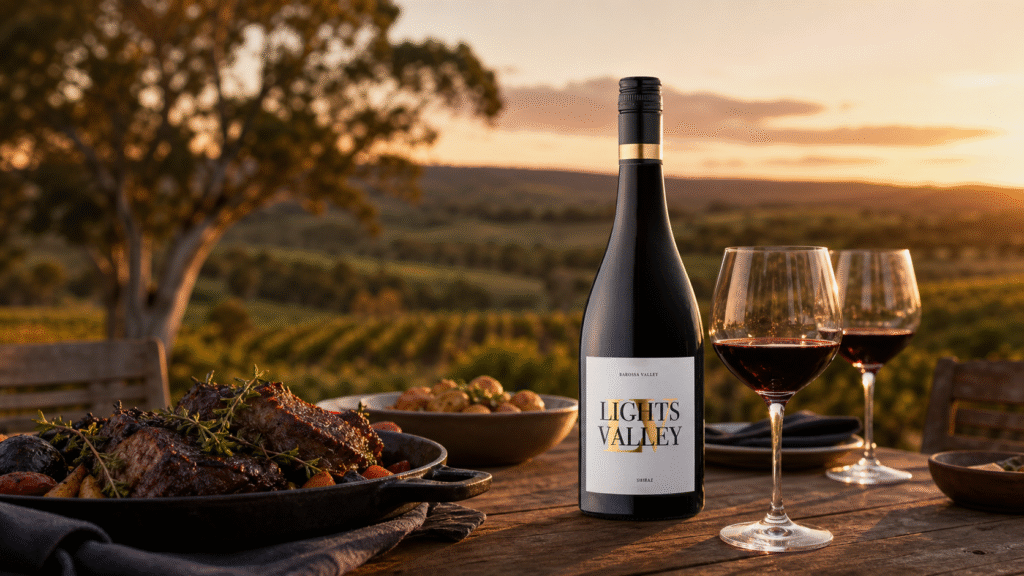
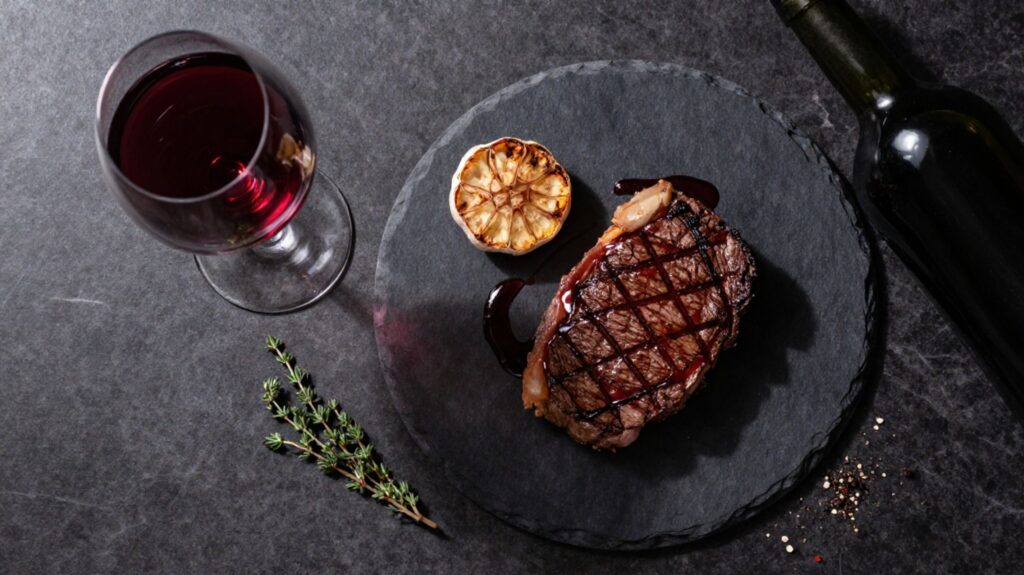
A wine of this stature deserves thoughtful food. The classic pairings for Cabernet‑based blends work beautifully: roast lamb with rosemary and garlic, grilled rib‑eye steak, or slow‑braised beef cheeks. The tannin finds its natural partner in protein and fat, softening on the palate as it meets rich, savoury dishes. For those who prefer a plant‑based table, roasted mushrooms, charred eggplant with miso glaze, or a deeply flavoured lentil and root‑vegetable pie can provide a satisfying match.
Because the wine has such clarity and length, it also holds its own in more formal settings. It is the kind of bottle that suits a multi‑course dinner centred on beef or lamb, or a slow Sunday lunch that stretches over several hours. Opening Yarra Yering Dry Red Wine No. 1 2023 in that context signals that the wine is part of the occasion, not an afterthought.
Cellaring potential and why this vintage will be chased
One of the longstanding attractions of Dry Red Wine No. 1 has been its ability to age gracefully. Previous vintages have shown that, with proper cellaring, the wine can evolve for decades, developing notes of leather, cigar box, dried flowers and forest floor while retaining a core of fruit. The 2023 release, with its depth, freshness and finely tuned structure, clearly belongs in that lineage.
For those who enjoy following a wine over time, this vintage invites patience. Opening a bottle in its first few years will showcase intensity, energy and pristine fruit; revisiting it at five, ten or fifteen years will reveal new layers of savoury detail. That dual appeal – delicious now, promising later – is part of what makes the 99‑point rating and Blend of the Year title feel earned rather than merely impressive.
Given Yarra Yering’s international reputation and the naturally modest production levels, this is not a wine that will linger on shelves. The name Yarra Yering Dry Red Wine No. 1 2023 will inevitably become a touchstone in discussions of modern Australian Cabernet blends, a vintage that shows how finesse, fragrance and line can coexist with depth and intensity.
Why this wine matters beyond the score
In the end, the importance of this release goes beyond a single rating or trophy. It stands as evidence that classic Australian blends can feel absolutely current. It shows that a wine grounded in decades of tradition can still surprise people who think they already know the style, and that attention to detail in vineyard and cellar is just as powerful as any marketing story.
For long‑time followers of the estate, the 2023 vintage will be a must‑have addition to existing verticals. For newer drinkers, it offers a clear, confident introduction to what great Yarra Valley Cabernet‑based blends can be. In both cases, the path is the same: find a bottle, give it time in the glass, and let Dry Red Wine No. 1 explain why it has just been named Blend of the Year.

 Shiraz
 Cabernet Sauvignon
 Pinot Noir
 Grenache
 Merlot
 Red Wine Blends
 Chardonnay
 Riesling
 Pinot Gris
 Semillon
 Viognier
 Grenache Rosé
 Pinot Noir Rosé
 Shiraz Rosé
 Sangiovese Rosé
 Aglianico Rosé
 Clairette Rose
 Champagne
 Prosecco
 Sparkling Shiraz
 Blanc de Blanc
 Blanc de Noir
 Pet Nat
 Moscato
 Topaque
 Port
Port Sherry (dry & sweet)
 Muscat & Tokay
 Vermouth