 0473 644 098 · Mon–Fri 9am–5pm AESTHelp & FAQ


Pinot Gris vs Pinot Grigio: A Tale of Texture, Terroir, and Tradition

How the Same Grape Tore Itself in Two
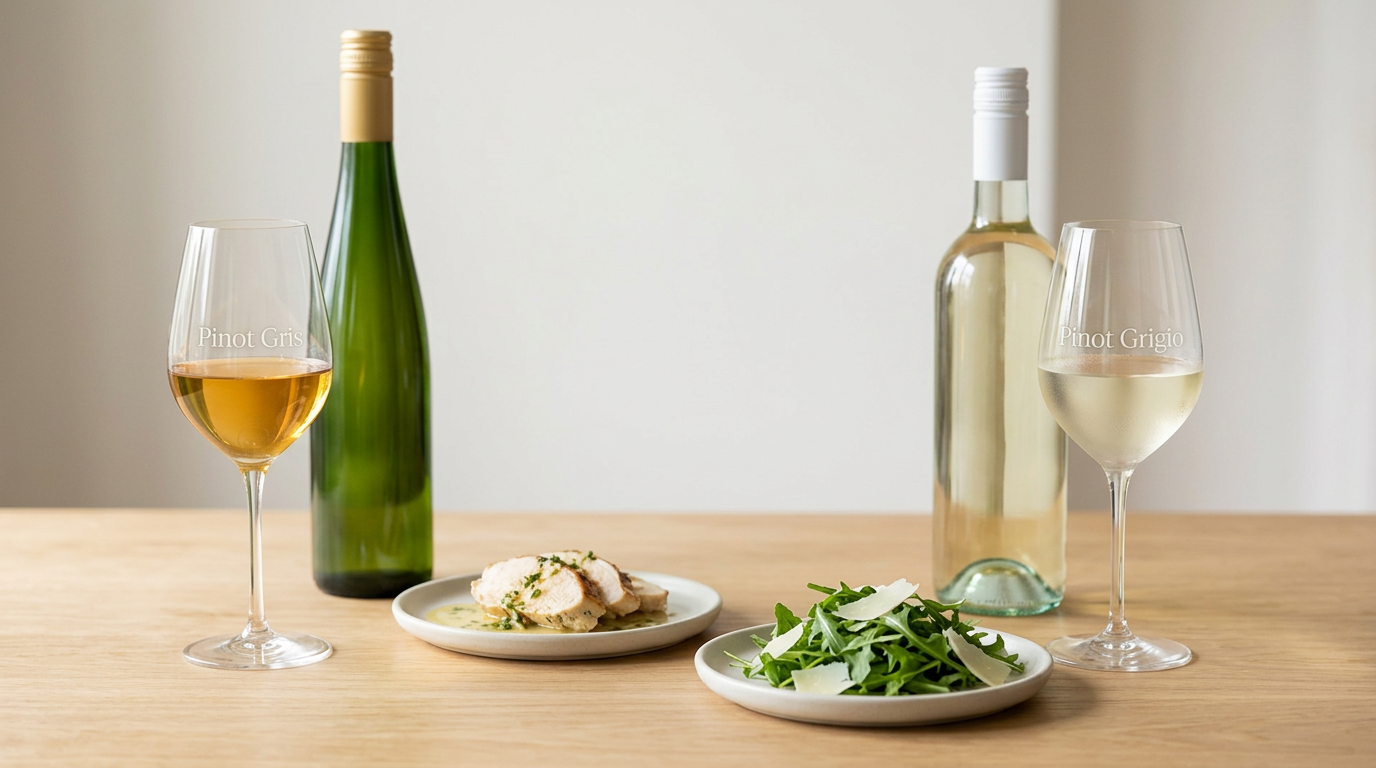
Few grapes illustrate the effect of place and tradition more vividly than Pinot Gris. Genetically, Pinot Gris and Pinot Grigio are identical, the same mutation from Pinot Noir, producing greyish-pink berries instead of black. Yet across centuries, the grape has evolved along two distinct cultural and stylistic paths. The French, particularly in Alsace, made Pinot Gris into a textural, aromatic expression of terroir. The Italians, especially in the cooler northern reaches like Friuli-Venezia Giulia and Trentino-Alto Adige, shaped Pinot Grigio into something far more restrained, crisp, and refreshing.
To put it simply, Pinot Gris speaks of richness and spice, while Pinot Grigio speaks of light and steel. But the real story lies in how each came to embody those attributes.
From Burgundy to the Rhine, and Then to the Alps
Although most drinkers associate Pinot Gris with Alsace, the grape’s ancestry belongs to Burgundy, where its original form, known as Fromenteau in medieval records, grew alongside Pinot Noir and Pinot Blanc. Travelling east across the Rhine, it found a new home in Alsace, where the region’s cool climate and long, dry autumns allowed slow ripening and powerful flavours.
Alsatian producers recognised its potential for producing wines with greater aromatic intensity than many other whites, ranging from dry to off-dry and even sweet late-harvest expressions. Meanwhile, the same grape crossed the Alps into Italy, where local vignerons dubbed it Pinot Grigio and, especially from the late 20th century, increasingly favoured light, dry, high-acid styles designed for casual, early drinking.
Italian growers, particularly in the north, focused on simplicity and freshness, qualities that work beautifully with coastal cuisine and modern lunch-time drinking. Over time, the two names stopped being mere linguistic variants and became shorthand for two quite different philosophies of white wine.
Why They’re the Same (and Why They’re Not)
Genetically, there is no difference between Pinot Gris and Pinot Grigio; both are colour mutations of Pinot Noir. In theory, either could produce similar wines if grown and vinified under the same conditions, yet in practice terroir and tradition push them apart. In Alsace, grapes are often picked later, from low-yielding sites, resulting in riper fruit, more concentration, and fuller texture.
Northern Italian regions, by contrast, typically harvest earlier, preserve high acidity, and ferment in stainless steel at cool temperatures to emphasise brightness and minimal aromatics. The result is that Pinot Gris has become associated with weight, spice, and sometimes a touch of sweetness, while Pinot Grigio is associated with lean, zesty, dry refreshment.
Many New World regions, including Australia, now exploit this dual identity. Producers frequently label richer, more Alsatian-inspired wines as Pinot Gris, and lighter, crisper, stainless-steel styles as Pinot Grigio, giving drinkers a stylistic cue straight from the front label.
 $34.00
/ bottle
$204.00 for a case of 6
$34.00
/ bottle
$204.00 for a case of 6
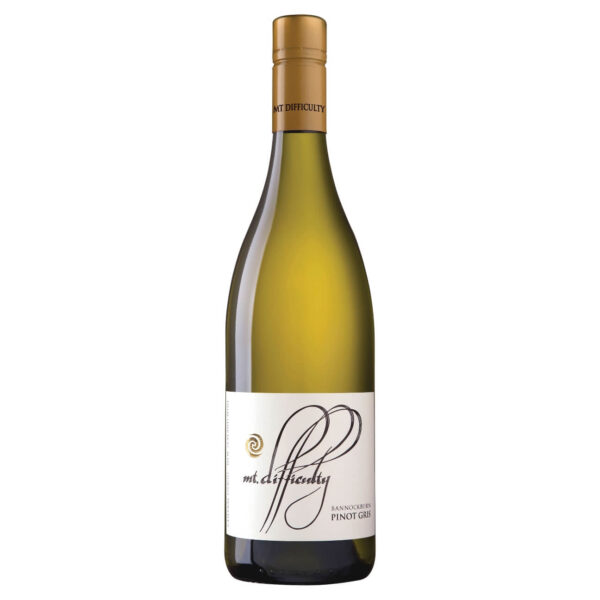
Mt Difficulty Bannockburn Pinot Gris /25
Shipped by
Wines Australia
$34.00
/ bottle
$204.00 for a case of 6
 $37.00
/ bottle
$444.00 for a case of 12
$37.00
/ bottle
$444.00 for a case of 12
Nashdale Lane Wines Colour Series Pinot Gris
Shipped by
Wine Cellars
$37.00
/ bottle
$444.00 for a case of 12
 $22.33
/ bottle
$268.00 for a case of 12
$22.33
/ bottle
$268.00 for a case of 12
 $21.67
/ bottle
$260.00 for a case of 12
$21.67
/ bottle
$260.00 for a case of 12
 $24.58
/ bottle
$295.00 for a case of 12
$24.58
/ bottle
$295.00 for a case of 12
 $25.00
/ bottle
$300.00 for a case of 12
$25.00
/ bottle
$300.00 for a case of 12
 204 pts
 Pinot Gris vs Pinot Grigio: Which Is Sweeter?
When drinkers ask which is sweeter, they are really asking about style rather than variety. Classic Alsace Pinot Gris often comes in dry, off-dry, and occasionally fully sweet versions, with flavours of ripe pear, peach, honey, and spice that can create a pronounced sense of richness. Even when analytically dry, that weight and fruit profile can feel gently sweet on the palate.
By contrast, mainstream Italian Pinot Grigio is almost always vinified fully dry, with fermentation carried through until almost all residual sugar is gone. Typical flavours include lime, lemon, green apple, and light floral tones, carried by brisk acidity and a clean, slightly bitter finish.
So, in broad terms, Pinot Gris tends to taste richer and often sweeter, whether through actual sugar or through its ripe, textural profile, whereas Pinot Grigio presents as firmly dry and linear, which is exactly what many drinkers have in mind when they buy Pinot Gris for mildly spicy dishes or creamy, sauce‑driven cooking. There are exceptions, particularly inexpensive, slightly sweet commercial Pinot Grigio and bone-dry modern Alsace Pinot Gris, but the rule generally holds.
Winemaking Choices That Shape Personality
The stylistic fork between the two names is reinforced in the cellar. Producers leaning into the Pinot Gris identity often harvest later for greater ripeness, may use old oak barrels for fermentation or ageing, and frequently leave the wine on lees to build texture, savoury nuance, and a creamy mouthfeel. This approach can highlight smoky, spicy, or honeyed notes alongside stone-fruit richness.
Winemakers crafting Pinot Grigio typically prioritise freshness. Grapes are picked earlier, pressed quickly, and fermented in stainless steel at cool temperatures, with minimal lees contact and early bottling to lock in primary fruit and acidity. The aim is clarity, lightness, and refreshment rather than complexity or weight.
Interestingly, some high-quality Italian producers, particularly in regions such as Friuli, have started to explore more structured, textural Pinot Grigio, including skin-contact “ramato” styles, blurring the old boundaries and showing that Italian Pinot Grigio can be far more serious than its mass-market image suggests.
The Wines Themselves: What Do They Taste Like?
A benchmark Alsace Pinot Gris typically shows ripe pear, apricot, ginger, and sometimes smoky or flinty notes, often wrapped in a broad, almost waxy texture. With age, these wines can develop flavours of almond, beeswax, and subtle honey, while retaining enough acidity to stay balanced rather than cloying.
A classic northern Italian Pinot Grigio from regions such as Trentino-Alto Adige tends to be light-bodied and brisk, with flavours of citrus, green apple, white nectarine, and a faint saline or mineral edge. The finish is usually clean and refreshing, sometimes with a delicate bitter almond note that adds structure.
New World versions, including those from Australia and the United States, cover a spectrum between these poles. Cooler Australian regions often label lighter wines as Pinot Grigio and richer, sometimes slightly off-dry wines as Pinot Gris, making stylistic intentions explicit for drinkers seeking either vibrancy or texture.
 $27.00
/ bottle
$162.00 for a case of 6
$27.00
/ bottle
$162.00 for a case of 6
Santi Sortesele Pinot Grigio UV
Shipped by
Oatley Fine Wine Merchants
$27.00
/ bottle
$162.00 for a case of 6
 $17.83
/ bottle
$214.00 for a case of 12
$17.83
/ bottle
$214.00 for a case of 12

 $37.42
/ bottle
$449.00 for a case of 12
$37.42
/ bottle
$449.00 for a case of 12
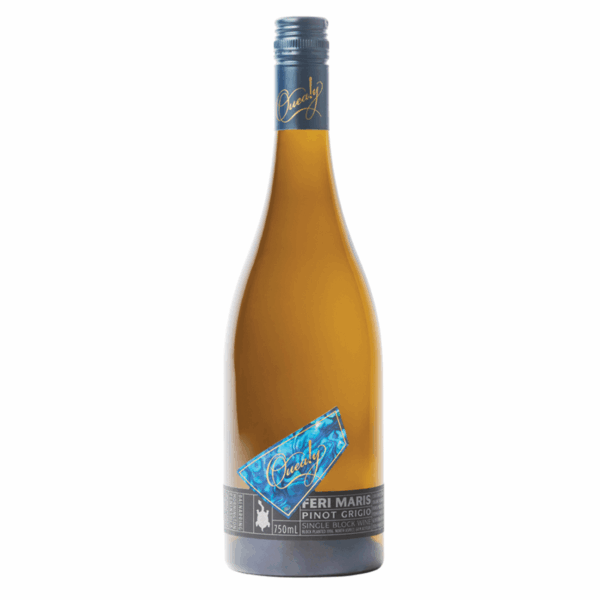
Quealy Winemakers Feri Maris Pinot Grigio
Shipped by
Fine Wine Cellars
$37.42
/ bottle
$449.00 for a case of 12


 $27.33
/ bottle
$328.00 for a case of 12
$27.33
/ bottle
$328.00 for a case of 12
 $29.67
/ bottle
$178.00 for a case of 6
$29.67
/ bottle
$178.00 for a case of 6
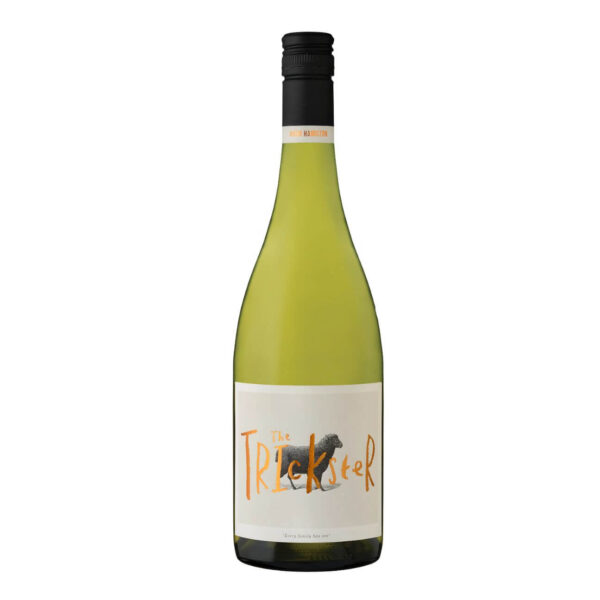
Hugh Hamilton The Trickster Pinot Grigio
Shipped by
Hugh Hamilton Wines
$29.67
/ bottle
$178.00 for a case of 6
 $38.17
/ bottle
$229.00 for a case of 6
$38.17
/ bottle
$229.00 for a case of 6
Pinot Gris vs Pinot Grigio Wine Pairing
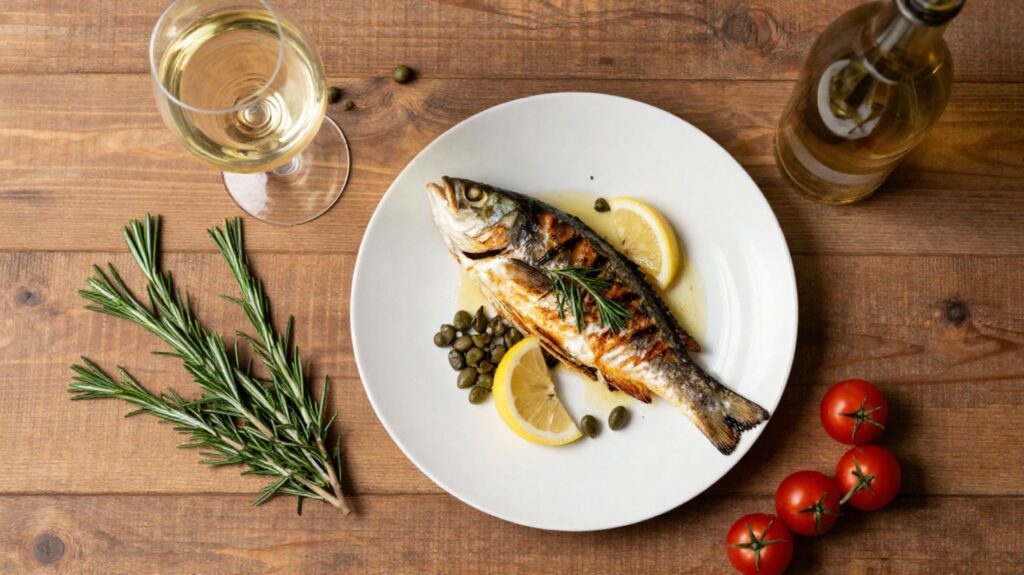
On the table, the divide becomes especially useful. Dry, high-acid Pinot Grigio suits delicate dishes: think grilled calamari with lemon, simple white fish, fresh salads, or antipasti where salt, herbs, and subtle flavours dominate, so people searching for Pinot Grigio for seafood are really looking for this bright, clean style. Its role is to refresh rather than compete, cutting through oil and salt without overshadowing the food.
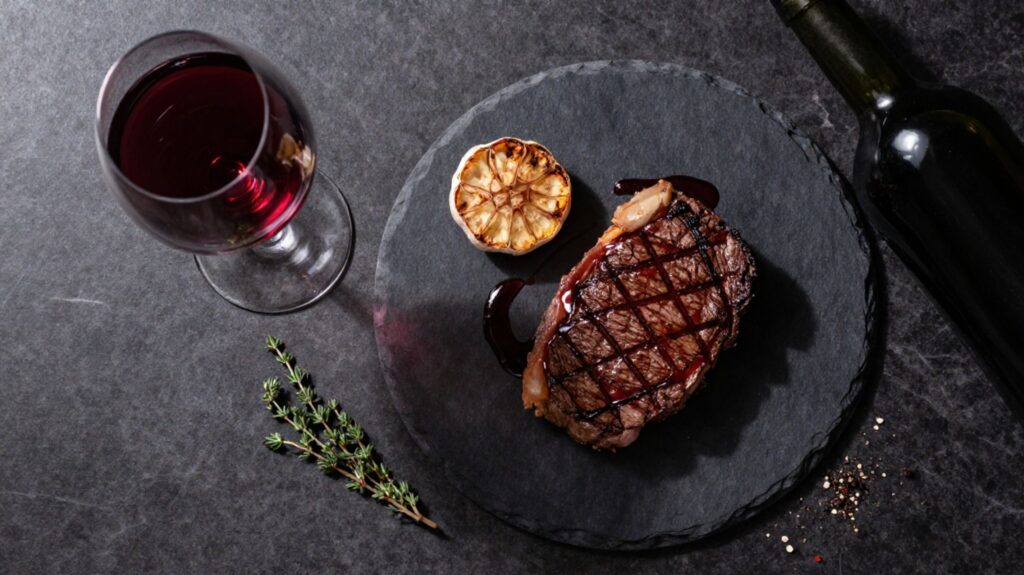
Pinot Gris, with its fuller body and often riper fruit profile, pairs beautifully with richer or gently spiced dishes. Classic partners include pork, roast chicken, cream-based sauces, or lightly spiced Asian dishes where a touch of sweetness and texture can soften heat and complement aromatics. Off-dry or late-harvest versions can even work alongside dishes with sweetness or as an alternative to dessert wine.
In practical terms, one can think of Pinot Grigio as the wine for fresh, bright, simple plates and Pinot Gris as the wine for depth, sauce, and spice. Having both on a table gives flexibility across a multi-course meal.
The Modern Global Perspective
Globally, the names now function more as stylistic markers than strict geographic labels. Alsace continues to champion concentrated, often complex Pinot Gris in multiple sweetness levels, while Italy remains the heartland of crisp, dry Pinot Grigio that has become a staple of casual white wine drinking worldwide.
Beyond Europe, countries such as Australia, New Zealand, and the United States use the choice of “Gris” or “Grigio” on the label to signal intent, with cooler-climate regions in particular producing some notably refined examples in both camps. The same grape, in other words, has become a global mirror for local preference and philosophy.
For Australian drinkers, this split offers genuine choice. Those seeking energy, citrus, and crunch will naturally gravitate towards wines labelled Pinot Grigio, while those looking for spice, texture, and food-friendly richness will find what they want under Pinot Gris. Both are valid, and the most rewarding approach is to treat them as complementary rather than competitors.




 Shiraz
 Cabernet Sauvignon
 Pinot Noir
 Grenache
 Merlot
 Red Wine Blends
 Chardonnay
 Riesling
 Pinot Gris
 Semillon
 Viognier
 Grenache Rosé
 Pinot Noir Rosé
 Shiraz Rosé
 Sangiovese Rosé
 Aglianico Rosé
 Clairette Rose
 Champagne
 Prosecco
 Sparkling Shiraz
 Blanc de Blanc
 Blanc de Noir
 Pet Nat
 Moscato
 Topaque
 Port
Port Sherry (dry & sweet)
 Muscat & Tokay
 Vermouth