 0473 644 098 · Mon–Fri 9am–5pm AESTHelp & FAQ


Where in the World to Find Award-Winning Shiraz – A Regional Journey Through the Grape’s Global Dominion

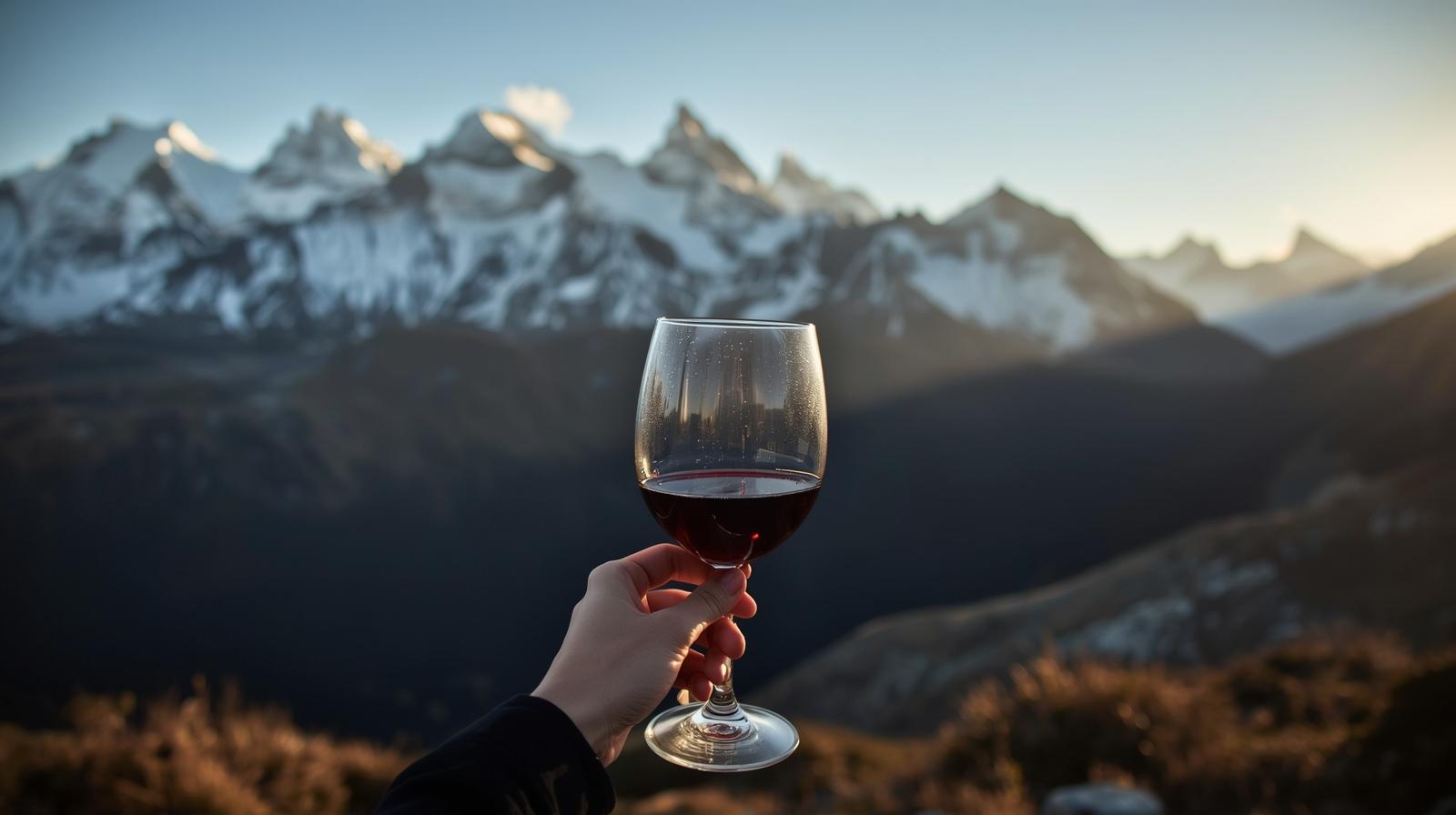
If you ask a casual wine drinker about Shiraz, they’ll point you to Australia. If you ask a sommelier about Syrah, they’ll point you to France. If you ask a serious collector where the actual trophies are landing right now, they’ll give you a much more complicated answer.
The world of Shiraz has fundamentally shifted. For decades, we knew exactly where to look: Barossa Valley meant power and plump fruit, Northern Rhône meant elegance and peppery minerality. Those regions are still producing brilliant wines. But the conversation has moved on. The awards are spreading, the recognition is broader, and some genuinely unexpected regions are proving they’ve cracked the code.
Let me walk you through where the best award-winning Shiraz is actually being made right now.
The Barossa Valley: Still the Heavyweight, But with Questions
The Barossa is Australian Shiraz’s spiritual home, and it still produces some of the most celebrated bottles in the country. This is where the fruit reaches full maturity, where the heat of the valley floor coaxes ripeness that feels almost luxurious. The wines are rich, full-bodied, intensely flavoured. They announced themselves to the world and changed what people thought Australian wine could be.
But here’s the thing: if you’re hunting for the awards right now, the Barossa itself is increasingly playing second fiddle to its cooler neighbour, the Eden Valley.
Don’t get me wrong. The Barossa’s pedigree is undeniable, and certain old-vine parcels continue to produce benchmark wines. But the trajectory matters. The wines winning major international competitions in 2024 are increasingly coming from higher altitude sites where the ripening window extends longer, where the acidity remains fresher, where the wines gain structure alongside their fruit.
The Barossa taught Australia how to make Shiraz. The Eden Valley is teaching the world that Australian Shiraz can be sophisticated.
The Eden Valley: Where the Modern Trophy Winners Live
Sitting immediately adjacent to the Barossa but significantly higher in altitude, the Eden Valley exists in a different climate entirely. This elevation, often topping out at over 600 metres above sea level, changes everything. The growing season stretches. The grapes accumulate flavour complexity before they reach full ripeness. The acidity persists. The wines, as a result, have backbone alongside their fruit.
This is the region winning the serious international competitions right now. “This is only the second Eden Valley shiraz to fight its way to our Best in Show selection,” noted the Decanter judges when awarding the 2024 Best in Show to Chaffey Bros ‘Evangeline’ Syrah. “Its emphatic, showstopping character underlines how well this slightly higher-altitude zone is suited to South Australia’s favourite red variety.”
The wines possess that core of intense fruit you expect from South Australia, but they’re not one-dimensional fruit bombs. They’re structured, ageworthy, capable of developing fascinating secondary characteristics over a decade or more.
If you’re serious about understanding where modern Australian Shiraz is heading, the Eden Valley is where that conversation is happening. The region has quietly become the proving ground for the argument that Australian wine can be both powerful and elegant simultaneously.
The Northern Rhône: The Philosophical Benchmark
The Northern Rhône remains the reference point for Syrah globally, and there’s good reason for that. In this narrow stretch of the Rhône valley in eastern France, Syrah isn’t just a grape; it’s the only red grape permitted. The locals have been perfecting their relationship with this variety for centuries.
The wines here taste fundamentally different from their Australian cousins. Where Barossa Shiraz is fruit-forward and immediately approachable, Northern Rhône Syrah is savoury, peppery, herbal. There’s an earthiness here. You taste the granite soils, the cool river breezes, the struggle of the vine to ripen in a marginal climate. The wines smell of cracked black pepper, of violets, of smoked bacon. They require patience. They demand food. They reveal themselves gradually over decades.
The region divides into distinct terroirs, each with its own character. Côte-Rôtie produces silky, perfumed wines that seduce you with elegance. Hermitage brings raw power, wines so structured they often need twenty years to become approachable. Cornas offers something wilder, more primal, less refined. Each represents a different expression of Syrah’s essential character.
“The boldest and most tannic of all the Northern Rhône Syrah” is how critics describe Cornas, where granitic clay soils support steep terraces that produce wines of uncompromising intensity. This is where you go to understand Syrah philosophically. Not necessarily to find the flashiest trophy winners, but to grasp why this grape matters and what it’s genuinely capable of expressing.

 $42.00
/ bottle
$252.00 for a case of 6
$42.00
/ bottle
$252.00 for a case of 6
 $31.17
/ bottle
$187.00 for a case of 6
$31.17
/ bottle
$187.00 for a case of 6
 $46.75
/ bottle
$561.00 for a case of 12
$46.75
/ bottle
$561.00 for a case of 12
Smallwater Estate Shiraz
Shipped by
Smallwater Estate, Geographe Wine Region
$46.75
/ bottle
$561.00 for a case of 12
 $17.42
/ bottle
$209.00 for a case of 12
$17.42
/ bottle
$209.00 for a case of 12
Killibinbin Sneaky Shiraz
Shipped by
Oatley Fine Wine Merchants
$17.42
/ bottle
$209.00 for a case of 12
 Hot
Hot
 $150.00
/ bottle
$900.00 for a case of 6
$150.00
/ bottle
$900.00 for a case of 6
 $17.00
/ bottle
$102.00 for a case of 6
$87
off RRP
-36% Hot
$17.00
/ bottle
$102.00 for a case of 6
$87
off RRP
-36% Hot
 $40.00
$25.50
/ bottle
$153.00 for a case of 6
$40.00
$25.50
/ bottle
$153.00 for a case of 6
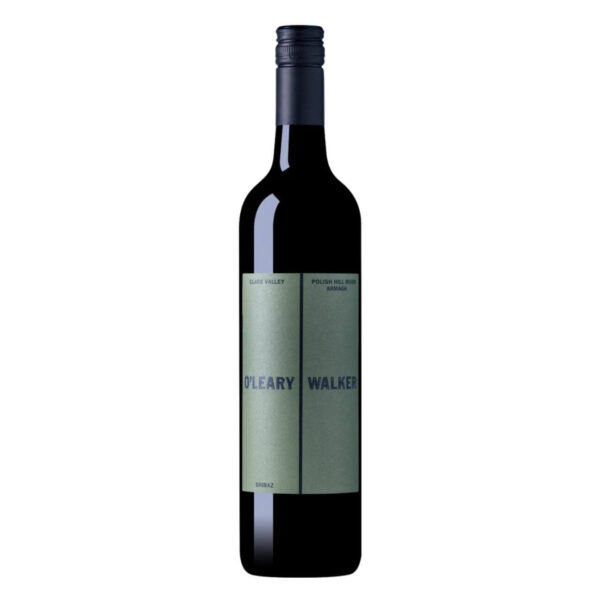
O'Leary Walker Clare Valley Shiraz
Shipped by
Wines By Cellars
$40.00
$25.50
/ bottle
$153.00 for a case of 6
 $30.17
/ bottle
$181.00 for a case of 6
$30.17
/ bottle
$181.00 for a case of 6
 $22.50
/ bottle
$135.00 for a case of 6
$22.50
/ bottle
$135.00 for a case of 6
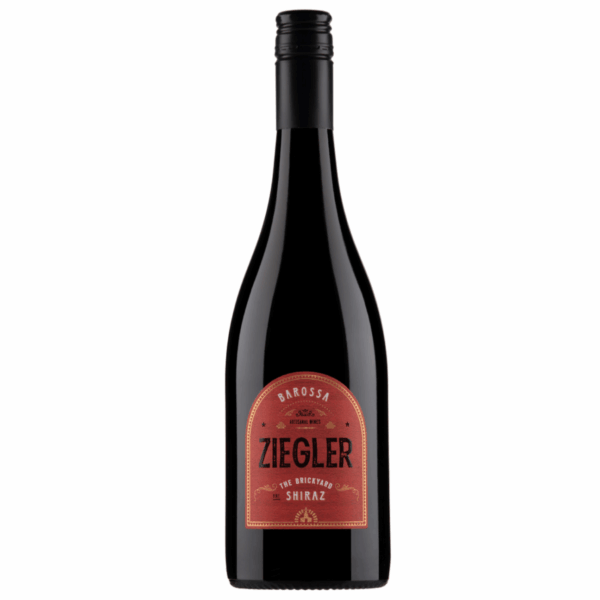
Ziegler The Brickyard Shiraz
Shipped by
Oatley Fine Wine Merchants
$22.50
/ bottle
$135.00 for a case of 6
 $74.00
/ bottle
$222.00 for a case of 3
$74.00
/ bottle
$222.00 for a case of 3
 $25.50
/ bottle
$153.00 for a case of 6
$25.50
/ bottle
$153.00 for a case of 6
Pikes 'Los Compañeros' Shiraz Tempranillo
Shipped by
Oatley Fine Wine Merchants
$25.50
/ bottle
$153.00 for a case of 6
 $30.67
/ bottle
$184.00 for a case of 6
$30.67
/ bottle
$184.00 for a case of 6
 252 pts
 New Zealand: The Unexpected Trophy Collector
Here’s where things get interesting. New Zealand’s wine reputation rests on Sauvignon Blanc and, increasingly, sophisticated Pinot Noir. But walk into any New Zealand winery and ask the winemakers what they’re genuinely excited about, and they’ll often tell you it’s Syrah.
This is the region’s best-kept secret. New Zealand Syrah combines French elegance with New World fruit clarity. It tastes like what would happen if you could take everything interesting about the Northern Rhône and clarify it, brighten it, make it more immediately approachable without sacrificing complexity.
In 2024, this secret started becoming public. New Zealand producers began winning major international Syrah competitions, awards that had historically gone to the French and Australian establishments. The Kennedy Point Vineyard Syrah 2021 from Waiheke Island took home the International Syrah Trophy at the 2024 International Wine Challenge, beating out every other Syrah in the world.
Hawke’s Bay, on the east coast of the North Island, is the epicentre. The region’s gravelly soils and maritime influence create wines with remarkable freshness and complexity. Local expert Matt Kirby noted that “the high-quality of wines in the judging line up was a fantastic showcase of what our region has to offer” after the 2024 regional awards.
These wines are changing the global conversation about Syrah. They’re proving that cool-climate Syrah doesn’t have to taste French to be sophisticated. They’re showing that New World terroir can produce wines every bit as age-worthy and intellectually interesting as established European regions.
The Adelaide Hills: The Cool-Climate Revolution
While the Barossa floor bakes in the heat, the Adelaide Hills exist in a cooler, mistier world entirely. This elevation shift changes the entire character of the wines. The Shiraz grown here doesn’t taste like chocolate and plums. It tastes like red cherries, white pepper, clove, and minerals.
This region is leading what some are calling the “Modern Australian Shiraz” movement. The Shaw + Smith Balhannah Vineyard Shiraz 2021 proved this emphatically by winning the Australian Red Trophy at the 2024 IWC. CEO Adam Wadewitz put it perfectly: “We have always loved that special ironstone hill and the way that it can express Shiraz from our place.”
It’s a style that can be fresh, aromatic, medium-bodied, and still absolutely age-worthy. The wines possess enough body to demand respect, but enough acidity to pair with actual food. The Adelaide Hills has become the region to watch for understanding where Australian Shiraz is evolving. It’s proving that altitude, not just heat, determines regional character. And it’s showing that the future of Australian Shiraz might be more nuanced than the past suggested.
The Swartland: The Wild Card
South Africa’s wine regions tend to get overlooked by Australian drinkers, which is a genuine shame. The Swartland, in particular, has become something genuinely exciting in recent years.
Once a forgotten agricultural backwater, the Swartland has attracted a new generation of winemakers willing to take risks. They embrace old bush vines, natural farming, minimal intervention in the cellar. The result is wines that taste like the landscape itself. Wild, herbal, full of personality. These aren’t the polished, manicured expressions you find in established regions. They have grit. They have provenance. They taste like someone genuinely cared about expressing a specific piece of earth.
The Syrah from this region often carries a distinctive character, a herbal quality, a cured meat savouriness, a fynbos (native scrubland) minerality that makes these wines absolutely magnetic with food. If you’re bored of the safe, reliable Shiraz offerings, the Swartland is where you go to have your expectations challenged and, honestly, thrilled.
Understanding the Shift
What’s genuinely interesting about the current trophy landscape is what it reveals about where serious wine drinkers’ tastes are moving. The awards are increasingly flowing to regions that produce wines with freshness and complexity rather than pure power. Altitude matters more than we thought. Cool-climate ripening creates more interesting wines than rapid heat-driven maturation.
This doesn’t diminish the Barossa or the Northern Rhône. It just means the conversation has expanded. It means that understanding Shiraz globally now requires looking beyond the established authorities and paying attention to what’s happening in places that were previously overlooked.
For Australian drinkers specifically, this moment is genuinely exciting. We’ve got Eden Valley producing world-class wines right on our doorstep. We’ve got Adelaide Hills proving that cool-climate sophistication is entirely possible in Australia. And we’ve got neighbouring New Zealand showing us that our entire region can produce Syrah that competes with and often beats established European regions.
The trophy cabinets are telling us something clear: the best Shiraz right now is coming from places willing to think differently about what this grape can actually express.
 Shiraz
 Cabernet Sauvignon
 Pinot Noir
 Grenache
 Merlot
 Red Wine Blends
 Chardonnay
 Riesling
 Pinot Gris
 Semillon
 Viognier
 Grenache Rosé
 Pinot Noir Rosé
 Shiraz Rosé
 Sangiovese Rosé
 Aglianico Rosé
 Clairette Rose
 Champagne
 Prosecco
 Sparkling Shiraz
 Blanc de Blanc
 Blanc de Noir
 Pet Nat
 Moscato
 Topaque
 Port
Port Sherry (dry & sweet)
 Muscat & Tokay
 Vermouth