 0473 644 098 · Mon–Fri 9am–5pm AESTHelp & FAQ


What to Pair with Rosé: Stop Treating It Like a Summer Novelty

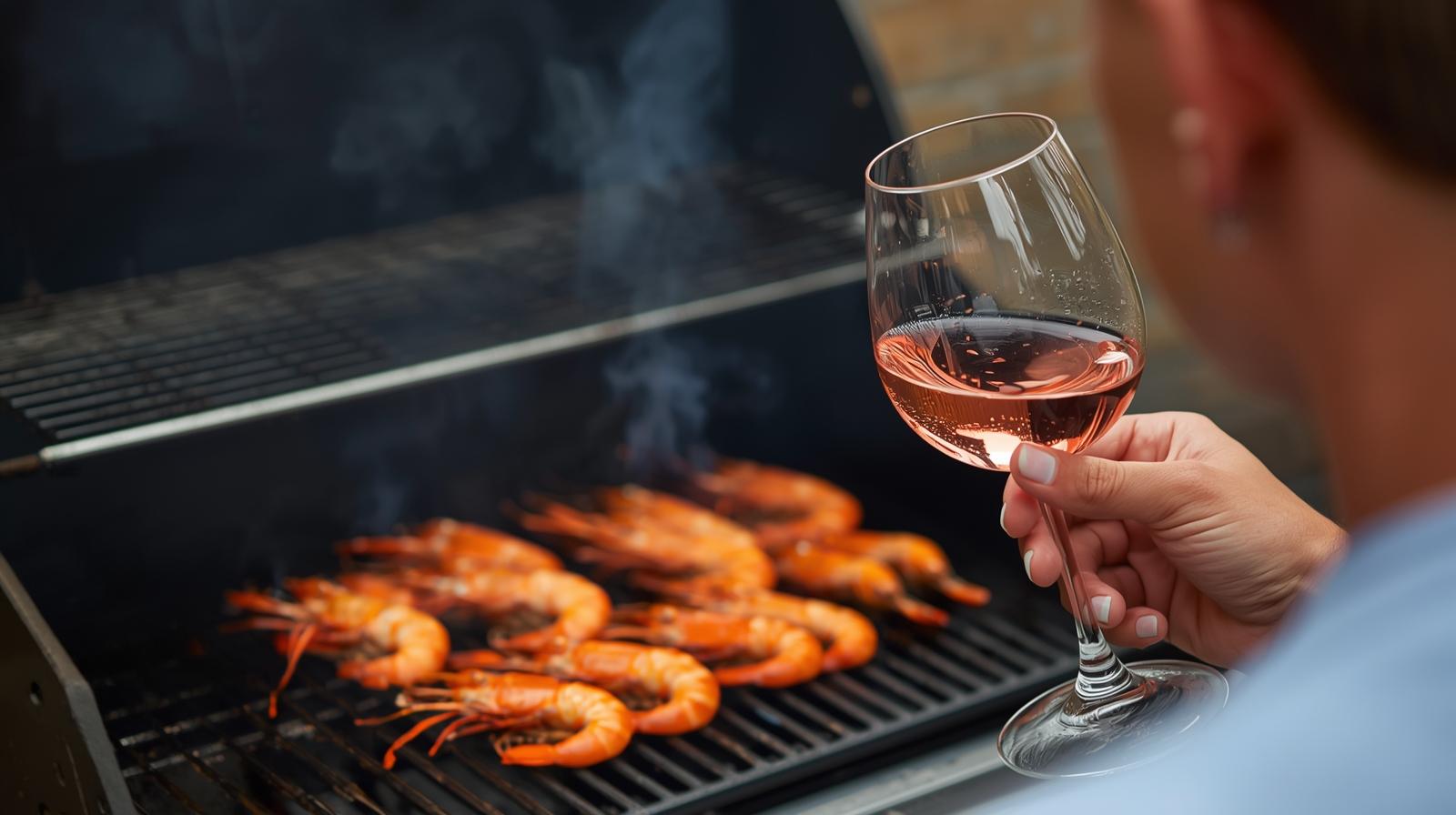
Here’s the thing about rosé that the wine industry has never quite managed to communicate properly: it’s not a compromise between red and white wine. It’s not something you drink when you can’t decide. It’s actually one of the most architecturally sound food wines you can open.
The reason so many people get rosé wrong is simple. They treat it as a seasonal beverage, something you crack open poolside in December when the mercury climbs past 35 degrees. They pair it with summer salads and prawns and congratulate themselves on their sophistication. And then they put it away for nine months.
That’s a genuinely tragic waste of a wine category that deserves far more serious consideration at the dinner table.
Understanding What You’re Actually Drinking
Rosé sits in that genuinely clever middle ground. It possesses the fresh acidity of a white wine. It carries the structure and fruit profile of a light red. It’s almost impossible to get genuinely wrong at a dinner table because it has neither the aggressive tannins of red wine (which create friction with certain foods) nor the neutral character of many whites (which require you to think carefully about structure and weight).
The problem is that rosé styles vary dramatically. A bone-dry Provence wine tastes completely different from a fruitier Australian grenache rosé, which tastes completely different again from a sparkling rosé. Treat them as separate beasts, and suddenly the pairing options become genuinely interesting.
Provence Rosé: The Mediterranean Approach
Pale pink, almost onion-skin in colour. Tastes like white peach, citrus, and sea salt. Dry to the point of austerity. This is rosé made as a serious wine, not a novelty.
The brilliance of Provence rosé lies in its almost supernatural versatility. The acidity is high enough to cut through rich food, but the wine remains delicate enough to pair with delicate proteins. It’s a wine that functions almost like a squeeze of fresh lemon juice with alcohol in it.
Open this with a salade Niçoise and you understand immediately why the locals have been drinking this for centuries. The wine cuts through the richness of the tuna and eggs whilst somehow amplifying the brightness of the anchovies and capers. The mineral edge complements the salty olives. It shouldn’t work this well, but it does.
Grilled seafood is the obvious partner, but here’s where it gets interesting: dry Provence rosé absolutely sings with goat cheese. A warm goat cheese salad, the cheese still melting into the greens, the wine cutting through the fat with surgical precision. This is not a “summer poolside” pairing. This is a serious dinner table moment.
Then there’s the reality that this wine is surprisingly brilliant with Mediterranean herbs and flavours that would completely destroy a more delicate white wine. Tapenade, hummus, grilled vegetables with garlic and rosemary. The wine’s mineral structure allows it to handle complexity that would overwhelm most other pairings.
Medium-Bodied Dry Rosé: Where Things Get Serious
Move into the darker pinks and you’re dealing with a different animal entirely. These often have more time on skins during production, which means more colour, more tannin structure, more fruit intensity. Spanish Rosado, certain Australian grenache rosés, darker styles from other regions. Treat these almost like a light red wine.
This is where rosé stops being a novelty and starts being genuinely versatile at the dinner table.
Paella suddenly makes sense with a wine like this. The saffron, the chorizo, the intensity of the dish, the weight of the oil. A pale Provence wine would be completely overwhelmed. This medium-bodied rosé meets the dish as an equal. It has enough structure to stand up to the complexity, enough fruit to complement the sweetness of the seafood, enough acidity to cut through the richness.
Lamb becomes an interesting option. Grilled lamb cutlets with rosemary, the meat still pink inside, the char on the outside. A dry rosé with medium body has the red fruit character to complement the lamb’s inherent sweetness, whilst maintaining enough acidity to cleanse the palate between bites. The tannin structure is enough to frame the meat without becoming aggressive.
Here’s what genuinely surprises people: barbecued chicken works brilliantly. The smoky char of properly cooked chicken over coals, the caramelised glaze if you’ve built one, the herbal notes if you’ve used rosemary or thyme. The wine’s berry notes actually pick up on those caramelised, slightly burnt flavours. The acidity cuts through the fat of the skin. It’s a pairing that makes logical sense once you actually try it.
Charcuterie boards become legitimate dinner options rather than lazy entertaining cop-outs. Salami, prosciutto, jamón. These need a wine with enough body to stand up to the intensity of cured meat, enough acidity to cleanse, enough character to hold its own. A medium-bodied rosé absolutely delivers.
 $21.17
/ bottle
$127.00 for a case of 6
$21.17
/ bottle
$127.00 for a case of 6
 $17.42
/ bottle
$209.00 for a case of 12
$17.42
/ bottle
$209.00 for a case of 12
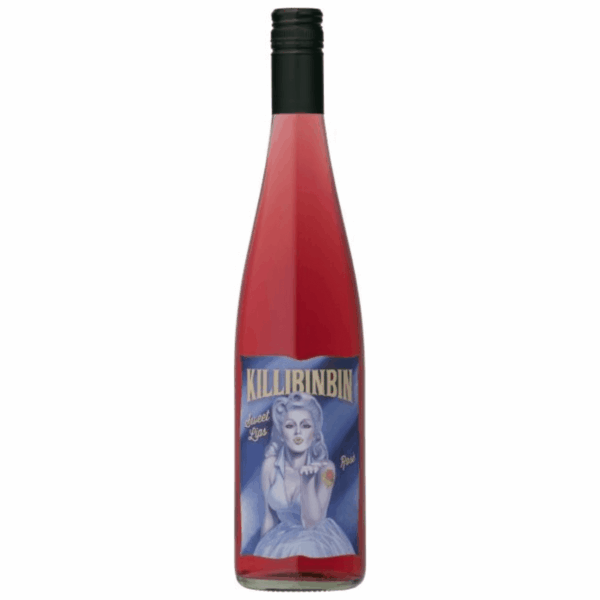
Killibinbin Sweet Lips Rosé
Shipped by
Oatley Fine Wine Merchants
$17.42
/ bottle
$209.00 for a case of 12

 $22.33
/ bottle
$268.00 for a case of 12
$22.33
/ bottle
$268.00 for a case of 12
 $27.67
/ bottle
$166.00 for a case of 6
$27.67
/ bottle
$166.00 for a case of 6
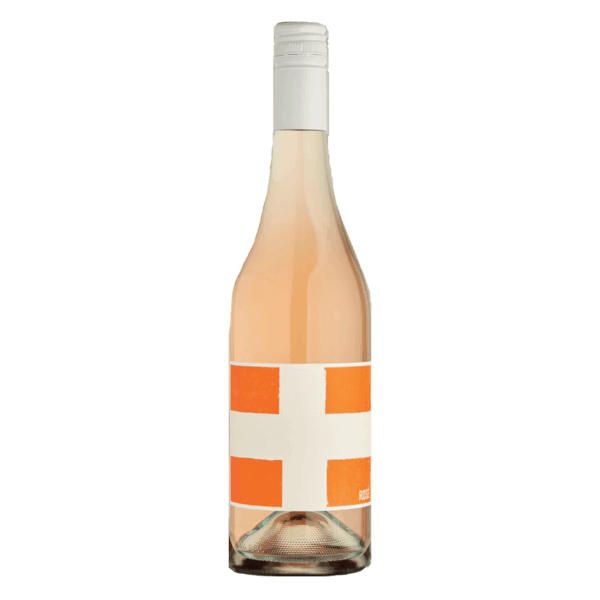
Collector Wines Shoreline Sangiovese Rosé
Shipped by
Wines Australia
$27.67
/ bottle
$166.00 for a case of 6
 $450
off RRP
-75% Hot
$450
off RRP
-75% Hot
 $50.00
$12.50
/ bottle
$150.00 for a case of 12
$50.00
$12.50
/ bottle
$150.00 for a case of 12
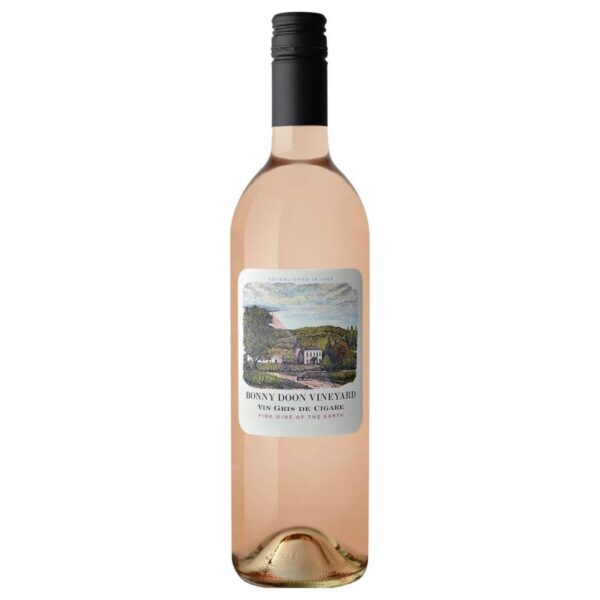
Bonny Doon “Vin Gris de Cigare” Rosé
Shipped by
Wines By Cellars
$50.00
$12.50
/ bottle
$150.00 for a case of 12
 $16.67
/ bottle
$100.00 for a case of 6
$16.67
/ bottle
$100.00 for a case of 6
 $20.83
/ bottle
$250.00 for a case of 12
$20.83
/ bottle
$250.00 for a case of 12
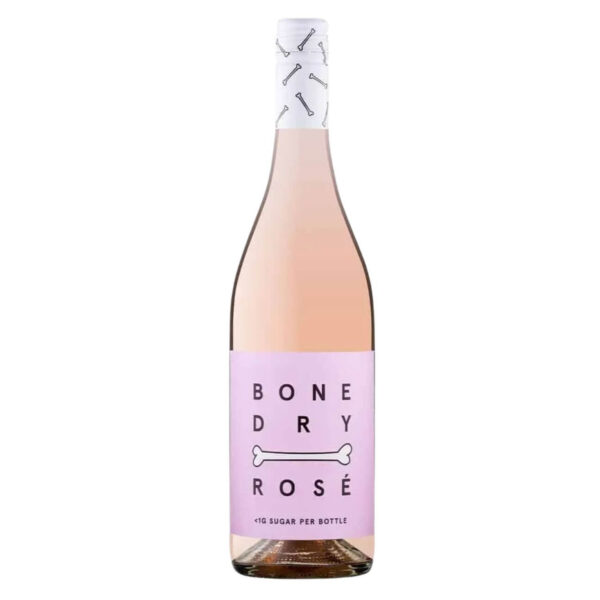
Tumblong Hills Table of Plenty Nebbiolo Rosé
Shipped by
Wine Cellars
$20.83
/ bottle
$250.00 for a case of 12
 $23.83
/ bottle
$286.00 for a case of 12
$23.83
/ bottle
$286.00 for a case of 12
 $30.17
/ bottle
$181.00 for a case of 6
$30.17
/ bottle
$181.00 for a case of 6
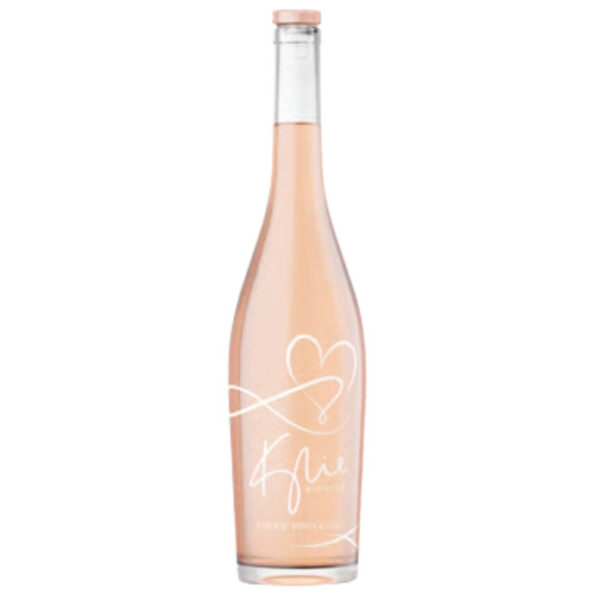
Kylie Minogue Vin de Provence Rosé
Shipped by
Oatley Fine Wine Merchants
$30.17
/ bottle
$181.00 for a case of 6
 $24.33
/ bottle
$146.00 for a case of 6
$24.33
/ bottle
$146.00 for a case of 6


 $57.00
/ bottle
$342.00 for a case of 6
$57.00
/ bottle
$342.00 for a case of 6
 $24.17
/ bottle
$145.00 for a case of 6
$24.17
/ bottle
$145.00 for a case of 6
 127 pts
 Sparkling Rosé: The Palate Cleanser Weapon
This is where people get rosé genuinely wrong. They treat sparkling rosé as a breakfast drink or a celebration aperitif. Those are perfectly valid applications. But sparkling rosé is also one of the most underrated food wines in existence.
The bubbles are the key. Carbonation acts as a palate cleanser. It scrubs your tongue clean after every bite. This makes sparkling rosé phenomenally versatile with fatty, salty, or rich foods because the wine essentially resets your palate between bites.
Fried chicken becomes something genuinely interesting. The crunch of the batter, the juiciness of the meat, the richness of the oil. Sparkling rosé cuts through all of that and leaves your palate clean and ready for the next bite. This isn’t whimsy. This is genuine culinary logic.
Fish and chips works the same way. The grease of the batter, the salt of the fish, the vinegar if you’re eating it properly (which you are, because you’re Australian). The bubbles keep coming, the wine keeps cleansing, the experience keeps improving.
Strawberry or raspberry tarts, fruit-based desserts, anything with cream and berries. The wine’s fruit character matches the food’s fruit character, the bubbles add structure and brightness, the slight sweetness most sparkling rosés carry complements the sweetness of the dessert.
Off-Dry Rosé: The Spice Handler
This is the category most wine enthusiasts dismiss or ignore entirely. Off-dry rosé, slightly sweet styles, the commercial bottles that get sniffed at by serious drinkers. They’re missing something.
Thai green curry suddenly becomes an interesting wine pairing problem. The heat of the chilli, the richness of the coconut milk, the brightness of the lime. A dry wine here feels too austere. The wine gets attacked by the spice and retreats. An off-dry rosé, with its slight sweetness, actually balances the heat. The sugar cools the chilli down without making the pairing feel frivolous. The acidity still cuts through the coconut fat.
Indian butter chicken, rich creamy curries with tomato-based sauces and warming spices. The slight sweetness in the wine mirrors the slight sweetness in the sauce. The acidity keeps cutting. The wine doesn’t overpower the food; it complements it.
Barbecued pork ribs with a sticky glaze. The sweetness in the wine echoes the caramelised sweetness of the glaze. The acidity cuts through the meat’s fat. The tannin structure frames the protein.
The Architecture of Rosé Pairing
What makes rosé such a genuinely useful category is its fundamental architecture. Low tannin levels mean the wine doesn’t create friction with most foods the way reds can. High acidity means the wine cuts through fat and richness the way dry whites do. Moderate fruit intensity means the wine has personality without overwhelming delicate flavours.
The general rule is simple: darker colour generally means heavier food. Pale, almost translucent rosé with delicate proteins and vegetables. Deep, saturated pink with meat, intensity, and complexity.
But the beautiful part is that rosé is forgiving. It’s harder to make a bad pairing with rosé than with almost any other wine category. The structural elements that make it work are so well balanced that even questionable combinations usually end up being functional.
For Australian drinkers specifically, this matters because our climate favours grenache, and grenache-based rosés from warmer regions have enough personality, enough fruit intensity, enough structure to handle the kind of food we actually cook. Bold, spicy, barbecued, herbal. Rosé from Adelaide Hills or the Barossa Ranges can handle it all.
Stop treating rosé as a novelty. Start treating it as what it actually is: one of the most versatile food wines available. Open a bottle next time you’re cooking something that doesn’t neatly fit into “red wine” or “white wine” territory. You’ll be genuinely surprised how often it’s the perfect answer.
 Shiraz
 Cabernet Sauvignon
 Pinot Noir
 Grenache
 Merlot
 Red Wine Blends
 Chardonnay
 Riesling
 Pinot Gris
 Semillon
 Viognier
 Grenache Rosé
 Pinot Noir Rosé
 Shiraz Rosé
 Sangiovese Rosé
 Aglianico Rosé
 Clairette Rose
 Champagne
 Prosecco
 Sparkling Shiraz
 Blanc de Blanc
 Blanc de Noir
 Pet Nat
 Moscato
 Topaque
 Port
Port Sherry (dry & sweet)
 Muscat & Tokay
 Vermouth