 0473 644 098 · Mon–Fri 9am–5pm AESTHelp & FAQ


Rethinking Red: Clever Matches for the Food You Actually Cook

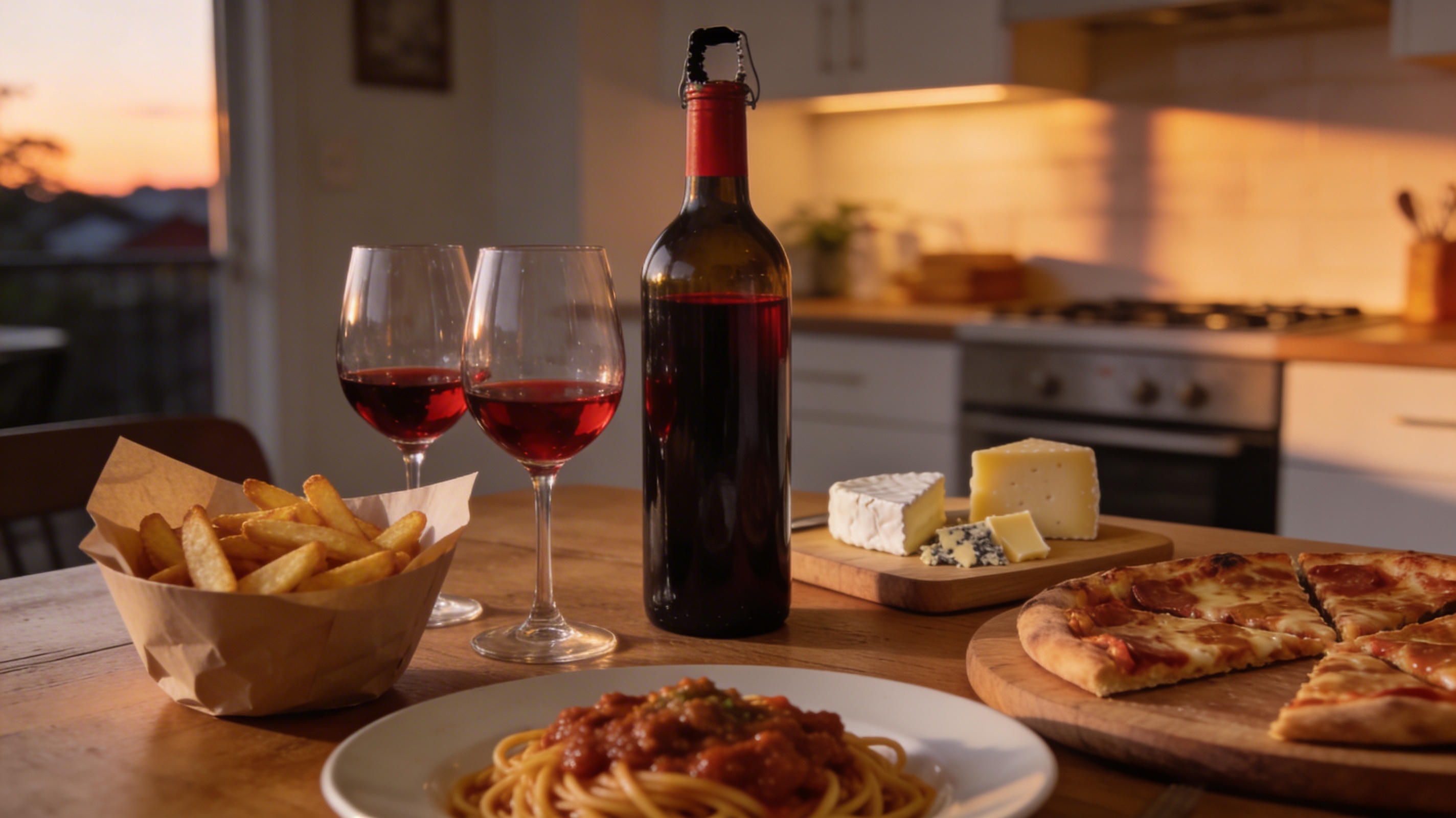
When Everyday Meals Become Brilliant Wine Pairings
Among those who take wine seriously, food pairing never sits on the sidelines. It shapes the connection between what is in the glass and what is on the plate. Yet many people still treat wine as the centrepiece, pouring it before dinner, sipping without a second thought, and enjoying it on its own. There is, of course, nothing wrong with that. But pairing exists, and professionals talk about it ceaselessly, because wine reaches its fullest expression when it meets flavour.
A sip of Pinot Noir on its own reveals nuance and texture, but take the same wine alongside something as ordinary as roast chicken or leftover mushroom risotto, and suddenly a conversation starts in the mouth; aromas bloom, tannins soften, acidity tightens. Food gives wine a framework, and wine, in turn, gives food a voice. That synergy turns pairing from ritual into revelation.
Why Wine Needs Food, And Food Needs Wine
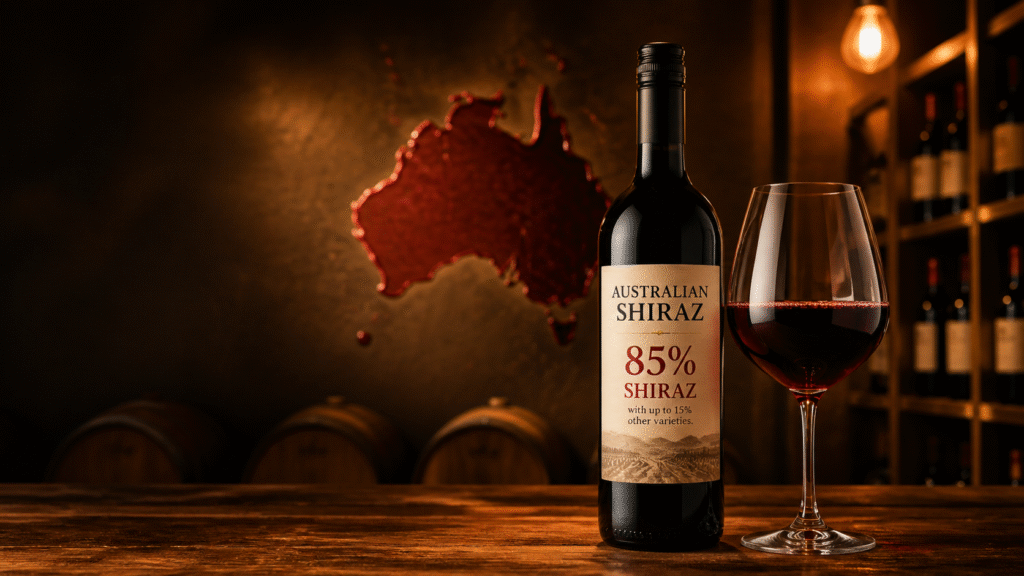
Wine never evolved as a solo act. Every classic style grew up with a cuisine. The structure of Barolo reflects the richness of Piedmontese meat and truffle dishes; Bordeaux blends mirror lamb and game from the Gironde; modern Australian Shiraz often echoes the generosity of barbecued meats and rich family cooking.
Acidity, tannin, and alcohol, the lifeblood of wine, only make real sense when they meet fat, salt, and texture. Jancis Robinson describes, in The Oxford Companion to Wine, the way wine and food can amplify each other when they line up correctly, a kind of mutual magnification of their strengths. Without fat or protein, tannins can feel harsh; without acidity, food tastes dull. When the balance lands in the right place, each element heightens the other in ways no single ingredient can manage.
What feels most fascinating now is not simply knowing that Syrah loves lamb or Pinot loves duck, but rediscovering how well wine fits into ordinary life. Some of the most enjoyable, revelatory pairings emerge not from restaurant menus but from the kitchen on an idle Tuesday evening.
The So‑Called Safe Pairings
It helps to begin with the usual suspects, the pairings that rarely fail but often escape scrutiny.
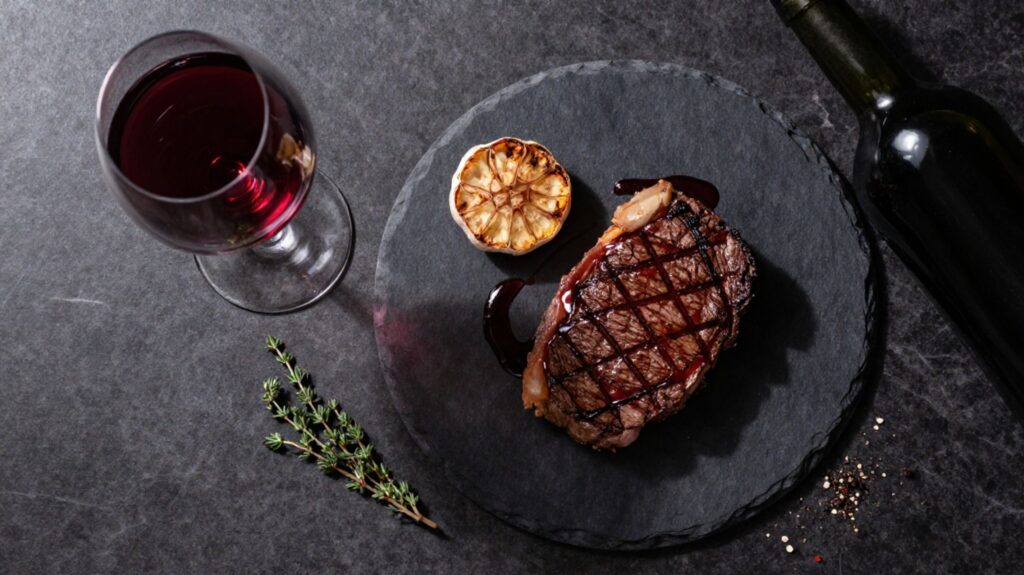
Cabernet Sauvignon still rules the steakhouse. Its tannin structure, concentration, and dark fruit intensity crave the marbling of red meat. A Coonawarra Cabernet, with its menthol lift and savoury minerality, shows that relationship at its most refined. At home, though, the same wine beside a humble beef burger with melted cheddar and caramelised onion can feel just as profound. The salt in the cheese tames the wine’s firmness, and the char from the grill unlocks sweet‑fruited depth.
Similarly, people often place Pinot Noir beside duck confit or roast game bird, but it can sing equally well with a simple baked salmon topped with miso glaze. Soft tannins and lifted red fruit provide counterpoint to the umami and richness, and its natural acidity slices through the fat. In this light, structure matters more than tradition; the wine responds to weight, texture, and savouriness rather than a dish’s reputation.
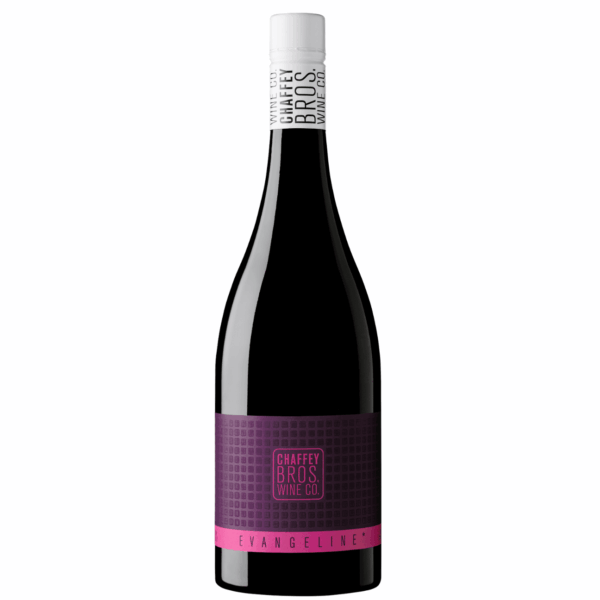
$38.83
/ bottle
$233.00 for a case of 6
 233 pts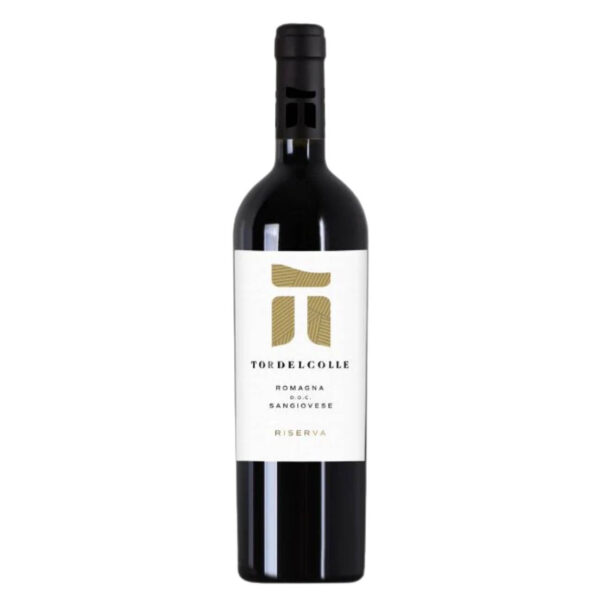
$32.83
/ bottle
$197.00 for a case of 6
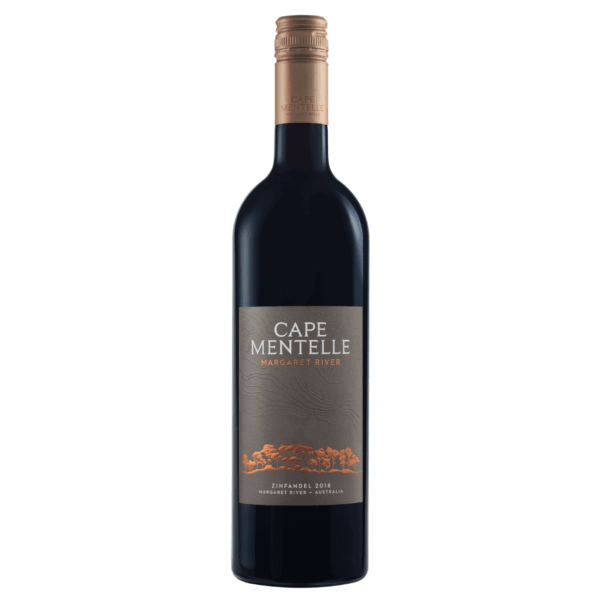
$58.67
/ bottle
$352.00 for a case of 6
Cape Mentelle Zinfandel
$58.67
/ bottle
$352.00 for a case of 6

$25.17
/ bottle
$151.00 for a case of 6



$42.00
/ bottle
$252.00 for a case of 6

$31.17
/ bottle
$187.00 for a case of 6
Comfort Food, Elevated
Now consider pairings that sound less glamorous, the comfort dishes that rarely appear in tasting‑room conversations. Pizza, for instance, can be sublime with wine when handled thoughtfully. The acidity of tomato sauce works beautifully with medium‑bodied reds such as Sangiovese, whose sour‑cherry brightness and herbal undercurrent meet the pizza halfway. A fruit‑forward Australian expression from McLaren Vale or Heathcote adds plushness and turns something casual into something quietly impressive.
Pasta with tomato‑based sauce may be one of the oldest home pairings, yet many drinkers barely notice how well it works. Salt and acidity in the sauce align effortlessly with Nebbiolo, particularly Langhe bottlings where tannins show more gently and aromatics feel delicate. To drink such a wine with spaghetti marinara reminds the drinker how Old World logic can thrive in modern suburban kitchens.
Cheese still anchors countless wine evenings, yet even here convention hides opportunity. Many people push hard cheeses such as aged cheddar or Manchego toward Cabernet Sauvignon and steer soft cheeses toward Pinot Noir or Chardonnay. Try Grenache with creamy brie and those habits suddenly look narrow. Low tannin and bright red fruit in Grenache amplify the cheese’s sweetness rather than fighting its texture. Producers such as Yangarra Estate in McLaren Vale show how this variety can balance brightness with generosity and turn a simple mid‑week cheese board into a small event.
The Surprise Of Humble Food
Here the conversation becomes genuinely interesting: the moments when ordinary food finds unexpected brilliance with the right red. Think about chips from the corner shop, wrapped in paper and dusted with salt. Alongside a dry Rosé from Grenache or Syrah, the crisp acidity cuts neatly through the oil. Bring a red into the mix and the transformation can go even further. A lightly chilled Beaujolais Villages (Gamay in all but name on the label) with its light tannin and bright fruit teases out the sweetness of fried potato in a surprisingly refined way.
Chocolate offers another lesson. Most people leap straight to dessert wines, yet a dark chocolate bar, 70–85 percent cocoa and relatively low in sugar, can settle beautifully beside Shiraz or Zinfandel. The cocoa’s bitterness meets the wine’s ripe fruit and peppery spice in the middle. What sounds incompatible often lines up almost on a chemical level, as polyphenols in both echo and soften each other. A Barossa Shiraz full of plum and black pepper can feel silkier and more composed with proper dark chocolate than it ever does next to a sugary dessert.
Even spaghetti Bolognese, often dismissed as too rustic for serious pairing, reveals complexity with wines built around balance rather than sheer power. Tempranillo, particularly from Australian regions now exploring Mediterranean varieties, hits a sweet spot of ripe texture and savoury edge. The effect never feels showy; it feels quietly correct, much like a perfectly tuned instrument playing a simple melody.
When Assumptions Fail
The familiar saying that white wine goes with fish and red wine with meat collapses under real‑world testing. Japanese‑inspired dishes offer some of the clearest contradictions. Take tuna sashimi with soy and a whisper of wasabi: light in body but intense in flavour. On paper, it should demolish most reds. In practice, a cool‑climate Pinot Noir from Tasmania or the Yarra Valley, with delicate tannins and bright cherry fruit, can stand up beautifully to the umami and subtle spice, especially when served slightly chilled.
Another unexpected triumph comes from Lambrusco, the gently sparkling red of Emilia‑Romagna, beside charcuterie or even fried chicken. The bubbles, acidity, and modest alcohol slice through oil and salt and refresh the palate between bites. What might sound eccentric in theory feels utterly natural in the glass.
As weather cools and hearty soups or stews take over the dinner table, many drinkers instinctively reach for the biggest reds they own. Yet earthy, mid‑weight reds often play the role better. A Mourvèdre or Carignan‑based blend settles comfortably into the texture of a lentil or bean stew, where large, grippy tannins would simply trample the dish and leave it feeling coarse.
The Philosophy Behind Pairing
What keeps food and wine pairing endlessly fascinating for the wine community is not just flavour but philosophy. Wine with food reflects life: balance, contrast, harmony, tension. Sommeliers and critics return to the topic so often because they are not merely matching flavours; they are decoding structure.
Think of tannin as the frame, acidity as the backbone, sweetness as the flesh, and alcohol as the pulse. Food touches all these dimensions at once. Salt softens tannin; fat leans against acid; sugar draws alcohol forward. A successful pairing rarely comes down to luck. It usually arises from chemistry, understood consciously or felt instinctively.
Antonio Galloni, writing for Vinous, once described great wine and food pairing as an equation that resolves flavour into memory. The line resonates because many people forget the exact cuvée but remember how a wine and a dish locked together in a single moment.
Making It Everyday
Australian culture naturally lends itself to folding fine wine into casual meals. Barbecued sausages, charred vegetables, simple grain salads and backyard grills all invite thoughtful pairing. A smoky Cabernet Franc from the Adelaide Hills can bring red‑fruited vitality to grilled vegetables. A lighter‑bodied Shiraz from Canberra District merges spice with smoky lamb cutlets in unforced unison.
Curiosity matters far more than formality or price. As Australian drinkers lean toward lighter, more savoury expressions, shaped by both climate and global influence, the logic of pairing stretches with them. Everyday eating turns into a space for exploration rather than an afterthought tacked on to “serious” drinking.
A Few Guiding Thoughts
A few simple ideas can anchor home pairing without turning the process into rule‑keeping. Matching weight with weight comes first. A hearty beef stew needs structure from wines such as Cabernet Sauvignon or Malbec; a delicate vegetable tart benefits from the subtlety of Pinot Noir or Gamay.
Balancing contrast and complementarity comes next. Sometimes one wants resonance, as a spicy dish meeting fruit‑driven Grenache in warm harmony. At other times, relief works better, as bright, high‑acid Dolcetto cutting through rich lasagne. Temperature deserves more attention than it usually gets. Many reds show best slightly chilled, particularly with fatty or salty foods that can harden the perception of tannin when the wine is too warm. Above all, deliberate experimentation keeps discovery alive. Beaujolais with curry, Syrah with tuna, Barbera with lasagne; a failed match still teaches, while a successful one feels like a small secret learned.
When The Glass Meets The Plate
All of this leads toward a simple reality: pairing cares more about rhythm than rules. Wine alone can tell a story, but with food, it starts speaking poetry. In the home kitchen, with ordinary ingredients and a little curiosity, that poetry sits within easy reach.
So the next time a bottle of Coonawarra Cabernet rests on the counter beside a bowl of spag bol, there is no need to hesitate. Ignore the idea that some wines live “too high” for simple meals. Great pairing has never really revolved around privilege; it has always depended on attention. When wine and food meet in the right way, even the most ordinary supper can feel like a quiet act of celebration.



 Shiraz
 Cabernet Sauvignon
 Pinot Noir
 Grenache
 Merlot
 Red Wine Blends
 Chardonnay
 Riesling
 Pinot Gris
 Semillon
 Viognier
 Grenache Rosé
 Pinot Noir Rosé
 Shiraz Rosé
 Sangiovese Rosé
 Aglianico Rosé
 Clairette Rose
 Champagne
 Prosecco
 Sparkling Shiraz
 Blanc de Blanc
 Blanc de Noir
 Pet Nat
 Moscato
 Topaque
 Port
Port Sherry (dry & sweet)
 Muscat & Tokay
 Vermouth