 0473 644 098 · Mon–Fri 9am–5pm AESTHelp & FAQ


Altair Estate: When Italian Soul Met Margaret River Light

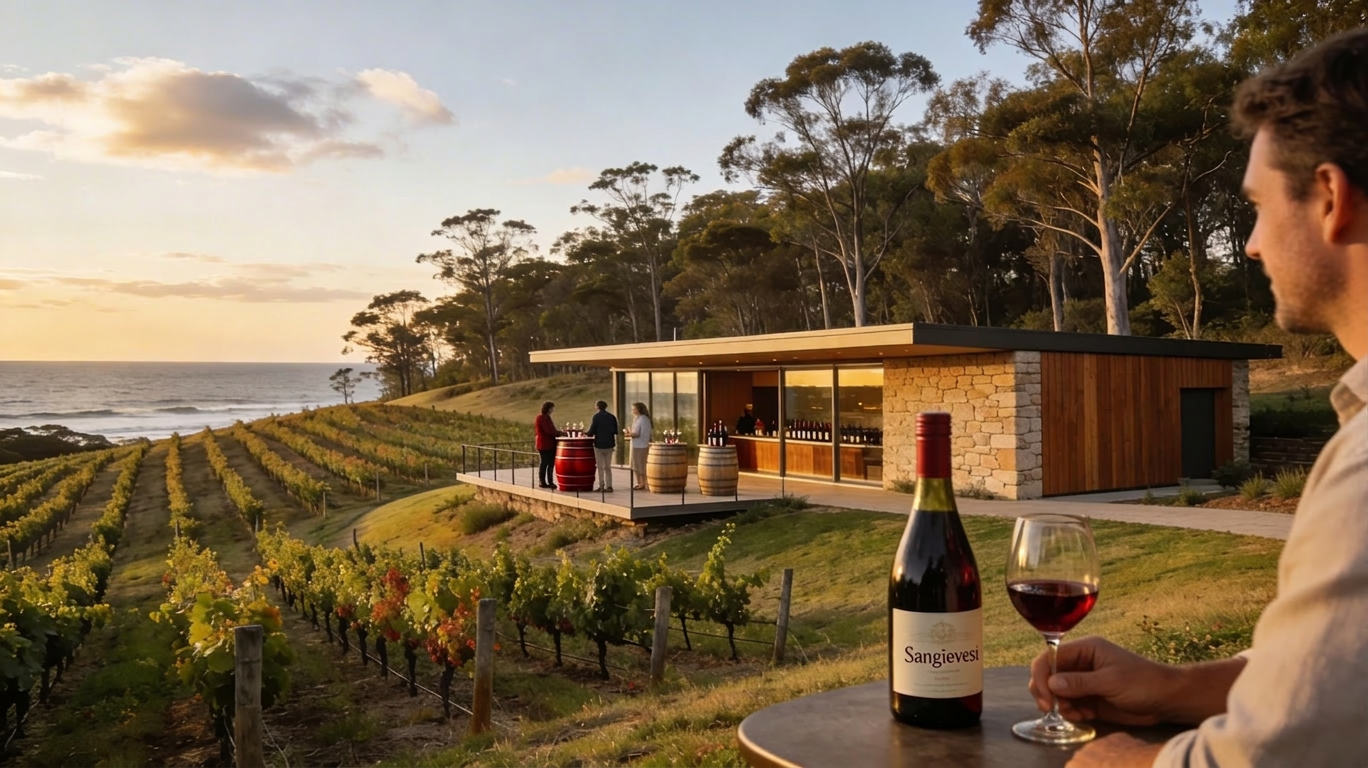
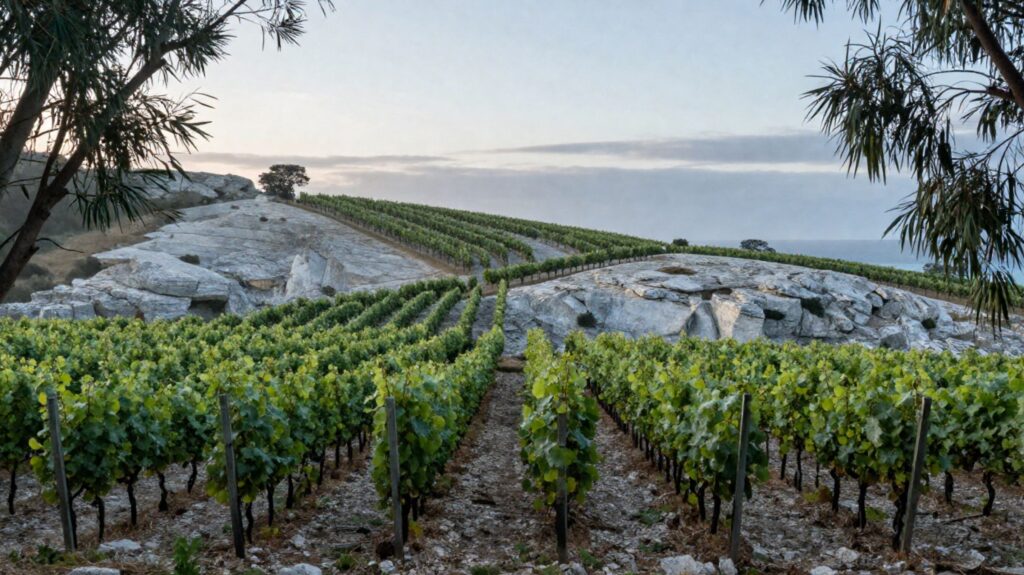
Altair Estate sits in that intriguing space where Margaret River classicism meets Italianate imagination, and everything about the place has been built to make that tension feel effortless rather than contrived.
How a Wilyabrup vineyard became Altair Estate
The property now known as Altair Estate was for many years Carpe Diem, a small Wilyabrup vineyard with a clear Italian accent in its varietal mix. When developer and businessman Tony Poli acquired Carpe Diem on Johnson Road in Wilyabrup for a reported 3.5 million dollars, the purchase folded the site into his privately owned Aigle Royal Group and quietly set the stage for a new chapter. In 2022 that transition became official: Carpe Diem Vineyards was sold and the journey of Altair Estate began, with a new custodial team and a sharpened vision for what this pocket of Wilyabrup could say in the glass.
Altair Estate opened to the public only after a significant refurbishment and equipment upgrade, with reports of around half a million dollars invested in updating the winery and cellar door facilities. That figure matters because it explains the immediate polish visitors now encounter; this is not an inherited, slowly patched‑together shed, but a purpose‑refreshed boutique estate that wants its physical space to match the ambition of its wines. Altair Estate sits on approximately 30 hectares, with around 12 hectares under vine, and those vines are the foundation of a portfolio that intentionally straddles Margaret River classics and Italian varieties.
What drives Altair Estate’s style and philosophy
Altair Estate describes itself as a sustainably certified boutique winery showcasing a modern expression of classic Margaret River and Italian‑style wines. That phrasing is not empty branding; the estate’s range leans into both sides of the equation, with varieties quintessential to the region alongside Vermentino, Sangiovese, Nebbiolo and even Fragolino. The sustainability certification underpins an approach that seeks consistency of fruit quality from season to season, something Margaret River’s moderate Mediterranean, maritime climate already greatly assists.
Winemaker and estate manager Josh Vince, who took over stewardship when Carpe Diem became Altair Estate, has spoken about designing the direction of the wines from the ground up. That involves using the region’s natural strengths (long, even ripening seasons, strong but measured diurnal shifts, reliable winter rainfall) to highlight acidity, aromatic clarity and textural precision rather than brute force. The idea is straightforward yet ambitious: Altair Estate wants its Cabernet and Merlot to read as authentically Margaret River, whilst its Italian varietals exhibit the perfume, energy and savoury line that enthusiasts expect from their Old World counterparts, translated into Wilyabrup light.
Featured Wines
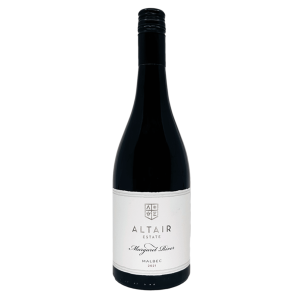
Altair Estate Malbec 2023 (6 Bottles) Margaret River, WA
Add to Cart
$42.00
/ bottle
$252.00 for a case of 6
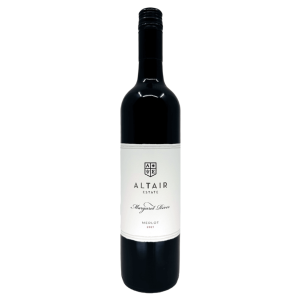
Altair Estate Merlot 2022 (6 Bottles) Margaret River, WA
Add to Cart
$40.00
/ bottle
$240.00 for a case of 6
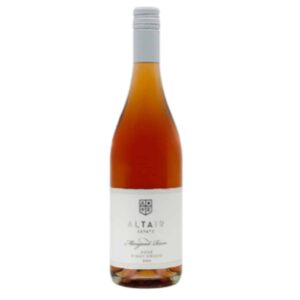
Altair Estate Rosé Pinot Grigio 2024 (6 Bottles) Margaret River, WA
Add to Cart
$31.50
/ bottle
$189.00 for a case of 6
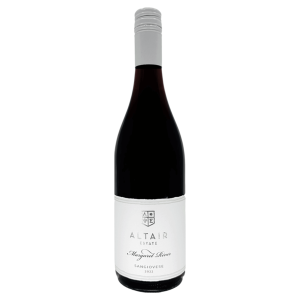
Altair Estate Sangiovese 2024 (6 Bottles) Margaret River, WA
Add to Cart
$26.67
/ bottle
$160.00 for a case of 6
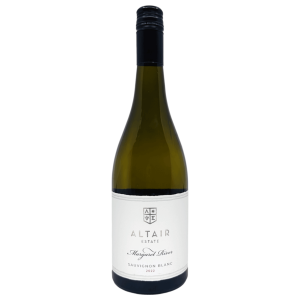
Altair Estate Sauvignon Blanc Fumé 2023 (6 Bottles) Margaret River, WA
Add to Cart
$28.33
/ bottle
$170.00 for a case of 6
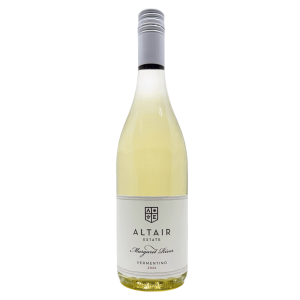
Altair Estate Vermentino 2024 (6 Bottles) Margaret River, WA
Add to Cart
$26.67
/ bottle
$160.00 for a case of 6
Italian grapes under Western Australian skies
For many serious drinkers, the real fascination at Altair Estate lies in the Italian side of the portfolio. Sangiovese here typically presents as pale ruby, high in acidity and beautifully perfumed, with a fragrance spectrum of red fruits and spice that includes cherry, raspberry, pomegranate, cloves, cumin seed and white pepper. Tannins are firm yet fine, more about angular structure and food affinity than sheer grip, which places the wine firmly in the savoury camp rather than the plush, sweet‑fruited Australian stereotype.
Altair Estate’s Vermentino is framed as a modern, bright white, pale straw in colour with aromas of ripe red apple, rockmelon, key lime and a touch of jasmine. On the palate it tends to show juicy white pear and grapefruit, with well‑balanced acidity and a subtle sweetness that fills out the mid‑palate without tipping into obvious residual sugar. The best bottles feel like they were designed with Australian coastal life in mind: refreshing enough to drink on their own on a warm afternoon, structured enough to work with seafood or lighter antipasti.
Behind these wines sits a set of vintage conditions that helps explain their precision. In 2022, for example, the growing season combined a wet winter with a dry, disease‑resistant summer, then a cool, windy spring that delayed shoot growth but ultimately produced intense, well‑ripened fruit. Earlier, the 2021 vintage in Margaret River is described as milder, supported by a significantly wet winter and a mild, reasonably wet spring, again favouring concentration over excess alcohol. That consistency of climate is one of the quiet luxuries Altair Estate enjoys; it gives the team freedom to push into higher‑acid, more detailed expressions without fearing under‑ripeness.
Margaret River classics, viewed through a fresh lens
Altair Estate does not abandon the varieties that built Margaret River’s global reputation. Cabernet blends sit at the heart of the red portfolio, and there are already murmurs around the 2021 Cabernet Merlot, which local tourism commentary has highlighted as a particularly delightful bottle. Tasting impressions point towards elevated and perfumed Merlot characters (dark cherry, blackcurrant, graphite and eucalyptus) folded into the energy of a classic regional blend. The wines aim for generosity of dark fruit, notes of violet, fennel seed and hay, and a structure that is assertive without closing down the mid‑palate.
There is also a Malbec that tends towards a purple to ruby colour, full‑bodied and luscious in style, with aromas of rhubarb marmalade, star anise and violet alongside a broad spectrum of intense fruit. The way this Malbec expresses the milder 2021 vintage is telling. Margaret River’s consistent Mediterranean conditions, moderated by coastal influence, allow Malbec to achieve full phenolic ripeness whilst retaining enough acidity to prevent the wine from becoming monolithic. It is the kind of wine that reminds drinkers why Malbec, once nearly marginalised in France, has found such comfortable new homes in regions that can offer reliable late‑season warmth.
What it actually feels like to visit
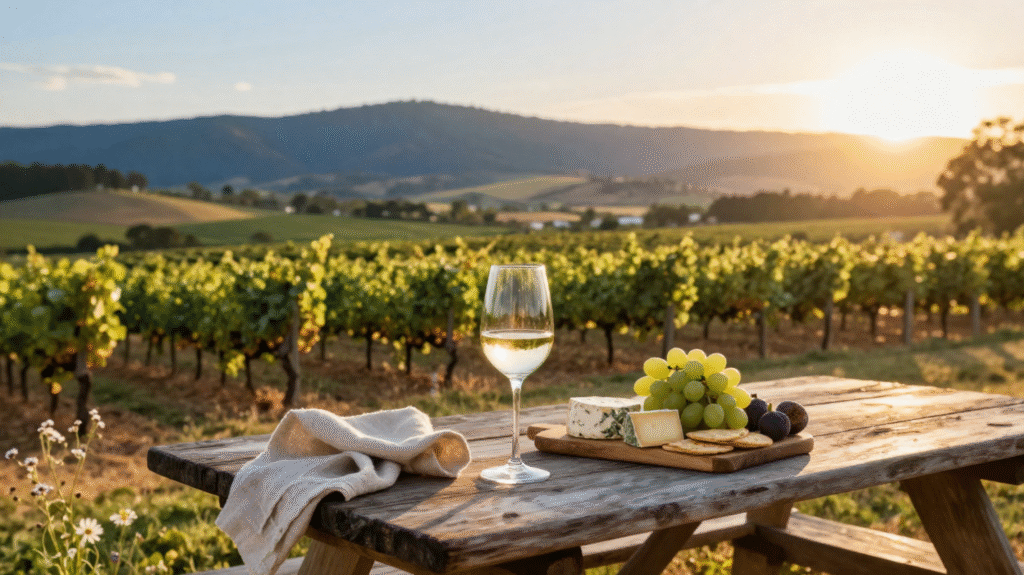
On the ground, Altair Estate reads very much as a boutique cellar door rather than a sprawling tourism complex. Located at 213 Johnson Road in Wilyabrup, the setting is described as lovely and relaxed, with a genuine dog‑friendly ethos that makes it a welcome stop on many local wine tours. Visitors often comment on the intimacy of the tasting experience: small groups, conversational presentations and staff who are encouraged to share not just technical details but the thinking behind each wine.
Altair Estate itself emphasises that tastings at the cellar door are designed to be fun, personal and educational, a “voyage for the senses from vineyard to palate.” Informal reviews repeatedly highlight knowledgeable staff members such as Maryse or Josh, suggesting that the winemaking and management team remain closely involved with day‑to‑day hospitality rather than retreating into the winery. For many visitors, this direct access to the people shaping the wines can be the most compelling part of the experience, especially when tasting the more unusual Italian varietals that benefit from context and explanation.
The cellar door in its current incarnation is relatively new, with local sources noting that it had been open in this form for only around six months at one stage, yet already considered well worth seeking out. That freshness is palpable; there is a sense of a place still finding its long‑term rhythms, which can be quite appealing to enthusiasts who prefer discovering estates before they become saturated with tour buses. This is not party wine country. This is an estate where the wines and the conversations around them demand a measure of attention, whether one is standing at the bar inside or taking a glass out into the Wilyabrup light.
The people behind the label and where the story goes next
Understanding Altair Estate also means understanding the interplay between corporate backing and on‑the‑ground custodianship. On one side sits Tony Poli and the Aigle Royal Group, which now counts Altair Estate as the fifth arm of a broader property empire reportedly managing more than a billion dollars of development. For Altair Estate that scale translates into capital: the ability to refurbish infrastructure, invest in equipment and position the brand decisively in a crowded Margaret River landscape. On the other side stands winemaker‑manager Josh Vince, whose role has been to take that resourced platform and steer it towards wines that feel site‑specific rather than corporate.
Altair Estate is therefore not a multi‑generation family domaine in the traditional European sense. It is something more contemporary: a well‑funded, sustainably certified, deliberately small estate using Italian and regional varieties to carve out a distinct identity in Wilyabrup. Its heritage is shorter and more fluid, beginning in earnest with the sale of Carpe Diem and the 2022 relaunch, but those early years already show a clear set of intentions. The focus is on energy, fragrance and structural clarity across both whites and reds, delivered through a cellar door experience that stays personal even as the broader business sits within a larger group.
For Australian enthusiasts, especially those in markets like Adelaide where Italian varietals are well understood, Altair Estate offers a particular kind of interest. Here is a Wilyabrup winery willing to put Sangiovese, Vermentino, Nebbiolo and Fragolino on equal footing with Cabernet and Merlot, then pour them in an environment that invites conversation rather than spectacle. The story is still being written. Yet the combination of serious backing, a cohesive stylistic vision and an intimate, hands‑on cellar door experience suggests that Altair Estate will be one of the Margaret River names worth following as this decade unfolds.


 Shiraz
 Cabernet Sauvignon
 Pinot Noir
 Grenache
 Merlot
 Red Wine Blends
 Chardonnay
 Riesling
 Pinot Gris
 Semillon
 Viognier
 Grenache Rosé
 Pinot Noir Rosé
 Shiraz Rosé
 Sangiovese Rosé
 Aglianico Rosé
 Clairette Rose
 Champagne
 Prosecco
 Sparkling Shiraz
 Blanc de Blanc
 Blanc de Noir
 Pet Nat
 Moscato
 Topaque
 Port
Port Sherry (dry & sweet)
 Muscat & Tokay
 Vermouth