 0473 644 098 · Mon–Fri 9am–5pm AESTHelp & FAQ





Christmas Wine Mistakes, What Not to Pour With Your Aussie Christmas Lunch

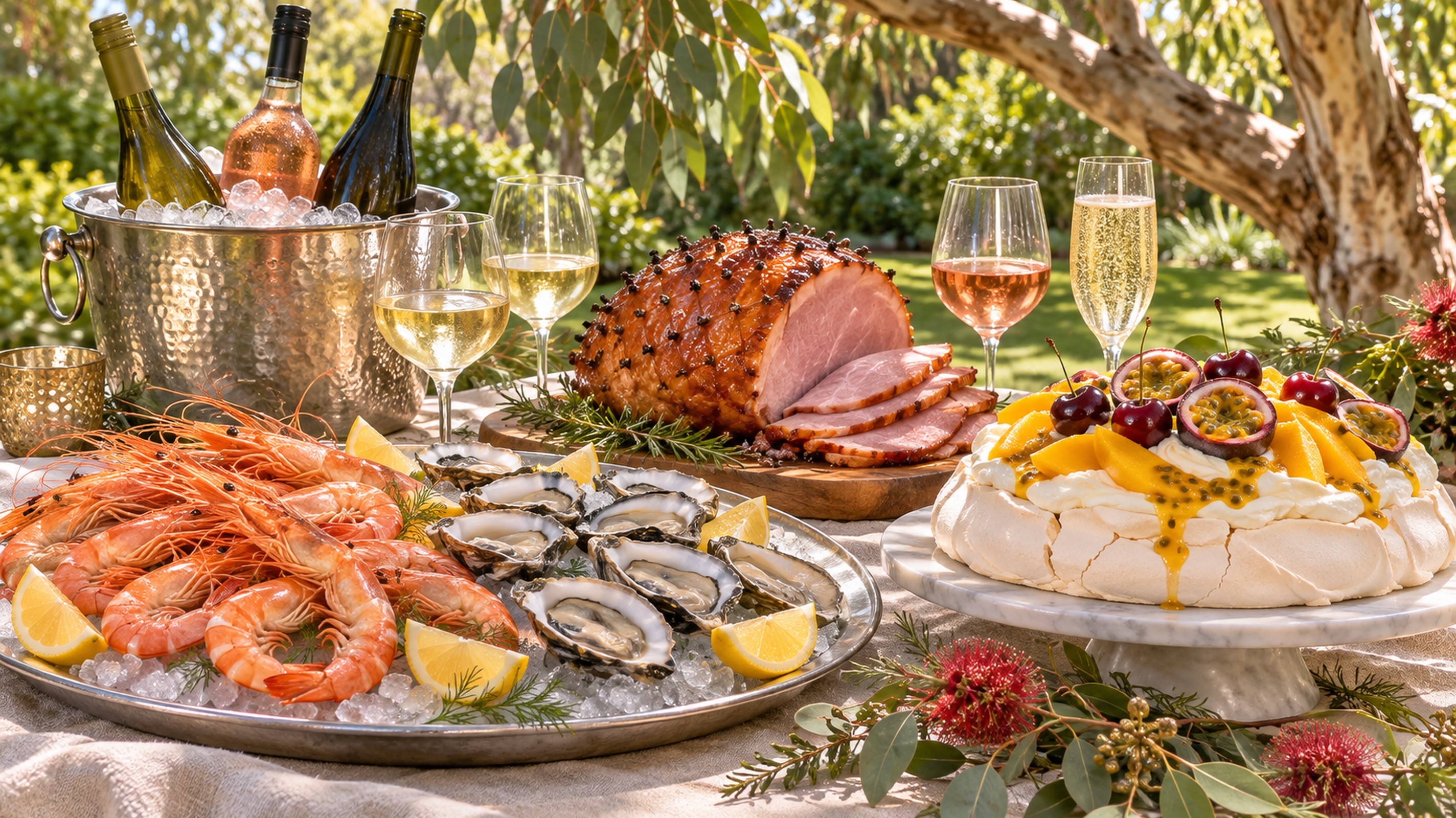
By Luke, Cellars Wine Tester | Published 22 November 2026 | 10 min read
Some wines in this guide are sold on Cellars.com.au. I recommend them because they work with Christmas food, not because we sell them.
Quick answer
-
Don’t serve big reds warm. On a 35°C day a “room temperature” Shiraz is closer to a warm bath, and it’ll taste boozy and soupy. Give it 20 minutes in the fridge.
-
Don’t pour tannic reds with prawns and oysters. They can turn seafood metallic and fishy. Go for Riesling, Semillon or dry sparkling.
-
Don’t drink dry wine with pavlova. Sweet food makes dry wine taste sour and thin. The wine should always be sweeter than the dessert.
-
Don’t fight the glazed ham with a heavy, oaky red. The sweet, salty glaze makes tannin taste bitter. Rosé, chilled Pinot Noir or sparkling Shiraz are far better.
-
Don’t leave the bottles in the sun or the car boot. Heat can cook a wine in an afternoon.
Christmas in Australia is a strange beast for wine. The rest of the world is pouring heavy reds by the fire while we’re peeling prawns in 35°C heat, dodging flies and trying to keep the pav from melting. Yet plenty of us still reach for the same wines a snowy European Christmas would call for.
The result is a table full of good food and good wine that just don’t get along. The good news is that every one of these clashes has a simple scientific reason, and an equally simple fix. Here are the mistakes worth avoiding this year.
Mistake 1. Serving your reds at “room temperature”
“Serve reds at room temperature” was written for a stone cottage in France, not a Queensland verandah in December. When the room is 30°C or more, a red wine warms up fast, and that changes how it tastes.
The science is simple. As wine warms, more alcohol evaporates out of the glass and into your nose. The wine smells hotter and boozier, the fruit tastes stewed and jammy, and the whole thing feels heavy. A Barossa Shiraz that’s gorgeous at 16°C can taste like hot cough syrup at 28°C.
The fix. Put full-bodied reds in the fridge for about 20 minutes before pouring, and light reds like Pinot Noir and Grenache for around 30 minutes. Aim for 14 to 16°C for big reds and 12 to 14°C for light ones. If the bottle feels cool to the touch, you’re about right.
Mistake 2. Tannic reds with the seafood platter
Prawns, oysters, Moreton Bay bugs (a sweet, lobster-like shellfish), smoked salmon and crayfish are the heart of an Aussie Christmas. They’re also the fastest way to make a big red wine taste awful.
Two things go wrong here. First, seafood is rich in umami, the savoury taste, and umami makes tannin feel harsher and more bitter. Second, red wine tends to carry more iron than white, and when iron meets the delicate oils in seafood it creates that tinny, fishy aftertaste nobody wants with their prawns.
Jeff Burch, owner of Howard Park Wines in Western Australia, puts it plainly.
“A hearty cabernet will overpower a delicate seafood dish.”
The fix. For prawns and oysters, pour a dry Clare or Eden Valley Riesling, a young Hunter Valley Semillon or a dry sparkling. Huon Hooke, one of Australia’s most respected wine critics, sums up the golden rule for seafood.
“The rule of thumb here is match delicate food with delicate wines.”
Hunter Semillon has a big fan in Shanteh Wale of the Halliday Tasting Team, who calls it “perfect for our summer Christmas weather and fresh seafood.”
Mistake 3. Buttery, oaky Chardonnay with oysters
This one surprises people because Chardonnay is a white wine, and white goes with seafood, right? Not always.
Oysters are delicate, briny and mineral. A big, buttery Chardonnay that spent a long time in new oak brings vanilla, toast, butter and a creamy weight that smothers the oyster completely. Some tasters also find the oak turns slightly bitter against the brine.
The fix. Save the richer Chardonnay for the roast turkey or roast pork, where its weight and creaminess are a match for the meat. For oysters, go lean and zesty with Hunter Semillon, Riesling or a blanc de blancs sparkling. If you love Chardonnay, look for a modern cool-climate style from Tasmania, the Adelaide Hills or the Yarra Valley, which is lean, citrusy and light on oak.
Mistake 4. Heavy, oaky reds with the glazed ham
The Christmas ham is sweet, salty and smoky all at once, usually with a sticky glaze of honey, brown sugar, mustard or marmalade. It’s delicious, and it’s a minefield for wine.
Sweetness in food makes wine taste drier, more bitter and more astringent. Pair a sticky glazed ham with a young, tannic Cabernet and the tannin turns rough and bitter, while the fruit disappears. The salt helps a little, but not enough to save it.
The fix. Choose wines with bright fruit and gentle or no tannin. A dry rosé is the safest bet of all. Huon Hooke notes that ham can work with light-bodied reds, “but the least risky match is with rosé.” A chilled Pinot Noir from Tasmania or the Mornington Peninsula works beautifully too. For something proudly Australian, try a sparkling Shiraz. Its touch of sweetness and ripe fruit stand up to the glaze, and it’s a true Aussie Christmas tradition.
Mistake 5. Dry wine with pavlova, trifle and mince pies
This is one of the most common Christmas mistakes. Lunch is winding down, the pav comes out, and everyone tops up with whatever’s left in the bottle, usually a dry white or the end of the red.
Sweet food makes dry wine taste sour, thin and harsh. The sugar in the dessert overwhelms your taste buds, so the wine’s acid and tannin are all that’s left. A lovely dry Riesling can taste like lemon juice beside a slice of pavlova.
The fix. Follow the golden rule of dessert wine. The wine should always be sweeter than the dessert. With pavlova, fruit and trifle, try a late-harvest Riesling, a Moscato or a botrytis Semillon from the Riverina. Huon Hooke’s advice applies at both ends of the meal.
Mistake 6. A light wine with the Christmas pudding
At the other end of the dessert scale, plum pudding, Christmas cake and fruit mince are dense, rich and packed with dried fruit and spice. A delicate Moscato or a light sparkling simply vanishes beside them.
The fix. This is where Australia shines. Rutherglen Muscat and Australian tawny are world-class wines, rich with raisin, toffee and spice, and made for exactly this course. Jeni Port of the Halliday Tasting Team suggests Rutherglen Muscat to partner the plum pudding, “hot or cold”, and has a tip for hot Christmas days.
“Too hot for muscat? Try muscat on the rocks, nothing better.”
Pour small. These are rich, fortified wines, and a little glass goes a long way.
Mistake 7. Over-chilling the whites
Yes, the opposite problem exists too. An esky full of ice will take a white wine down to 2 or 3°C, and at that temperature most of its aroma and flavour shuts down. A complex Chardonnay or an aged Semillon you paid good money for will taste like cold, vaguely lemony water.
The fix. Keep crisp whites, rosé and sparkling at 6 to 8°C, and richer whites like Chardonnay at 10 to 12°C. Fill your ice bucket with a mix of ice and water, which chills evenly. If a wine has been on ice too long, let it sit in the glass for a few minutes before you judge it. Riesling is the most forgiving here. Marcus Ellis of the Halliday Tasting Team says Riesling “can take a deep chill”.
Mistake 8. One bottle for the whole table
An Aussie Christmas lunch is rarely one dish. There’s seafood, ham, turkey, salads, roast veg, a barbecue and three desserts, all on the table at once. One wine can’t cover all of that.
Jeff Burch’s advice is to look past the obvious.
“The boldest flavour in the meal may not be the most obvious – like the meat – it could be the sauce, the cooking method, or a garnish. Your best bet is to match according to the most powerful flavours in a dish.”
The fix. Think in a few bottles rather than one hero wine. A dry sparkling and a Riesling cover the seafood and starters. A rosé or chilled Pinot Noir handles the ham and turkey. A Rutherglen Muscat or tawny finishes the pudding. That’s four styles, and every dish has a partner.
Mistake 9. Letting the heat cook your wine
Wine is fragile in an Australian summer. A bottle left in direct sun on the outdoor table, or in a car boot on the drive to the in-laws, can heat up far above 30°C in no time. Heat speeds up the chemical reactions in wine, flattening the fruit, dulling the freshness and giving it a stewed, cooked taste. Bad enough heat can even push the cork up.
The fix. Carry wine in the car’s air-conditioned cabin, not the boot. Keep bottles in an esky or the fridge until you need them. On the table, keep the ice bucket in the shade and away from the barbie.
Mistake 10. Opening your best bottle at the wrong moment
That special bottle you’ve been cellaring for years deserves your attention. Christmas lunch is loud, hot and chaotic, with 15 conversations happening at once and the kids racing around the table. A delicate, aged wine can get lost in all that.
The fix. Open your crowd-pleasers at lunch and save the special bottle for a quieter moment. Boxing Day dinner with a few people who’ll appreciate it is ideal. If you do open it at lunch, pour it with the course it suits best and tell people what they’re drinking. A wine is more enjoyable when someone knows its story.
The Christmas table cheat sheet
| On the table | Skip | Pour instead | Serve at |
|---|---|---|---|
| Prawns, Moreton Bay bugs and crayfish | Tannic reds, oaky whites | Dry Riesling, Hunter Semillon, dry sparkling | 6–8°C |
| Oysters | Buttery Chardonnay, big reds | Hunter Semillon, blanc de blancs | 6–8°C |
| Smoked salmon | Heavy reds | Tasmanian sparkling, dry rosé | 6–8°C |
| Glazed ham | Young Cabernet, oaky Shiraz | Dry rosé, chilled Pinot Noir, sparkling Shiraz | 8–14°C |
| Roast turkey | Very tannic reds | Chardonnay, Pinot Noir | 10–14°C |
| Roast pork and crackling | Light, delicate whites | Chardonnay, Grenache | 10–14°C |
| Barbecued lamb or beef | Light whites | Shiraz or Cabernet, slightly chilled | 14–16°C |
| Summer salads | Big oaky reds | Pinot Gris, rosé, Sauvignon Blanc | 6–8°C |
| Pavlova and trifle | Dry whites and reds | Late-harvest Riesling, Moscato, botrytis Semillon | 6–8°C |
| Christmas pudding | Light Moscato, sparkling | Rutherglen Muscat, Australian tawny | 14–16°C, or on ice |
How to plan the day
-
Count the courses, not the guests. Work out how many styles you need first, then the number of bottles.
-
Allow roughly one bottle for every two to three adults across the whole meal, and keep plenty of water and non-alcoholic drinks on the table. It’s a long lunch, so pace it.
-
Chill everything the night before. Whites and sparkling go in the fridge, and reds go in 20 to 30 minutes before pouring.
-
Go light to heavy. Start with sparkling and crisp whites, then move to rosé and lighter reds, then fuller reds, and finish with the sweet and fortified wines.
-
Have a plan for the heat. Use an esky in the shade, an ice bucket with water and a spare bag of ice.
FAQs
What wine should you avoid with Christmas seafood?
Avoid big, tannic reds like young Shiraz and Cabernet, and heavily oaked Chardonnay. Tannin and iron in red wine can make prawns and oysters taste metallic, and heavy oak smothers delicate seafood. Go for dry Riesling, Hunter Semillon or dry sparkling instead.
What’s the best wine for Christmas ham?
A dry rosé is the safest choice. Chilled Pinot Noir and sparkling Shiraz also work well. Avoid heavy, tannic reds, because the sweet glaze makes their tannin taste bitter.
Should you chill red wine at Christmas in Australia?
Yes. On a hot day, put full-bodied reds in the fridge for about 20 minutes and light reds for about 30 minutes before serving. Warm red wine tastes boozy and jammy.
What wine goes with pavlova?
A sweet wine that’s sweeter than the dessert, like late-harvest Riesling, Moscato or botrytis Semillon. Dry wine with pavlova tastes sour and thin.
What wine goes with Christmas pudding?
Rutherglen Muscat or Australian tawny. Their rich raisin, toffee and spice flavours match the dense, fruity pudding. On a hot day, try muscat over ice.
How many bottles of wine do I need for Christmas lunch?
Plan roughly one bottle for every two to three adults across the whole meal, spread over a few styles. Always have plenty of water and non-alcoholic options on the table too.
Is it okay to drink Shiraz at Christmas?
Absolutely, just pick your moment. Shiraz is great with barbecued lamb or beef. Serve it slightly chilled on a hot day and keep it away from the seafood platter.
 Shiraz
 Cabernet Sauvignon
 Pinot Noir
 Grenache
 Merlot
 Red Wine Blends
 Chardonnay
 Riesling
 Pinot Gris
 Semillon
 Viognier
 Grenache Rosé
 Pinot Noir Rosé
 Shiraz Rosé
 Sangiovese Rosé
 Aglianico Rosé
 Clairette Rose
 Champagne
 Prosecco
 Sparkling Shiraz
 Blanc de Blanc
 Blanc de Noir
 Pet Nat
 Moscato
 Topaque
 Port
 Sherry (dry & sweet)
 Muscat & Tokay
 Vermouth
