 0473 644 098 · Mon–Fri 9am–5pm AESTHelp & FAQ





Tasmania Is Coming for the Barossa’s Shiraz Crown

By Luke, Cellars Wine Tester | Published 22 November 2026 | 8 min read
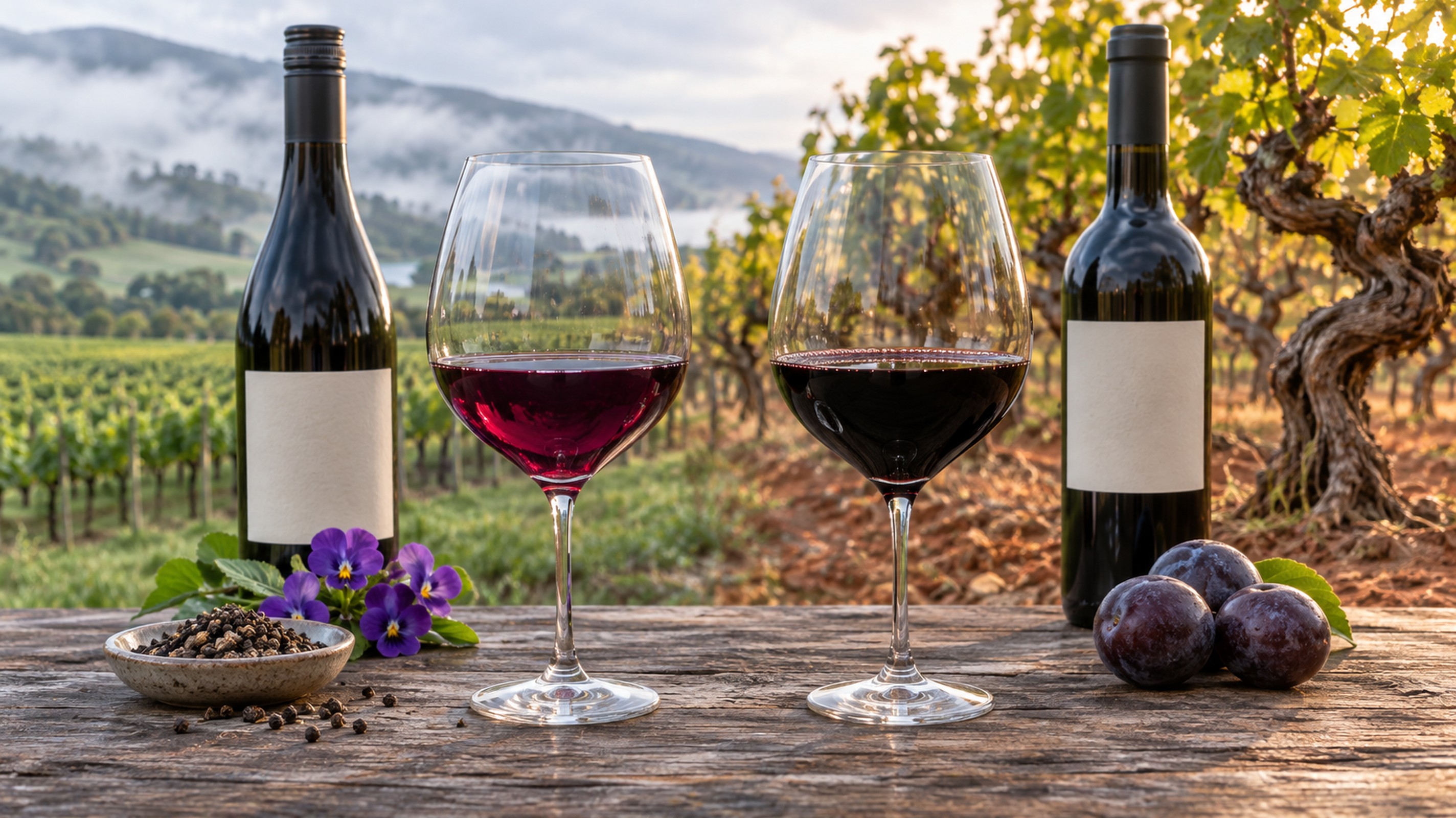
Some wines in this guide are sold on Cellars.com.au. I recommend them because they show how Australian Shiraz is changing, not because we sell them.
The short version
-
The news. A $60 Tasmanian Syrah from Pooley Wines just won the 2026 Jimmy Watson Memorial Trophy, Australia’s most famous award for a young red.
-
The pattern. Tasmania has now won the Jimmy Watson three times in four years, and two years in a row.
-
The twist. Shiraz is the grape Australia built its reputation on, and the Barossa is its spiritual home. A cool island is now beating it at its own game, at least on the judging bench.
-
My take. Tasmania hasn’t stolen the crown. But it’s made a very strong case that the freshest, most food-friendly Aussie Shiraz now comes from cooler places.
Why this one stings a little
The Jimmy Watson goes to the best one or two-year-old dry red at the Melbourne Royal Wine Awards. It’s been running since 1962, and for decades it was a parade of South Australian reds. Coonawarra Cabernet, McLaren Vale Shiraz and Barossa blends dominated the honour roll.
Now look at the recent scoreboard.
| Year | Jimmy Watson winner | Grape | Region |
|---|---|---|---|
| 2026 | Pooley Syrah 2025 | Shiraz | Tasmania |
| 2025 | Meadowbank Pinot Noir 2024 | Pinot Noir | Tasmania |
| 2024 | Four Winds Vineyard Shiraz 2023 | Shiraz | Canberra District |
| 2023 | Lowestoft La Maison Pinot Noir 2022 | Pinot Noir | Tasmania |
| 2022 | Hentley Farm The Old Legend Grenache 2021 | Grenache | Barossa Valley |
| 2021 | Fallen Giants Shiraz 2019 | Shiraz | Grampians |
Here’s the bit that gets Barossa locals muttering into their glasses. The last Barossa Shiraz to win the Jimmy Watson was back in 2003. The Barossa has won since, but with Grenache, not the grape it’s most famous for.
Meanwhile, Pooley’s wine also took Best Shiraz of the whole show. Earlier this year, the previous vintage, Pooley’s 2024 Syrah, won Best Wine of Show at the Sydney Royal, in that show’s 200th year.
John Pooley, the winery’s managing director, didn’t hide how unlikely this once seemed. “Syrah is a variety that Tasmania has not traditionally been taken seriously for producing.”
How can a cold island ripen Shiraz?
Shiraz likes warmth. For most of Australian wine history, Tasmania was considered too cold to ripen it properly. So what changed? It comes down to a few bits of plant science.
Long days make up for cool temperatures
Tasmania sits further south than any other Australian wine region. That means long summer days, with more hours of daylight for the vines to photosynthesise, which is how they make the sugar that ripens the grapes.
So the grapes ripen slowly and steadily over a long season, instead of racing to ripeness in a short, hot burst.
Some pockets are warmer and drier than you’d think
Pooley grows its fruit in the Coal River Valley near Hobart. It sits in a rain shadow, which makes it one of the drier, sunnier corners of the state. Pick the right north-facing slope and you get just enough heat for Shiraz.
A warming climate has helped too. Sites that struggled to ripen Shiraz a generation ago now get there more reliably.
Cool nights keep the acid
Grapes contain malic acid, the same tart acid you taste in a green apple. In hot weather, vines burn through it quickly. Cool nights slow that down, so the grapes keep more natural acidity.
That’s why Tasmanian Shiraz tastes so fresh and juicy. The acid makes your mouth water and keeps the wine lively with food.
Less sugar means less alcohol
Yeast turns grape sugar into alcohol during fermentation. Slow-ripened cool-climate grapes usually reach ripe flavours at lower sugar levels. The result is Shiraz that often sits around 13% alcohol rather than the 14.5–15% common in warm regions.
That changes how the wine feels. Lower alcohol tastes lighter and less hot on the finish, so the fruit and spice come through more clearly.
The pepper molecule loves the cold
The signature smell of cool-climate Shiraz is cracked black or white pepper. That comes from a compound called rotundone, which grapes build up more of in cooler conditions. It’s the same molecule that gives actual peppercorns their bite.
Fun fact, around one in five people can’t smell rotundone at all. If your mate swears there’s no pepper in the glass, they might be genuinely right, for them.
The Barossa’s case for the defence
Before anyone in Tanunda reaches for the pitchforks, let’s be fair. The Barossa isn’t going anywhere.
It’s home to some of the oldest Shiraz vines on earth, with plantings dating back to the 1840s. South Australia’s strict quarantine kept out phylloxera, the vine pest that wiped out old vineyards across Europe and much of Victoria. Old vines produce small crops of intensely concentrated fruit, and that depth is very hard to fake.
Warm Barossa days build riper sugar, softer acid and bigger, rounder tannins. That’s where the classic blackberry, plum, dark chocolate and mocha flavours come from. Many producers also use American oak, which contains compounds called lactones that add vanilla and coconut notes.
There’s also a numbers reality check. Tasmania makes only around one percent of Australia’s wine, and Shiraz is a small slice of that. The Barossa makes far more serious Shiraz in a single vintage than Tasmania could dream of.
And show judging has fashions. In recent years, panels have leaned towards fresher, lower-alcohol, more elegant reds. That suits Tasmania beautifully. A trophy tells you what impressed a panel this year, not which region is “better” forever.
Tassie Shiraz vs Barossa Shiraz, side by side
Same grape, very different wines. Here’s how they usually compare.
| Tasmanian Shiraz | Barossa Shiraz | |
|---|---|---|
| Often labelled as | Syrah | Shiraz |
| Colour | Bright purple-ruby | Deep, inky purple-black |
| Typical alcohol | 12.5–13.5% | 14–15% |
| Fruit | Raspberry, blueberry, red cherry | Blackberry, plum, black cherry |
| Spice and savoury | White and black pepper, violets, fennel | Chocolate, mocha, liquorice, vanilla |
| Acidity | High, juicy, mouth-watering | Softer, rounder |
| Tannin | Fine and light | Plush, ripe and generous |
| Best serving temperature | 14–16°C, a short chill helps | 16–18°C |
| Pick this | Cool-climate Syrah | Classic Australian Shiraz |
That “Syrah” label is a handy clue on the shelf. Australian makers often use the French name to signal a cooler, more peppery style. There’s more on that naming game in Syrah vs Shiraz.
Which Shiraz for which plate?
This is where the two styles really earn their keep. Tasmanian Shiraz is built for an Australian summer. Barossa Shiraz is built for cold nights and slow cooking.
| On the table | Pour this | Why it works |
|---|---|---|
| Barbecued lamb cutlets with rosemary | Tasmanian Syrah | Pepper loves herbs, and fresh acid cuts through the lamb fat |
| Seared tuna or salmon | Cool-climate Syrah or Pinot Noir | Fine tannins won’t clash with oily fish the way bigger reds can |
| Roast duck with cherries | Tasmanian Syrah | Red fruit mirrors the cherries, and acid balances the rich duck |
| Christmas ham | Sparkling Shiraz | Bubbles and a touch of sweetness handle the salty, sticky glaze |
| Slow-cooked beef cheeks or a winter braise | Barossa Shiraz | Ripe, plush fruit matches long-cooked, gelatinous meat |
| Chargrilled scotch fillet | Barossa Shiraz | Firm tannins bind with meat protein and feel softer |
| Barbecued snags with smoky relish | Grenache Shiraz Mourvèdre blend | Juicy, spicy and easy-going, just like the meal |
| Hard cheese and charcuterie | Classic Australian Shiraz | Salt softens tannin, and dark fruit stands up to cured meat |
So who wears the crown?
Here’s my honest verdict. The Barossa still owns the classic Australian Shiraz style. Rich, generous, age-worthy and unmistakably South Australian, it’s the benchmark the rest of the world measures us by.
But the most exciting, most food-friendly young Shiraz in the country is now coming from cooler places. Tasmania leads that charge, alongside the Grampians, the Canberra District, the Adelaide Hills and parts of Western Australia.
The judges seem to agree. When the Pooley 2024 Syrah won at Sydney, chair of judges Mike De Iuliis put it plainly. “It was a great reminder that cooler-climate sites are producing some exciting Shiraz in Australia right now.”
So it’s less a crown being stolen than a kingdom getting bigger. Which, for anyone who drinks Shiraz, is great news.
Run your own Tassie vs Barossa taste-off
You don’t need a judging panel to settle this. You need two bottles, a few mates and some food. Keep the pours small and have water on the table.
-
Buy one of each. Pick a Tasmanian or other cool-climate Syrah and a Barossa Shiraz, ideally at a similar price.
-
Chill them properly. Put the cool-climate bottle in the fridge for 20 minutes and the Barossa for 10. Most reds are served too warm in an Aussie summer.
-
Hide the labels. Wrap the bottles and pour into numbered glasses.
-
Smell first. Look for pepper and violets in one, chocolate and plum in the other. See who can pick which is which.
-
Taste without food, then with it. Try each wine alone, then with a bite of barbecued lamb or a piece of hard cheese.
-
Vote and reveal. Notice whether the winner changes once food hits the table. It often does.
FAQs
What won the 2026 Jimmy Watson Trophy?
The 2025 Pooley Syrah from Tasmania’s Coal River Valley won the 2026 Jimmy Watson Memorial Trophy at the Melbourne Royal Wine Awards. It also won the Trevor Mast Trophy for Best Shiraz and Best Tasmanian Shiraz.
How many times has Tasmania won the Jimmy Watson?
Five times. The winners are Glaetzer-Dixon Mon Père Shiraz in 2011, Home Hill Kelly’s Reserve Pinot Noir in 2015, Lowestoft La Maison Pinot Noir in 2023, Meadowbank Pinot Noir in 2025 and Pooley Syrah in 2026.
Is Tasmanian Shiraz better than Barossa Shiraz?
Neither is better, they’re different. Tasmanian Shiraz is lighter, fresher and more peppery, while Barossa Shiraz is richer, riper and more generous. Pick by the food and the weather rather than the trophy cabinet.
Why is Tasmanian Shiraz often called Syrah?
Syrah is the French name for the same grape. Australian winemakers often use it to signal a cooler-climate, more elegant style, closer to the Northern Rhône in France than to a classic warm-climate Aussie Shiraz.
Should you chill Shiraz?
Yes, a little. Cool-climate Shiraz tastes best at around 14–16°C and fuller Barossa styles at 16–18°C. On a hot day, 10 to 20 minutes in the fridge stops the alcohol tasting hot and keeps the fruit fresh.
Does Barossa Shiraz age longer than Tasmanian Shiraz?
Often, yes, thanks to its concentration and tannin. But good cool-climate Shiraz has high natural acidity, which also helps wine age. The best examples from both regions can improve for a decade or more.
 Shiraz
 Cabernet Sauvignon
 Pinot Noir
 Grenache
 Merlot
 Red Wine Blends
 Chardonnay
 Riesling
 Pinot Gris
 Semillon
 Viognier
 Grenache Rosé
 Pinot Noir Rosé
 Shiraz Rosé
 Sangiovese Rosé
 Aglianico Rosé
 Clairette Rose
 Champagne
 Prosecco
 Sparkling Shiraz
 Blanc de Blanc
 Blanc de Noir
 Pet Nat
 Moscato
 Topaque
 Port
 Sherry (dry & sweet)
 Muscat & Tokay
 Vermouth
