 0473 644 098 · Mon–Fri 9am–5pm AESTHelp & FAQ





Why Australian Cabernet Shiraz Is More Than the Sum of Its Parts

By Kurt, In-House Wine Tester | Published 23 November 2026 | 8 min read
Some wines in this guide are sold on Cellars.com.au. I recommend them because they work with the dishes below, not because we sell them.
The 2024 Penfolds Bin 389 Cabernet Shiraz landed at number three on Wine Spectator’s 2026 Top 100. That’s a handy comeback to the idea that a serious red ought to put just one grape on the front label. But the better question isn’t whether a blend can win. It’s what the winemaker gets to do with two grapes that neither would do quite the same way on its own.
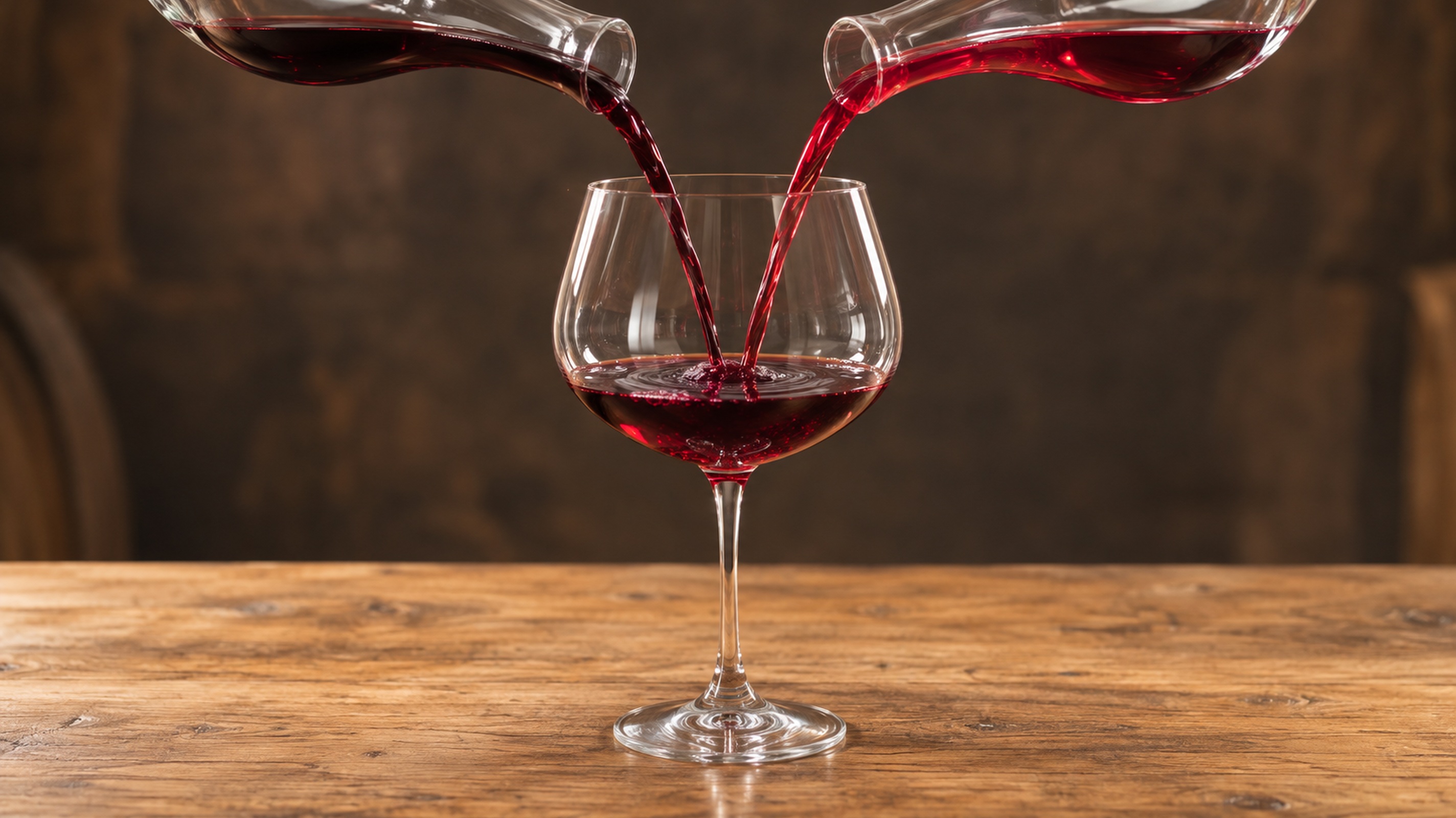
Cabernet can give the wine a firm outline. Shiraz can bring fruit and weight to the middle of a sip. When they fit, you get a red that feels complete from first taste to finish. When they don’t, you can end up with a wine that’s both heavy and drying. Two names don’t guarantee twice the pleasure.
What Bin 389 shows about Cabernet Shiraz
Penfolds first made Bin 389 in 1960. The 2024 vintage is 53% Cabernet Sauvignon and 47% Shiraz, with fruit from Coonawarra, the Barossa Valley, McLaren Vale and Padthaway. That’s not a Cabernet with a token splash of Shiraz. The two grapes are close enough in proportion that the name alone doesn’t tell you how much either one shapes the taste.
This is an Australian wine tradition, not just a Penfolds recipe. Coonawarra has its own history of blending Shiraz and Cabernet, and you’ll find examples from Langhorne Creek, Clare Valley and the Barossa. Some producers work within one region. Others use fruit from several, as Penfolds did here. Both approaches can work, but neither is something you can judge from the number of regions on a label.
Think of the Bin 389 result as a reason to explore, not a reason to chase one bottle. When you’re looking at another maker’s Cabernet Shiraz, start with how the producer describes the texture. Then check where the fruit came from and how the wine was made.
What each grape can bring to the glass
Cabernet can give the sip an outline
Try a Cabernet Sauvignon on its own and notice not just the blackcurrant or dark cherry, but what happens once you swallow. Some examples leave a firm, drying finish that makes the shape of the sip feel distinct. That’s partly tannin, a group of compounds that can interact with proteins in your saliva and leave your mouth feeling less slippery.
It’s the reason a wine can smell juicy and still feel dry around your gums. It’s also why tasting notes use words like firm or fine to describe a sensation rather than a flavour. In a blend, you might notice Cabernet’s dark fruit early and that grip later. Or a particularly firm Shiraz might be doing more of the work than you’d guess.
Shiraz can fill out the middle
The middle is what you notice after the first taste but before the finish. Does the fruit keep building, or does the sip go quiet before a hit of tannin? A generous Shiraz can bring plum, blackberry or spice into that space. That can make the transition from fruit to grip feel less abrupt.
Plush doesn’t mean sweet. A dry Shiraz can feel broad and ripe without leaving an obvious sugary taste. And not all Shiraz is broad. A cooler-site example can bring pepper and a more savoury edge instead of the big plum note you might expect. Neither grape has a job description it must stick to.
The percentage doesn’t tell you how loud a grape will be
A smaller share of concentrated, tannic wine can make itself felt. A larger share of softer wine might be less obvious. Grapes, growing conditions, skin contact during fermentation and time in oak can all affect how a wine feels. That’s why two bottles with the same grape ratio can taste like very different propositions.
If you want to see how winemakers put those decisions together, start with our guide to wine blending. If you’re simply choosing what to open tonight, keep it simpler. Ask yourself whether you like fruit that carries through the sip, a firm finish, or both.
The case for keeping the grapes apart
Sometimes the thing you enjoy most about a Cabernet is exactly what a blend might soften. A firm, blackcurrant-led Cabernet with a clean herbal edge doesn’t need rounding out to be a good wine. Nor does a peppery Shiraz need Cabernet just to give it something more to say.
There’s also a good reason to taste one variety when you’re learning a region. If you want to compare a Coonawarra Cabernet with one from Margaret River, keeping Cabernet on both labels gives you a useful starting point. It won’t isolate the region perfectly. Vintage and producer still matter. But you’ve got one fewer obvious difference to think about.
The case against blending is strongest when a wine already does exactly what you want. The case for it is strongest when the second component adds something you’d miss if you took it away. That’s a much better question to ask than whether one label looks more serious than the other.
What the label can tell you in ten seconds
On an Australian varietal label, when more than one grape is named, they’re listed in descending order of proportion. Cabernet Shiraz puts Cabernet Sauvignon first. Shiraz Cabernet puts Shiraz first. That’s useful, but the order doesn’t tell you how big the gap is or which grape you’ll notice first.
A single name doesn’t necessarily mean a single grape makes up the whole wine, either. An Australian wine sold as Shiraz generally needs at least 85% Shiraz, not 100%. Our guide to the 85% rule explains where that leaves the rest of the bottle.
If you care about exact proportions, look up the producer’s notes for the vintage you’re buying. A year on a bottle is there for a reason. Don’t assume a ratio you found for one release applies to another. If all you want is something for dinner, use the blend order as a clue, then read the description for the amount of grip and fruit you prefer.
How I’d choose between two bottles
Suppose one note leads with blackcurrant and fine tannins, while another leads with ripe plum and toasted oak. For a simply seasoned steak, I’d start with the first if I wanted a firmer finish. For a dish with a smoky crust and roasted onions, I’d consider the second if I wanted something rounder and richer.
Don’t read more oak as better oak. If toasted flavours aren’t your thing, skip the tasting note that keeps coming back to vanilla or toast. And if both descriptions sound the same, choose the one at a price you’re comfortable paying. The Bin 389 ranking doesn’t set the entry price for exploring Cabernet Shiraz.
Pick the wine for the strongest flavour on the plate
Steak is an easy starting point, but a wine you like with plain steak might land differently with pepper sauce or a sweet glaze. And you don’t need meat to make the comparison. Browned mushrooms and lentils give you plenty of flavour to test against a red.
| If dinner looks like this | Pick | What to look for |
|---|---|---|
| Chargrilled steak with a little salt and no heavy sauce | Cabernet Sauvignon | Dark fruit and firm tannins that still leave you wanting the next bite |
| Pepper-crusted mushrooms and roasted potatoes | Shiraz | A medium-bodied, savoury style with pepper or spice rather than a big hit of oak |
| Steak with mushroom sauce or a browned mushroom and lentil pie | Cabernet Shiraz | Enough fruit for the filling or sauce, with a firm finish that doesn’t take over |
| Charred lamb with rosemary and roast onions | Shiraz Cabernet | A rounded style with dark fruit and spice, and enough grip for the charred edges |
Use the table to narrow the choice, not to decide what you’re supposed to like. If a creamy sauce is doing most of the talking, try the blend with a bite of sauce and mushroom, not just the steak underneath it. If the wine suddenly seems all oak and no fruit, try it with a plainer bite before writing the bottle off.
Put the blend on trial with the same bite
You don’t need Bin 389 for this. At a tasting, or if the wines are already open, compare small samples of a Cabernet Sauvignon, a Shiraz and a Cabernet Shiraz. Choose broadly similar styles and prices if you can. A delicate Shiraz beside a heavily oaked Cabernet will tell you plenty about those bottles, but less about what blending might contribute.
-
Start without the food. Use matching glasses and bring the wines to roughly the same temperature. Take a small sip of each. Note which one feels most drying and which carries its fruit furthest through the sip.
-
Add the same bite. Try each with a piece of steak seasoned the same way, or a bite of the same browned mushroom. Keep the sauce out of the first round so it doesn’t change the comparison.
-
Ask one question. Did the blend keep something you liked about both wines, or did one of the single-variety bottles work better? Don’t give the blend extra credit just because you came to test it.
-
Try the sauce last. If you’re serving pepper sauce or mushroom gravy, repeat the comparison with a small taste of it. A wine that felt firm on its own might sit better with the dish, or it might feel even more drying. Let the bite decide.
This is a test of what you like with dinner, not a way to reverse-engineer a winemaker’s recipe. The finished blend wasn’t made by mixing the two wines in your other glasses. If the Shiraz wins with the mushrooms and the blend wins with the steak, that’s a useful result, not an inconsistency.
Frequently asked questions
What is Cabernet Shiraz?
It’s a red wine made with Cabernet Sauvignon and Shiraz. Australia has a long tradition of making the blend, but there’s no single recipe that makes every bottle taste alike.
Is Cabernet Shiraz the same as Shiraz Cabernet?
They name the same two grapes but place them in a different order. On an Australian varietal label, the first grape is present in at least as large a proportion as the second. Look up the vintage notes if you want the actual split.
What is the blend in Penfolds Bin 389 2024?
The 2024 release is 53% Cabernet Sauvignon and 47% Shiraz. Wine Spectator ranked that vintage number three in its 2026 Top 100.
Is Cabernet Shiraz sweeter than Cabernet Sauvignon?
Not necessarily. A dry Cabernet Shiraz can smell like ripe plum or blackberry and feel rounder without tasting sugary. Judge the specific bottle rather than reading sweetness into the grape names.
What food goes with Cabernet Shiraz?
Start with steak and mushroom sauce, or a browned mushroom and lentil pie. Look for a blend with enough fruit for the savoury flavours and a finish that stays in balance with the dish.
Can you cellar Cabernet Shiraz?
Some examples are made to develop in bottle, but the grape names alone don’t tell you how long to keep one. Check the producer’s drinking window for the exact vintage, especially if you’re buying to put it away rather than open it with dinner.
 Shiraz
 Cabernet Sauvignon
 Pinot Noir
 Grenache
 Merlot
 Red Wine Blends
 Chardonnay
 Riesling
 Pinot Gris
 Semillon
 Viognier
 Grenache Rosé
 Pinot Noir Rosé
 Shiraz Rosé
 Sangiovese Rosé
 Aglianico Rosé
 Clairette Rose
 Champagne
 Prosecco
 Sparkling Shiraz
 Blanc de Blanc
 Blanc de Noir
 Pet Nat
 Moscato
 Topaque
 Port
 Sherry (dry & sweet)
 Muscat & Tokay
 Vermouth
