 0473 644 098 · Mon–Fri 9am–5pm AESTHelp & FAQ





Beaujolais Nouveau Is Back. But Is It the Gamay You Want?

By Kurt, In-House Wine Tester | Published 23 November 2026 | 8 min read
Some wines in this guide are sold on Cellars.com.au. I recommend them because they work with the summer dishes below, not because we sell them.
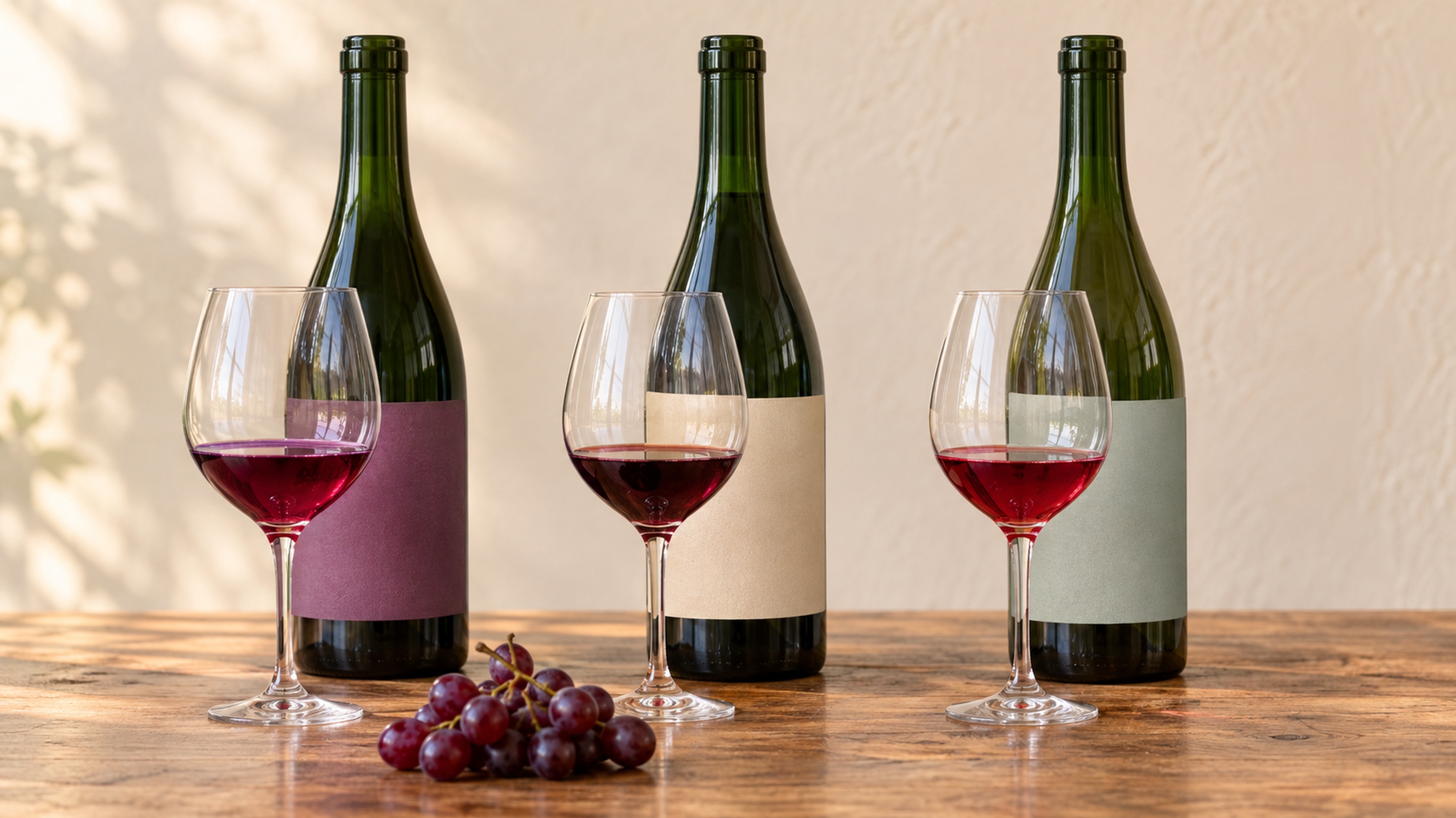
Beaujolais Nouveau landed in France on Thursday 19 November. If you’ve seen the fuss and want a light red for dinner, here’s the twist. The bottle with the big release day might not be the one you want.
Choose Nouveau if you’re curious about the new harvest and want a juicy, youthful red. Choose a named Beaujolais cru if you want to explore what one part of the region tastes like. And if you want a local bottle for grilled chicken or mushroom pizza, start with Australian Gamay.
What Beaujolais Nouveau actually tells you
Nouveau means new. In this case, it means a wine from the latest harvest, made for early release. It goes on sale in France on the third Thursday in November, so the 2026 bottle was picked and released in the same year.
Only wines from the Beaujolais and Beaujolais-Villages appellations, or legally defined wine areas, can carry the Nouveau name. The red is made from Gamay, but Gamay itself is a grape, not a winemaking method or a promise that the wine is brand new.
There’s a good case for Nouveau. If you want a red that puts fresh fruit up front, it does exactly what it sets out to do. Many producers ferment whole bunches, which can help give the wine its bright, fruity character. That’s a style choice, not a shortcut every Gamay producer takes.
And no, a bottle labelled simply Beaujolais isn’t automatically Nouveau. Look for the actual word on the label rather than guessing from the vintage or the artwork. That matters online, where a shop might put regular Beaujolais and Nouveau in the same category.
If you can’t see the front label clearly, look at the complete wine name. A current vintage on its own doesn’t answer the question. If you specifically want the new release, check that the listing says both Nouveau and 2026. The French release date isn’t a guarantee the bottle has landed in Australia.
The label words that actually help you choose
There are three different clues on these bottles. Nouveau tells you when the wine was intended to be released. Fleurie or Morgon tells you where it comes from. Gamay tells you the grape. The trick is knowing which question you’re trying to answer before you start shopping.
If you see Beaujolais-Villages
Beaujolais-Villages is a regional name, not another word for Nouveau. A bottle can say Beaujolais-Villages Nouveau, but plenty of Beaujolais-Villages wines aren’t made for that early release. If you want a French Gamay for dinner and don’t care about release day, a regular red Beaujolais-Villages is worth a look.
Think of it as another option, not a compulsory rung on a quality ladder. A well-chosen regional wine can be a better match for a simple roast chicken than a more structured cru. Read the producer’s notes for the particular bottle, rather than letting the length of the name make the decision.
If you see Fleurie or Morgon
You’re looking at two of the ten Beaujolais crus, smaller areas with their own protected names. Fleurie is a useful starting point if you want a more floral red. Try Morgon if you’d prefer a little more grip, the drying feel you get from tannins.
Neither name gives you a guaranteed flavour. The producer, vintage and winemaking still matter, even when two bottles share the same place name. If the notes for a Fleurie sound darker and firmer than the Morgon beside it, go by the notes for those wines.
If you see Adelaide Hills Gamay
Australian labels tend to put the grape up front. The Sidewood Estate Gamay review gives you an Adelaide Hills example if you’re curious where to start. The region tells you where it’s from, but not whether the winemaker was aiming for something juicy and simple or something more savoury.
When you’re shopping, look for fresh red fruit and gentle tannins if you plan to serve it cool. If you want more weight for dinner, look for a note that describes texture, spice or a firmer finish. You don’t need to know what every oak barrel did. You just need enough information to decide what sounds right for the plate.
Why the same grape can taste so different
Gamay doesn’t come with a factory setting. How the grapes are handled can change the aromas and the drying feeling you get after a sip. That’s why one Gamay can remind you of fresh cherries while another feels more savoury and structured.
In traditional Beaujolais winemaking, whole bunches go into the tank. Grapes at the bottom break under the weight, and yeast begins fermenting the juice. That produces carbon dioxide, which builds up around the intact berries higher in the tank. Inside those berries, the grapes’ own enzymes start changing some of the sugar and acids before the juice finishes fermenting with yeast.
That’s semi-carbonic maceration, a winemaking method that combines fermentation in the juice with changes inside intact berries. It can bring out fruity aromas, but it doesn’t make every wine taste the same. How long the grapes sit in the tank and how the winemaker handles the juice can change the result.
If a wine smells like cherry sweets, that doesn’t tell you how much sugar is left in it. Your nose can pick up a sweet-smelling aroma even when the wine tastes dry. Try smelling first, then pay attention to what’s left on your tongue after you swallow. That’s a better way to separate fruity from sweet than guessing from the smell alone.
What to pour with dinner
Start with dinner, not the pecking order. A delicate roast chicken with thyme asks something different of a wine than mushroom and lentil pie. These are starting points, not rules about what must go with what.
| If you want | Pick | Try it with |
|---|---|---|
| A juicy red that puts the new harvest front and centre | Beaujolais Nouveau | Charcuterie and a crusty baguette |
| A floral French red that won’t swamp a delicate dish | Fleurie | Roast chicken with thyme |
| A French Gamay with a little more grip | Morgon | Mushroom and lentil pie |
| A local red to serve slightly cool | Australian Gamay | Grilled chicken or mushroom pizza |
Match the part of the dish you notice first
Grilled chicken with lemon and herbs is a good place for a lighter, juicier Gamay. If the same chicken is covered in smoky glaze, you might want a wine with more weight. The seasoning can change the match more than the meat does.
Mushroom pizza is a useful test because two versions can taste nothing alike. With a crisp base and a scatter of mushrooms, a fragrant Gamay can leave room for the food. With heaps of cheese and mushrooms browned until they’re almost crisp, try a firmer Gamay that won’t get lost beside them.
For a plate of charcuterie, think about the cured meat you reach for first. A lighter Nouveau can suit mild salami or pâté, especially if you’re also serving bread and pickles. If the whole board is smoky and peppery, you don’t have to force the match just because Nouveau is the bottle in the news.
And if the dish changes at the last minute, you haven’t bought the wrong wine. Give it a sip with the strongest-flavoured part of the plate first. If the wine disappears next to the food, try it with a simpler bite and see whether you prefer it there.
The two-glass fridge test
You don’t need a French bottle and an Australian one to find out what a chill does. You need one bottle and two matching glasses. Slight cooling can make the warmth of alcohol less noticeable, but too much cold can make the wine harder to smell.
-
Set up the comparison. Pour a small, equal splash from the same bottle into each glass. Put one in the fridge for about ten minutes and leave the other on the bench, out of the sun.
-
Smell before you sip. Compare them side by side. Does the cooler glass still smell of fruit, or does it seem quieter? Take a small sip of each and see which feels fresher.
-
Give the cooler glass a few minutes. Smell it again as it warms. If the fruit comes back but the wine still feels cool, that’s your cue for when to serve the rest.
The ten minutes are a starting point, not a serving rule. A glass chills faster than a full bottle, and a warm kitchen changes the comparison. For the broader rules, see our guide to refrigerating wine.
Do the first comparison before adding food. Then, if you’re serving mushroom pizza or another savoury dish, try the two glasses with the same bite. You might prefer the cooler wine on its own and the slightly warmer one with dinner. That’s more useful than picking a winner in the abstract.
If you’re comparing two different bottles another time, start them at roughly the same temperature. Otherwise you might give the French bottle credit for freshness when it was simply cooler than the Australian one. Once you’ve compared them on equal terms, you can decide which one, if either, needs a shorter stint in the fridge.
The bottle I’d start with
If the release itself is what interests you, choose a bottle that actually says Beaujolais Nouveau. If you want to find out how much range Gamay has, start with a named cru and read the producer’s notes. If you’re choosing for a warm evening and a simple dinner, a fruit-forward Australian Gamay makes a useful first step.
The smartest buy isn’t necessarily the newest, the cheapest, or the one with the most complicated label. It’s the bottle that fits what you want from it. Work out whether you’re buying a taste of the new harvest, a particular place, or a red to serve cool with dinner.
Frequently asked questions
Is Beaujolais Nouveau the same as Gamay?
No. Red Beaujolais Nouveau is a young French wine made from Gamay. The grape also goes into other Beaujolais reds and wines made outside France.
When was Beaujolais Nouveau released in 2026?
It was released in France on Thursday 19 November 2026. The French release falls on the third Thursday in November, but that doesn’t mean every Australian retailer gets it on that date.
What’s the difference between Beaujolais Nouveau and cru Beaujolais?
Nouveau tells you the wine was made for early release. A cru name such as Fleurie or Morgon tells you which smaller, protected wine area it came from. Cru Beaujolais isn’t sold as Nouveau.
Should I put Gamay in the fridge before serving?
Try a short chill if the bottle has been sitting in a warm kitchen. If the wine smells faint when you pour it, give it a few minutes to warm up in the glass.
What food goes with Australian Gamay?
Try grilled chicken with herbs or mushroom pizza with a crisp base. For either dish, start with a juicy, lightly tannic style rather than choosing on grape name alone.
Can you cellar Beaujolais Nouveau?
Nouveau is made to be enjoyed young, when its fresh fruit is the point. If you want a Gamay to put away, look at a structured cru such as Morgon and check the producer’s guidance for that bottle.
 Shiraz
 Cabernet Sauvignon
 Pinot Noir
 Grenache
 Merlot
 Red Wine Blends
 Chardonnay
 Riesling
 Pinot Gris
 Semillon
 Viognier
 Grenache Rosé
 Pinot Noir Rosé
 Shiraz Rosé
 Sangiovese Rosé
 Aglianico Rosé
 Clairette Rose
 Champagne
 Prosecco
 Sparkling Shiraz
 Blanc de Blanc
 Blanc de Noir
 Pet Nat
 Moscato
 Topaque
 Port
 Sherry (dry & sweet)
 Muscat & Tokay
 Vermouth
