 0473 644 098 · Mon–Fri 9am–5pm AESTHelp & FAQ


Geelong’s Limestone Benchmark: Bannockburn Chardonnay 2025 and the 96-Point Wave

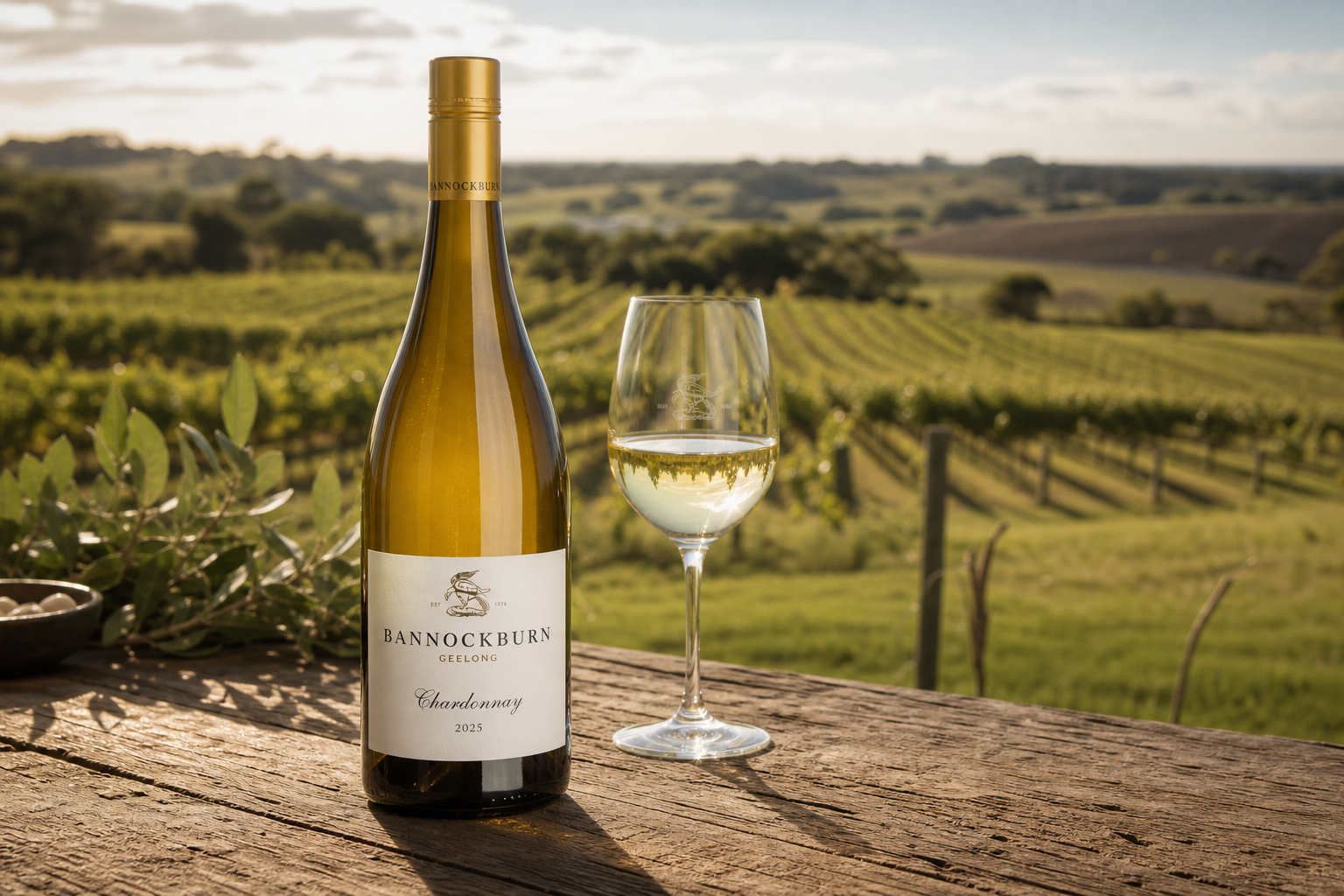
Why this 96-point score actually matters
Here is something genuinely fascinating about this particular accolade. Campbell Mattinson has followed Bannockburn Vineyards’ Chardonnay trajectory closely, regularly placing these wines among the country’s most reliable benchmarks. When he moves from calling the 2024 release “a hard yes” at 95 points to awarding Bannockburn Chardonnay 2025 a higher 96-point score, it signals not a fluke, but a continuation of an upward curve.
Mattinson’s notes across recent vintages emphasise a consistent Bannockburn signature. He highlights stonefruit, flint, nashi pear, umami complexity and flashes of nougat and cedar, all in harmony, in previous estate Chardonnay releases. A 96-point score in that context reads less like hype and more like confirmation that the 2025 has sharpened that equilibrium between power, texture and precision.
Where Bannockburn fits in Australia’s Chardonnay conversation
Australian Chardonnay has undergone a dramatic transformation over the past two decades, moving from broad, heavily oaked styles to something more chiselled, site-focused and savoury. Bannockburn Vineyards, based in the Geelong region of Victoria, sits in the middle of that story, drawing on limestone-influenced soils, a genuinely cool climate and mature vines that consistently yield fruit of depth and tension.
Across the national landscape, producers from Margaret River, the Yarra Valley, Tasmania and Adelaide Hills tend to dominate “best of” lists, yet Bannockburn’s estate Chardonnay keeps appearing whenever critics assemble Australia’s finest examples. For drinkers who regularly find top-rated Chardonnay white wines to track and cellar, Bannockburn’s inclusion is no accident; it reflects a long-term commitment to detailed viticulture and restrained winemaking rather than short-lived fashion.
The quiet power of Geelong’s limestone
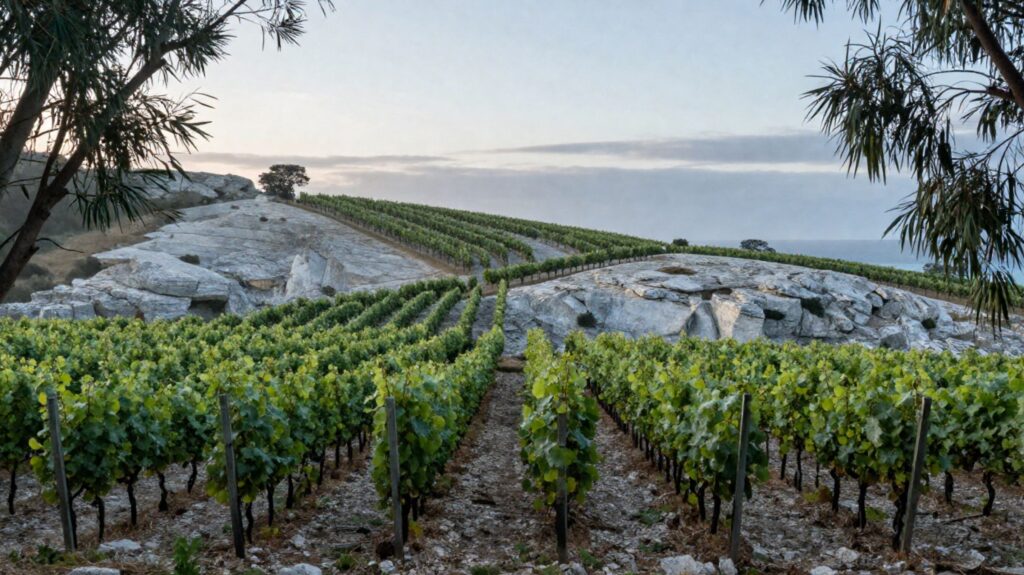
To understand why Bannockburn Chardonnay 2025 is attracting this level of attention, it helps to look under the surface, literally. Bannockburn’s vineyards sit on soils rich in limestone and clay, a combination that tends to give Chardonnay both natural concentration and a line of saline, mineral drive. The region’s cool but relatively dry climate extends the growing season, encouraging slow ripening and building complexity without sacrificing acidity.
Estate communications about their Chardonnay consistently point to the synergy between these limestone soils, mature vines and a deft hand in the winery. In past vintages, critics have remarked on crushed rock and “sea spray” aromatics that sit alongside ripe stone fruits and citrus, a balance that feels almost Burgundian in spirit, yet distinctly Australian in its brightness and generosity.
Featured Wines
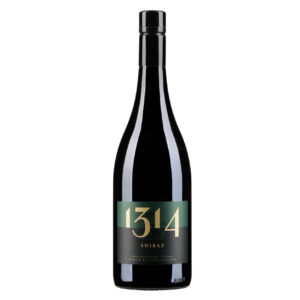
Bannockburn 1314 Shiraz 2025 (6 Bottles) Geelong, VIC
Add to Cart
$25.50
/ bottle
$153.00 for a case of 6
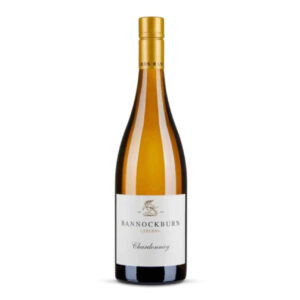
Bannockburn Chardonnay 2025 (6 Bottles) Geelong, WA
Add to Cart
$65.33
/ bottle
$392.00 for a case of 6
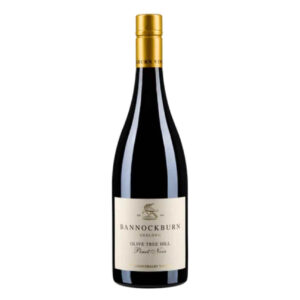
Bannockburn Olive Tree Hill Pinot Noir 2024 (6 Bottles) Geelong, VIC
Add to Cart
$77.17
/ bottle
$463.00 for a case of 6
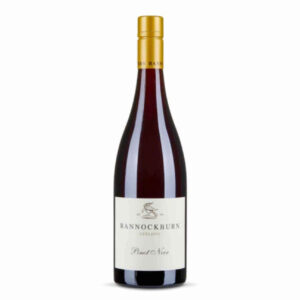
Bannockburn Pinot Noir 2025 (6 Bottles) Geelong, VIC
Add to Cart
$65.33
/ bottle
$392.00 for a case of 6
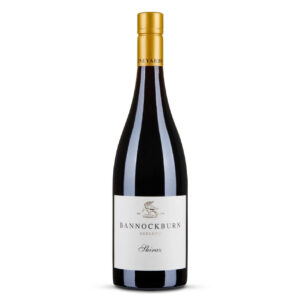
Bannockburn Shiraz 2011 (Museum Release) (6 Bottles) Geelong, VIC
Add to Cart
$47.67
/ bottle
$286.00 for a case of 6
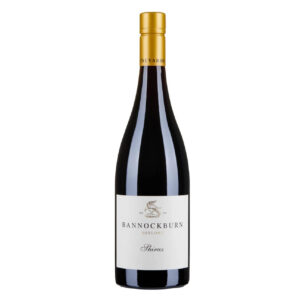
Bannockburn Shiraz 2023 1500ml (3 Bottles) Geelong, VIC
Add to Cart
$88.00
/ bottle
$264.00 for a case of 3
How Bannockburn Chardonnay is actually made
Bannockburn’s approach in the cellar has been remarkably consistent, and Bannockburn Chardonnay 2025 follows a well-established template. Fruit from mature estate blocks is handpicked, pressed as whole bunches and fermented in French oak, with a carefully judged percentage of new barrels to frame, rather than dominate, the wine’s core fruit.
Previous detailed notes on Bannockburn Chardonnay describe a regime of full or near-full malolactic conversion and extended lees ageing without heavy stirring, techniques that build creamy texture and nutty complexity while preserving line and freshness. The result in recent vintages has been wines that feel simultaneously generous and taut, with oak seamlessly integrated, acidity bright and a lingering, slightly saline finish that encourages another sip rather than fatigue.
What 96 points from The Wine Front really signals
Scores can sometimes feel like marketing shorthand, yet in this case the 96 points from Campbell Mattinson sits within a long-running dialogue rather than a standalone number. The Wine Front has repeatedly highlighted Bannockburn’s Chardonnay releases as reference points for Australian readers, praising their alignment of flavour, texture and energy.
When Mattinson edges a wine into the mid-90s and beyond, it usually indicates a combination of immediate deliciousness and serious cellaring potential. Given that other Bannockburn bottlings, such as Bannockburn SRH Chardonnay 2024, have also hovered around the 95–96 point mark, this 96-point Bannockburn Chardonnay 2025 joins a small club of wines from the estate that he clearly considers among the finest expressions of Australian Chardonnay currently available.
Why collectors watching Australia’s top Chardonnays should care
For collectors who carefully compare Australian Chardonnay wines online, it is easy to gravitate towards well-known names from Margaret River or the Yarra Valley, yet Bannockburn continues to punch quietly above its weight. The estate’s wines have shown an enviable track record of ageing, with older vintages gaining additional complexity, texture and savoury nuance over time, while retaining their underlying freshness.
In practice, that means Bannockburn Chardonnay 2025 sits comfortably among the country’s most serious Chardonnay offerings without slipping into overt austerity. It is likely to appeal both to drinkers who enjoy the immediate charm of ripe stone fruits and subtle oak and to those who prefer to lay bottles down and watch that flinty, nutty, saline character unfurl over a decade or more.
How this wine fits into everyday Australian wine life
Here is the crucial reality for Australian drinkers. The sort of drinker who regularly seeks to buy Chardonnay online in Australia is increasingly spoilt for choice, navigating line-ups that range from modest regional bottlings to limited single-vineyard icons. Within that crowded field, Bannockburn Chardonnay 2025 carries a combination of critical weight, estate pedigree and stylistic clarity that makes it especially compelling.
For those who prefer to order Chardonnay wine with Australia-wide delivery, the ability to secure a wine of this quality and reputation without leaving home effectively levels access between metropolitan buyers and drinkers in regional centres. Bannockburn’s standing as one of Australia’s best Chardonnay producers means that, for many, a case of this wine becomes less a spontaneous purchase and more a considered addition to a long-term drinking plan.
Bannockburn alongside the wider Australian Chardonnay set
When viewed against other leading Australian Chardonnay producers, Bannockburn occupies an interesting position. It may not always dominate awards headlines in the way that giants such as Leeuwin Estate or the most lauded Yarra Valley names do, yet its wines show a level of consistency and individuality that seasoned drinkers quickly learn to trust.
Critics often note that the best Australian Chardonnay now stands comfortably in global company. In that context, a 96-point estate Chardonnay from Bannockburn, rooted in limestone soils and a distinctive Geelong microclimate, offers something that feels both quintessentially Australian and quietly European in spirit; it combines ripeness, brightness and a finely etched savoury edge that invites food and rewards slow, attentive drinking.
Using this wine as a benchmark at home
For readers who regularly find top-rated Chardonnay white wines and open them thoughtfully, Bannockburn Chardonnay 2025 offers a practical reference point. Tasted alongside other acclaimed Australian Chardonnay bottles, it can highlight differences in regional expression, oak handling and textural style, providing a deeper sense of how terroir and technique interplay from one producer to another.
This is not party wine. This is wine demanding respect and consideration, the sort of bottle that encourages conversation around the table about where Australia’s Chardonnay has come from and where it might be going next. Bannockburn Chardonnay 2025, carrying its 96 points from Campbell Mattinson at The Wine Front, sits as a reminder that some of the most profound Australian whites are now being crafted with an almost Burgundian sensitivity to balance, detail and place.
 Shiraz
 Cabernet Sauvignon
 Pinot Noir
 Grenache
 Merlot
 Red Wine Blends
 Chardonnay
 Riesling
 Pinot Gris
 Semillon
 Viognier
 Grenache Rosé
 Pinot Noir Rosé
 Shiraz Rosé
 Sangiovese Rosé
 Aglianico Rosé
 Clairette Rose
 Champagne
 Prosecco
 Sparkling Shiraz
 Blanc de Blanc
 Blanc de Noir
 Pet Nat
 Moscato
 Topaque
 Port
Port Sherry (dry & sweet)
 Muscat & Tokay
 Vermouth