 0473 644 098 · Mon–Fri 9am–5pm AESTHelp & FAQ


Gen Z and Wine: What Younger Australian Drinkers Really Want from Wine Brands


Gen Z is not rejecting wine outright. Younger Australian drinkers are asking wine to fit modern life better: lighter styles, clearer language, stronger values, more flexible occasions and a brand identity that feels honest rather than inherited.
Gen Z wine trends in Australia: what younger drinkers want now
The old script for wine was fairly rigid. Full‑bodied reds, formal dinners, critic scores, cellar prestige and a strong sense that consumers should learn the language of wine before they were allowed to enjoy it. Gen Z approaches the category from the other direction. This audience wants wine to meet them where they are, with approachable styles, transparent stories and a sense that enjoyment comes before performance.
That does not mean younger drinkers are unserious. In many ways, they are more intentional than older generations. Wine Australia notes that Gen Z participation in wine drinking has grown in recent years, rising from 29 per cent in the 2021 financial year to 35 per cent in 2025. At the same time, the broader pattern is one of moderation, not excess, with younger consumers drinking more thoughtfully and seeking quality, flexibility and relevance rather than volume alone.
For Australian wine brands, that distinction matters. The task is no longer simply persuading younger consumers to “trade up” into the old idea of fine wine. The more urgent challenge is explaining why wine deserves a place in contemporary social life at all.
How Gen Z is changing wine drinking habits
One of the clearest shifts is that wine is becoming less ceremonial. Reports tracking younger consumers describe wine moving away from fixed, formal occasions and into daytime hangs, casual meals, picnics, festivals and mixed social settings where beer, cocktails and no‑alcohol options all coexist. This is a major cultural change because older wine marketing often assumed a classic dinner table setting, perhaps with a decanter and a heavy roast at the centre.
Gen Z prefers a looser format. A lightly chilled red at a backyard gathering or a bottle of sparkling opened on a sunny afternoon feels more relevant to this consumer than a lecture on vintage variation. These drinkers are not necessarily less interested in quality. They are simply less interested in ritual for ritual’s sake.
Australian producers are already seeing the implications. ABC reporting suggests that sweeter, lighter and lower‑alcohol categories such as Moscato and Prosecco have gained traction among younger drinkers, while the once default dominance of Shiraz has softened. The message is not that classic reds are dead. Rather, the old hierarchy of what a “proper” wine drinker should want is being dismantled.
Best wine styles for Gen Z drinkers
What younger drinkers actually want in the glass is becoming easier to read. Across current market commentary, a few themes keep repeating: freshness, lower alcohol, versatility, drinkability and experimentation. Heavy, highly extracted wines can still appeal, but they no longer define aspiration in the same way.
Sparkling styles, fresher whites and lighter reds are particularly relevant. Younger consumers are drawn to wines that feel energetic and easy to place in relaxed social settings. Chardonnay remains important, but often in brighter, more precise styles rather than the broad, buttery expressions that once dominated supermarket expectations. Pinot Noir, Prosecco, Moscato, pét‑nat and chilled reds all sit comfortably inside the newer drinking culture.
This is also where useful hyperlink spaces can sit naturally in the copy. For example, when discussing fresher white styles, it is easy to fold in a phrase such as buy Chardonnay online as part of a sentence about modern Australian Chardonnay appealing to younger drinkers because it can be crisp, textural and food‑friendly rather than overtly oaky. That kind of phrasing fits the reading flow while supporting commercial intent.
Another useful spot comes when discussing lighter reds. Instead of treating red wine as a monolith, the article can mention the divide between old-school power and newer elegance, then naturally include purchasing Pinot Noir online or buy Pinot Noir online in a sentence about why younger consumers are choosing perfumed, mid‑weight reds that suit casual drinking and lighter food.
 $31.00
/ bottle
$186.00 for a case of 6
$31.00
/ bottle
$186.00 for a case of 6
Lowe Wines Jodie Wilbetree Sparkling Rosé
Shipped by
Lowe Family Wine Co
$31.00
/ bottle
$186.00 for a case of 6
 $29.17
/ bottle
$175.00 for a case of 6
$29.17
/ bottle
$175.00 for a case of 6
Ad Hoc ‘Carte Blanc’ Prosecco NV
Shipped by
Oatley Fine Wine Merchants
$29.17
/ bottle
$175.00 for a case of 6
 $44.17
/ bottle
$265.00 for a case of 6
$44.17
/ bottle
$265.00 for a case of 6
Hungerford Hill Cardinal Sparkling Shiraz NV
Shipped by
Hungerford Hill
$44.17
/ bottle
$265.00 for a case of 6

 $22.25
/ bottle
$267.00 for a case of 12
$22.25
/ bottle
$267.00 for a case of 12

 $24.58
/ bottle
$295.00 for a case of 12
$24.58
/ bottle
$295.00 for a case of 12
 $19.50
/ bottle
$117.00 for a case of 6
$19.50
/ bottle
$117.00 for a case of 6
 186 pts
 Low alcohol wine and mindful drinking trends
Yet here is the crucial reality: Gen Z is not only changing what wine looks like, but how much of it fits into life. Health consciousness and sober‑curious behaviour are central to the generational story. The IWSR notes that Gen Z is shaped by moderation concerns and strong exposure to low‑ and zero‑alcohol categories, whilst other market reporting shows intermittent abstinence and mindful drinking becoming mainstream habits.
This has serious implications for wine. Historically, the category often sold itself through abundance, generosity and length of occasion. A long lunch. Another bottle. A collector’s stash. Gen Z is more likely to ask whether the wine works for one glass on a weeknight, a shared bottle in the park, or a lower‑alcohol choice that still feels adult and distinctive. That does not necessarily reduce wine’s relevance. In some cases, it sharpens it.
The wine brands likely to win here are the ones that understand moderation as part of quality, not as a compromise. Clear messaging around alcohol level, serving occasion and style is far more persuasive to younger consumers than vague talk of indulgence. For Australian producers, that may mean less reliance on the old “bigger is better” red wine language and more attention to freshness, balance and flexibility.
Sustainable wine brands and transparent values
Sustainability matters to younger wine drinkers, but only when it feels real. Current market commentary consistently shows that Gen Z expects transparency on farming, packaging and supply chains, and responds to visible proof such as organic certification, lighter bottles and credible environmental messaging. In other words, “green” cannot just be aesthetic. It has to be legible.
This is important because wine has often assumed that heritage alone creates trust. For Gen Z, trust is earned differently. A brand with a strong backstory may still lose credibility if it hides behind vague language or glossy sentiment. Younger consumers tend to reward producers who explain what they do simply, show how the wine is made and demonstrate why their practices matter.
In article terms, this section also offers another natural hyperlink opportunity. If a piece is discussing how younger consumers engage with fresher, lighter and more sustainably positioned whites, a phrase like shop organic Sauvignon Blanc online or buy Sauvignon Blanc online can sit comfortably inside a sentence comparing traditional commodity Sauvignon Blanc with newer, more site‑specific or environmentally conscious expressions. The key is relevance. The link should emerge from the argument, not interrupt it.
Wine branding for Gen Z: less jargon, more identity
One of the most misunderstood aspects of Gen Z wine behaviour is that the generation is not anti‑expertise. It is anti‑exclusion. Wine language has long relied on hierarchy, coded vocabulary and assumed knowledge. For many younger drinkers, that feels less like romance and more like friction.
Reports on younger consumers repeatedly highlight the importance of accessible language, visual identity and digital storytelling. That means bold but credible branding, straightforward label communication, a strong presence on social platforms and a willingness to explain wine in normal human terms. A producer does not need to become cartoonish or gimmicky. But it does need to sound like it understands contemporary culture.
This is where many traditional brands struggle. A label built around medals, old family portraits and formal tasting-note language may still speak powerfully to established collectors, but it can miss the emotional register of a younger audience. Gen Z responds better when a brand communicates mood, occasion and identity clearly: what this wine is for, what kind of drinker might enjoy it, and why it belongs in real life rather than just in a cellar.
Australian wine marketing to younger consumers
For Australian wine specifically, the opportunity is significant. Younger drinkers do not carry the same inherited loyalties to categories like Shiraz or heavily oaked Chardonnay that shaped earlier generations. That means the category can be reframed around energy, food compatibility, outdoor culture, lighter styles and new social rituals.
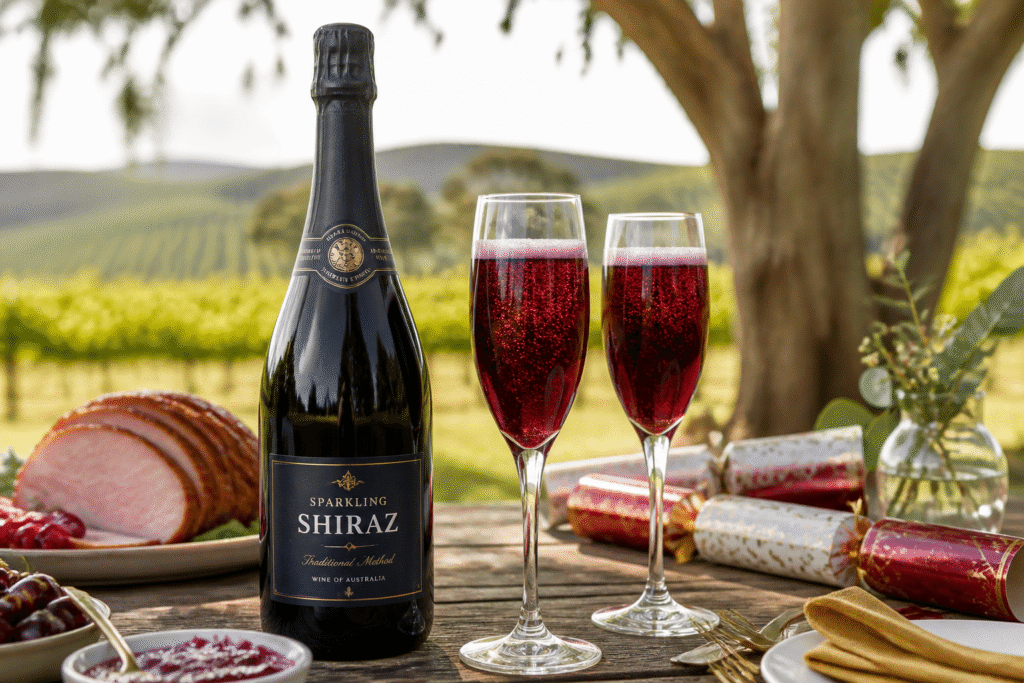
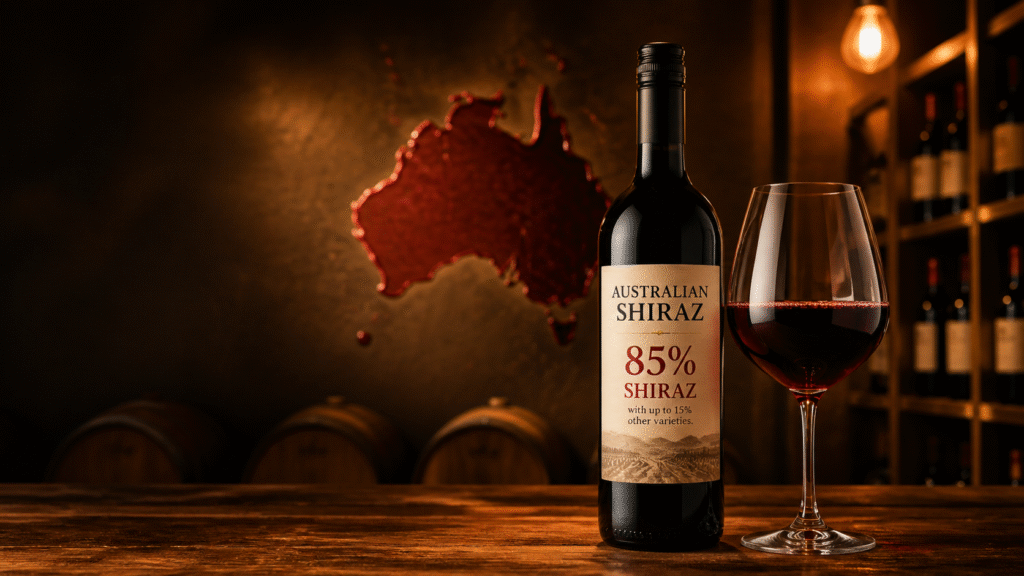
This is not an argument against classic Australian wine. Rather, it is an argument for translation. A brilliant Shiraz can still find younger drinkers, but often through a different expression of the variety: fresher, brighter, less dominated by alcohol and oak, and placed in a context that makes sense. In the article, that opens a useful sentence for a link such as purchasing Shiraz wine online, especially when contrasting older blockbuster styles with cooler-climate or medium-bodied versions that feel more aligned with today’s tastes.
Australian brands also need to recognise where discovery happens now. Younger consumers encounter wine online first, through social content, creators, restaurant feeds, short educational videos and peer recommendations. If a brand only speaks through shelf talkers and critic blurbs, it is effectively invisible in the spaces where younger drinkers decide what deserves attention.
What the future of wine looks like for Gen Z
The simplest way to understand Gen Z and wine is to stop asking whether younger drinkers will conform to the old category, and start asking how wine can serve the way they already live. Current evidence suggests they want authenticity, lighter and more flexible styles, transparent values, better design, more inclusive language and a relationship with alcohol that leaves room for moderation.
That creates pressure on the wine world, but also a remarkable opening. Wine can become more socially agile without losing seriousness. It can speak plainly without losing complexity. It can be digitally fluent without becoming shallow. The brands that understand this will not merely “capture Gen Z”. They will help define what Australian wine looks like for the next twenty years.
For writers and readers alike, that is the real story. Gen Z is not asking wine to abandon its history. Gen Z is asking wine to prove that history still has something useful, delicious and relevant to say.






 Shiraz
 Cabernet Sauvignon
 Pinot Noir
 Grenache
 Merlot
 Red Wine Blends
 Chardonnay
 Riesling
 Pinot Gris
 Semillon
 Viognier
 Grenache Rosé
 Pinot Noir Rosé
 Shiraz Rosé
 Sangiovese Rosé
 Aglianico Rosé
 Clairette Rose
 Champagne
 Prosecco
 Sparkling Shiraz
 Blanc de Blanc
 Blanc de Noir
 Pet Nat
 Moscato
 Topaque
 Port
Port Sherry (dry & sweet)
 Muscat & Tokay
 Vermouth