 0473 644 098 · Mon–Fri 9am–5pm AESTHelp & FAQ


Kaesler Old Bastard Shiraz 2022: Why Campbell Mattinson Awarded This 131-Year-Old Vine Barossa Wine 98 Points

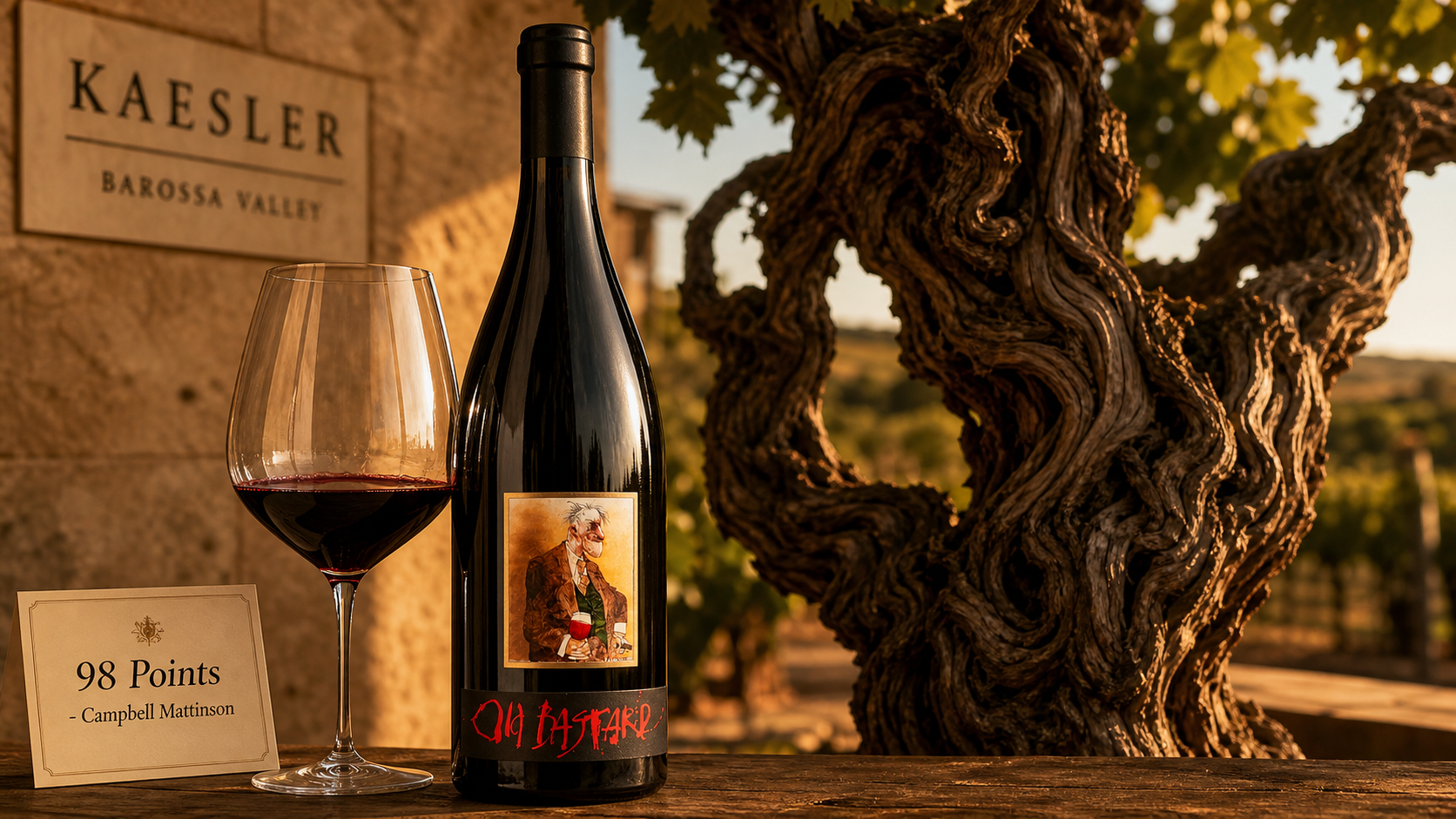
When 131-Year-Old Vines Produce Near-Perfect Shiraz
The Kaesler Old Bastard Shiraz 2022 represents something genuinely rare in Australian wine: a 98-point rating from Campbell Mattinson, one of the country’s most respected critics. This single vineyard expression comes from Shiraz vines planted in 1893, making them 131 years old when these grapes were harvested. The score places this wine amongst the highest-rated Barossa Valley Shiraz releases of recent years, a recognition that acknowledges not merely exceptional winemaking but the profound influence of ancient vine material on wine quality. Mattinson describes the 2022 vintage as “an epic Barossa shiraz,” language he reserves for wines that transcend regional benchmarks.
What Makes Campbell Mattinson’s Review Exceptional
Mattinson’s tasting note reveals why the Old Bastard Shiraz 2022 earned such extraordinary recognition. He describes it as “a bold, powerful, black-fruited wine but it’s laced with graphite and rust-like notes and it runs on forever through the finish”. The complexity extends beyond fruit concentration. Mattinson emphasizes that “the web of tannin running through the back half of the wine is elite in itself; it’s the perfect anchor to the shipload of fruit flavour”. This structural precision separates genuinely exceptional wine from merely very good examples.
The flavour profile demonstrates remarkable layering. Peppercorn, saltbush, cedarwood, earth, and smoked olive notes all contribute supporting roles, yet Mattinson notes that “everything else is major”. This balance between primary fruit expression and tertiary complexity indicates a wine that possesses both immediate appeal and serious cellaring potential. For collectors seeking to buy Shiraz online in Australia, the Old Bastard Shiraz 2022 represents the kind of benchmark bottle that defines what premium Barossa Valley can achieve when everything aligns perfectly.
The 98-point score marks a significant achievement. Mattinson’s review of the 2021 vintage awarded 96 points, describing that wine as “monumental in the best of ways” and “an absolute beauty”. The two-point increase for the 2022 vintage signals measurable improvement in an already exceptional wine, suggesting the 2022 growing season provided ideal conditions for these ancient vines.
The Barossa Valley Advantage: Where Terroir Delivers Power with Precision
The Barossa Valley’s reputation as Australia’s premier Shiraz region rests on distinctive terroir characteristics that favour bold, intense expressions. The valley experiences a warm Mediterranean climate with hot, dry summers and mild winters, creating ideal conditions for Shiraz grapes to achieve full ripeness whilst retaining balanced acidity. Significant diurnal temperature variation—warm days followed by cool nights—preserves freshness and aromatics even as fruit flavours concentrate.
Soil composition varies considerably across the Barossa Valley, with over 15 distinct soil types documented by the Barossa Grounds Project. The Northern Grounds and Western Ridge feature red-yellow brown loams over red clay with high concentrations of shattered ironstone, producing the most structured, full-bodied Shiraz styles. These ironstone-rich red clay soils yield wines with dark fruit intensity, firm tannin, and savoury, earthy character suited to extended cellaring. The Central Grounds around Marananga, Vine Vale, and Light Pass contain sandy loam and black cracking clay, creating different expressions with softer, more approachable profiles.
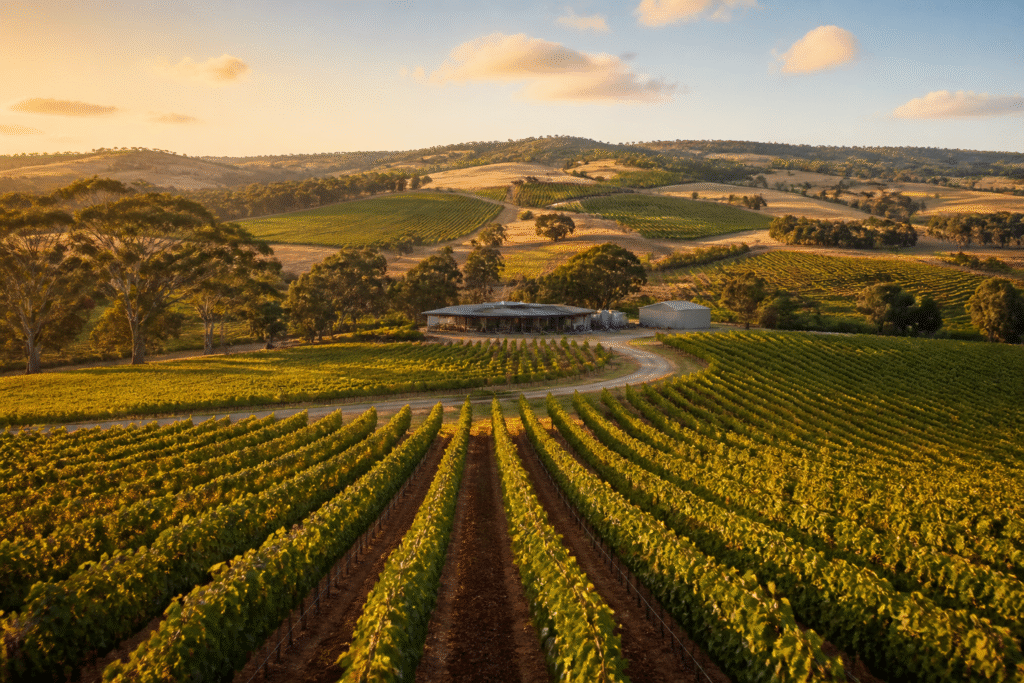
Kaesler’s vineyard sits within this complex terroir mosaic. The estate owns just over 37 hectares of vineyards in the Barossa Valley, with the majority comprising old vine material planted in 1893, 1899, 1930, and throughout the 1960s. All fruit receives hand picking and hand pruning, with irrigation kept to a minimum. Crop thinning occurs in most years to reduce yields and maximise flavour concentration, whilst blocks remain separate until final blending. This meticulous attention to viticultural detail ensures that ancient vine character translates fully into the finished wine.
Featured Wines
Kaesler Cabernet Sauvignon 2021 (12 Bottles) Barossa Valley, SA
Add to Cart
$42.75
/ bottle
$513.00 for a case of 12
Kaesler Stonehorse Shiraz 2022 (12 Bottles) Barossa Valley, SA
Add to Cart
$24.58
/ bottle
$295.00 for a case of 12
Kaesler ‘Old Bastard’ Shiraz 2022 (6 Bottles) Barossa Valley, SA
Add to Cart
$337.33
/ bottle
$2,024.00 for a case of 6
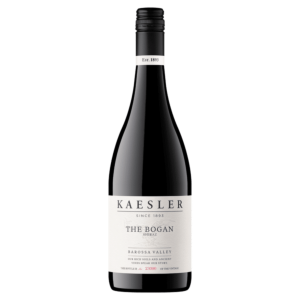
Kaesler ‘The Bogan’ Shiraz 2022 (12 Bottles) Barossa Valley, SA
Add to Cart
$55.92
/ bottle
$671.00 for a case of 12
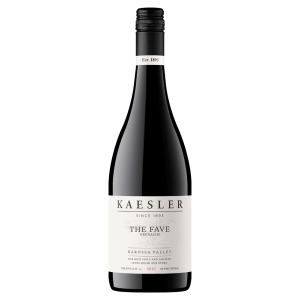
Kaesler ‘The Fave’ Grenache 2023 (12 Bottles) Barossa Valley, SA
Add to Cart
$55.92
/ bottle
$671.00 for a case of 12
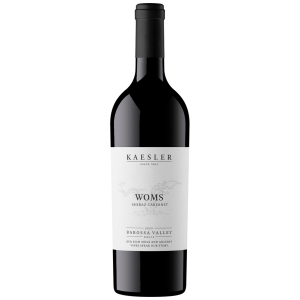
Kaesler ‘WOMS’ Shiraz Cabernet 2022 (6 Bottles) Barossa Valley, SA
Add to Cart
$85.67
/ bottle
$514.00 for a case of 6
The Significance of 1893: When Ancestor Vines Define Wine Quality
The term “Ancestor Vine” carries specific meaning within the Barossa Valley’s Old Vine Charter classification system. Vines qualify for Ancestor designation when they reach or exceed 125 years of age, representing living tributes to the early European settlers who established the region’s viticultural tradition. These vines tend to be dry-grown and low-yielding, producing grapes with great intensity of flavour. Their genetic material has helped populate the region with irreplaceable old stocks that underpin modern Barossa winemaking.
The Kaesler vineyard traces its origins to Silesian pioneers who arrived in the Barossa Valley during the 1840s and acquired 96 acres in 1891. By 1893, they had planted the entire acreage with Shiraz, Grenache, Mataro (Mourvèdre), and White Hermitage vines. Some of the original gnarled, dry-grown Shiraz vines still remain, providing the backbone for the intense wines Kaesler produces today. The Old Bastard Shiraz comes exclusively from this 1893 block, making it a pure expression of 131-year-old vine material.
Ancient vines contribute distinctive qualities beyond mere historical significance. As vines age, their root systems penetrate deeper into soil layers, accessing water and nutrients that young vines cannot reach. Lower yields concentrate flavour compounds into fewer grape clusters, whilst genetic adaptation to specific vineyard sites over multiple generations creates wines that express terroir with remarkable precision. For enthusiasts wanting to browse our Shiraz red wine range or discover the best Shiraz wines online, understanding how vine age influences wine character helps identify bottles worth cellaring.
Why This Wine Matters Beyond the Points
The Old Bastard Shiraz represents more than exceptional technical achievement. The wine serves as a benchmark for what premium Barossa Valley Shiraz can deliver when winemakers work with genuinely ancient genetic material. Kaesler describes the wine as “the essence of the Barossa Valley and a true testament to the history, soils and place that is the Barossa”. This positioning acknowledges that certain wines transcend typical quality markers to become definitive regional expressions.
The $350 price point reflects both the rarity of 131-year-old vine fruit and the wine’s collectability. The Old Bastard Shiraz ranks amongst Australia’s most collected wines and earns recognition as a benchmark for premium Barossa Shiraz worldwide. The 14.5% alcohol level demonstrates restraint, avoiding the excessive extraction that can plague ultra-premium Australian Shiraz. This measured approach allows the wine’s structural elements—tannin, acidity, fruit concentration—to integrate harmoniously rather than competing for dominance.
Kaesler’s commitment to regenerative farming practices adds another dimension to the wine’s significance. The estate has adopted soil health improvement through composting, which enhances vine health and allows flavour development at lower sugar levels. This approach produces more balanced, fresher wines requiring minimal acid adjustment and clean, healthy primary fermentation. The philosophy extends beyond organic certification to genuine ecosystem management, ensuring these ancient vines continue producing exceptional fruit for future generations.
The 2022 vintage demonstrates how exceptional growing seasons elevate already outstanding vineyards. Mattinson’s 98-point score places this wine amongst the highest-rated Barossa Valley Shiraz releases, comparable to other benchmark producers who’ve achieved similar recognition. For collectors seeking tobuy popular Shiraz brands online or shop Australian Shiraz red wine, the Old Bastard Shiraz 2022 represents a wine that will define the vintage when critics and enthusiasts assess 2022 Barossa releases in decades to come.
The Kaesler Old Bastard Shiraz 2022 proves that when 131-year-old vines meet ideal vintage conditions and meticulous winemaking, the results justify the highest critical praise Australian wine receives.




 Shiraz
 Cabernet Sauvignon
 Pinot Noir
 Grenache
 Merlot
 Red Wine Blends
 Chardonnay
 Riesling
 Pinot Gris
 Semillon
 Viognier
 Grenache Rosé
 Pinot Noir Rosé
 Shiraz Rosé
 Sangiovese Rosé
 Aglianico Rosé
 Clairette Rose
 Champagne
 Prosecco
 Sparkling Shiraz
 Blanc de Blanc
 Blanc de Noir
 Pet Nat
 Moscato
 Topaque
 Port
Port Sherry (dry & sweet)
 Muscat & Tokay
 Vermouth