 0473 644 098 · Mon–Fri 9am–5pm AESTHelp & FAQ


When White Wine Comes from Red Grapes: The Winemaking Secret Behind Champagne’s Greatest Bottles

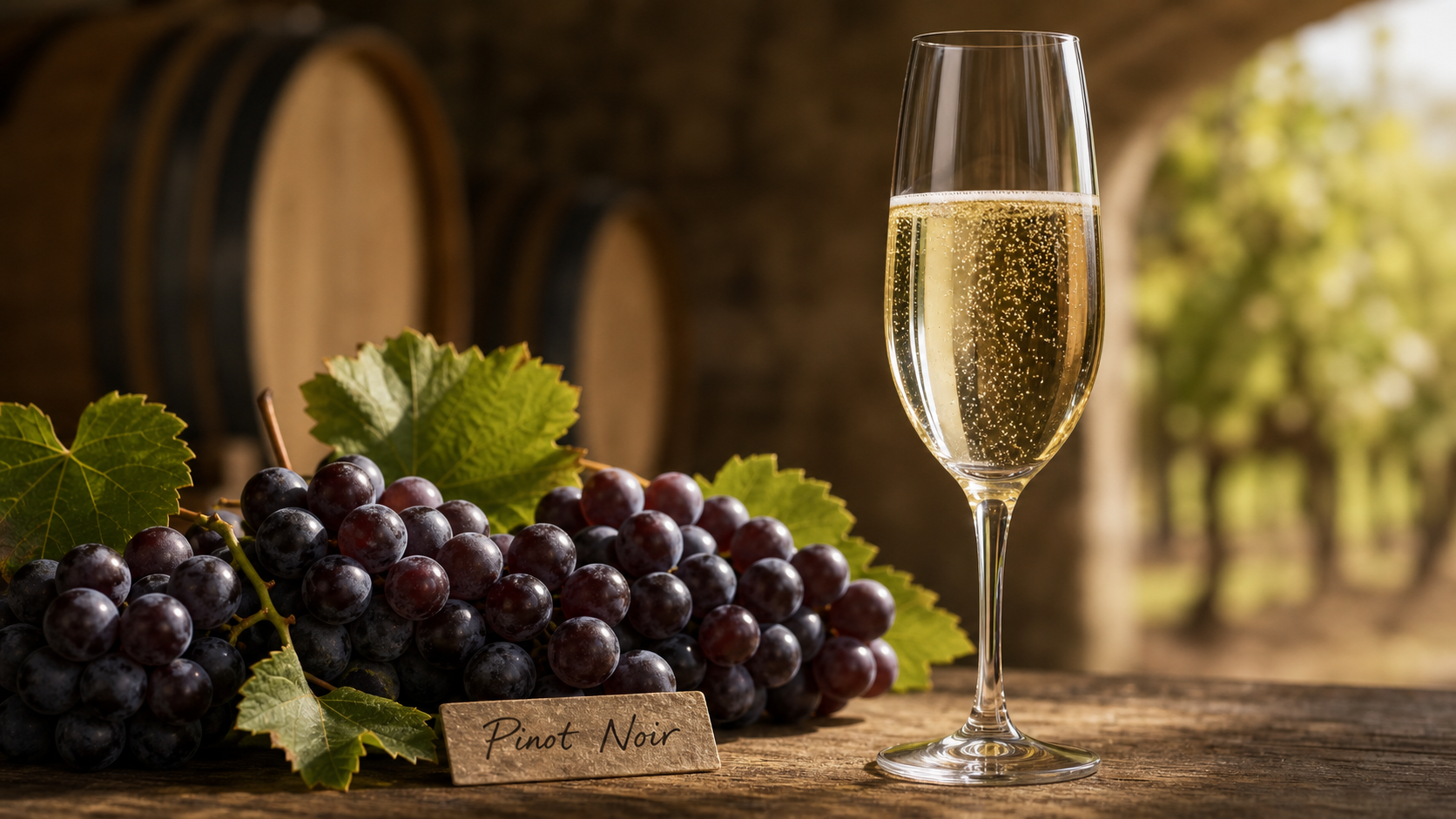
When Red Grapes Turn White: The Fascinating Science Behind Colour-Defying Wine
White wine doesn’t always come from white grapes. Whilst most drinkers assume colour follows grape variety in a straightforward manner, the reality involves far more nuance. The juice inside nearly all red grapes runs clear. What determines whether that juice becomes red or white wine isn’t the grape itself but rather how quickly winemakers separate the juice from the pigment-rich skins. Some of the world’s most prestigious white wines embrace this counterintuitive approach, producing bottles that challenge conventional understanding whilst delivering remarkable complexity.
How Champagne’s Most Famous Grapes Play Both Sides
The Champagne region demonstrates this principle most famously through its three permitted grape varieties: Chardonnay, Pinot Noir, and Pinot Meunier. Whilst Chardonnay brings white-skinned grapes to the blend, both Pinot Noir and Pinot Meunier possess dark red skins yet regularly contribute to white sparkling wines. The process requires extraordinary precision. Winemakers harvest on cool mornings and rush grapes to the cellar, pressing them immediately using specialized pneumatic presses that crush gently whilst filtering away skins and seeds before pigment can leach into the juice. The resulting liquid typically shows a lovely deep golden colour rather than the pale ruby hue those same grapes would create through traditional red winemaking methods.
Pinot Meunier accounts for more than 40% of Champagne’s entire plantings, making it the region’s most widely planted grape. The variety thrives in cooler, north-facing vineyards throughout the Vallée de la Marne and the Aisne department, where Pinot Noir and Chardonnay would struggle to ripen fully. Pinot Meunier contributes soft, mid-palate fruitiness and moderate acidity to blends, providing youthful exuberance that makes wines approachable when young. Pinot Noir, conversely, offers structure, power, and body with mid-palate concentration, refreshing acidity, and focused fruit that develops complex autolytic characters over time.
Blanc de Noirs: When Only Black Grapes Make the Cut
Blanc de Noirs, translating to “white from blacks,” represents the ultimate expression of white wine made from red grapes. These Champagnes contain exclusively dark-skinned varieties—either 100% Pinot Noir, 100% Pinot Meunier, or a blend of both. The style delivers fruit-forward, riper characteristics compared to its Chardonnay-based counterpart. For those interested in buying Blanc de Noirs champagne online or exploring Australian Blanc de Noirs sparkling wine retailers, understanding the fundamental difference between this style and Blanc de Blancs proves essential.
The production methodology follows traditional Champagne methods, beginning with gentle pressing to extract juice whilst avoiding skin contact that would add colour or tannins. After primary fermentation creates the base wine, winemakers add yeast and sugar before bottling, initiating secondary fermentation that generates the signature bubbles. Extended ageing on lees—the spent yeast cells—develops texture and flavour complexity over months or years.
Blanc de Noirs Champagnes possess fuller body and richer structure than Blanc de Blancs, with notes of red fruit and brioche. This substantial mouthfeel allows them to match heavier dishes where one might ordinarily default to still red wine. Pinot Noir typically dominates these blends, though some producers highlight single varieties to showcase the distinctive character each grape brings. Those seeking premium Blanc de Noirs wine online in Australia will find these bottles offer remarkable versatility with food whilst maintaining the celebratory elegance Champagne represents.

 $23.50
/ bottle
$141.00 for a case of 6
$23.50
/ bottle
$141.00 for a case of 6
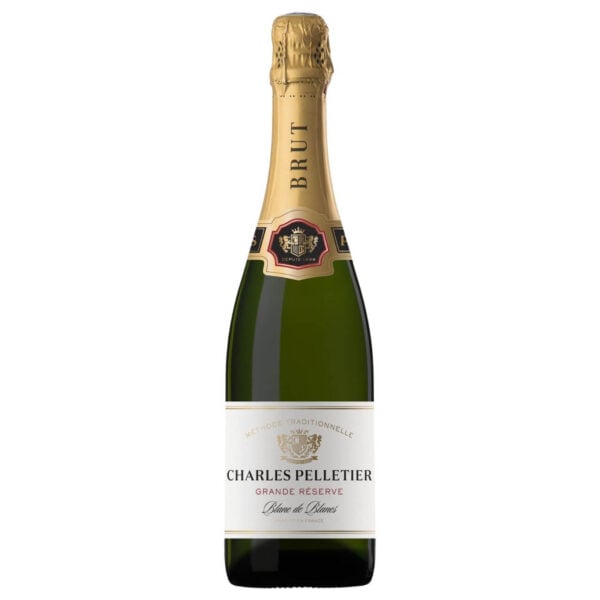
Charles Pelletier Blanc de Blancs NV
Shipped by
Vintage House Wine & Spirits
$23.50
/ bottle
$141.00 for a case of 6
 $6.58
/ bottle
$158.00 for a case of 24
$6.58
/ bottle
$158.00 for a case of 24
 $118.67
/ bottle
$712.00 for a case of 6
$118.67
/ bottle
$712.00 for a case of 6

 $179.17
/ bottle
$1,075.00 for a case of 6
$179.17
/ bottle
$1,075.00 for a case of 6
Pierre Gimonnet & Fils Special Club Grand Terroirs de Chardonnay /
Shipped by
Wines Australia
$179.17
/ bottle
$1,075.00 for a case of 6


 $219.67
/ bottle
$659.00 for a case of 3
$219.67
/ bottle
$659.00 for a case of 3

 $84.67
/ bottle
$508.00 for a case of 6
$84.67
/ bottle
$508.00 for a case of 6
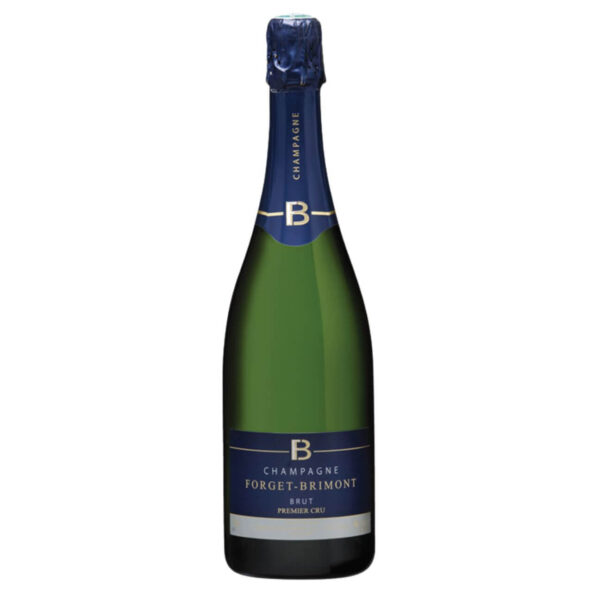
Forget-Brimont Brut Premier Cru NV
Shipped by
Vintage Wine Co
$84.67
/ bottle
$508.00 for a case of 6
 141 pts
 White Pinot Noir: California’s Counterintuitive Creation
Beyond sparkling wine production, some winemakers craft still white wines from Pinot Noir grapes. White Pinot Noir demonstrates even greater technical precision than Champagne production, requiring fruit to be crushed at extremely cold temperatures to ensure minimal coloration from the skins. The pure Pinot Noir juice undergoes fermentation in 100% stainless steel, then ages on lees for six months to develop complexity whilst preserving the wine’s pale colour.
The resulting wines deliver richness exceeding most white wines because they originate from red wine grapes, offering flavours of baked apple with nuances of honey, orange, and ginger. The profile resembles Chardonnay more than traditional Pinot Noir, yet maintains distinctive characteristics. Some producers, particularly in Anderson Valley and Oregon, barrel-ferment their White Pinot Noir in neutral French oak—the older the barrel, the better—to add texture without oak flavour.
White Pinot Noir undergoes fermentation like white wine, with juice fermenting in the absence of skins, representing a fundamentally different fermentation process than red wine production. The fermentation proceeds much cooler and slower than red wine fermentation, preserving delicate aromatics. For enthusiasts interested in purchasing white Pinot Noir online, these small-production wines typically sell directly to consumers rather than through traditional retail channels. Those exploring Australian white wine alternatives to Chardonnay might find White Pinot Noir offers comparable richness with intriguing novelty.
White Zinfandel: When Everything Went Pink Instead
White Zinfandel occupies a peculiar position amongst white wines made from red grapes because the style deliberately retains a light rosé-coloured hue rather than achieving pure white. Small amounts of pigment extracted during the pressing process give White Zinfandel its characteristic pale pink colour, positioning it somewhere between true white wine and rosé.
California stands as the undisputed heart of White Zinfandel production, with premier growing regions including Amador County, Napa Valley, Sonoma County, and Suisun Valley. These areas offer abundant sunshine, well-draining soils, and extended growing seasons that develop optimal sugar levels and flavour profiles essential to quality White Zinfandel. Napa Valley produces White Zinfandel with remarkable depth and structure, whilst Sonoma County’s diverse terroir—influenced by coastal fog and varying elevations—yields wines with distinctive characteristics.
Lodi represents Zinfandel’s spiritual home, accounting for 20-30% of California’s total Zinfandel production. Vineyards here date back to the late 1800s, with ample quantities of century-old, head-trained, own-rooted vines that escaped phylloxera destruction due to sandy soils. For those seeking White Zinfandel wine from California producers or buying White Zinfandel online in Australia, understanding regional differences helps identify quality examples. Alexander Valley in Northern Sonoma County, granted AVA status in 1984, produces Zinfandels that thrive alongside the region’s famous Cabernet Sauvignon.
The winemaking process for White Zinfandel involves crushing grapes into tanks with skins and seeds, then monitoring juice samples every hour to check colour extraction. The moment the winemaker determines the colour appears perfect, she strains the juice from the skins into clean tanks where fermentation completes. Some California and Oregon winemakers report making rosé-style wines with less than seven hours of skin contact time.
The Critical Moment: Understanding Skin Contact Timing
The fundamental difference between white and red winemaking lies in maceration—the period juice spends in contact with grape skins. For red wines, extended maceration extracts colour, tannins, and flavour compounds from skins. Some red winemakers employ cold-soaking before fermentation and extended maceration afterward, sometimes adding grape stems to increase colour extraction. This process yields wines with deep colour and substantial tannin structure.
White wine production from red grapes requires the opposite approach. Winemakers skip maceration entirely, gently pressing grapes and quickly separating juice from skins before colour and tannins can leach in. The result produces white or very pale wine with the finesse and aromatic complexity of red grapes minus the red hue. Time and temperature represent the two main drivers of extractive activity during white wine skin contact. Skin contact times can vary from short two to four hours, aided by enzymes, to leisurely 24 hours or even longer, with extraction of flavonoid phenolics doubling in approximately 16 hours.
The majority of important sensory components in white grapes exist in the pulp rather than the skins, contrasting sharply with red grapes where skins contribute essential character. This fundamental difference explains why separating skins quickly from white wine production minimizes microbial flora contact whilst preserving the fresh, fruit-forward character winemakers seek. For white wines made from red grapes, this rapid separation becomes even more critical, as any extended contact would immediately begin extracting unwanted pigment.
Why This Matters Beyond Champagne
Whilst Champagne represents the most famous example of white wine made from red grapes, the technique extends beyond sparkling wine production into still wine categories. The ability to transform red grapes into white wine demonstrates winemaking’s technical sophistication whilst challenging simplistic assumptions about how colour, variety, and style interconnect. Understanding this process reveals why some white wines possess greater body, complexity, and structure than others—characteristics inherited from the red grape varieties from which they originate, even when those wines appear pale in the glass.


 Shiraz
 Cabernet Sauvignon
 Pinot Noir
 Grenache
 Merlot
 Red Wine Blends
 Chardonnay
 Riesling
 Pinot Gris
 Semillon
 Viognier
 Grenache Rosé
 Pinot Noir Rosé
 Shiraz Rosé
 Sangiovese Rosé
 Aglianico Rosé
 Clairette Rose
 Champagne
 Prosecco
 Sparkling Shiraz
 Blanc de Blanc
 Blanc de Noir
 Pet Nat
 Moscato
 Topaque
 Port
Port Sherry (dry & sweet)
 Muscat & Tokay
 Vermouth