 0473 644 098 · Mon–Fri 9am–5pm AESTHelp & FAQ


How Social Media Turned Wine Brands into Wine Communities


Social media has not just given the wine world a few new advertising tools; it has fundamentally changed how wine is talked about, taught and trusted, in ways that have been overwhelmingly positive for curious drinkers and thoughtful producers alike. For Australian readers watching both local and international trends, it now sits at the centre of how wine culture moves.
When conversation escaped the tasting room
Here is something genuinely fascinating about the past decade of wine: conversation has moved from the cellar door and the critic’s column into a constant, rolling dialogue that follows people through their day on phones and laptops. Social channels allow images of vineyards, snippets of barrel tastings and quick thoughts on a mid‑week bottle to sit side by side, forming a living collage of global wine life rather than a curated, top‑down narrative.
Wineries that once relied on tourism, trade visits or occasional press coverage now speak directly to thousands of drinkers at once, with viewers able to comment, question and share in real time. Research looking at social media in regions such as the Yarra Valley shows that even when adoption began cautiously, wineries quickly recognised that these tools created a new, two‑way relationship between producer and audience rather than simply adding another broadcast channel. For drinkers, that has meant access, immediacy and a sense that wine stories are unfolding in front of them rather than being reported after the fact.
How social media turned brands into people
The most powerful change is arguably human rather than technical. Social media allows wineries to present themselves not as static labels, but as people with faces, voices and daily work in the vines and cellar. Agencies describing best practice talk about behind‑the‑scenes clips of pruning, bottling days, staff tastings and team members introducing themselves, all of which build familiarity and loyalty that glossy advertising could never match.
Australian marketing case studies consistently highlight the same pattern: posts about people and process, rather than pure product shots, drive the strongest engagement and, in time, the most reliable sales. Followers begin to feel they know the vineyard manager wrestling with frost, the young winemaker trialling a new Fiano planting, the cellar‑door host opening magnums on a busy Saturday. This is wine as relationship rather than commodity, and for an industry built on patience and place, that shift has been quietly transformative.
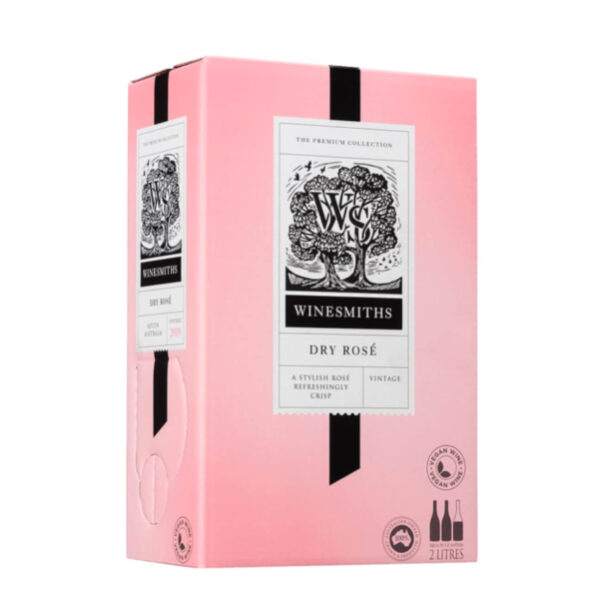 $21.17
/ bottle
$127.00 for a case of 6
$21.17
/ bottle
$127.00 for a case of 6
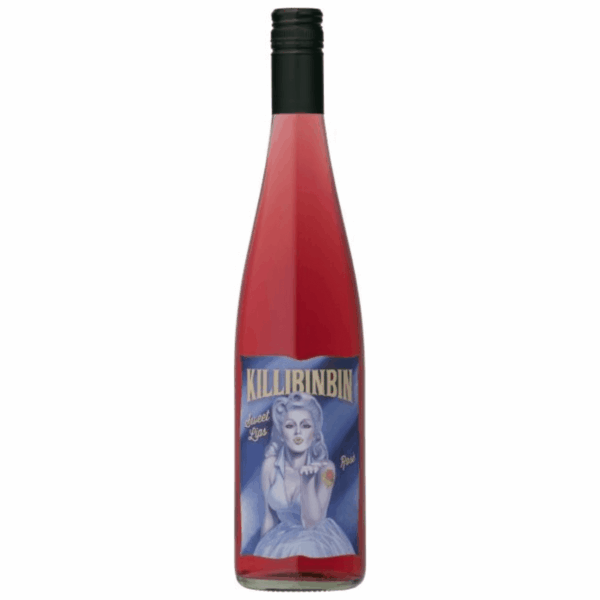 $17.42
/ bottle
$209.00 for a case of 12
$17.42
/ bottle
$209.00 for a case of 12
Killibinbin Sweet Lips Rosé
Shipped by
Oatley Fine Wine Merchants
$17.42
/ bottle
$209.00 for a case of 12

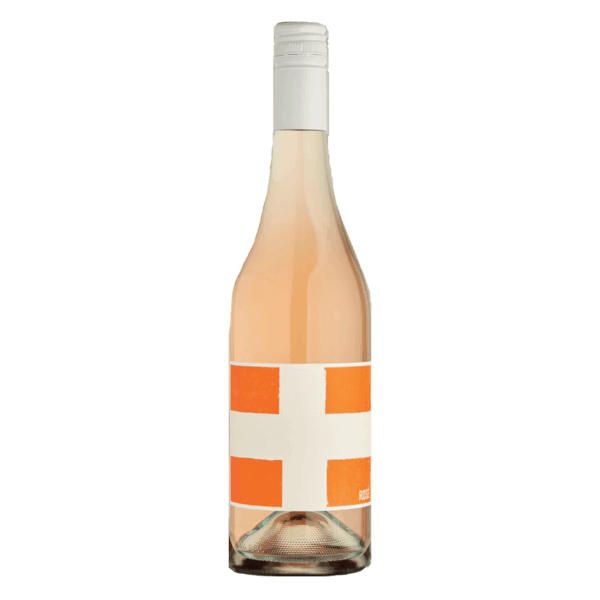 $22.33
/ bottle
$268.00 for a case of 12
$22.33
/ bottle
$268.00 for a case of 12
 $27.67
/ bottle
$166.00 for a case of 6
$27.67
/ bottle
$166.00 for a case of 6
Collector Wines Shoreline Sangiovese Rosé
Shipped by
Wines Australia
$27.67
/ bottle
$166.00 for a case of 6
 $450
off RRP
-75% Hot
$450
off RRP
-75% Hot
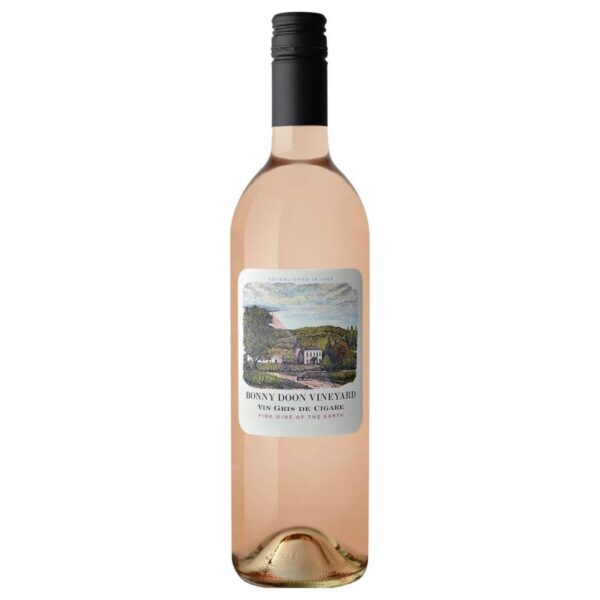 $50.00
$12.50
/ bottle
$150.00 for a case of 12
$50.00
$12.50
/ bottle
$150.00 for a case of 12
Bonny Doon “Vin Gris de Cigare” Rosé
Shipped by
Wines By Cellars
$50.00
$12.50
/ bottle
$150.00 for a case of 12
 $16.67
/ bottle
$100.00 for a case of 6
$16.67
/ bottle
$100.00 for a case of 6
 127 pts
 Education that fits in a scroll
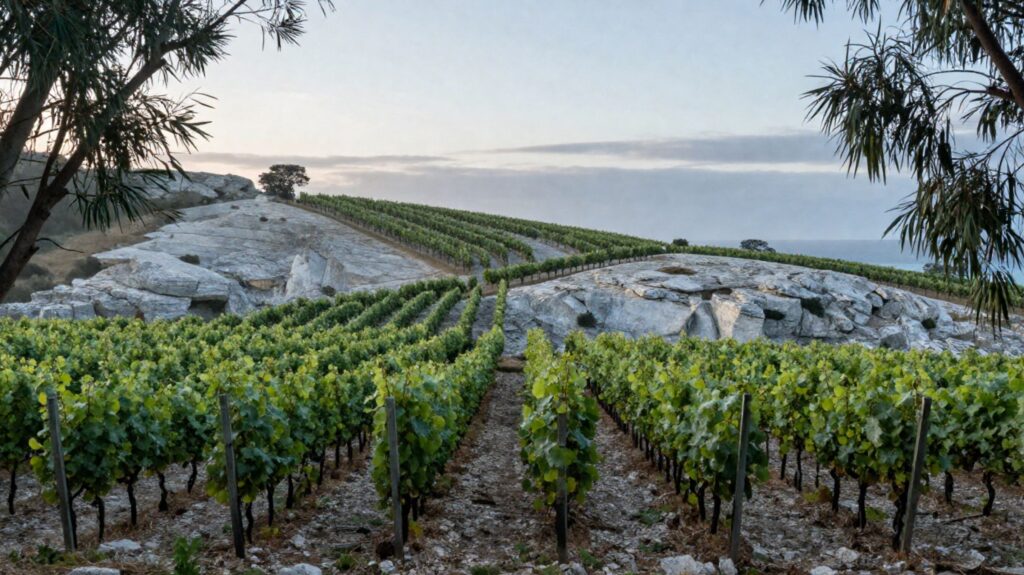
For serious drinkers, one of the most welcome developments has been how easily social media carries education into everyday life. Articles on digital wine strategy now routinely point out that platforms give wineries unparalleled scope to explain grape varieties, regions, pairings and cellaring in an accessible, visual way. Imagery of soils and slopes, short videos on pruning, side‑by‑side comparisons of vintages or varietals: all of these turn abstract concepts like tannin management or limestone terroir into something concrete and memorable.
Marketing specialists note that wineries increasingly use their feeds to provide pairing suggestions, tasting notes and serving tips, which followers then save, share and return to when they stand in front of a shelf or plan a dinner. For Australian readers who might not live near major wine regions, this steady stream of micro‑lessons brings the vineyard to them, narrowing the gap between Old World theory and New World lived experience. The result is a better‑informed consumer base that asks harder questions, explores more confidently and, crucially, supports a broader range of producers.
Communities, not just customers
Beyond marketing and education, social media has fostered something more interesting: genuine wine communities that exist independently of any single winery’s branding. Commentators describe how enthusiasts now gather in groups and forums to swap notes, organise tastings, champion unfashionable styles and celebrate obscure producers whose entire allocation might once have disappeared quietly into a handful of cellars.
Industry observers point out that this “socialisation” aspect encourages people to try wines they might otherwise overlook, precisely because they see trusted peers enjoying and discussing them. Campaigns such as the UK’s #theBIGenglishwinegoodfriday, which generated millions of impressions and a tangible sales lift for participating wineries, show how quickly collective enthusiasm can translate into real‑world support when harnessed thoughtfully. Australian regions have mirrored this with local hashtags, collaborative promotions and online tasting events that draw producers and drinkers into the same digital room, creating a sense of shared project rather than isolated brands jostling for attention.
A fairer playing field for the quiet and the small
Yet here is the crucial reality: social media has tilted the table slightly away from the largest marketing budgets and towards those producers who have real stories to tell and the willingness to engage. Studies and expert commentary repeatedly stress that while big brands still benefit from reach, smaller wineries can punch far above their weight through consistent, authentic communication and community‑minded content. A thoughtful regional estate that shares harvest updates, candid reflections and honest vintage reports can feel closer and more trustworthy than a multinational name wrapped in polished slogans.
Australian wine marketers interviewed about their digital priorities often emphasise that social channels help them “get closer to customers” and “join the conversation” their audience is already having online, rather than shouting over it. When this is done with sincerity and patience, the positive outcomes are obvious: stronger cellar‑door visitation, healthier mailing lists, more resilient direct‑to‑consumer sales and, perhaps most importantly, a base of drinkers who feel personally invested in a winery’s long‑term health.
The platforms will keep evolving, algorithms will rise and fall, but the deeper change is settled. Wine is no longer something spoken about at consumers from on high; it is something discussed with them, between them, across borders and time zones, every hour of the day. For a culture built on sharing bottles and stories, the emergence of a global, always‑open conversation has been a remarkably good fit. The challenge now is not to decide whether social media is good or bad for wine, but to choose which voices deserve amplification in this louder, more connected world.


 Shiraz
 Cabernet Sauvignon
 Pinot Noir
 Grenache
 Merlot
 Red Wine Blends
 Chardonnay
 Riesling
 Pinot Gris
 Semillon
 Viognier
 Grenache Rosé
 Pinot Noir Rosé
 Shiraz Rosé
 Sangiovese Rosé
 Aglianico Rosé
 Clairette Rose
 Champagne
 Prosecco
 Sparkling Shiraz
 Blanc de Blanc
 Blanc de Noir
 Pet Nat
 Moscato
 Topaque
 Port
Port Sherry (dry & sweet)
 Muscat & Tokay
 Vermouth