 0473 644 098 · Mon–Fri 9am–5pm AESTHelp & FAQ


Portarlington – Where Australia’s Mussel Capital Meets Wine Country

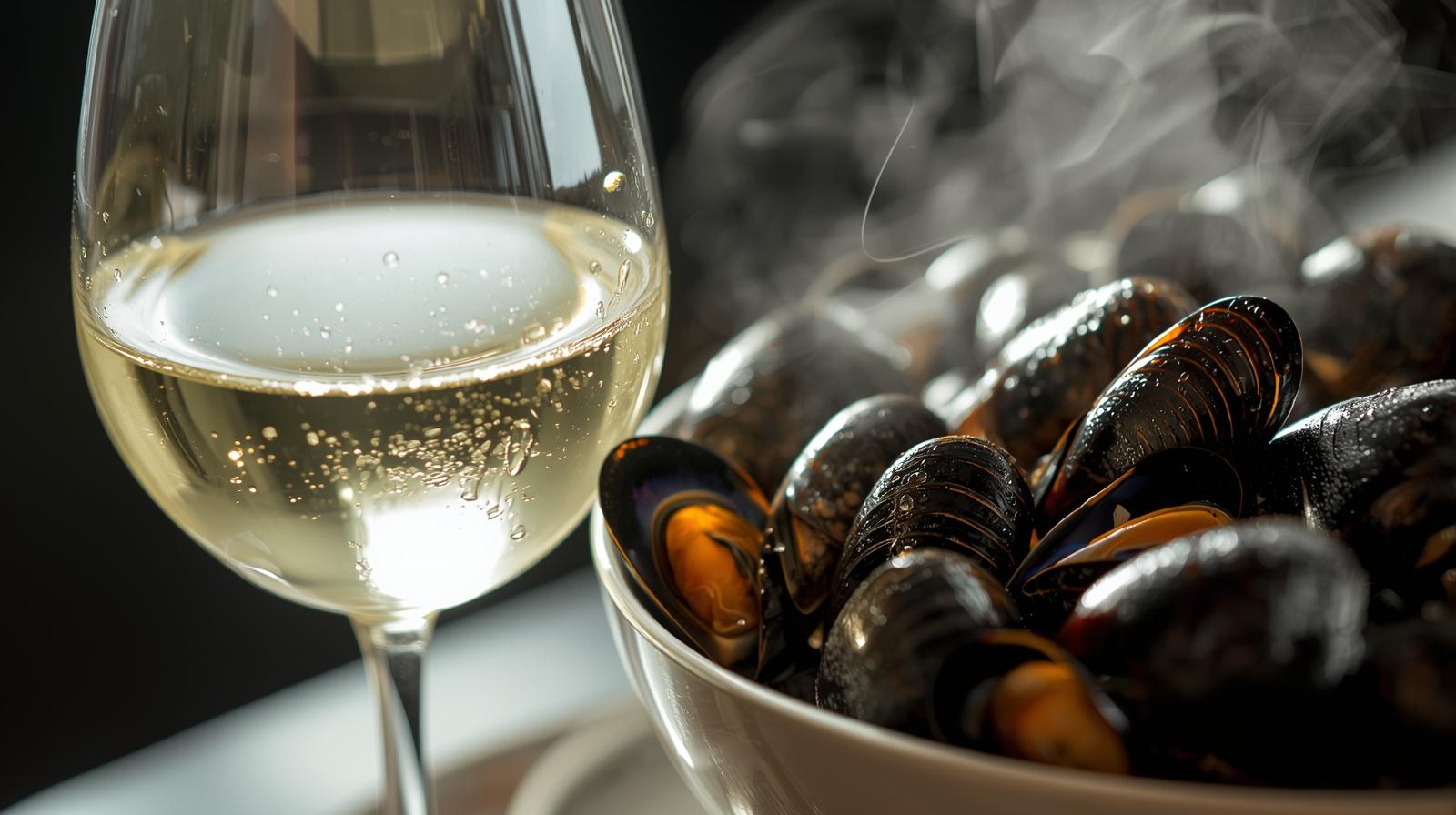
Portarlington sits on Victoria’s Bellarine Peninsula, 90 minutes by car or 70 minutes by ferry from Melbourne, occupying territory that could easily be dismissed as pleasant coastal town without distinguishing characteristics. Yet this seaside community harvests 60 percent of Australia’s blue mussels, earning designation as the nation’s mussel capital whilst simultaneously sitting surrounded by wineries benefiting from the region’s rich soils and cool maritime climate. This convergence of exceptional shellfish and quality wine production creates something rarely found elsewhere: a destination where the pairing happens naturally, where the two elements that belong together geographically also belong together on the plate.
The relationship between wine and mussels isn’t arbitrary. It rests on fundamental chemistry about how acidity interacts with the specific proteins and mineral characteristics that define quality shellfish. Understanding why this pairing works transforms Portarlington from casual day trip destination into deliberate culinary pilgrimage, a place where geography has conspired to create ideal conditions for experiencing one of wine’s most reliable food partnerships.
The Mussel Industry: How Portarlington Became Australia’s Shellfish Capital
Mussels have been farmed in Portarlington since the 1980s, though widespread appreciation for eating them emerged only within the past 40 years. What began with a handful of farmers has expanded to over 20 mussel operations working the cool, deep waters of Port Phillip Bay. Lance Wiffen, who has farmed mussels in these waters for 37 years, understands both the environmental benefits and the commercial appeal. “The cool deep water of the bay is the perfect environment for mussels, oysters and other shellfish,” he explains, noting how shellfish farming increases water quality, biodiversity, and fish populations whilst producing premium product.
The blue mussels (Mytilus galloprovincialis) grown here develop distinctive characteristics from their environment. The bay’s salinity, temperature, and nutrient availability all influence flavour development. These mussels tend toward sweetness rather than brininess, with plump meat and clean mineral finish. Their quality has made them sought-after by top Melbourne restaurants and speciality markets, establishing Portarlington’s reputation beyond regional boundaries.
In 2021, Lance and his wife Lizzie launched Portarlington Mussel Tours, refurbishing a 40-year-old Tasmanian mussel trawler christened Valerie into luxury vessel accommodating 12 passengers for three-hour cruises. The tours combine education about mussel farming with cooking demonstrations, tastings of local produce including native Portarlington oysters, and wine from surrounding Bellarine Peninsula wineries. Guests watch mussel lines being pulled from the water, observe the farming process firsthand, and taste freshly shucked raw mussels before moving to cooked preparations like Mussels Kilpatrick and Cider Chilli Mussels served with Flying Brick Cider and Alchemy Sourdough.
The annual Portarlington Mussel Festival, launched in 2007, has grown into beloved event attracting over 30,000 visitors each January. The 2026 festival runs Saturday January 11 from 9:30am to 5pm, featuring over 200 market stalls, cooking demonstrations, local beer and wine tastings, live music across three stages, and mussels prepared countless ways: paella, mussel pies, chowder, curries. Entry costs $10 for adults over 16, with children free.
The Wine Context: Why the Bellarine Peninsula Produces Wines That Match Mussels
The Bellarine Peninsula’s cool maritime climate and varied soils create conditions favouring aromatic white varieties and elegant reds. Wineries like Jack Rabbit, Bellarine Estate, Terindah Estate, and Scotchmans Hill, rated among James Halliday’s Top 100 Australian Wineries, produce wines with the essential characteristic that makes mussel pairing work: vibrant acidity.
Proximity matters. During Portarlington Mussel Tours, guests sip Leura Park Grand Vintage Sparkling Blanc de Blanc, Baie Rosé, Terindah Estate Pinot Gris, and One Day Estate Riesling alongside oysters and mussels pulled fresh from the bay. This isn’t coincidental matching. These wines emerged from vineyards within 30 kilometres of where the shellfish grew, shaped by similar maritime influences, expressing terroir that harmonises naturally with local seafood.
The region’s winemakers understand this relationship. They’re producing wines that work alongside the area’s culinary identity rather than in isolation from it. Scotchmans Hill’s Sauvignon Blanc, with its citrus and herbaceous characters, cuts through mussel richness whilst amplifying mineral qualities. Terindah Estate’s Pinot Gris provides textural weight that complements plump mussel meat without overwhelming delicate sweetness. These aren’t accidents of production. They’re deliberate expressions of place designed to function within a complete gastronomic context.
The Chemistry of Why Wine and Mussels Work Together
The pairing between wine, particularly white wine and sparkling wine, and mussels succeeds because of specific chemical interactions involving acidity, minerality, and protein structure. Understanding these interactions explains why this combination appears on menus globally and why Portarlington’s geographic convergence of mussel farming and wine production creates such natural synergy.
Acidity functions as the primary driver. High-acid wines stimulate salivary glands, making mouths water. According to wine education from Bonterra, acidity’s mouthwatering power cleanses palates before meals, between courses, and between bites. More crucially, acidity dissolves and breaks down fats, making heavy dishes seem lighter and more balanced. Mussels, whilst relatively low in fat compared to other proteins, still contain lipids and proteins that coat the palate. The mussel’s natural sweetness from glycogen stored in the meat and slight richness from omega-3 fatty acids require counterbalance to prevent palate fatigue. High-acid wines provide this counterbalance, cutting through richness and resetting taste receptors between mouthfuls.
Sommelier Jancis Robinson articulates the principle succinctly: “A good wine pairing should elevate the flavors of the dish while balancing its richness. With seafood like mussels, wines with high acidity and minerality are the perfect match.” This observation reflects decades of professional tasting and pairing experience across the world’s finest restaurants.
The specific acids in wine matter. Wines that haven’t undergone malolactic fermentation retain malic acid, which provides vibrant green apple character and sharp refreshment. This works brilliantly with mussels prepared simply, steamed with white wine, garlic, herbs, where the goal is enhancing rather than masking the shellfish’s natural flavour. Wines that have completed malolactic fermentation, converting malic acid to softer lactic acid, offer rounder acidity that pairs well with richer mussel preparations involving cream, butter, or cheese.
Minerality creates a second layer of harmony. The term “minerality” in wine remains somewhat controversial among scientists, but tasters consistently describe certain wines, particularly those from maritime regions, limestone soils, or volcanic terroirs, as having mineral, saline, or chalky characteristics. Whether these perceptions derive from specific chemical compounds or represent more complex sensory integration, they create perceived affinity with shellfish that grew in mineral-rich seawater.
Effervescence in sparkling wines adds mechanical cleansing beyond chemical acidity. The bubbles physically scrub the palate, removing residual proteins and fats whilst the acidity performs chemical breakdown. This dual-action cleansing explains why Champagne and quality sparkling wines pair so reliably with all shellfish, from oysters to mussels to scallops.
The fundamental rule governing wine and food pairing applies forcefully here. As Bonterra notes, wines must contain at least as much acidity as the food itself. If food proves more acidic than wine, the wine will taste flat and lifeless. Mussels prepared with lemon, white wine, tomatoes, or vinegar-based sauces require wines with corresponding acidity levels to maintain balance. This explains why Sauvignon Blanc, Vermentino, Albariño, Muscadet, and dry Riesling appear so frequently in mussel pairing recommendations. These varieties naturally possess the acid structure necessary to stand alongside acidic preparations without collapsing into flabbiness.
 $24.58
/ bottle
$295.00 for a case of 12
$24.58
/ bottle
$295.00 for a case of 12
 Hot
Hot
 $18.83
/ bottle
$113.00 for a case of 6
$18.83
/ bottle
$113.00 for a case of 6
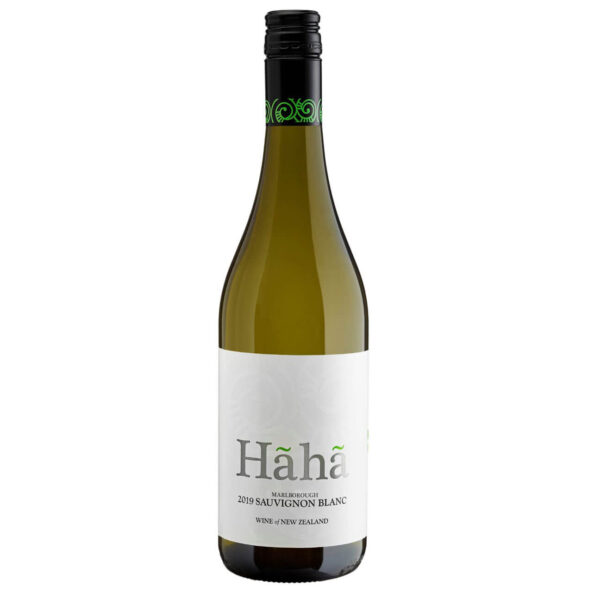
Haha Marlborough Sauvignon Blanc
Shipped by
Wines By Cellars
$18.83
/ bottle
$113.00 for a case of 6
 $264
off RRP
-55% Hot
$264
off RRP
-55% Hot
 $40.00
$18.00
/ bottle
$216.00 for a case of 12
$40.00
$18.00
/ bottle
$216.00 for a case of 12
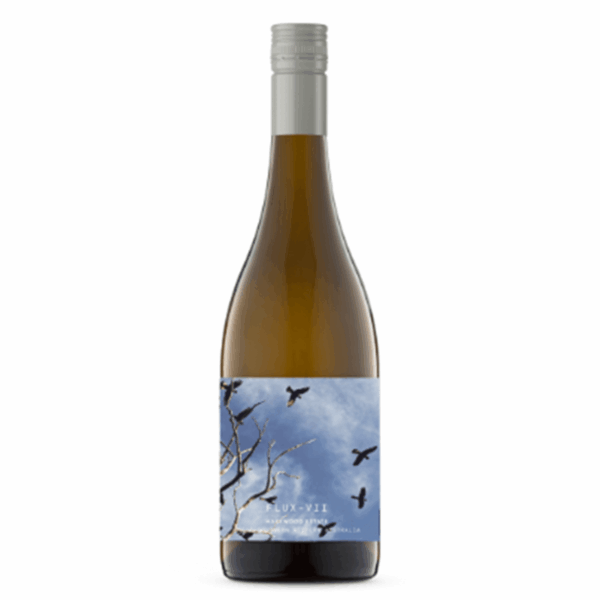
Harewood Estate Flux-VII White Blend
Shipped by
Wines By Cellars
$40.00
$18.00
/ bottle
$216.00 for a case of 12
 295 pts
 $41.58
/ bottle
$499.00 for a case of 12
$41.58
/ bottle
$499.00 for a case of 12
 $24.00
/ bottle
$288.00 for a case of 12
$24.00
/ bottle
$288.00 for a case of 12
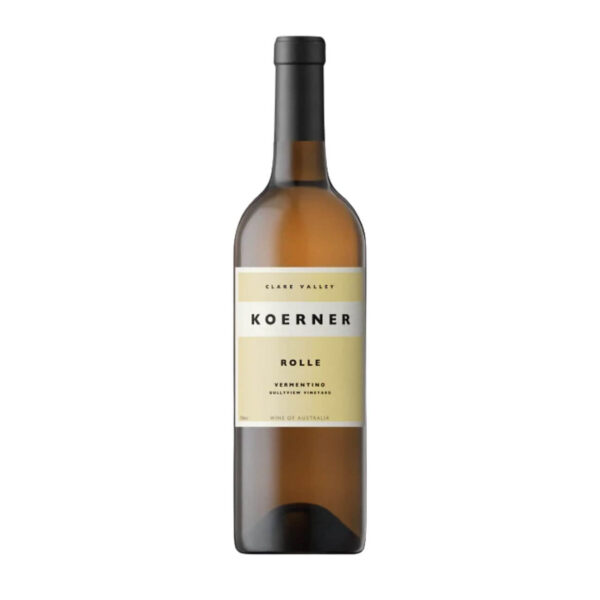
Dryridge Estate 'MILA' Vermentino
Shipped by
Dryridge Estate
$24.00
/ bottle
$288.00 for a case of 12

 $30.17
/ bottle
$181.00 for a case of 6
$30.17
/ bottle
$181.00 for a case of 6
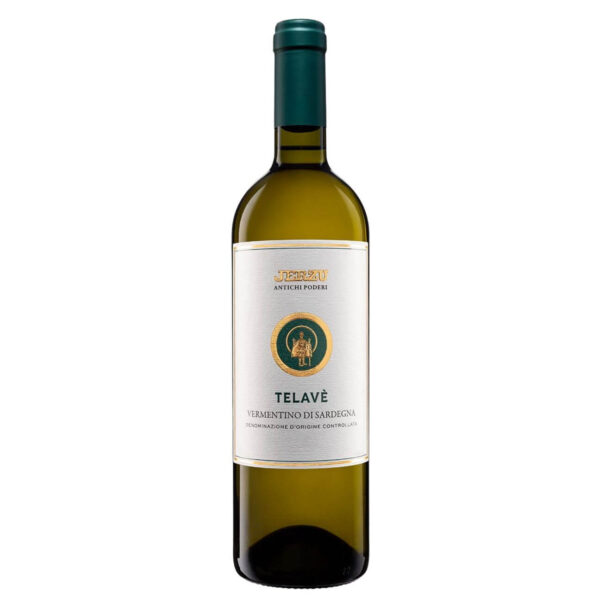
Jerzu Antichi Poderi Telavé Vermentino di Sardegna DOC
Shipped by
BWM
$30.17
/ bottle
$181.00 for a case of 6
 $34.00
/ bottle
$204.00 for a case of 6
$34.00
/ bottle
$204.00 for a case of 6
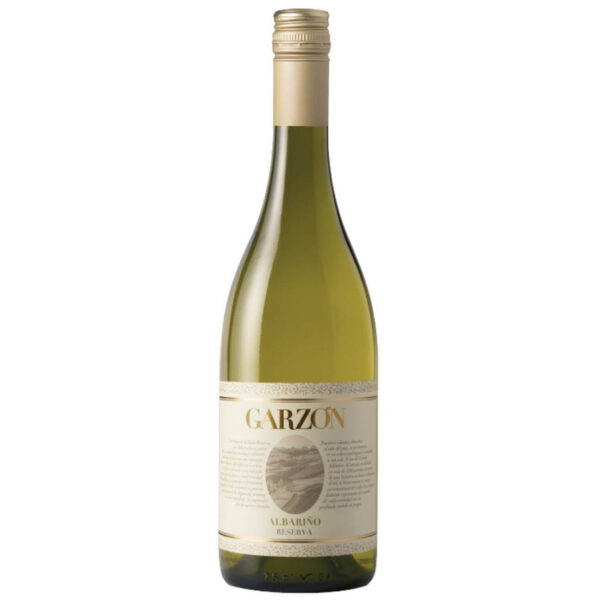
Bodega Garzon Albariño Reserva
Shipped by
Oatley Fine Wine Merchants
$34.00
/ bottle
$204.00 for a case of 6
 $34.50
/ bottle
$207.00 for a case of 6
$34.50
/ bottle
$207.00 for a case of 6
 $41.08
/ bottle
$493.00 for a case of 12
$41.08
/ bottle
$493.00 for a case of 12
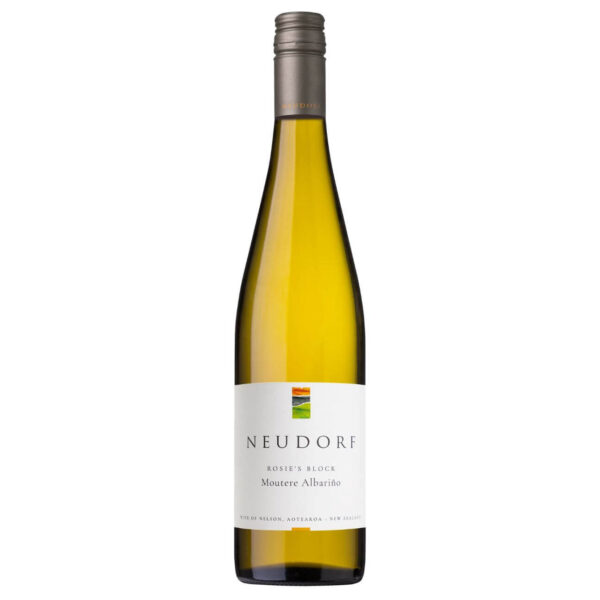
Neudorf Rosie's Block Moutere Albarino
Shipped by
Joval Wines
$41.08
/ bottle
$493.00 for a case of 12
 $65.00
/ bottle
$780.00 for a case of 12
$65.00
/ bottle
$780.00 for a case of 12
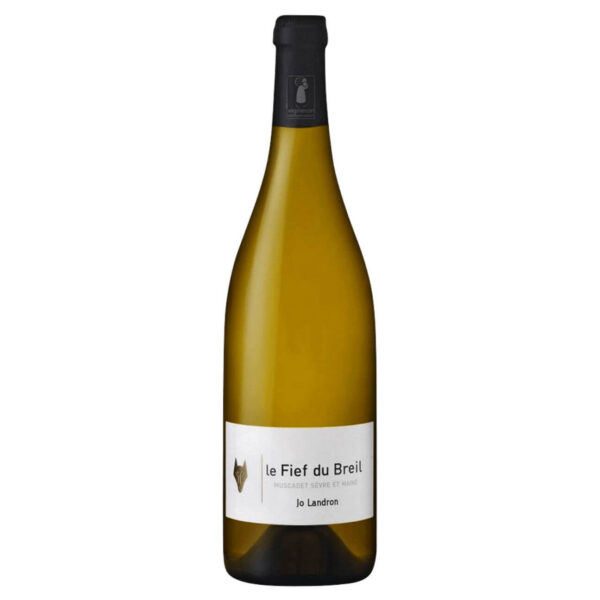
Jo Landron Muscadet Sèvre et Maine Le Fief du Breil
Shipped by
Fine Wine Cellars
$65.00
/ bottle
$780.00 for a case of 12
 $27.50
/ bottle
$330.00 for a case of 12
$27.50
/ bottle
$330.00 for a case of 12
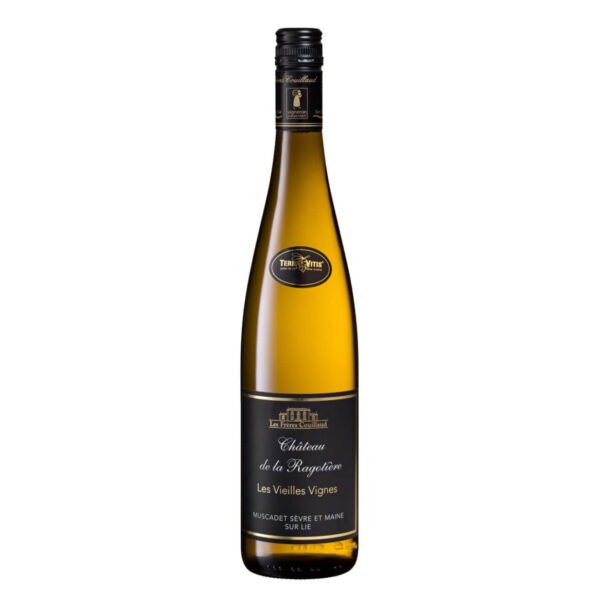
Château de la Ragotière Muscadet Sevre et Maine Sur Lie
Shipped by
Ergo Wines
$27.50
/ bottle
$330.00 for a case of 12
 $29.83
/ bottle
$179.00 for a case of 6
$29.83
/ bottle
$179.00 for a case of 6
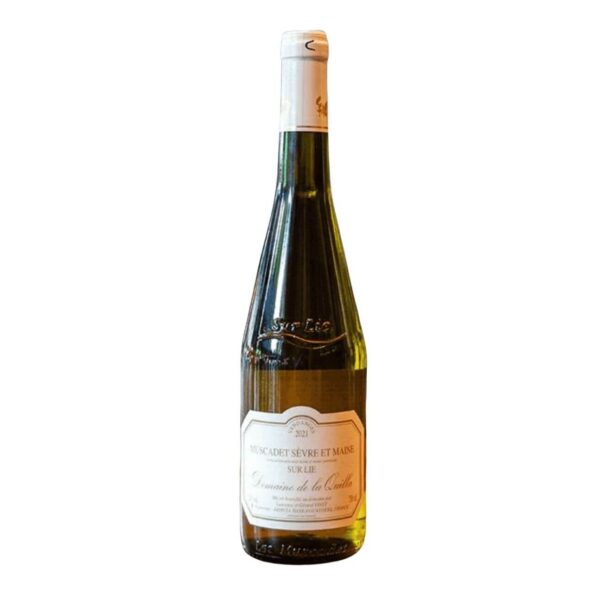
Domaine de la Quilla Muscadet Sèvre et Maine
Shipped by
Principal Wines
$29.83
/ bottle
$179.00 for a case of 6
 $31.25
/ bottle
$375.00 for a case of 12
$31.25
/ bottle
$375.00 for a case of 12
 $38.83
/ bottle
$233.00 for a case of 6
$38.83
/ bottle
$233.00 for a case of 6
 $31.25
/ bottle
$375.00 for a case of 12
$31.25
/ bottle
$375.00 for a case of 12
What to Eat and Drink in Portarlington Beyond the Tours
Pier St Cafe serves mussels in multiple preparations: chowder, Sri Lankan curry, Thai curry, with smoked bacon. The menu acknowledges that mussels function as versatile ingredient capable of carrying diverse flavour profiles whilst maintaining essential character. The Sri Lankan curry brings coconut milk richness, curry leaves, and chilli heat. The Thai curry emphasises lemongrass, galangal, and lime. Each preparation requires different wine consideration, though high-acid whites work across preparations by cutting through spice and richness.
Arlo Wine Bar makes pasta from scratch daily and offers scenic bay views alongside local wine selections. The combination of house-made pasta and local wine creates the kind of simple, ingredient-focused dining that defines modern Australian coastal cuisine. This isn’t elaborate fine dining. It’s quality ingredients treated respectfully, presented without fuss, allowing natural flavours to speak clearly.
The Portarlington Grand Hotel, established in 1888 and recently refurbished, offers heritage-inspired accommodation alongside restaurant, atrium, and beer garden dining. Mussels appear on the menu alongside pizza, parmigiana, pasta, steak, and burgers, creating approachable options for visitors seeking familiar formats rather than culinary adventure. The venue functions as anchor for the town’s hospitality infrastructure, providing accommodation that allows multi-day exploration rather than rushed day trips.
For wine specifically, Jack Rabbit offers tastings alongside their cafe and award-winning restaurant. Bellarine Estate combines wine with Texas BBQ in unexpected fusion that acknowledges the region’s diverse influences. Terindah Estate features a tram bar, creating quirky visual interest whilst serving quality wine. Scotchmans Hill’s placement in Halliday’s Top 100 signals serious winemaking ambition alongside tourist-friendly presentation.
The Broader Bellarine Experience: Beyond Mussels and Wine
Portarlington functions as entry point to broader Bellarine Peninsula exploration. The 17-kilometre coastal trail to St Leonard’s provides cycling and walking opportunities with bay views. The Portarlington Bayside Miniature Railway offers family-friendly coastal adventure through native parklands, with rides costing $4 per person, typically running Sundays and Wednesdays during school holidays. The Portarlington Golf Club accommodates those seeking active outdoor recreation.
The beaches themselves provide the simplest pleasure: relatively calm swimming waters, bay views extending to the You Yangs, open space for relaxation without demanding structured activity. This is coastal Victoria at its most accessible, lacking the drama of Great Ocean Road cliffsides but offering gentle beauty and practical amenity.
 Shiraz
 Cabernet Sauvignon
 Pinot Noir
 Grenache
 Merlot
 Red Wine Blends
 Chardonnay
 Riesling
 Pinot Gris
 Semillon
 Viognier
 Grenache Rosé
 Pinot Noir Rosé
 Shiraz Rosé
 Sangiovese Rosé
 Aglianico Rosé
 Clairette Rose
 Champagne
 Prosecco
 Sparkling Shiraz
 Blanc de Blanc
 Blanc de Noir
 Pet Nat
 Moscato
 Topaque
 Port
Port Sherry (dry & sweet)
 Muscat & Tokay
 Vermouth