 0473 644 098 · Mon–Fri 9am–5pm AESTHelp & FAQ


Forage and Feast Brings Central Victoria’s Food and Wine Scene Out of the Shadows

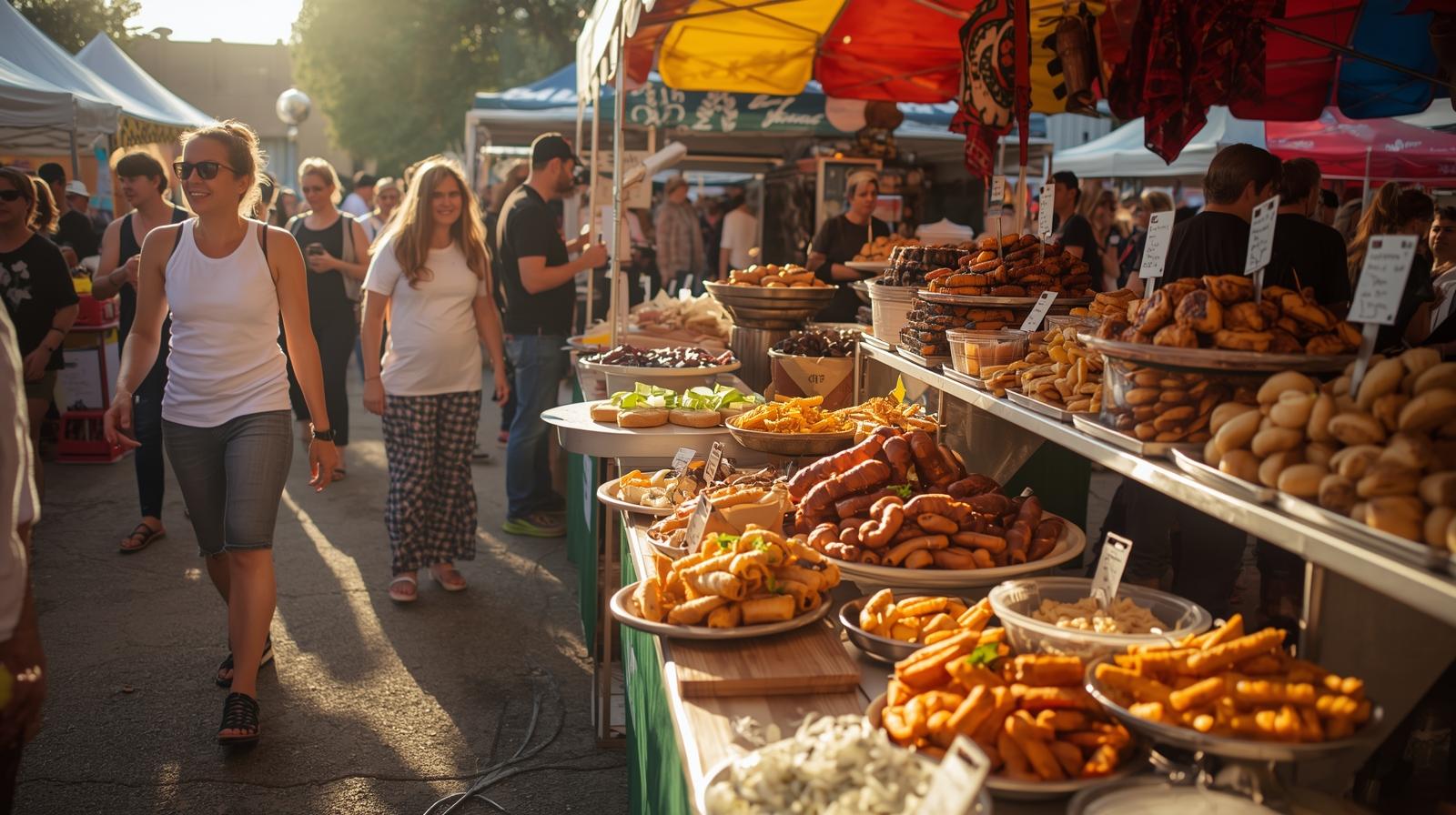
The Central Highlands region of Victoria rarely receives the attention lavished on Yarra Valley, Mornington Peninsula, or Margaret River. Yet this sprawling territory, encompassing Ballarat, the Grampians, Pyrenees, and Ararat, produces distinctive wines shaped by volcanic soils, high elevation, and dramatic diurnal temperature variation. More importantly, the region supports a network of growers, makers, and hospitality operators working quietly to build food and wine culture rooted in place rather than imported expectations.
Forage and Feast, running January 12 to February 15, 2026, represents the region’s annual attempt to showcase this work. The month-long festival connects visitors directly with producers through farm tours, winery tastings, degustation experiences, and paddock-to-plate dinners. This isn’t destination marketing disguised as food festival. This is genuine effort to demonstrate that Central Victoria’s food and wine culture deserves serious attention beyond regional boundaries.
Understanding the Land and the Wine That Grows There
The Central Highlands encompasses extraordinary geographical diversity. Ballarat sits at 435 meters elevation, making it one of Australia’s highest cities and establishing cool-climate credentials that rival Tasmania’s. The Grampians rise dramatically from surrounding plains, creating microclimates that allow everything from elegant Riesling to powerful Shiraz. The Pyrenees, despite its name referencing European mountains, produces wines of distinctly Australian character shaped by ancient Cambrian soils and continental climate extremes.
More than 800 wineries operate across Victoria, with the Central Highlands representing a substantial proportion of this total. Family-owned operations dominate, often spanning multiple generations. Black and Ginger Wines in Pomonal exemplifies this pattern: a small producer focusing on Italian varieties (Vermentino, Sangiovese, Nebbiolo) whilst maintaining commitment to place-based winemaking. These aren’t hobby wineries producing vanity projects. These are commercial operations navigating the genuine challenges of remote location, limited cellar door traffic, and competition from better-known regions.
The region’s viticultural history stretches back over 150 years. Grampians wineries have been producing award-winning cool-climate wines since the 1860s, with knowledge passed through generations resulting in wines ranging from uniquely Australian sparkling Shiraz to vibrant Riesling. Yet despite this history, the Central Highlands remains underappreciated beyond Victoria. Forage and Feast attempts to change that perception by creating concentrated period where visitors can experience the depth of what’s available.
What You’ll Actually Experience During the Month-Long Festival
Forage and Feast operates as curated program rather than single-location event. Participating venues across the Central Highlands host individual experiences, from casual weekend tastings to elaborate multi-course dinners requiring advance booking. This distributed model acknowledges the region’s geography whilst encouraging visitors to explore multiple locations rather than remaining concentrated in single town.
Black and Ginger Wines offers Antipasti & Vino d’Italia, running Fridays through Sundays at noon and 1pm throughout the festival period. The relaxed tasting experience features three Italian varietal wines (Vermentino, Sangiovese, Nebbiolo) paired with regional Italian antipasti. This represents smart programming: accessible format, moderate pricing, regular availability, and clear thematic focus. Visitors understand exactly what they’re booking, and the winery gains regular foot traffic throughout an entire month rather than single weekend rush.
Mount William Station, a working sheep and cattle property at the foot of the Grampians, provides altogether different experience. Their Taste & Stay package combines overnight accommodation in the beautifully restored 1920s Homestead with three-course communal dining featuring seasonal, locally sourced produce and farm ingredients. Guests receive 30 percent discount on standard room rates, welcome drinks, farmhouse breakfast, guided farm tour, and full access to swimming pool, sauna, tennis court, and walking trails. Bookings require seven days’ advance notice to allow kitchen preparation using fresh seasonal produce.
This pairing of casual tasting and immersive overnight experience reflects the festival’s deliberately broad appeal. Not every visitor wants elaborate multi-course dinners. Not every visitor seeks casual drop-in tastings. By accommodating both ends of the spectrum alongside everything in between, Forage and Feast creates entry points for different audiences.
The program extends beyond wine-focused events to include masterclasses, farm tours, cooking demonstrations, and curated degustation lunches and dinners. This breadth acknowledges that food and wine exist within broader culinary ecosystem rather than in isolation. Visitors interested primarily in produce, cheesemaking, or bread baking can engage with those elements whilst still discovering local wines as natural accompaniment.
Why Small Regional Producers Need Festivals Like This
Forage and Feast addresses specific challenge facing regional food and wine producers: how to build direct relationships with consumers when cellar door traffic remains sporadic outside peak tourist season. Most wineries can’t sustain full-time cellar door staff for occasional weekend visitors. Most growers can’t offer farm tours without advance arrangement. The festival concentrates demand into defined period, allowing producers to plan staffing, prepare experiences, and invest in presentation knowing visitor numbers will justify the effort.
Mayor Cr Bob Sanders of Ararat Rural City Council articulates the festival’s economic significance clearly. “Forage and Feast is a great chance to put our paddock-to-plate stories front and centre, and to remind people that some of the best food and wine experiences in the Central Highlands are right here at home. Events like these keep people here longer, fill our cafes, pubs, cellar doors and farm gates, and help local operators keep staff in work right through the summer.”
This observation reveals the festival’s genuine purpose. Tourism-focused events often prioritise external visitors whilst overlooking local engagement. Forage and Feast deliberately targets both audiences, encouraging residents to explore their own region’s offerings alongside attracting visitors from Melbourne and beyond. This dual focus creates sustainable model where producers build relationships with nearby customers who can return regularly rather than depending entirely on one-time tourist visits.
The “paddock-to-plate” framing deserves examination. This phrase appears frequently in Australian food marketing, sometimes deployed cynically to suggest provenance where none genuinely exists. In the Central Highlands context, the term functions more literally. Mount William Station serves lamb and beef from animals raised on the property. Black and Ginger Wines uses grapes from Grampians vineyards. The distances between production and consumption genuinely are short, the relationships between growers and makers genuinely direct. This isn’t manufactured narrative. It’s accurate description of how regional food systems actually function when scale remains manageable.
When Wine and Food Come From the Same Ground
The festival’s integration of wine throughout its programming reflects fundamental truth about food and wine pairing: wines developed in specific regions pair naturally with foods produced in those same regions. This isn’t mystical terroir romanticism. It’s practical observation about how flavors develop in response to shared environmental conditions.
Central Highlands wines display distinctive characteristics shaped by elevation, temperature extremes, and volcanic soils. The region’s Shiraz, produced across multiple sub-regions, shows elegant peppery character rather than the dense extracted fruit found in warmer climates. The Riesling develops vibrant acidity and mineral backbone from cool growing conditions. The Italian varieties (Sangiovese, Nebbiolo, Vermentino) planted by producers like Black and Ginger express themselves differently here than in their Italian origins, shaped by Australian sunshine moderated by elevation and maritime influence.
These wines pair effectively with regional produce because both developed under similar conditions. Lamb raised on Grampians pastures develops distinct flavor influenced by native grasses and herbs. Vegetables grown in volcanic soils carry mineral characteristics that echo those same soils’ influence on wine. Cheeses produced from local milk reflect what animals eat, which reflects what grows regionally.
This connection becomes tangible during events like Mount William Station’s communal dining, where three-course meals feature ingredients sourced from the property and surrounding region paired with local wines. The pairings work not because sommelier applied complex matching principles but because the wine and food emerged from compatible contexts. A cool-climate Shiraz from nearby vineyard naturally complements lamb from the property because both express place rather than attempting to mimic international styles.
How Central Victoria Fits Into Australia’s Broader Wine Landscape
Victoria produces extraordinary wine diversity across 21 distinct regions spanning 227,444 square kilometers. The state contains over 800 estates, almost 3,000 winegrowers, and Australia’s largest concentration of small, family-owned wineries. This scale creates both opportunity and challenge. Opportunity because the diversity means Victoria can produce virtually any wine style imaginable. Challenge because individual regions struggle to establish clear identity when competing with so many neighboring alternatives.
The Central Highlands’ advantage lies in its relatively underdeveloped tourism infrastructure compared to Yarra Valley or Mornington Peninsula. This sounds counterintuitive, but it creates experiences that feel genuine rather than polished for tourist consumption. Black and Ginger Wines operates from a shed. Mount William Station offers accommodation in working farm homestead. These aren’t purpose-built hospitality venues designed by architects specializing in wine tourism. They’re functional spaces adapted to receive visitors whilst maintaining primary agricultural purposes.
This authenticity appeals to visitors seeking alternatives to slick cellar door experiences found in more established regions. Forage and Feast capitalizes on this positioning, marketing the Central Highlands as place where food and wine remain connected to working landscape rather than existing primarily for tourist entertainment.
Victoria’s wine regions have increasingly emphasized sustainability and eco-friendly practices. Many Central Highlands producers have adopted these approaches not as marketing positioning but as practical necessity. Smaller operations can’t afford chemical-intensive viticulture. Family businesses think in generational timeframes rather than quarterly profits. The result is wine production that aligns with contemporary values whilst emerging from practical considerations rather than trend-following.
Can a Month-Long Festival Create Lasting Relationships
Forage and Feast creates concentrated period of activity and visitor engagement. The genuine test involves converting festival attendance into ongoing relationships extending beyond the five-week program. Visitors who attend Black and Ginger’s antipasti tastings or Mount William Station’s overnight experience need reasons to return outside festival context.
This challenge affects all regional food festivals. The event generates excitement, brings people to the region, creates revenue spike for participating businesses. Then it ends. Visitors return home. Cellar doors empty. The question becomes: did the festival create lasting connections or merely temporary activity.
The Central Highlands Growers & Producers Hub, the organization coordinating Forage and Feast, approaches this challenge through year-round programming and communication. The festival functions as annual highlight within broader efforts to maintain regional food and wine culture visibility. Social media, newsletters, and ongoing events at participating venues extend engagement beyond the festival itself.
For producers, the festival provides opportunity to capture customer information, build mailing lists, and establish direct relationships enabling future communication. A visitor who discovers Black and Ginger Wines during Forage and Feast might join their wine club, receiving regular shipments. A guest who stays at Mount William Station might book return visit for special occasion. These ongoing relationships matter more than single festival transaction.
What Sets This Festival Apart From Others Across Australia
Regional food festivals exist throughout Australia. What distinguishes Forage and Feast from similar events elsewhere involves its explicit focus on connecting visitors with actual producers rather than creating consumer marketplace. The festival isn’t primarily about selling product during the event, though sales certainly occur. It’s about facilitating direct relationships between people who make things and people who consume them.
This distinction matters. A festival structured around market stalls and vendor booths creates transactional environment where visitors sample products and make purchases. The relationship ends when the transaction completes. Forage and Feast’s emphasis on farm tours, winery experiences, and hosted dinners creates opportunities for conversation, storytelling, and relationship-building that transcend simple commerce.
The month-long duration reinforces this approach. A weekend festival generates intensity but prevents depth. Visitors rush through experiences, trying to see everything in limited time. A month-long program allows unhurried engagement, repeat visits to favorite venues, and genuine exploration rather than frantic sampling.
The Central Highlands’ geographic spread, which could be seen as weakness, becomes strength within this model. Visitors must plan deliberate journeys to reach individual venues rather than encountering everything concentrated in single location. This enforced intentionality means people attend experiences they genuinely want rather than whatever happens to be convenient. The resulting audience tends toward higher engagement and genuine interest rather than casual browsing.
Forage and Feast represents regional food and wine culture operating at manageable scale, maintaining connection to place, and inviting visitors into genuine relationships with producers rather than merely consuming their products. For the Central Highlands, still building reputation beyond regional boundaries, the festival provides annual opportunity to demonstrate that excellent wine and food exist throughout Victoria, not merely in established tourism hubs. Whether that message translates into sustained growth remains uncertain. But the attempt deserves attention, and the wine deserves drinking.
 Shiraz
 Cabernet Sauvignon
 Pinot Noir
 Grenache
 Merlot
 Red Wine Blends
 Chardonnay
 Riesling
 Pinot Gris
 Semillon
 Viognier
 Grenache Rosé
 Pinot Noir Rosé
 Shiraz Rosé
 Sangiovese Rosé
 Aglianico Rosé
 Clairette Rose
 Champagne
 Prosecco
 Sparkling Shiraz
 Blanc de Blanc
 Blanc de Noir
 Pet Nat
 Moscato
 Topaque
 Port
Port Sherry (dry & sweet)
 Muscat & Tokay
 Vermouth