 0473 644 098 · Mon–Fri 9am–5pm AESTHelp & FAQ


Riesling – Why One Of Australia’s Best White Wines Keeps Getting Ignored


Riesling bottles gather dust on wine shop shelves whilst Sauvignon Blanc and Chardonnay fly off at double the speed. Not because Riesling tastes worse. Not because quality suffers. Because somewhere along the way Australian drinkers decided Riesling meant cheap sweet wine from the 1970s that grandparents served at Christmas.
This reputation bears zero resemblance to what serious Australian Riesling actually delivers. The wines prove bone-dry, mineral-driven and remarkably complex. They age beautifully over decades. They pair with more food than virtually any white wine category. They cost less than equivalent quality alternatives. Yet bottles sit ignored because perception hasn’t caught up with reality.
Walk into quality restaurants and check wine lists. Riesling appears yet barely sells. Ask sommeliers what frustrates them most. They’ll mention customers dismissing Riesling without tasting based purely on outdated assumptions. This creates bizarre situation where genuinely excellent wine remains marginalized despite deserving serious attention.
The tragedy? Australian producers create world-class Riesling that international critics celebrate whilst domestic market largely ignores. We export some of our finest Riesling overseas where drinkers appreciate quality. Meanwhile Australians stuck drinking inferior alternatives costing more whilst delivering less.
What Makes Riesling Different From Other Whites
Riesling comes from grape variety producing naturally high acidity and pronounced mineral character. These fundamental qualities create wines that taste completely different from buttery Chardonnay or grassy Sauvignon Blanc. You’re experiencing wine focused on precision and elegance rather than power or obvious fruit.
The best Australian Riesling displays citrus notes including lime, lemon and grapefruit alongside stone fruit hints. Mineral character emerges strongly suggesting wet stones or slate. Floral aromatics appear subtly. The wines taste crisp and refreshing without harshness. Alcohol remains moderate enabling extended drinking without heaviness.
This profile suits contemporary drinking preferences perfectly. Light, refreshing, food-friendly, lower alcohol. Yet Riesling struggles gaining traction whilst heavier wines dominate. The disconnect proves genuinely puzzling given what consumers claim they want versus what they actually purchase.
Australian wine expert and critic Mike Bennie observes: “Australian Riesling represents one of our genuine strengths as wine-producing nation. We make world-class Riesling that stands alongside Germany and Alsace. Yet domestic recognition remains minimal. It’s genuinely frustrating watching overseas markets appreciate our Riesling whilst Australians ignore it.”
Where Australian Riesling Actually Shines
Eden Valley sits northeast of Adelaide producing Riesling of remarkable elegance. The region’s elevation creates cool conditions perfect for the variety. The wines display pronounced mineral character with citrus and floral notes. They age beautifully developing complexity over 10-20 years that completely transforms character.
Yalumba’s Eden Valley Riesling sets benchmarks others chase. Their Museum Release program demonstrates what happens when quality Riesling gets proper aging. These wines taste nothing like young versions revealing honey, toast and developed citrus that younger expressions only hint at.
Clare Valley brings slightly more immediate fruit whilst maintaining crisp acidity. The region produces Riesling with lime and lemon dominating alongside subtle stone fruit. The wines prove remarkably food-friendly working across varied cuisines without requiring specific pairings.
Grosset Polish Hill and Watervale represent Clare Valley pinnacle. Stephen Grosset pioneered serious Australian Riesling demonstrating what the variety achieves under proper stewardship. These wines taste genuinely world-class competing successfully against finest German and Alsatian expressions.
Tasmania produces limited quantities yet remarkable quality. The cool maritime climate creates delicate floral wines with precise mineral character. These Rieslings suit those seeking refinement and subtlety over power and obvious fruit.
Macedon Ranges demonstrates Victoria’s cool-climate potential. The wines display pale color, delicate aromatics and crisp acidity. Production remains relatively small yet quality proves consistently high rewarding exploration.
Understanding Dry Versus Sweet Riesling
Most Australian Riesling arrives bone-dry containing minimal residual sugar. These wines function as serious food wines working beautifully across entertaining. The dryness proves comparable to Sauvignon Blanc yet maintains greater complexity and aging potential.
Dry Australian Riesling typically contains less than 4 grams residual sugar per liter. You’re tasting acidity, mineral character and fruit expression without sweetness distraction. These wines work beautifully as aperitif, with meals, or standalone contemplative drinking.
Off-dry Riesling contains slight residual sugar (4-12 grams per liter) creating wines balancing dryness with subtle sweetness. These expressions work beautifully with spiced dishes balancing heat through gentle sweetness. The slight sugar prevents harshness whilst maintaining refreshment.
Late harvest Riesling uses grapes harvested at extended ripeness creating genuinely sweet wines. These deserve dessert wine treatment working beautifully after meals or alongside fruit-based desserts. Production remains relatively limited yet quality proves exceptional when producers commit to the style.
The key distinction: assume Australian Riesling arrives dry unless specifically labelled otherwise. This assumption prevents confusion and aligns with contemporary production reality.
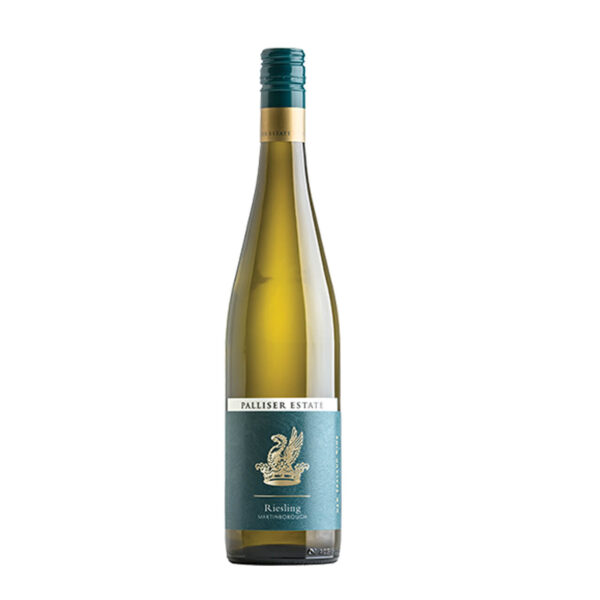 $31.25
/ bottle
$375.00 for a case of 12
$31.25
/ bottle
$375.00 for a case of 12
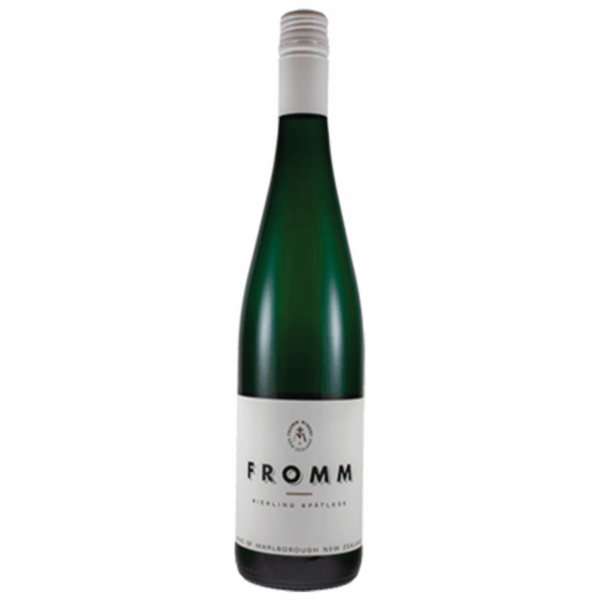 $38.83
/ bottle
$233.00 for a case of 6
$38.83
/ bottle
$233.00 for a case of 6
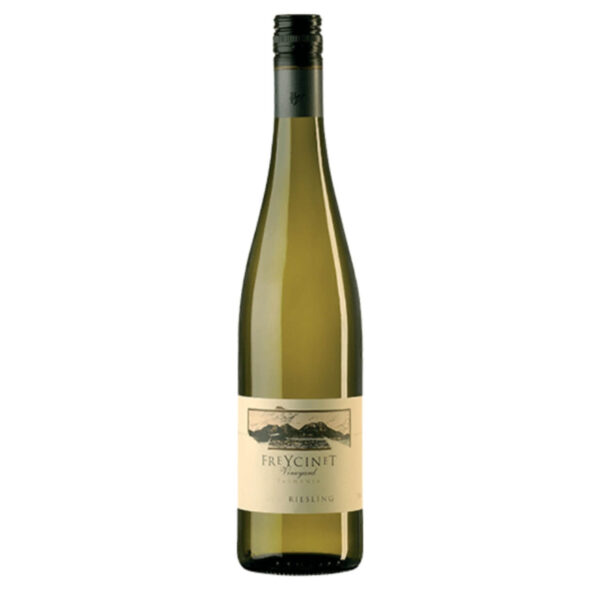 $31.25
/ bottle
$375.00 for a case of 12
$31.25
/ bottle
$375.00 for a case of 12
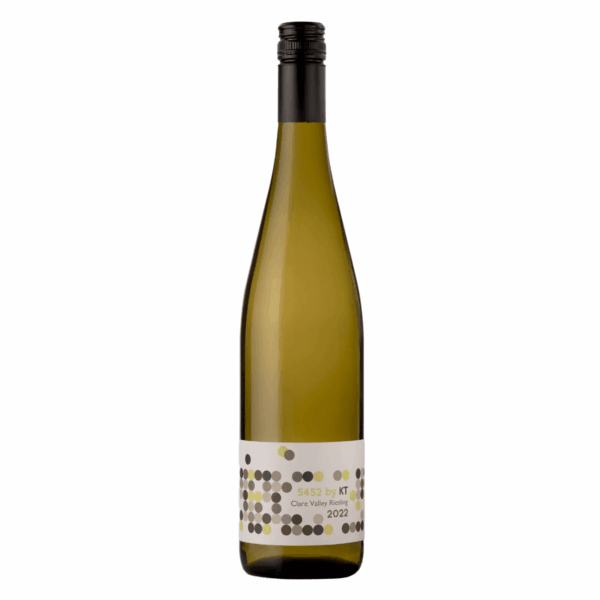 $28.67
/ bottle
$172.00 for a case of 6
$28.67
/ bottle
$172.00 for a case of 6
 $26.83
/ bottle
$322.00 for a case of 12
$26.83
/ bottle
$322.00 for a case of 12
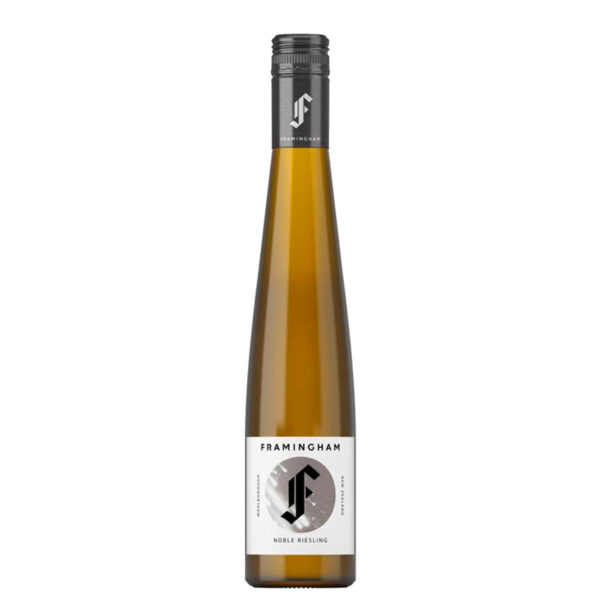 $40.50
/ bottle
$243.00 for a case of 6
$40.50
/ bottle
$243.00 for a case of 6
Framingham Noble Riesling 375ml
Shipped by
Oatley Fine Wine Merchants
$40.50
/ bottle
$243.00 for a case of 6
 $28.10
/ bottle
$281.00 for a case of 10
$28.10
/ bottle
$281.00 for a case of 10
 $35.33
/ bottle
$212.00 for a case of 6
$264
off RRP
-55% Hot
$35.33
/ bottle
$212.00 for a case of 6
$264
off RRP
-55% Hot
 $40.00
$18.00
/ bottle
$216.00 for a case of 12
$40.00
$18.00
/ bottle
$216.00 for a case of 12
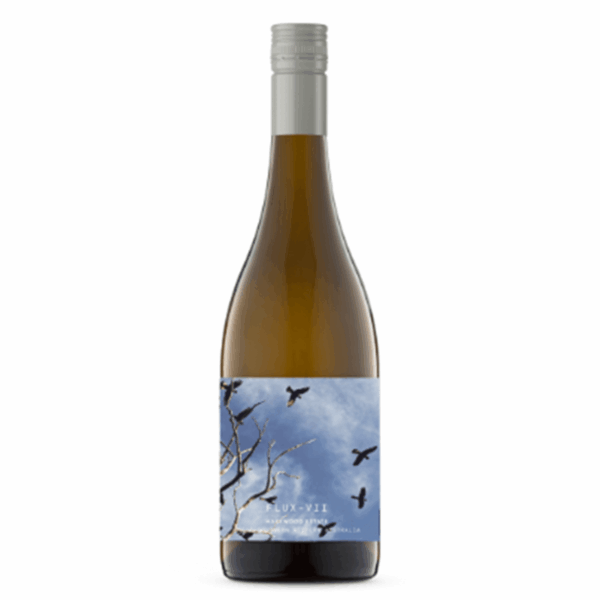
Harewood Estate Flux-VII White Blend
Shipped by
Wines By Cellars
$40.00
$18.00
/ bottle
$216.00 for a case of 12
 375 pts
 Why Riesling Works With Food Better Than People Realize
Asian cuisine represents Riesling’s greatest strength. The acidity, mineral character and subtle aromatics complement Thai, Vietnamese, Chinese, Korean and Indian food beautifully. The wines balance spice, cut richness, and refresh between bites. Try Riesling with pad thai, Vietnamese spring rolls, Korean bibimbap or Indian curry. The pairing success proves immediately obvious.
Sommelier specializing in Asian cuisine Karen Page notes: “When customers ask what wine pairs with Asian food, my answer starts with Riesling. Nothing else handles the complexity of Asian flavor profiles with same versatility and success. It’s genuinely the category’s greatest asset.”
Seafood and shellfish work magnificently with dry Riesling. The mineral character complements ocean flavors whilst acidity cuts richness. Oysters and Riesling create genuinely elegant pairing. Fresh fish preparations benefit from wine’s refreshing character. Even richer seafood like salmon handles Riesling successfully.
Pork dishes including roast pork, pork chops and braised preparations pair beautifully. The wine’s acidity complements pork’s richness whilst fruit character matches meat’s subtle sweetness. This pairing proves surprisingly successful yet remains underutilized.
Cheese including soft-ripened and aged expressions work wonderfully depending on Riesling style. Dry expressions complement Brie and Camembert beautifully. Off-dry and sweet Riesling balance blue cheese salt creating classic pairing. Hard aged cheeses benefit from Riesling’s acidity and mineral character.
Vegetable-focused meals prove remarkably successful with Riesling. The wine’s brightness complements vegetables without competing. Risotto, pasta primavera, roasted vegetables and similar preparations work beautifully. This versatility makes Riesling genuinely useful for contemporary dining patterns emphasizing vegetables over heavy meat.
Riesling’s Remarkable Aging Potential
Quality dry Riesling ages beautifully developing complexity impossible in young versions. The wines transform over 10-20 years revealing honey, toast, petrol notes and developed citrus. Young Riesling tastes bright and fresh. Aged Riesling develops genuine sophistication and complexity.
This aging potential remains largely unknown amongst Australian consumers. Most drink Riesling young missing entirely what happens over time. The wines deserve cellar attention alongside serious red wines yet rarely receive equivalent respect or consideration.
Purchase young vintages. Store bottles properly. Taste periodically watching evolution. Experience what Riesling becomes over decades rather than assuming white wine must be consumed immediately. This approach reveals why international collectors take Australian Riesling seriously whilst domestic market largely ignores aging potential.
Wine critic and aging specialist Campbell Mattinson argues: “Australian Riesling’s aging potential equals or exceeds most white wine categories globally. Yet almost nobody ages it domestically. We’re missing extraordinary evolution happening in bottle because cultural assumption says drink white wine young. It’s genuinely tragic watching this potential go unrealized.”
The Price Advantage Nobody Mentions
Excellent dry Riesling costs $15-30 delivering genuine quality and complexity. Equivalent quality Chardonnay typically costs $25-45. Comparable Sauvignon Blanc rarely exists below $20-35. This pricing disparity creates remarkable value opportunity for informed consumers.
Premium Riesling at $30-50 demonstrates serious complexity and aging potential competing successfully with wines costing substantially more. The pricing reflects market reality rather than quality positioning. Riesling simply costs less than alternatives despite delivering equal or superior drinking experience.
This value proposition should drive Riesling consumption dramatically higher. Instead bottles sit whilst consumers overpay for trendy alternatives delivering less satisfaction per dollar spent. Understanding this economic reality transforms Riesling from ignored category into genuinely smart purchasing decision.
What Keeps Riesling Marginalized
Sweet German Riesling from 1970s-80s created lasting negative impression. Those wines dominated supermarket shelves creating perception that Riesling equals cheap sweet wine. Modern production bears zero resemblance yet perception persists decades later.
The variety’s name proves unpronounceable for many. “Riesling” doesn’t roll off tongue naturally for English speakers. This linguistic barrier creates subtle resistance versus easily-pronounced alternatives. Seems trivial yet impacts purchasing decisions subconsciously.
Marketing emphasis historically focused on German heritage and tradition. This positioning appeals to older demographics whilst alienating younger consumers seeking contemporary expressions. Australian producers struggle repositioning category toward modern drinking patterns.
Limited restaurant presence reduces exposure. When restaurants stock Riesling, bottles rarely sell creating self-fulfilling prophecy. Sommeliers stock what sells creating cycle preventing Riesling gaining visibility necessary for category growth.
Getting Started With Australian Riesling
Purchase entry-level dry Riesling from Eden Valley or Clare Valley. Expect to spend $18-25 for genuine quality introduction. Taste the wine alongside Asian food or seafood experiencing pairing versatility firsthand.
If you enjoy entry-level expressions, explore mid-range offerings at $25-35. These bottles demonstrate what serious Australian Riesling delivers showing genuine complexity and character development.
Seek aged examples if available. Taste 5-10 year old Riesling experiencing evolution and complexity young versions only suggest. This single experience often converts skeptics understanding what aging accomplishes.
Visit Riesling-focused wineries if traveling through Eden Valley or Clare Valley. Taste across multiple vintages and styles developing appreciation for variety’s diversity and potential. Direct producer experience often succeeds where retail shopping fails.
Join wine clubs emphasizing Riesling. Many specialist importers and retailers offer Riesling-focused selections introducing varied expressions and styles. This structured exploration develops knowledge and appreciation systematically.
Championing Riesling Locally
Request Riesling by-the-glass at restaurants. Vocal customer demand influences wine list decisions. Sommeliers stock what customers request creating positive feedback loop.
Gift quality Riesling to wine-drinking friends. Introduction through gifting removes purchasing risk whilst creating exposure. Many Riesling converts started through unexpected gifts rather than deliberate exploration.
Serve Riesling at home entertaining. Cook Asian food or seafood showcasing pairing success. Let guests experiencing successful pairing rather than explaining why Riesling deserves consideration.
Support producers maintaining quality commitment. Purchase directly from wineries when possible. Demonstrate through purchasing behavior that serious Riesling production deserves market success and consumer appreciation.
Share positive experiences through social media and wine communities. Counter negative stereotypes through authentic enthusiasm and genuine recommendation. Cultural change happens gradually through individual advocacy and authentic sharing.
Australian Riesling deserves recognition as genuine strength within our wine portfolio. The wines compete internationally at highest levels. They offer remarkable value. They demonstrate genuine versatility and food-friendliness. They age beautifully revealing complexity over decades. Yet domestic appreciation remains minimal creating genuine disconnect between quality reality and market perception.
Stop avoiding Riesling based on outdated assumptions. Start exploring what Australian producers actually create when focusing seriously on the variety. Experience why international markets celebrate our Riesling whilst we largely ignore one of our finest white wine achievements. The bottles sit waiting. The quality proves genuine. The value remains extraordinary. Time reconsidering Riesling seriously rather than perpetuating stereotypes preventing deserved appreciation.
 Shiraz
 Cabernet Sauvignon
 Pinot Noir
 Grenache
 Merlot
 Red Wine Blends
 Chardonnay
 Riesling
 Pinot Gris
 Semillon
 Viognier
 Grenache Rosé
 Pinot Noir Rosé
 Shiraz Rosé
 Sangiovese Rosé
 Aglianico Rosé
 Clairette Rose
 Champagne
 Prosecco
 Sparkling Shiraz
 Blanc de Blanc
 Blanc de Noir
 Pet Nat
 Moscato
 Topaque
 Port
Port Sherry (dry & sweet)
 Muscat & Tokay
 Vermouth