 0473 644 098 · Mon–Fri 9am–5pm AESTHelp & FAQ


Rutherglen Topaque – Australia’s Best-Kept Fortified Wine Secret That Nobody’s Talking About

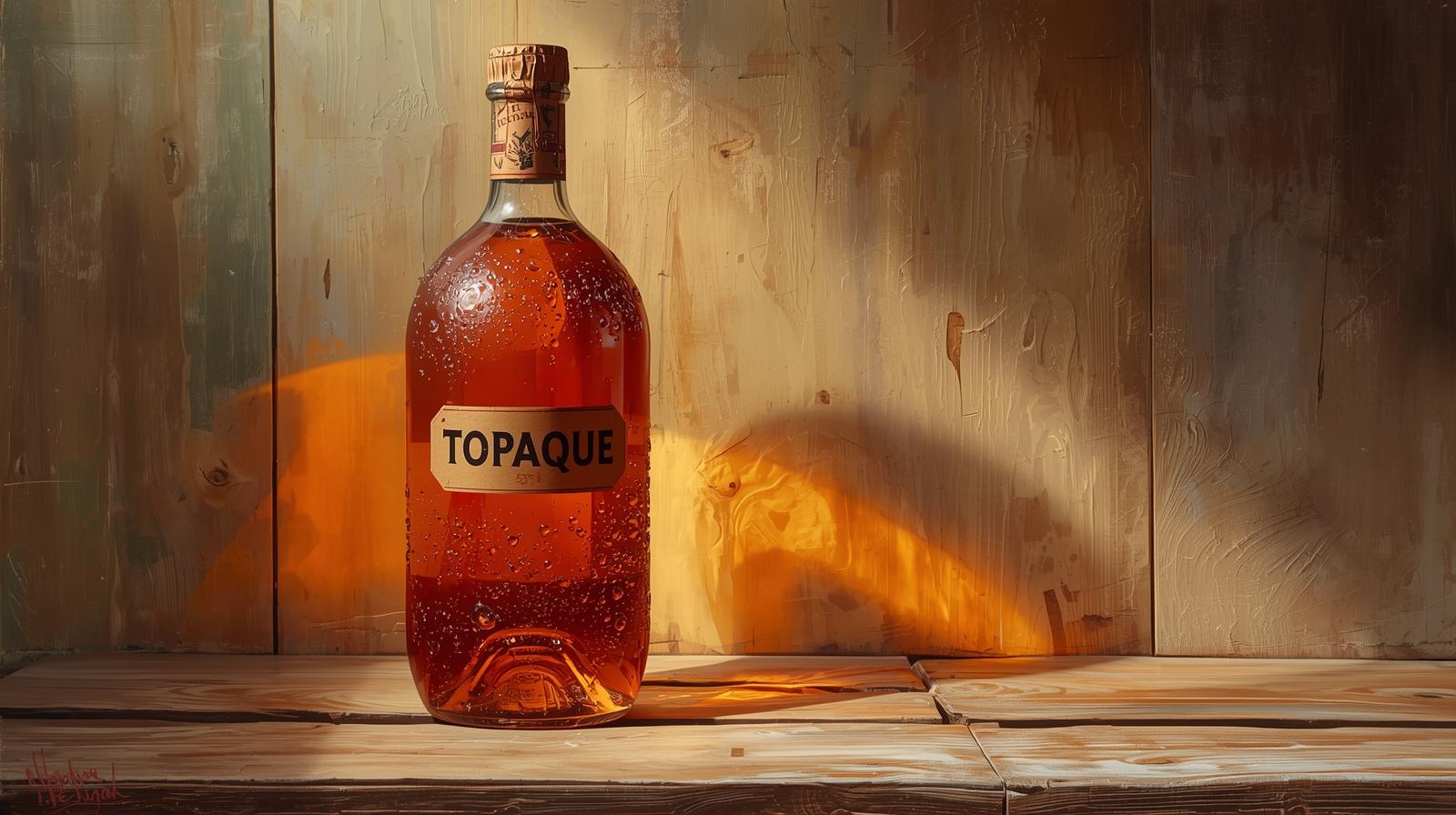
Topaque occupies weird space in Australian wine culture. Most Australians know it exists. They’ve probably seen bottles at wine shops. Maybe they’ve heard relatives mention it or spotted it on restaurant dessert wine lists. Yet hardly anyone actually drinks it regularly or understands what makes good topaque different from average expressions.
The name change didn’t help. Everyone knew Tokay even if they didn’t drink it. Then suddenly in 2010 European Union trade agreements forced the switch to “topaque” and the whole category seemed to disappear from conversation. Fifteen years later the wines still sit on shelves largely ignored despite representing some of Australia’s finest fortified wine achievements.
Here’s what most people miss: Topaque represents genuinely world-class wine. Concentrated, complex, unctuous fortified wine made from Muscadelle grape in Rutherglen, Victoria. The best examples age for decades developing extraordinary complexity. They pair beautifully with desserts, cheese, or standalone contemplative drinking. They cost fraction of equivalent European fortified wines whilst delivering equal or superior quality.
Yet despite this familiarity, actual consumption proves minimal. Topaque exists in that strange category of wines everyone’s heard about but nobody actually buys. This represents genuine shame because topaque delivers experiences unavailable elsewhere in Australian wine whilst remaining genuinely affordable and accessible.
What Actually Is Topaque
Topaque starts with Muscadelle grapes grown primarily around Rutherglen in northeast Victoria. The region’s hot continental climate creates ideal ripening conditions. Producers harvest grapes at high ripeness, ferment partially, then fortify with grape spirit stopping fermentation whilst residual sugar remains. This creates sweet fortified wine around 17-18% alcohol.
The magic happens during aging. Topaque ages in old oak barrels under hot tin roofs in Rutherglen’s extreme climate. Summer temperatures regularly exceed 40°C. Winter drops near freezing. This temperature variation drives oxidative aging creating remarkable complexity impossible through simple barrel time alone.
Australian fortified wine expert and critic Max Allen describes the aging process vividly: “Topaque barrels in Rutherglen essentially cook under those tin roofs every summer then rest through winter. This accelerated oxidation creates complexity in decades that European fortified wines take centuries achieving.”
The aged topaque develops extraordinary character. Butterscotch, toffee, tea, marmalade, dried fruits, nuts, spice. The wines become intensely concentrated yet maintain balance through natural acidity. The best examples taste simultaneously rich and refreshing, sweet yet never cloying, complex without becoming confusing.
This aging process creates something genuinely unique to Rutherglen. You cannot replicate this anywhere else. The specific climate conditions, the old barrels, the traditional techniques passed down through generations all combine creating wines of genuine distinctiveness. That’s what makes topaque genuinely special rather than simply another fortified wine competing with Port or Sherry.
Understanding Topaque Classifications
Rutherglen producers developed classification system helping consumers understand what they’re buying. Four quality tiers exist based primarily on aging and complexity. Understanding these classifications transforms topaque shopping from confusing guessing game into informed decision.
Topaque represents entry level. Minimum two years aging. Displays fresh Muscadelle character with developing complexity. Bright topaz color. Approachable sweetness. Works beautifully as introduction to category. Usually costs twenty to thirty-five dollars making exploration financially accessible.
Entry-level topaque introduces you to fundamental character without requiring significant investment. You’re tasting what Muscadelle and fortification create before extended aging transforms everything. This tier works perfectly for casual entertaining or mixing into cocktails where complexity would prove wasted anyway.
Classic Topaque requires minimum five years aging. Shows developing oxidative character alongside fruit. Deeper amber color. More complex flavor profile. Butterscotch and tea notes emerging. Costs thirty to fifty dollars. Represents sweet spot for regular drinking and entertaining.
Classic sits where most serious topaque consumption happens. You’re getting genuine complexity and aging without requiring luxury investment. The wines demonstrate what makes topaque special whilst remaining financially sensible for regular consumption. This tier appeals to those taking topaque seriously without requiring collector budgets.
Grand Topaque demands minimum ten years aging. Rich, concentrated, genuinely complex. Deep amber approaching brown. Layers of flavor revealing themselves gradually. Butterscotch, toffee, fruitcake, nuts, spice. Costs fifty to one hundred dollars. Special occasion territory worth every dollar.
Grand topaque delivers serious complexity rivaling premium fortified wines globally. You’re purchasing decades of aging and genuine craftsmanship. These wines demand contemplative drinking rather than casual consumption. They reward patience and attention revealing new dimensions with extended engagement.
Rare Topaque requires minimum twenty years average age. Often contains components aged fifty-plus years through solera-style blending. Extraordinary complexity. Deep mahogany color. Flavors defying simple description. Costs one hundred fifty to three hundred dollars. Genuine luxury experience rivaling world’s finest fortified wines.
Wine critic Huon Hooke states plainly: “Rare Rutherglen topaque represents one of world’s great fortified wine bargains. Equivalent complexity and aging from Port or Sherry would cost triple whilst delivering no additional pleasure.”
Rare topaque represents Australian wine achievement at highest level. These wines contain components potentially older than most drinkers. They demonstrate what patient aging and traditional techniques create when producers refuse shortcuts or compromise. Purchasing Rare topaque means experiencing something genuinely exceptional.
Why Topaque Struggles Despite Quality
The name change created lingering confusion. Tokay had limited awareness but at least recognition existed. Topaque sounds invented because it literally was invented specifically to replace Tokay. Even fifteen years later many Australians still call it Tokay creating disconnect between marketing and consumer language.
Geographic concentration compounds awareness challenges. Rutherglen produces virtually all Australian topaque. The region remains relatively remote compared to Barossa, McLaren Vale, Margaret River. Most Australian wine tourism bypasses Rutherglen entirely despite producing some of nation’s finest wines. Limited visibility means limited awareness means limited consumption.
Fortified wine category suffers generational decline globally. Younger drinkers gravitate toward lighter wines, craft beer, cocktails. Fortified wine feels old-fashioned despite genuine quality. Port consumption declines annually. Sherry struggles despite quality renaissance. Topaque faces these category headwinds whilst simultaneously dealing with name recognition challenges.
Production volumes remain relatively small compared to mainstream categories. Major producers including Chambers Rosewood, All Saints Estate, Campbells, and Stanton & Killeen produce excellent topaque yet total combined production proves tiny. Limited volume prevents mass-market distribution creating availability challenges beyond specialist retailers.
Cultural drinking patterns matter significantly. Australians rarely drink dessert wine compared to Europeans. Meals end without sweet wine. Entertaining rarely includes fortified selections. This cultural reality means topaque competes for space in drinking occasions that barely exist in contemporary Australian wine culture.
A Selection Of The Best Topaque
 $33.33
/ bottle
$200.00 for a case of 6
$33.33
/ bottle
$200.00 for a case of 6
Sevenhill 'First Planting' Classic Topaque
Shipped by
Sevenhill Cellars
$33.33
/ bottle
$200.00 for a case of 6
 $28.50
/ bottle
$342.00 for a case of 12
$28.50
/ bottle
$342.00 for a case of 12
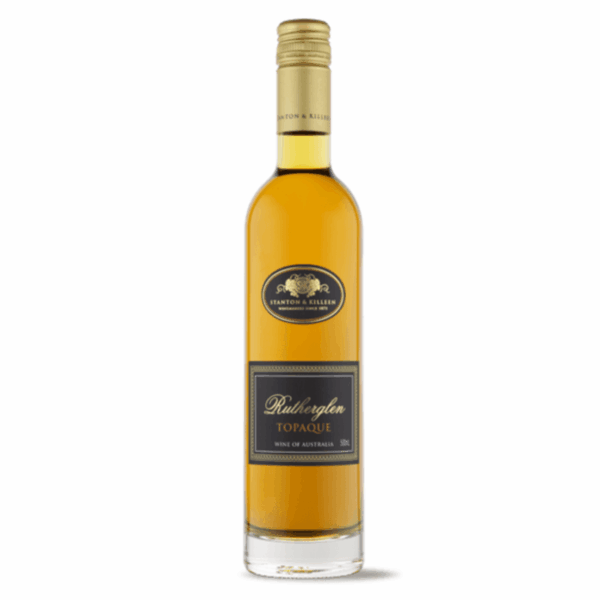
Stanton & Killeen Rutherglen Topaque NV 500ml
Shipped by
World Wine Estates
$28.50
/ bottle
$342.00 for a case of 12
 $45.83
/ bottle
$550.00 for a case of 12
$45.83
/ bottle
$550.00 for a case of 12
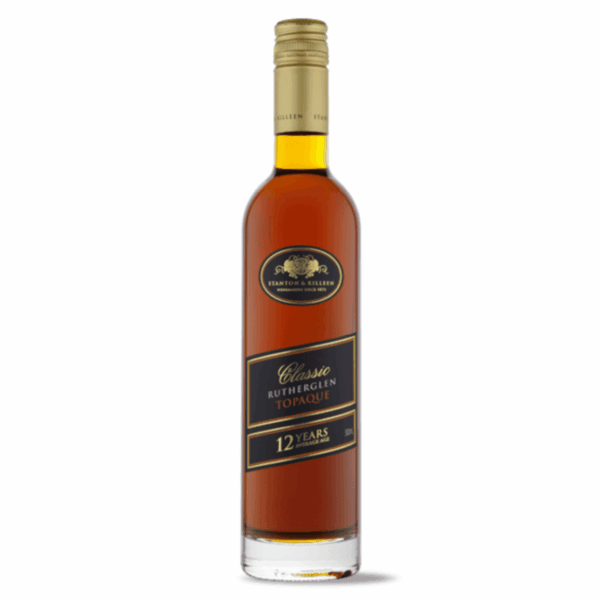
Stanton & Killeen Classic Topaque NV 500ml
Shipped by
World Wine Estates
$45.83
/ bottle
$550.00 for a case of 12
 200 pts
 How To Actually Drink Topaque
Dessert pairing represents obvious application yet requires understanding which desserts actually work. Topaque pairs beautifully with caramel-based desserts, nut tarts, dried fruit cakes, crème brûlée. The wine’s sweetness matches dessert intensity whilst complexity prevents simple sugar-on-sugar redundancy. Chocolate desserts benefit from topaque’s butterscotch and toffee notes creating genuine harmony.
Avoid pairing topaque with excessively sweet desserts. The combined sweetness becomes overwhelming creating cloying experience. Match intensity levels rather than maximizing sweetness. Topaque works best when dessert provides textural contrast and complementary flavors rather than competing sweetness.
Cheese pairing proves equally successful and often more interesting. Blue cheeses work magnificently with topaque’s sweetness balancing salt and intensity. Aged cheddars develop interesting interplay with wine’s nutty oxidative character. Hard cheeses generally pair better than soft though experimentation reveals unexpected successful combinations.
Try topaque with Stilton, aged Gouda, Parmigiano-Reggiano, or strong cheddars. The contrast between cheese savory intensity and wine’s sweetness creates genuine excitement impossible through simple sweet-with-sweet pairing. This represents topaque at its most versatile and compelling.
Standalone contemplative drinking suits topaque perfectly and perhaps represents its highest expression. Pour small serves into appropriate glassware. Sip slowly. Allow the wine revealing complexity gradually. Master of Wine and fortified wine specialist David Gleave notes: “Great fortified wine rewards patience and attention. These aren’t wines for casual consumption. They’re wines for genuine engagement and contemplation.”
Contemplative drinking means actually paying attention to what you’re experiencing. Notice how flavors evolve. How sweetness balances acidity. How complexity reveals itself gradually. This approach transforms topaque from simple dessert wine into genuine sensory experience.
Aperitif service works surprisingly well despite topaque’s sweetness and alcohol. Small serves before meals stimulate appetite whilst providing genuine hospitality. European fortified wine traditions embrace this approach though Australian drinking culture hasn’t widely adopted it yet. Try serving topaque as pre-dinner drink alongside nuts or olives. The contrast proves compelling.
Serving temperature matters significantly for optimal experience. Too cold mutes complexity and flavor expression. Too warm emphasizes alcohol creating imbalance and harsh finish. Serve topaque slightly chilled, around 12-14°C. This temperature preserves freshness whilst allowing complexity emerging fully without alcohol dominating.
Topaque Versus Other Fortified Wines
Port shares production methodology with topaque yet differs fundamentally in character and style. Port typically uses red grapes creating darker, more tannic wines. Topaque’s Muscadelle base creates lighter color and different flavor profile emphasizing butterscotch and tea over dark fruit. Aged tawny port shares oxidative character with topaque yet maintains distinct regional character reflecting Portuguese terroir. Quality aged port costs substantially more than equivalent quality topaque making value comparison straightforward.
Sherry uses completely different production including flor aging for certain styles creating distinct flavor profiles. Sherry ranges from bone-dry Fino through very sweet Pedro Ximénez. Topaque sits firmly in sweet territory without dry alternatives. Oxidative sherries including Oloroso and Palo Cortado share flavor families with topaque yet maintain different character reflecting Spanish terroir and production traditions. Premium aged sherry costs comparable to topaque at similar quality levels though availability proves more consistent internationally.
Madeira probably shares most similarity with topaque through oxidative aging and fortification methodology. Both develop comparable complexity and extraordinary longevity. Madeira’s deliberate heating process differs from Rutherglen’s natural climate-driven aging yet creates somewhat similar results. Both achieve extraordinary concentration and complexity through decades of careful aging. Madeira generally costs more than topaque at equivalent quality levels reflecting stronger international reputation and longer commercial history.
Fortified wine authority and author Ben Howkins argues: “Topaque deserves recognition alongside world’s finest fortified wines. The complexity rivals anything from Port, Sherry or Madeira whilst maintaining distinctly Australian character. Price-to-quality ratio proves unbeatable globally.”
The comparison reveals topaque’s genuine value proposition. You’re purchasing quality rivaling world’s finest fortified wines at fraction of cost. This represents remarkable opportunity for those willing to explore beyond established categories toward something genuinely special.
Finding And Buying Topaque
Availability outside Victoria proves somewhat challenging though improving gradually. Specialist wine retailers stock topaque yet mainstream bottle shops rarely carry selection beyond perhaps single entry-level option. Online shopping provides best access enabling exploration across producers and classifications without geographic limitations.
Start with entry-level Topaque understanding category fundamentals before investing in premium expressions. Twenty-five to thirty-five dollar bottles deliver genuine quality introducing topaque’s character without requiring significant investment. If you enjoy entry-level expressions, exploring Classic and Grand classifications proves worthwhile investment. Skip directly to Rare only if you’re already committed to category or celebrating something genuinely significant.
Major producers worth exploring include:
Chambers Rosewood produces arguably Rutherglen’s finest topaque. Their Rare Topaque represents category benchmark. Extraordinary complexity justifying luxury pricing. Fifth-generation winemaker Bill Chambers maintains traditional techniques creating wines of remarkable consistency and quality. Chambers represents topaque at absolute pinnacle.
All Saints Estate delivers excellent quality across all classifications. Their Classic Topaque offers remarkable value demonstrating what category delivers at accessible pricing. The estate maintains historic cellars containing barrels aged decades creating genuine connection to Rutherglen’s winemaking history.
Campbells maintains consistent quality through all tiers from entry-level through Rare. Their Grand Topaque shows genuine complexity without requiring rare classification investment. Family ownership spanning six generations ensures traditional techniques and quality commitment remain priorities.
Stanton & Killeen produces traditional-style topaque emphasizing classic Rutherglen character. Their offerings demonstrate regional typicity across quality levels. The winery maintains some of Rutherglen’s oldest barrels creating genuine depth in aged expressions.
Purchase quantities appropriate to consumption patterns and realistic usage. Topaque’s sweetness and intensity mean small serves suffice. Single bottle lasts significantly longer than equivalent still wine. Fortunately topaque virtually lasts forever after opening. The oxidative aging means additional oxygen exposure barely affects character. Open bottles maintain quality for months creating flexibility impossible with still wines.
Why Topaque Deserves Your Attention Right Now
Australian wine culture focuses heavily on Shiraz, Cabernet, Chardonnay. These categories deserve attention yet shouldn’t completely overshadow Australia’s other genuine achievements. Topaque represents world-class wine that most Australians recognize yet rarely experience because cultural drinking patterns simply don’t include regular fortified wine consumption.
The quality-to-price ratio proves extraordinary compared to international fortified wine alternatives. Sixty-dollar Classic Topaque delivers complexity and aging matching or exceeding fortified wines costing triple internationally. One-hundred-fifty-dollar Rare Topaque rivals anything produced globally whilst costing fraction of equivalent European expressions. This value proposition makes exploration financially sensible rather than requiring collector budgets.
The wines age indefinitely creating genuine investment in future drinking pleasure. Topaque improves over decades. Bottles from 1970s, 1960s, even earlier drink beautifully today. Few wine categories offer this extraordinary longevity. Purchasing topaque today means acquiring wines that potentially outlast you whilst continuously improving.
Supporting topaque means supporting genuinely unique Australian wine culture. Rutherglen represents living wine history. Multi-generational family producers maintain traditions spanning over century. These producers deserve recognition and support ensuring traditions continue for future generations. Purchasing topaque directly supports these custodians of Australian wine heritage.
The wines deliver experiences unavailable elsewhere in Australian wine landscape. Nothing else tastes like aged Rutherglen topaque. The butterscotch complexity, the tea-like oxidative character, the concentrated yet balanced sweetness creates genuinely unique sensory experience impossible to replicate through other wine categories.
Browse topaque selections online. Start with accessible entry-level bottles introducing category character. Experience what Rutherglen produces when hot climate, old vines, traditional techniques and genuine multi-generational commitment combine. Discover why those familiar with topaque consider it among Australia’s finest wine achievements despite remaining largely ignored by broader wine-drinking culture.
That’s topaque: extraordinary fortified wine, world-class quality, genuine uniqueness, remarkable value, widely recognized yet rarely consumed. Australia’s liquid gold sitting on shelves waiting for rediscovery by anyone curious enough to explore beyond mainstream wine categories into something genuinely special and distinctly Australian that deserves far more attention than contemporary drinking culture provides.
 Shiraz
 Cabernet Sauvignon
 Pinot Noir
 Grenache
 Merlot
 Red Wine Blends
 Chardonnay
 Riesling
 Pinot Gris
 Semillon
 Viognier
 Grenache Rosé
 Pinot Noir Rosé
 Shiraz Rosé
 Sangiovese Rosé
 Aglianico Rosé
 Clairette Rose
 Champagne
 Prosecco
 Sparkling Shiraz
 Blanc de Blanc
 Blanc de Noir
 Pet Nat
 Moscato
 Topaque
 Port
Port Sherry (dry & sweet)
 Muscat & Tokay
 Vermouth