 0473 644 098 · Mon–Fri 9am–5pm AESTHelp & FAQ


Levantine Hill Samantha’s Paddock Mélange Traditionnel 2018 Review: 98‑Point Yarra Valley Red Blend

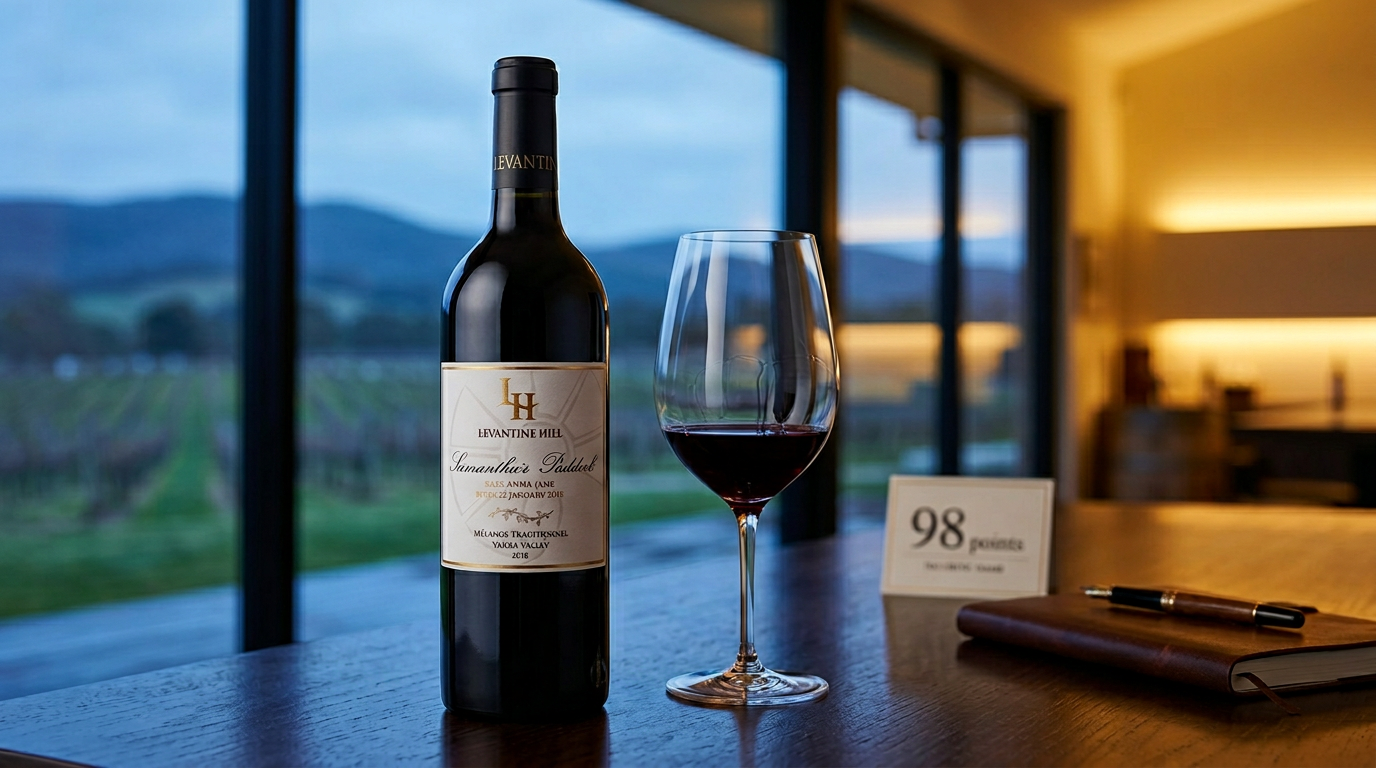
Levantine Hill has never been shy about ambition, but with the 2018 Samantha’s Paddock Mélange Traditionnel the estate has stepped into truly rarefied territory, crowned with a 98‑point score from Qwine Reviews and spoken of as one of the most complete cabernet‑based blends to emerge from the Yarra Valley in recent years. It is exactly the sort of wine that reminds serious drinkers that when they do not just buy cabernet sauvignon wine by grape and region, but look for intent and detail, the Yarra Valley can deliver something remarkably composed and cellar‑worthy.
Levantine Hill Samantha’s Paddock Mélange Traditionnel 2018: 98‑Point Yarra Valley Red Blend
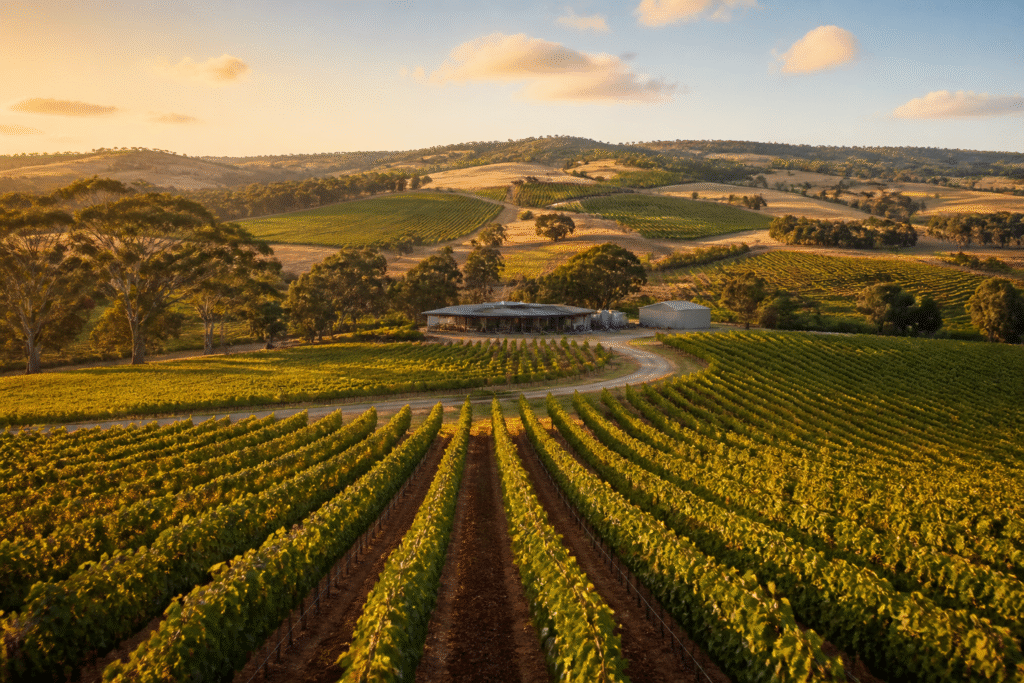
Samantha’s Paddock is part of the Family Paddock series, drawn from vines planted on Levantine Hill’s dramatic estate property on the so‑called Coldstream “Golden Mile”, one of the most coveted stretches of the Yarra Valley. The vineyard here sits on north‑facing slopes with complex clay and gravelly soils, giving cabernet family varieties both sunlight and enough stress to build intense flavour without losing line or freshness.
The 2018 vintage in the Yarra Valley offered a relatively mild, even growing season, with cool nights preserving acidity and slower ripening delivering beautifully balanced cabernet fruit. Against that background, the team at Levantine Hill chose to assemble Samantha’s Paddock from an array of small parcels, blending traditional Bordeaux red varieties to create a wine that is deliberately more than the sum of its parts.
Yarra Valley Origins of Samantha’s Paddock Mélange Traditionnel
The name “Mélange Traditionnel” signals a classic Bordeaux‑inspired approach, and Samantha’s Paddock follows that model closely. The blend brings together cabernet sauvignon as its structural spine, supported by merlot, cabernet franc and petit verdot, each component picked and vinified separately in small open fermenters before blending.
Cabernet sauvignon provides the core of cassis, blackcurrant and graphite, the elements that make this such a natural reference point when someone wants to build a cellar around structured, ageworthy reds. Merlot contributes plummy, plush mid‑palate flesh and a certain suaveness of texture, which is why it is equally relevant to those looking to buy merlot wine that adds generosity without tipping into jamminess.
Cabernet franc brings its leafy, tobacco‑leaf perfume and red‑fruited lift, giving aromatic detail that sets serious blends apart from simpler cabernet‑merlot pairings. It is exactly the kind of variety sought by drinkers who deliberately buy cabernet franc wine to introduce perfume, spice and freshness into their red‑wine line‑up. Petit verdot, used sparingly, adds colour, tannic grip and a flick of violet florals, tightening the finish and adding structural authority.
For some collectors, petit verdot is no longer just a seasoning grape; there is now a growing curiosity to buy petit verdot wine on its own terms, and a blend like Samantha’s Paddock shows why. Even at a modest percentage, its impact on the wine’s frame and length is unmistakable, helping knit the other varieties into a seamless whole.
What Grapes Are in Levantine Hill Samantha’s Paddock Mélange Traditionnel 2018?
Levantine Hill emphasises a very hands‑on, small‑batch approach for this flagship blend. All fruit is hand‑picked, hand‑sorted, destemmed and gently crushed before being tipped directly into open fermenters, with natural yeasts taking care of roughly the first third of fermentation before selected strains are introduced to complete the process. Extraction is deliberately restrained: ferments are hand‑plunged or gently run off no more than once per day, and cuvaison runs from 12 to 22 days on skins depending on the batch, allowing tannin and colour to build without harshness.
After pressing, each parcel is settled and racked separately to a mix of new and seasoned French oak, where it matures as individual components before blending. This approach lets the winemaking team taste and assess each batch on its own merits, pulling together the final Mélange Traditionnel only when the interplay between cabernet sauvignon, merlot, cabernet franc and petit verdot feels intrinsically balanced rather than forced. The result is a wine that marries fine‑grooved tannin with measured oak sweetness and a powerful yet controlled flow of dark fruit.
Featured Wines
Levantine Hill Colleen’s Paddock Pinot Noir 2021 (6 Bottles) Yarra Valley, VIC
Add to Cart
$183.00
/ bottle
$1,098.00 for a case of 6

Levantine Hill Estate Blanc de Blanc Sparkling 2022 (6 Bottles) Yarra Valley, VIC
Add to Cart
$79.83
/ bottle
$479.00 for a case of 6
Levantine Hill Estate Cabernet Sauvignon 2022 (6 Bottles) Yarra Valley, VIC
Add to Cart
$79.83
/ bottle
$479.00 for a case of 6
Levantine Hill Estate Sparkling Rosé 2018 (6 Bottles) Yarra Valley, VIC
Add to Cart
$139.00
/ bottle
$834.00 for a case of 6
Levantine Hill Glen Garvald Chardonnay 2024 (6 Bottles) Yarra Valley, VIC
Add to Cart
$41.00
/ bottle
$246.00 for a case of 6
Levantine Hill Glen Garvald GSM 2022 (6 Bottles) Yarra Valley, VIC
Add to Cart
$41.00
/ bottle
$246.00 for a case of 6
How Levantine Hill Crafts This Yarra Valley Cabernet Blend
A 98‑point rating is rare territory on any critic’s scale, and Qwine Reviews tends to reserve such scores for wines that display both immediate class and clear potential for evolution. In his review of Levantine Hill Samantha’s Paddock Mélange Traditionnel 2018, Steve Leszczynski highlights the way the wine evolves over several days, noting that its structure and shape “ooze class” and that the detail and layers of interest set it apart from more straightforward cabernet blends.
He describes leafy cabernet setting the scene, with merlot and cabernet franc “huddling around”, a neat way of capturing how the supporting varieties wrap themselves around a core of blackberries, blackcurrants and blackberry jubes. Savoury elements of tar, bay leaf, leather, liquorice, dried sage and thyme, plus ripples of earth and meaty notes, give the wine an intricate, savoury counterpoint to its fruit.
Qwine Reviews 98 Points: Why This Levantine Hill Red Stands Out
What really underpins that 98‑point score is texture. The tannins move slowly into a fine, powdery shape before an elongated, silky finish, making it the kind of bottle that encourages slow contemplation rather than just a quick mid‑week pour. It is the sort of structure that appeals to drinkers who do not simply buy cabernet sauvignon wine for immediate fruit, but for how it can evolve gracefully in the cellar.
Other critics echo this high regard. Wine Reviewer, for example, scored the 2018 Samantha’s Paddock at 97 points and spoke of graphite, tobacco leaf and deeply concentrated blackcurrant on the nose, with undergrowth, earth, supple blackberry fruit and expansive yet layered tannins on the palate. Halliday Wine Companion has similarly framed Levantine Hill’s cabernet‑based wines as luxurious, highly structured Yarra Valley benchmarks, aligning neatly with the Qwine verdict that this particular vintage deserves to be considered amongst the very top tier.
Tasting Notes for Levantine Hill Samantha’s Paddock 2018
Taken together, these reviews allow an informed mental picture of Levantine Hill Samantha’s Paddock Mélange Traditionnel 2018, even before pulling a cork. The aromatic profile is built around blackcurrant, blackberry, blackberry jubes and cassis, with notable contributions from tomato leaf, bay leaf, tobacco, leather, liquorice and hints of dried herbs like sage and thyme. There is also mention of graphite, pencil shavings and cigar‑box spice, all classic markers of high‑quality cabernet blends with serious oak élevage and time to knit together.
On the palate, the wine is described as medium‑bodied yet with a “seductive flow”, a phrase that neatly captures how it walks the line between Yarra Valley elegance and genuine fruit concentration. Acidity is noted as perfectly balanced, keeping the cassis and black fruit lively, while tannins are expansive and layered, moving from a more structural presence in the mid‑palate to that powdery, silken finish that Steve Leszczynski finds so compelling. This is not a blockbuster in the old Australian sense; instead, it is a Yarra Valley cabernet blend that leans into fragrance, detail and line, the kind of wine that serious collectors seek out when they buy merlot wine or other cabernet‑family bottles with the intention of following them over a decade or more.
Levantine Hill, Yarra Valley and Where Samantha’s Paddock Fits in Your Cellar
Levantine Hill itself has quickly become one of the region’s most visible modern estates, combining architectural statement with a clear focus on high‑end, age‑worthy wines. Established by the Jreissati family and guided in the cellar by winemaker Paul Bridgeman, the winery has built a portfolio that ranges from single‑paddock cabernet blends to top‑flight shiraz, chardonnay and Rhône‑inspired projects.
Within that portfolio, Samantha’s Paddock is arguably the purest expression of the estate’s Bordeaux ambitions, and the 2018 vintage stands out as a high point thanks to that 98‑point Qwine score and parallel praise from other critics. For anyone exploring Levantine Hills through a specialist retailer or dedicated vendor shop, this cuvée sits at the centre of the conversation about what the estate does best: small‑batch, meticulously handled cabernet‑family wines that capture Yarra Valley’s medium‑bodied, fragrant style while offering the structure and complexity expected of serious cellar candidates.
The fact that the 2018 Samantha’s Paddock continues to open and evolve over several days in Steve Leszczynski’s glass is particularly telling, suggesting a wine with the stuffing and balance to be followed for many years yet. Decanting now reveals those layers of fruit, herb and earth, but patient drinkers who lay bottles down will likely see more cigar‑box, truffle and savoury nuance emerge, rewarding those who chose to buy cabernet franc wine or petit‑verdot‑influenced blends not for immediate impact but for what they promise with time.
For collectors and enthusiasts in Australia, Levantine Hill Samantha’s Paddock Mélange Traditionnel 2018 represents the point where meticulous viticulture, thoughtful blending and Yarra Valley terroir all intersect under the spotlight of a 98‑point Qwine Reviews endorsement. For anyone curious enough to look beyond single‑varietal labels and explore how cabernet sauvignon, merlot, cabernet franc and petit verdot can be orchestrated into something genuinely symphonic, this wine is not merely another tick on a tasting list; it is a benchmark bottle that makes a strong case for what Levantine Hill, and indeed the contemporary Yarra Valley, can achieve at the very top of its game.




 Shiraz
 Cabernet Sauvignon
 Pinot Noir
 Grenache
 Merlot
 Red Wine Blends
 Chardonnay
 Riesling
 Pinot Gris
 Semillon
 Viognier
 Grenache Rosé
 Pinot Noir Rosé
 Shiraz Rosé
 Sangiovese Rosé
 Aglianico Rosé
 Clairette Rose
 Champagne
 Prosecco
 Sparkling Shiraz
 Blanc de Blanc
 Blanc de Noir
 Pet Nat
 Moscato
 Topaque
 Port
Port Sherry (dry & sweet)
 Muscat & Tokay
 Vermouth