 0473 644 098 · Mon–Fri 9am–5pm AESTHelp & FAQ


Bubbles Are Art – Why Sparkling Cuvée Matters More Than Marketing Suggests


Sparkling Cuvée occupies peculiar territory in wine culture. Most drinkers encounter the word occasionally, rarely understand precisely what it means, then assume it denotes something inherently superior without questioning why. This assumption contains truth, yet the explanation remains more nuanced than casual observers recognise. Understanding Sparkling Cuvée requires venturing beyond surface assumptions into methodology, terroir and winemaker intention.
The word itself carries French heritage. Cuvée derives from cuve, meaning vat or tank, referring historically to the vessel holding carefully selected wine blends. Over centuries, the term evolved to signify something far more specific within sparkling wine production. Today, Cuvée represents philosophical approach as much as technical designation, distinguishing serious producers from casual operations through commitment to quality above convenience.
How Cuvée Became Code for Excellence
In Champagne and other traditional method sparkling regions, Cuvée specifically references the first pressed juice from harvested grapes. During mechanical pressing, the grapes yield approximately 2,050 litres of juice from 4,000 kilograms of fruit. This first extraction represents the finest juice, possessing optimal acidity, clarity and aromatic potential. The following 500 litres, known as taille or tail, receive far coarser treatment and typically end up in lesser wines.
This distinction separates prestigious producers from volume operations. Many Champagne houses pride themselves explicitly on using exclusively Cuvée juice in their finest expressions. They discard or downgrade the taille entirely rather than compromise their standards. This practice requires economic confidence and genuine commitment to quality that few producers maintain consistently.
Tom Stevenson, the world’s leading sparkling wine authority and author of Christie’s World Encyclopedia of Champagne and Sparkling Wine, observes that “Fine quality sparkling wine is now regarded as a classic style in its own right. It deserves its place at the table, with food, not to be popped for fun.”
Beyond Champagne, producers using traditional method sparkling wine production worldwide adopted Cuvée designation to signal comparable commitment. English sparkling wines from regions including Sussex and Hampshire increasingly employ the term, indicating wines made through identical labour-intensive methodology that Champagne established.
Understanding Sparkling Cuvée’s Technical Reality
Creating genuine Cuvée sparkling requires understanding fermentation philosophy entirely distinct from still wine production. The base wines undergo initial fermentation producing dryness and alcohol. Yet here the process diverges dramatically from conventional winemaking.
The winemaker selects specific base wines from the vintage or occasionally blends across multiple vintages. This selection represents critical decision influencing finished wine character. Once base wine selection concludes, the winemaker adds precise quantities of yeast and sugar into sealed bottles. This initiates secondary fermentation inside the bottle itself, producing carbon dioxide that cannot escape. The trapped gas creates pressure and generates bubbles.
The bottles then rest for extended periods ranging from eighteen months to several years depending on producer philosophy and target complexity. During this sur lie ageing (resting on sediment), dead yeast cells called lees contribute aromatic compounds and textural complexity unavailable through any other method. The longer the ageing, the more complex the resulting wine typically becomes.
Richard Juhlin, recognised as the world’s foremost Champagne expert, explains that “Champagne often benefits from extended aging, which can enhance its complexity and develop tertiary aromas and flavors. Evaluating Champagne involves considering its aging potential and how well it will evolve over time.”
This extended methodology explains why genuine Cuvée commands premium pricing compared to tank-method alternatives. The labour intensity, cellaring costs and extended timeframes before revenue justify substantial pricing. Producers cannot manufacture shortcuts without compromising fundamental character.
Why English Sparkling Cuvée Changed the Conversation
English sparkling wine emerged relatively recently yet achieved remarkable critical success by adhering to identical traditional methodology. Sussex, Hampshire and surrounding regions produce Cuvée expressions using identical Champagne grape varieties including Chardonnay, Pinot Noir and Pinot Meunier. The chalky soils create comparable terroir to northern France.
Oz Clarke, veteran wine writer and English sparkling wine advocate, articulates English potential dramatically: “English wine doesn’t need a Champagne taste profile, we need an English taste profile, and it’s genuinely different. If it wasn’t for the fact that Champagne had been world-famous for 150 years and was the benchmark for celebration, extravagance and excessive price, we wouldn’t be talking about it, from a stylistic perspective.”
English producers including Nyetimber, Ridgeview and newer ventures demonstrate that traditional method Cuvée succeeds outside established regions when producers maintain uncompromising standards. This represented genuine revelation to critics accustomed to Champagne dominance.
Peter Liem, author of the authoritative book Champagne and specialist in terroir-driven expressions, observes that “Champagne today is more diverse and higher in quality than it ever was before.” This assessment applies equally to serious sparkling regions globally where producers commit to traditional methodology.
 $68.33
/ bottle
$410.00 for a case of 6
$68.33
/ bottle
$410.00 for a case of 6
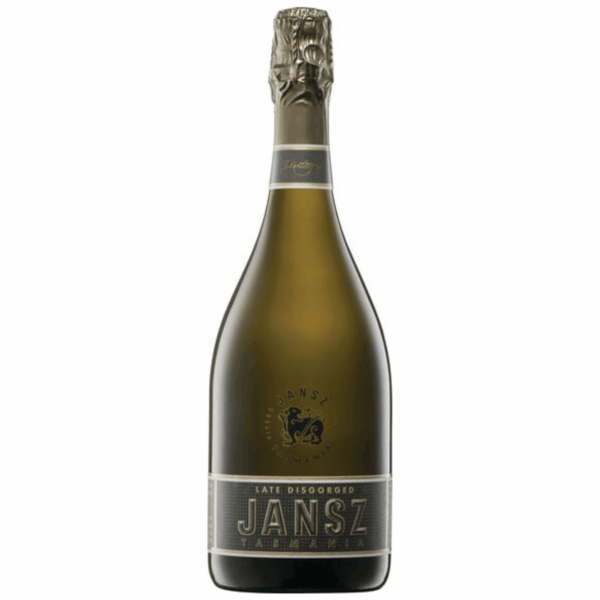
Jansz Late Disgorged Vintage Cuvée
Shipped by
Wines Australia
$68.33
/ bottle
$410.00 for a case of 6
 $27.83
/ bottle
$167.00 for a case of 6
$27.83
/ bottle
$167.00 for a case of 6
Bimbadgen Sparkling Cuvée NV
Shipped by
Oatley Fine Wine Merchants
$27.83
/ bottle
$167.00 for a case of 6
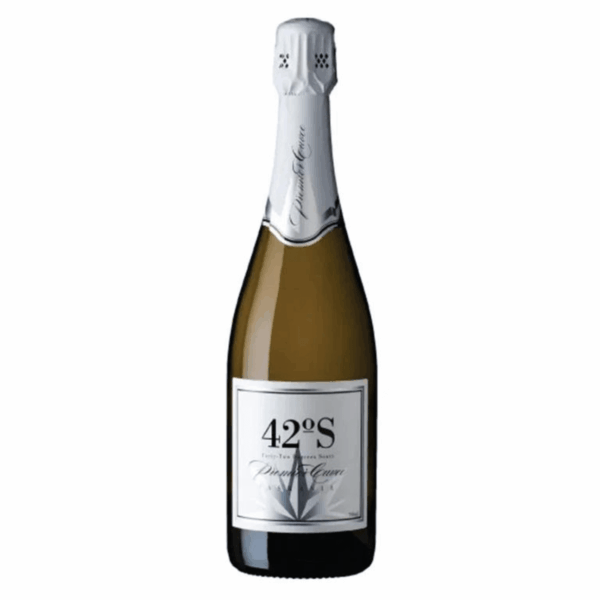 $33.33
/ bottle
$200.00 for a case of 6
$33.33
/ bottle
$200.00 for a case of 6
42 Degrees Premier Cuvee Sparkling NV
Shipped by
Joval Wines
$33.33
/ bottle
$200.00 for a case of 6
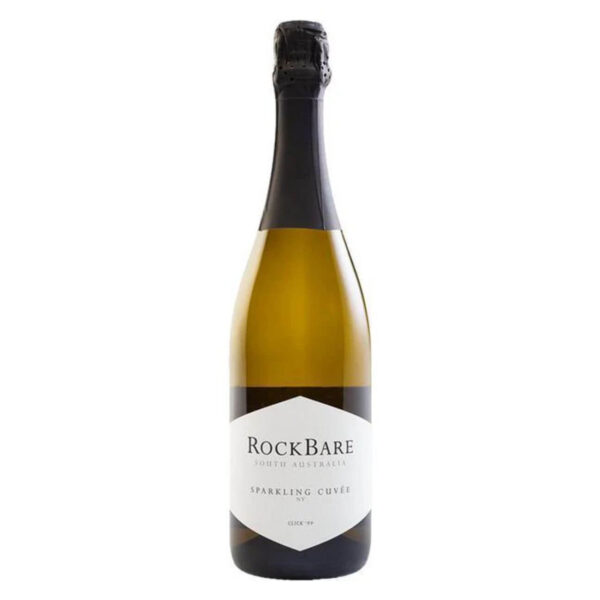 $16.42
/ bottle
$197.00 for a case of 12
$16.42
/ bottle
$197.00 for a case of 12
RockBare Click ’99 Sparkling Cuvée NV
Shipped by
Joval Wines
$16.42
/ bottle
$197.00 for a case of 12
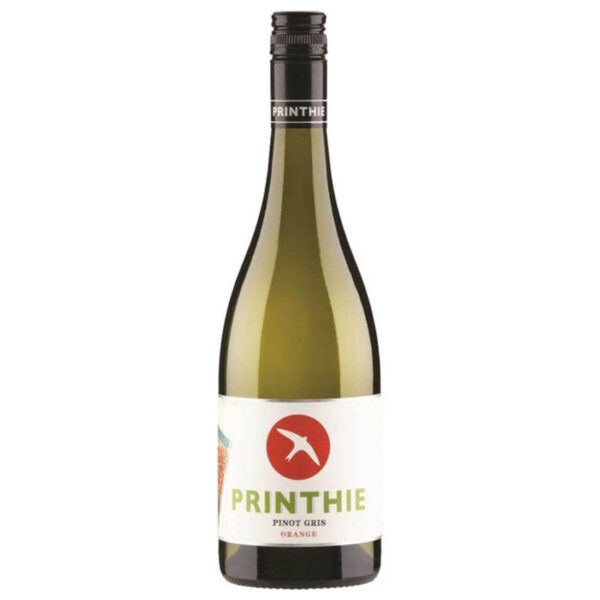 $24.58
/ bottle
$295.00 for a case of 12
$24.58
/ bottle
$295.00 for a case of 12
Printhie Mountain Range Sparkling Cuvée
Shipped by
Gathered Wine
$24.58
/ bottle
$295.00 for a case of 12
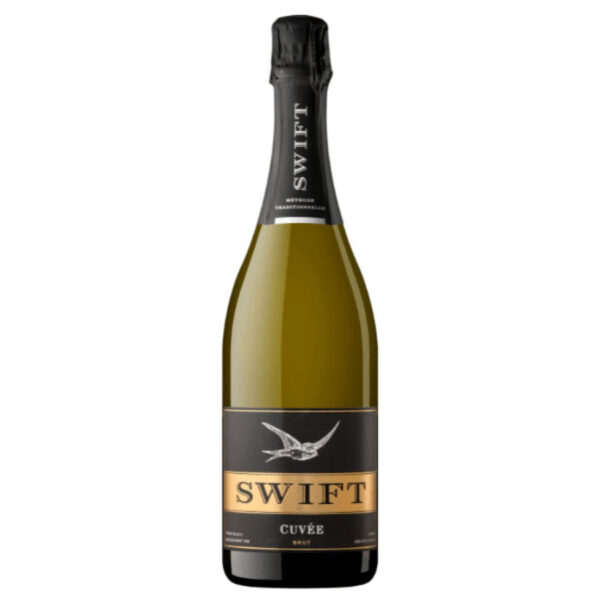 $47.00
/ bottle
$282.00 for a case of 6
$47.00
/ bottle
$282.00 for a case of 6
 410 pts
 The Australian Sparkling Renaissance
Tyson Stelzer, Australia’s leading authority on Champagne and sparkling wine, demonstrates particular passion for domestic productions. Writing in his Australian Sparkling Wine Report 2020, he notes that “The rise and rise of Australian sparkling over the past decade has been nothing short of revolutionary. The complexity of sparkling winemaking makes this the hardest wine style to perfect in production, and its maturation regime dictates the longest duration to reach the market, making its rapid progression over the past decade all the more remarkable.”
Tasmanian producers particularly excel, benefiting from cool climate conditions and established traditional method expertise. House of Arras represents Australian sparkling at pinnacle expression, achieving recognition that challenges Champagne dominance within comparable price brackets. Stelzer’s comprehensive reviews demonstrate that Australian sparkling delivers exceptional value particularly under forty dollars, a price point where Champagne struggles to compete meaningfully.
The Cuvée Portfolio: When One Wine Becomes Many
Savvy producers create multiple cuvée expressions recognising that not all selections deserve identical positioning. The flagship Cuvée represents the house’s highest expression, typically combining the finest base wines with extended ageing. These bottles command premium pricing and generate prestige attracting casual consumers alongside serious collectors.
Secondary Cuvée expressions, sometimes designated differently, offer entry into the house style at more accessible pricing. These wines use identical methodology and tradition but may employ younger reserve wines or slightly less extended ageing. The resulting wines remain serious expressions rather than compromised alternatives.
Vintage Cuvée designations indicate that the blend derives entirely from a single harvest year rather than assemblages across multiple years. This creates particular emphasis on vintage character and terroir expression. Producers employ vintage bottlings selectively, reserving them for exceptional years demonstrating sufficient complexity to stand alone without cross-vintage blending.
Prestige Cuvée, occasionally called Tête de Cuvée or designated through special bottling, represents the absolute apex of producer ambition. These wines receive maximum reserve wine components, extended bottle age and occasionally special disgorgement timing. Limited production ensures scarcity that justifies extraordinary pricing.
How Sparkling Cuvée Pairs with Occasion and Memory
Genuine Sparkling Cuvée functions magnificently as aperitif, though the wines possess sufficient complexity to accompany food throughout formal meals. The combination of fine bubbles, crisp acidity and developing complexity creates wines that entertain without demanding centre stage.
As aperitif, Sparkling Cuvée stimulates appetite through refreshment without coating the palate. The acidity cleanses rather than intoxicates. The bubbles provide visual and tactile appeal that still wines cannot match. The aromas signal quality and occasion, transforming ordinary moments into ceremonies deserving notice.
Throughout dinner, Sparkling Cuvée demonstrates remarkable versatility. Lighter courses including seafood, poultry and delicate preparations find excellent partners. The wine’s acidity cuts through richness without overwhelming subtle flavours. Even bold courses benefit from Cuvée service when producers select wines with sufficient structure and mineral character.
Essi Avellan, Master of Wine and Finland’s first MW specialising in Champagne and sparkling wine, describes what defines excellence: “For me, sparkling wines are about purity, elegance and vivacity, lightness yet intensity.” These characteristics distinguish genuine Cuvée from inferior alternatives.
Why Sparkling Cuvée Represents Value Despite Premium Pricing
The investment required to produce legitimate Sparkling Cuvée appears substantial at first glance. Traditional methodology demands labour-intensive hand riddling or mechanical riddling for bottle rotation. Disgorgement requires specialist equipment and training. Extended bottle ageing ties up capital for years before generating revenue.
Yet comparative analysis reveals genuine value. Equivalent complexity in still wines often commands lower pricing despite containing identical winemaking effort. Prestige cuvée Champagne pricing sometimes reaches absurd levels disconnected from production reality. Entry-level traditional method sparkling from serious producers outside Champagne delivers remarkable quality at fraction of comparable Champagne cost.
Tyson Stelzer confirms this value proposition clearly: “At the bottom end, you can get fantastic fizz at all sorts of price points. At the top end, I can walk into any one of your stores and buy one of the greatest sparkling wines in the world, any day of the week. It’s unique in that regard and it’s affordable and accessible.”
Where to Find Genuine Sparkling Cuvée
Identifying authentic Sparkling Cuvée requires looking beyond labels and understanding producer philosophy. The word Cuvée alone guarantees nothing without accompanying production methodology verification. Yet certain indicators suggest quality commitment.
First, examine the disgorgement date printed on capsule or label. Sparkling wines disgorged recently demonstrate maximum freshness. Wines disgorged years previously have aged beyond optimal drinking windows for most producers. The disgorgement date reveals whether you’re purchasing carefully managed wine or forgotten inventory.
Second, identify production method explicitly. Labels should indicate “traditional method,” “méthode champenoise,” “méthode traditionnelle,” or equivalent terminology. Avoid wines describing themselves simply as Cuvée without methodology confirmation. These likely employ cheaper tank methods producing inferior results despite misleading terminology.
Third, research producer reputation through wine critics and specialty retailers. Tom Stevenson’s observation that successful sparkling production requires proper foundation suggests patience and experience matter fundamentally. Look for producers with track records across multiple vintages rather than single breakthrough successes.
Why Sparkling Cuvée Deserves Serious Consideration
Sparkling Cuvée represents genuine craftsmanship and commitment to quality that transcends fashion or marketing positioning. These wines deliver complexity, refinement and remarkable versatility that simpler alternatives cannot match. The investment in methodology yields dividends through consistent quality and aging potential.
Whether exploring Champagne, English, Australian or international expressions, genuine Cuvée proves that sparkling wine can achieve sophistication matching the finest still wines globally. The bubbles need not indicate frivolity or casual consumption. Proper Cuvée demands attention and rewards curiosity.
Purchase bottles with confidence. Store them carefully. Open them with intention. Experience why serious producers maintain uncompromising commitment to methodology that most consumers never notice. That commitment reveals itself through complexity that builds rather than decays, through refinement that rewards attention, through sparkling wine that demonstrates why bubbles become art when executed properly.
 Shiraz
 Cabernet Sauvignon
 Pinot Noir
 Grenache
 Merlot
 Red Wine Blends
 Chardonnay
 Riesling
 Pinot Gris
 Semillon
 Viognier
 Grenache Rosé
 Pinot Noir Rosé
 Shiraz Rosé
 Sangiovese Rosé
 Aglianico Rosé
 Clairette Rose
 Champagne
 Prosecco
 Sparkling Shiraz
 Blanc de Blanc
 Blanc de Noir
 Pet Nat
 Moscato
 Topaque
 Port
Port Sherry (dry & sweet)
 Muscat & Tokay
 Vermouth