 0473 644 098 · Mon–Fri 9am–5pm AESTHelp & FAQ


The Aperitif Paradox – Why What You Serve Before Dinner Matters More Than You Think

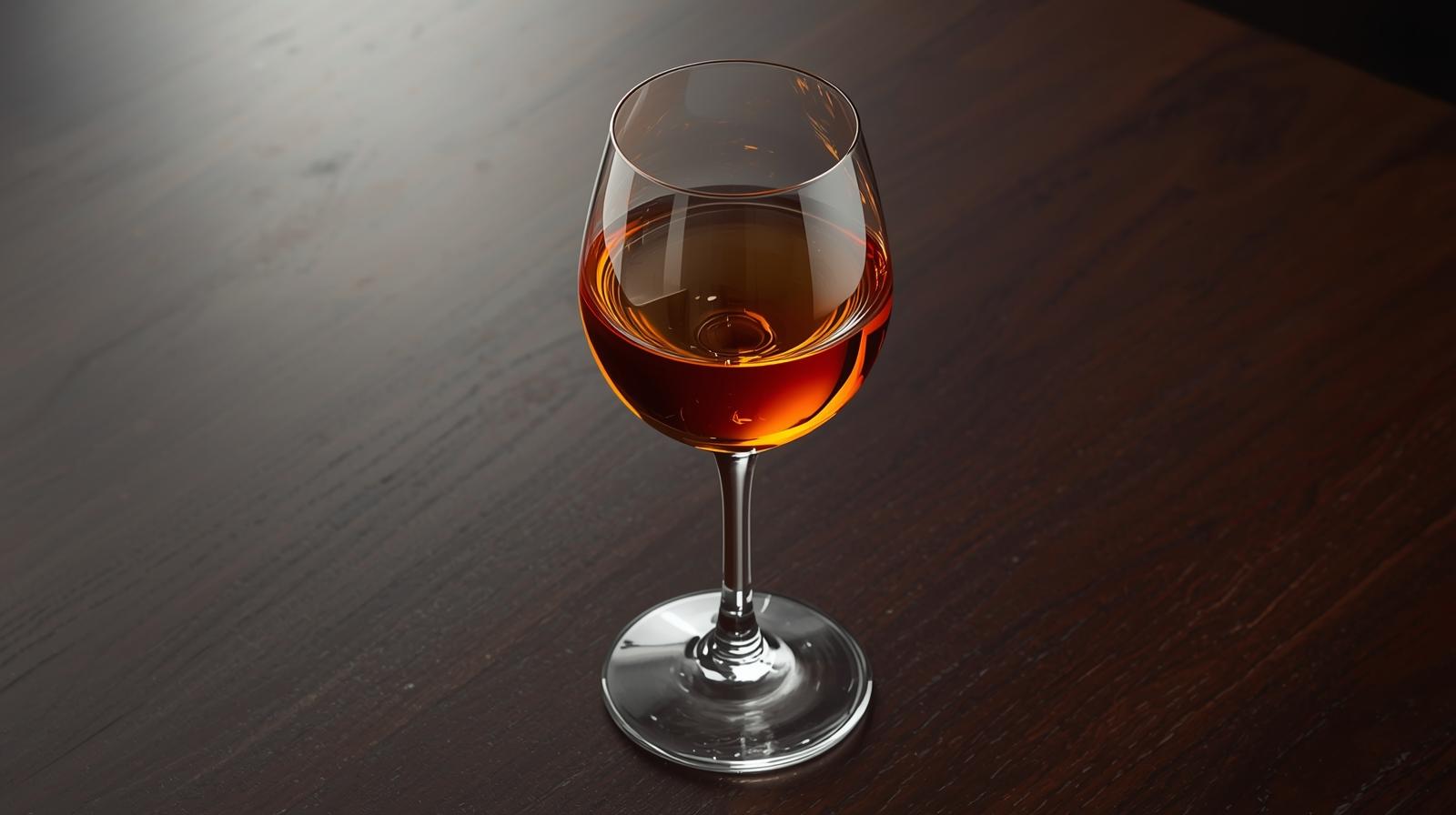
Aperitifs occupy peculiar territory in wine culture. Everyone understands their purpose, yet few truly understand their function. The traditional aperitif represents something profoundly different from casual drinking or formal dinner wines. The aperitif wine must accomplish specific objectives that demand distinct characteristics, careful selection and deliberate strategy. Pour carelessly and you either overwhelm the palate before food arrives or waste an opportunity for genuine sophistication.
The aperitif offers paradoxical challenge. It must stimulate appetite rather than satisfy it. It must refresh the palate rather than coat it with heavy flavours. It must arrive with personality without demanding centre-stage attention. Most contemporary wine selections fail this test spectacularly. Consumers default toward whatever appears familiar or fashionable, then wonder why the evening feels disconnected from the moment that follows.
Understanding what truly constitutes an excellent aperitif requires rejecting conventional assumptions about wine service. The best aperitifs work through refreshment, aromatic intensity and judicious acidity. These characteristics appear entirely distinct from qualities championed during dinner service.
When Bubbles Became the Default Answer
Champagne holds historic position as the canonical aperitif. Jancis Robinson, writing for JancisRobinson.com, provides authoritative context: “The classic aperitif is dry sherry, generally about 15% alcohol (not much more than many other wines), widely misunderstood, but one of the wine world’s great, undervalued treasures.”
This statement contains crucial distinction. Champagne represents tradition rather than necessity. Fine quality Champagne absolutely functions as excellent aperitif. Yet it represents just one option within broader spectrum of perfectly suitable selections. The assumption that Champagne alone qualifies as appropriate aperitif has paralysed contemporary wine service, narrowing possibilities where expansion would serve drinkers better.
Champagne excels as aperitif when two critical conditions are met. First, the wine must be thoroughly dry. Brut or Extra Brut designations prove essential. Sec or Demi-Sec releases miss the mark, their residual sweetness conflicting with proper aperitif function. Second, the wine demands real quality. Mass-produced Champagne intended for volume sales often displays characteristics far inferior to genuinely fine alternatives at similar pricing.
Hugh Johnson, legendary wine writer and author of foundational wine reference works, notes that “Fizz comes very high on my comfort list, and not necessarily Champagne. England has a dozen labels these days that give me the refreshment and uplift I’m looking for.”
This observation captures contemporary aperitif reality. English sparkling wine, Spanish Cava, French Crémant and Italian Franciacorta all deliver comparable quality to mid-range Champagne at fraction of the pricing. These selections deserve serious consideration from those prioritising value without sacrificing quality.
Why Dry Sherry Remains Gravely Undervalued
Sherry represents perhaps aperitif category’s most egregious neglect. Contemporary wine culture abandoned this category to elderly enthusiasts and restaurants clinging to tradition. This represents market failure of spectacular proportions. Quality dry Sherry delivers aperitif functionality that few other wines match.
Fino and Manzanilla represent Sherry’s finest aperitif expressions. These wines display remarkable acidity, moderate alcohol and aromatic intensity that cleanse the palate whilst stimulating appetite. The wines work fresh and chilled on warm evenings alongside olives, jamón serrano and almonds. This pairing reaches such perfect equilibrium that once experienced, few alternatives feel completely satisfying.
Jancis Robinson describes this experience: “In warm weather a freshly opened, chilled, bottle of Fino or Manzanilla can give even more concentrated pleasure than a fine white wine (and is the perfect foil for green olives, sweet and juicy jamon serrano and salted almonds).”
Amontillado provides winter alternative, the wine’s nutty character and fuller body offering warming comfort during colder seasons. Neither Fino, Manzanilla nor Amontillado demands substantial education or specialised knowledge. They arrive ready-to-drink, requiring only proper chilling and appropriate glassware.
The profound tragedy lies in how thoroughly these wines disappeared from mainstream consideration. A single generation’s marketing shift toward Champagne essentially erased centuries of established tradition. That erasure benefits nobody except Champagne producers, who exploit assumed aperitif superiority to command inflated pricing.
The Case for Elegant White Wines
Dry white wines function brilliantly as aperitifs when proper selection precedes service. Not all whites succeed in aperitif context. The wine must combine crisp acidity with aromatic character and moderate alcohol. Full-bodied, heavily oaked expressions prove counterproductive, coating the palate rather than refreshing it.
Sauvignon Blanc delivers consistent aperitif success. The grape’s natural herbaceous character, vibrant acidity and aromatic intensity create perfect pre-dinner moment. Loire Valley expressions from regions including Sancerre and Pouilly-Fumé represent particular excellence. The wines display mineral undertones suggesting terroir expression whilst maintaining the freshness that defines proper aperitif.
Alsatian wines including certain Rieslings and Gewürztraminers prove surprisingly effective aperitifs when dry and unoaked examples are selected. The aromatic intensity these wines display commands attention without overwhelming, creating engagement that stimulates appetite anticipation.
Vermentino and Albariño represent undervalued aperitif selections. These Italian and Spanish whites combine herbal notes, citrus aromas and bracing acidity that create genuine refreshment. Their lack of international recognition means pricing remains reasonable compared to equivalent quality Sauvignon Blanc.
Why Rosé Achieved Unexpected Aperitif Dominance
Rosé wine has assumed surprising importance as contemporary aperitif selection. This ascendancy reflects genuine suitability rather than fashion alone. Quality dry rosé combines refreshing acidity, aromatic appeal and remarkable food compatibility that traditional aperitif selections cannot match.
The key distinction lies in selecting genuine quality expressions rather than casual mass-market bottles. The best rosés display sufficient structure and complexity to demand respect. They work alongside sophisticated appetisers without requiring accompaniment to food. This versatility explains why rosé increasingly appears on serious wine lists as aperitif offering.
Provence remains aperitif rosé’s heart, the region producing wines of consistent elegance and complexity. The best expressions avoid excessive sweetness or fruitiness that might overwhelm delicate pre-dinner moments. Instead they deliver pale pink hues, mineral undertones and crisp acidity that create visual and sensory appeal.
The Fortified Wine Renaissance That Never Happened
Beyond Sherry, other fortified wines deserve serious aperitif consideration. Tawny Port, particularly younger expressions, arrives fresh and elegant. The wine’s moderate alcohol content and natural sweetness create approachability that pure dry wines cannot match.
Vermouth has experienced limited renaissance as aperitif selection. Dry expressions work particularly well, the wine’s herbal and botanical notes creating distinct personality. Whether served straight or mixed, quality dry vermouth delivers sophisticated pre-dinner experience that rewards careful producer selection.
What Makes an Aperitif Truly Function
The essential aperitif characteristics remain consistent regardless of style. First, moderate alcohol content prevents intoxication on empty stomach. Second, crisp acidity refreshes palate rather than coating it with heavy flavours. Third, aromatic intensity creates engagement and anticipation. Fourth, dryness ensures the wine stimulates appetite rather than satisfying it.
These criteria eliminate substantial portions of wine world. Fuller-bodied selections, overly sweet expressions, heavily oaked wines and high-alcohol offerings all fail aperitif requirements. This elimination process clarifies what actually works, stripping away fashion and assumption to reveal genuine functionality.
Why Your Aperitif Selection Matters
The aperitif represents more than mere formality. The wine establishes evening’s entire trajectory. Select well and you create moment of genuine pleasure that enhances everything following. Select poorly and you begin dinner with regret rather than anticipation.
Most wine enthusiasts invest substantially more attention in dinner wine selection than aperitif choice. This represents precisely backwards priority. The aperitif arrives when palates remain most receptive and expectations run highest. Aperitif quality sets emotional tone for entire evening. The wine deserves selection equivalent to attention given main course pairings.
Reject default assumptions about what qualifies as appropriate aperitif. Expand beyond Champagne alone. Explore dry Sherry’s remarkable capabilities. Experiment with elegant white wines beyond fashionable alternatives. Discover what genuinely refreshes your palate and stimulates appetite anticipation.
The aperitif represents opportunity to express sophistication, knowledge and genuine care for your guests’ experience. Invest time in understanding what actually works. Your evening will be measurably better for that investment.
 Shiraz
 Cabernet Sauvignon
 Pinot Noir
 Grenache
 Merlot
 Red Wine Blends
 Chardonnay
 Riesling
 Pinot Gris
 Semillon
 Viognier
 Grenache Rosé
 Pinot Noir Rosé
 Shiraz Rosé
 Sangiovese Rosé
 Aglianico Rosé
 Clairette Rose
 Champagne
 Prosecco
 Sparkling Shiraz
 Blanc de Blanc
 Blanc de Noir
 Pet Nat
 Moscato
 Topaque
 Port
Port Sherry (dry & sweet)
 Muscat & Tokay
 Vermouth