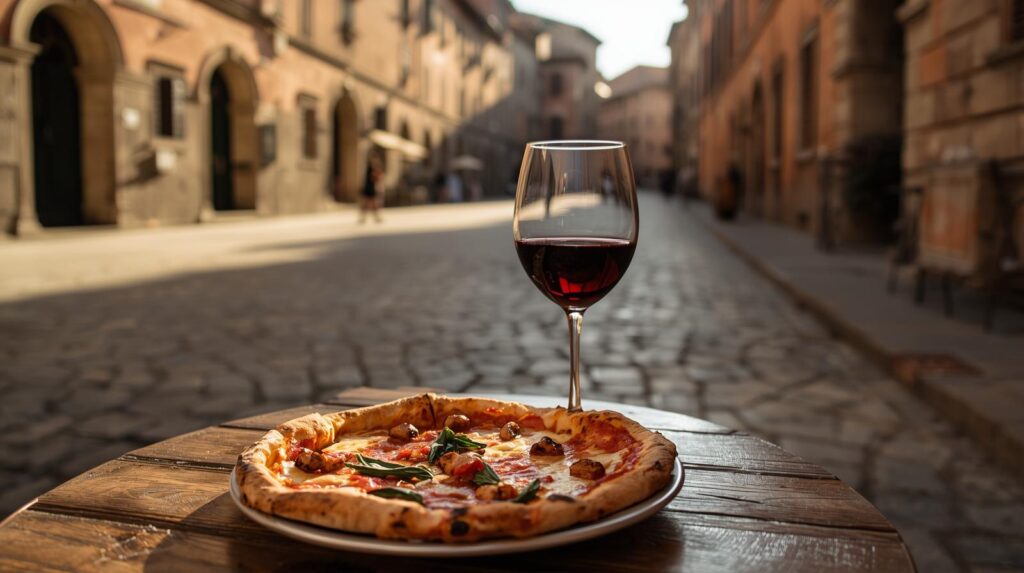
Wine and Pizza – A Serious Look at Pairing Excellence
Pizza presents one of wine’s most rewarding pairing challenges. The category encompasses such remarkable diversity, from thin Roman-style bases to
Continue readingShop our complete range of handpicked wines, chosen by the experts at Cellars.
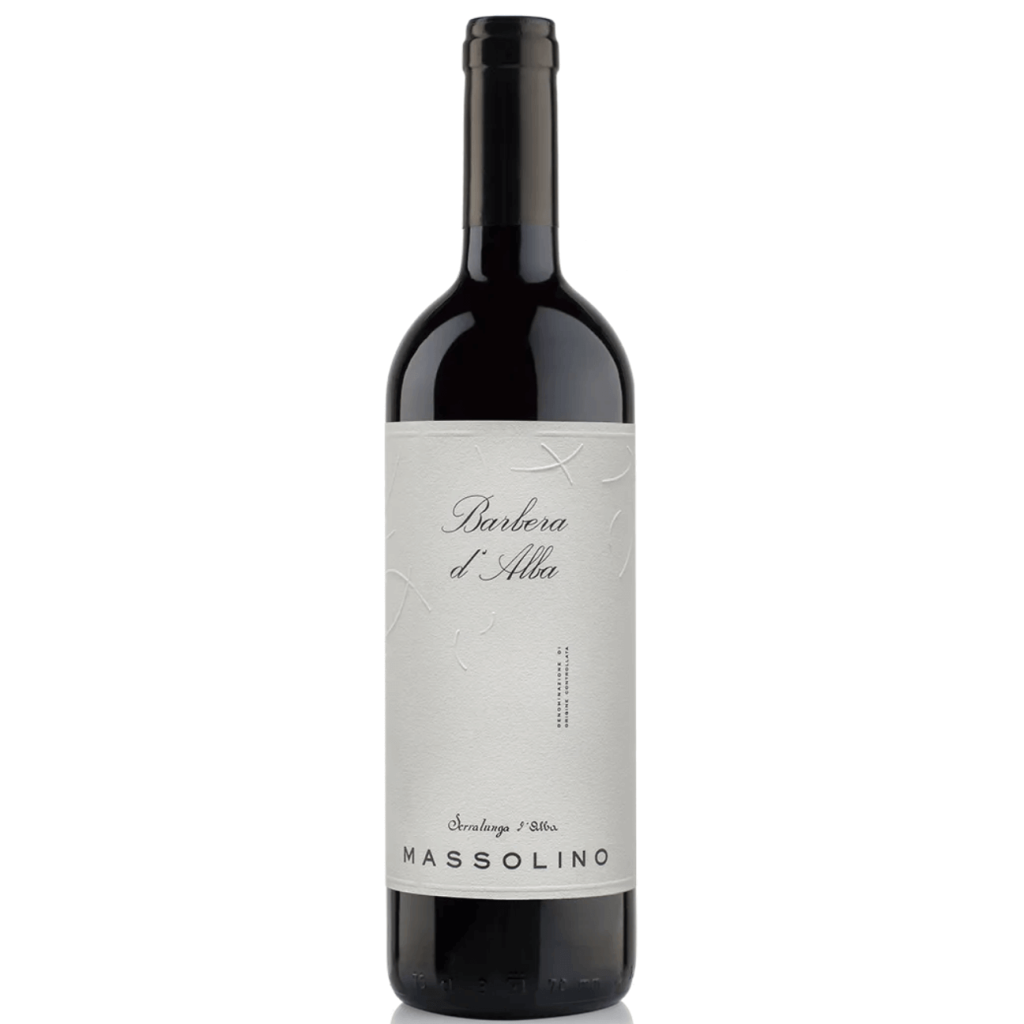
Barbera carries an unfair reputation problem. Historically positioned as inferior to Nebbiolo, treated as regional plonk rather than serious expression, dismissed by collectors focused on more celebrated varieties. This perception misses something crucial: quality Barbera represents one of wine's great values, delivering genuine complexity and food versatility at prices that seem almost apologetic. Contemporary producers throughout Piedmont increasingly craft Barbera with serious intention, creating expressions rivalling more celebrated varieties in quality whilst maintaining approachability and charm. Australian retailers increasingly stock quality Barbera imports, offering enthusiasts access to some of Italy's most distinctive and undervalued wines.
Shopping for Barbera online reveals a category experiencing genuine renaissance. Serious winemakers dedicate significant resources to the variety, recognizing genuine quality potential. Understanding what makes quality Barbera special, how to identify serious expressions from commercial examples, and why the category deserves serious collection transforms appreciation entirely.
Barbera represents one of Piedmont's most historically important varieties, yet remains dramatically underappreciated compared to Nebbiolo. The grape's origins possibly trace to Barbera del Monferrato region, though precise genealogy remains debated. Regardless of origins, Barbera became defining variety across multiple Piedmont subregions, producing wines of remarkable character and distinction.
The grape's characteristics explain both its historical commercial success and its perception problem. Barbera produces high-acidity, moderate-tannin wines with naturally fruity character and excellent food compatibility. These qualities made the variety perfect for everyday consumption, particularly in working-class households where wine accompanied every meal. This association with casual, everyday drinking created perception of Barbera as lesser expression rather than recognizing the category's genuine accessibility and pleasure.
Contemporary understanding increasingly recognizes Barbera's potential. High acidity creates wines of remarkable freshness and aging potential. Moderate tannin levels create approachability without sacrificing complexity. Natural fruitiness requires minimal winemaking intervention, allowing terroir expression. These characteristics create wines that work equally well for casual enjoyment and serious contemplation.
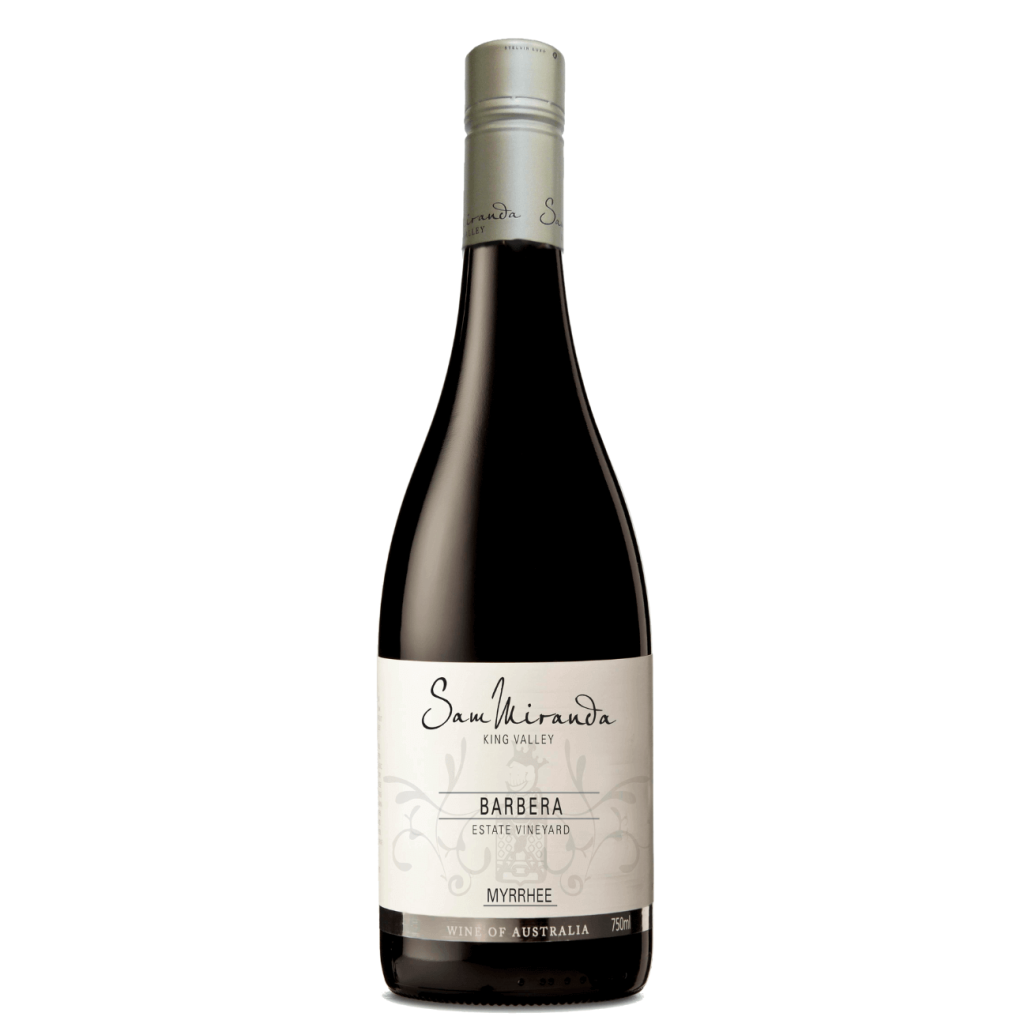
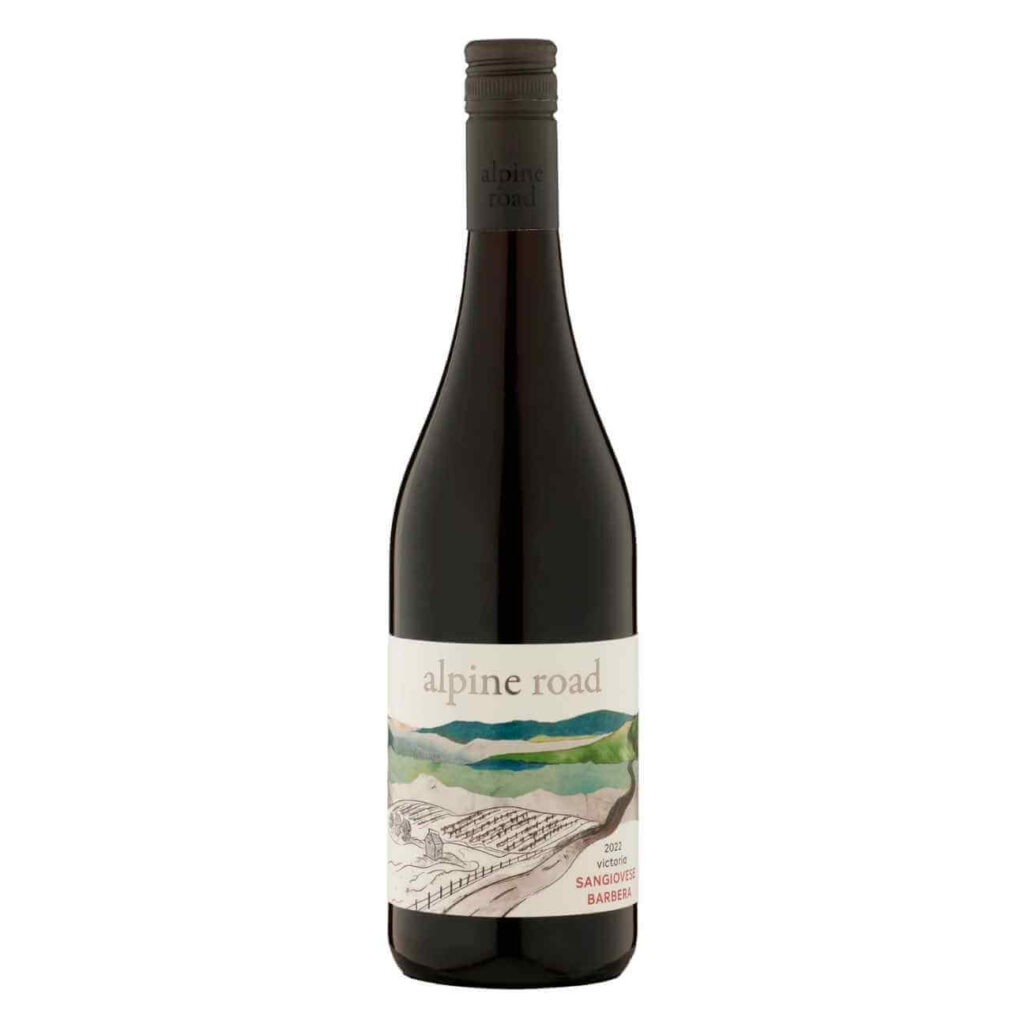
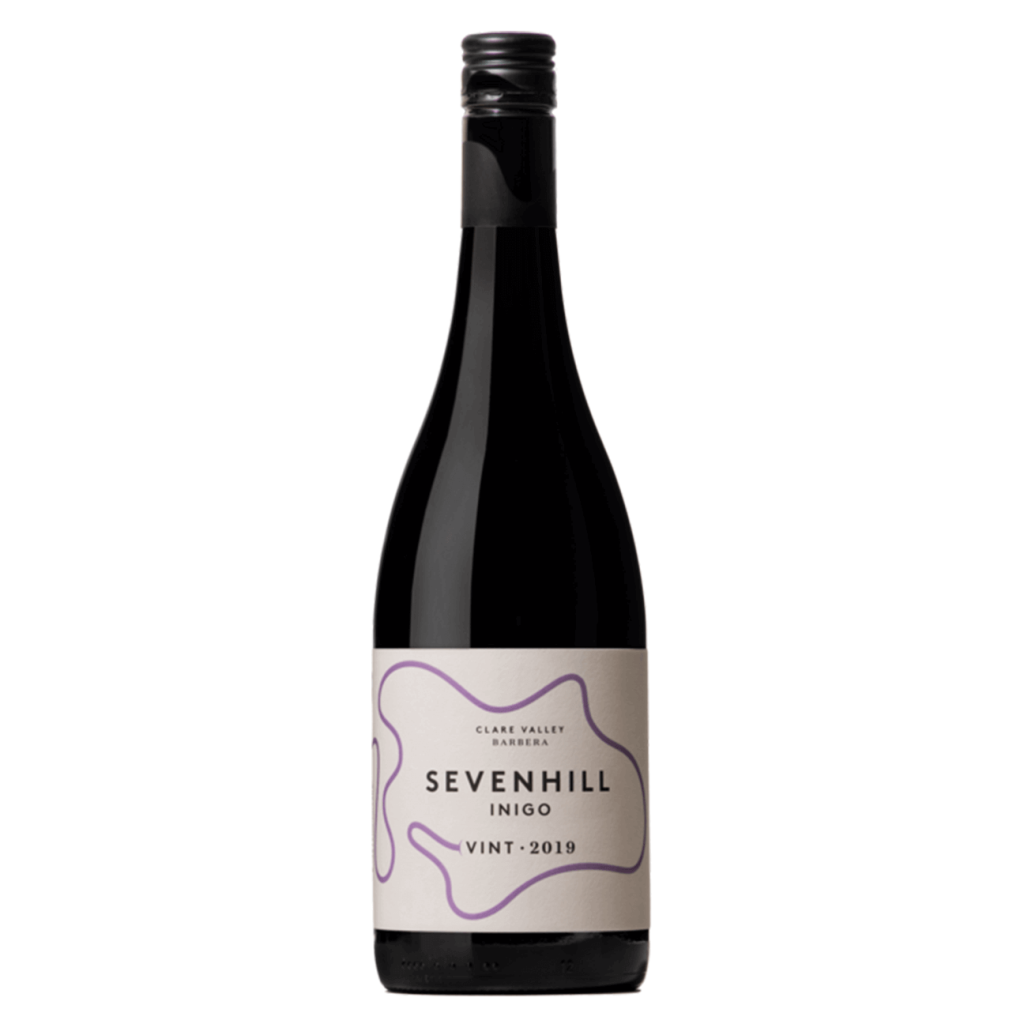
Australian producers increasingly recognize Barbera's potential, planting the variety across multiple regions and crafting expressions demonstrating the grape's genuine versatility. Warm-climate Australian viticulture produces Barbera showing riper fruit character compared to cool-climate Italian counterparts. This stylistic difference reflects terroir rather than indicating quality hierarchy, creating interesting alternatives to Italian classics.
Australian Barbera typically emphasizes fruit generosity alongside the variety's characteristic high acidity and moderate tannin. Warmer ripening produces wines with more obvious fruit character, sometimes softer structure compared to Italian expressions emphasizing savory complexity. The resulting wines show accessibility appealing to broader audiences whilst maintaining genuine character and complexity.
When shopping for Australian Barbera online, you're exploring wines from producers deliberately choosing to work with an underappreciated variety. These winemakers recognize genuine quality potential and invest resources crafting serious expressions. The category remains small enough that availability requires online shopping for diverse selections.
Barbera delivers immediately recognizable character that separates it from other Piedmont varieties.
Color shows brilliant ruby, often lighter than Nebbiolo despite similar aging potential. This visual distinction reflects Barbera's moderate tannin levels and acid-forward structure.
Aromatics emphasize bright red and black fruit alongside herbal, spicy character. Young Barbera shows cherry, plum, and raspberry alongside violet, licorice, and peppery notes. Aged examples develop leather, dried fruit, and subtle earthy complexity. These aromatics distinguish Barbera from Nebbiolo's typically more elegant, floral profile or Dolcetto's fruit-forward simplicity.
Palate structure defines Barbera's identity. The variety produces high-acid wines with moderate tannins creating impression of freshness and energy. This acid structure provides framework for remarkable aging, allowing wines to develop extraordinary complexity over years or decades. Young Barbera often tastes bright and juicy, with acidity dominating impression. This initial fruit-forward character creates accessibility appealing to casual drinkers without sacrificing serious potential.
Texture tends toward crisp and energetic rather than soft or voluptuous. Barbera fills the palate with concentrated fruit and integrated acidity, creating impressive presence through brightness rather than power. This texture profile makes Barbera exceptionally food-friendly, cutting through rich dishes and refreshing between bites.
Aging trajectory distinguishes Barbera's investment appeal. Young wines show promise and immediate approachability, yet improve dramatically over 10 to 15+ years. Aged examples reveal layers of complexity, with original bright fruit supplemented by leather, dried fruit, and sophisticated secondary character. This aging potential transforms perception from everyday wine into serious collectible.
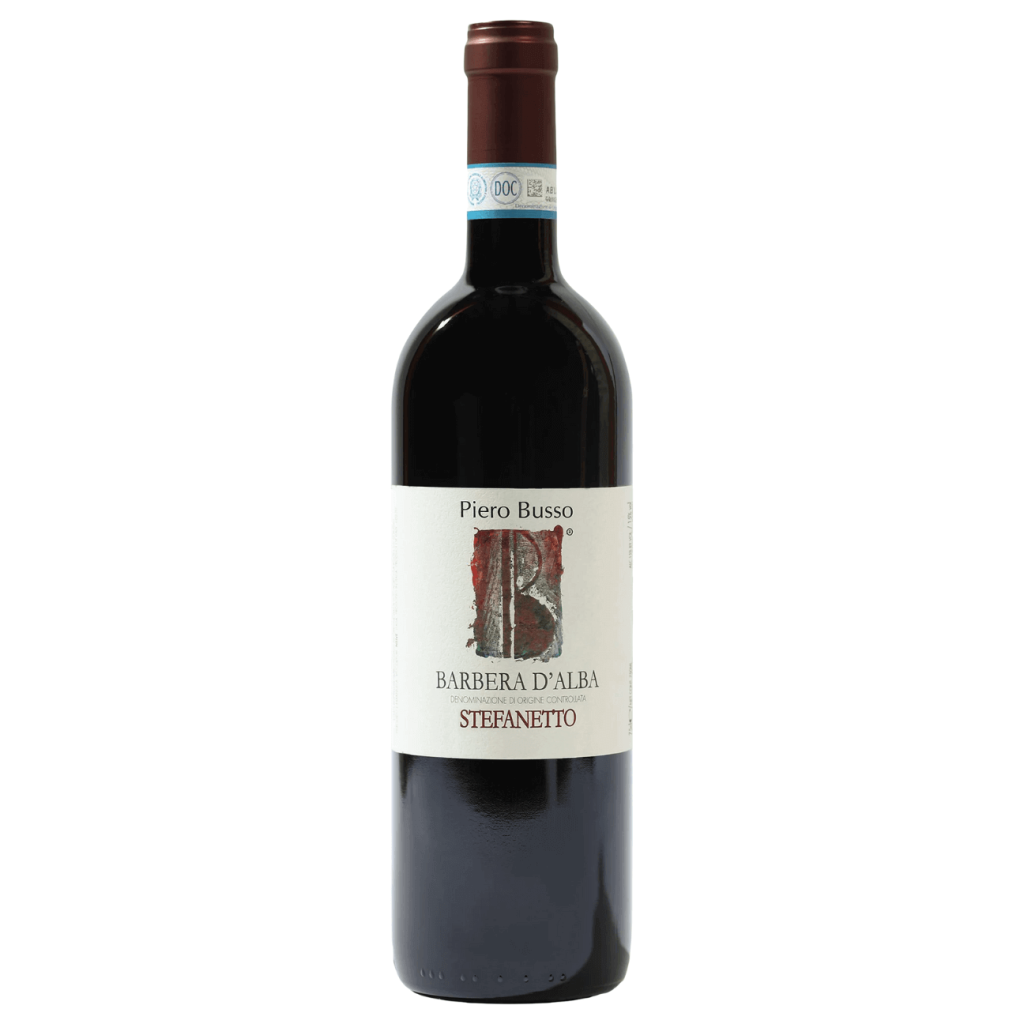
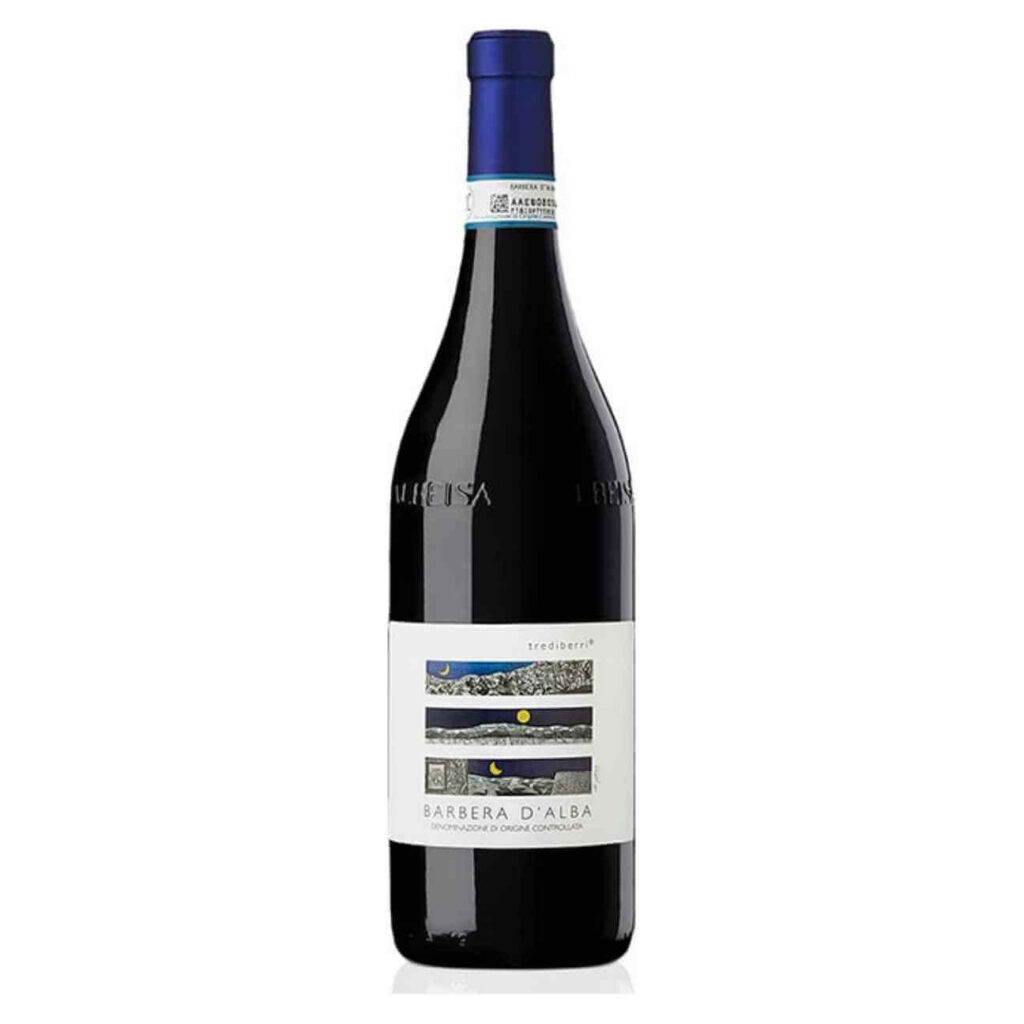
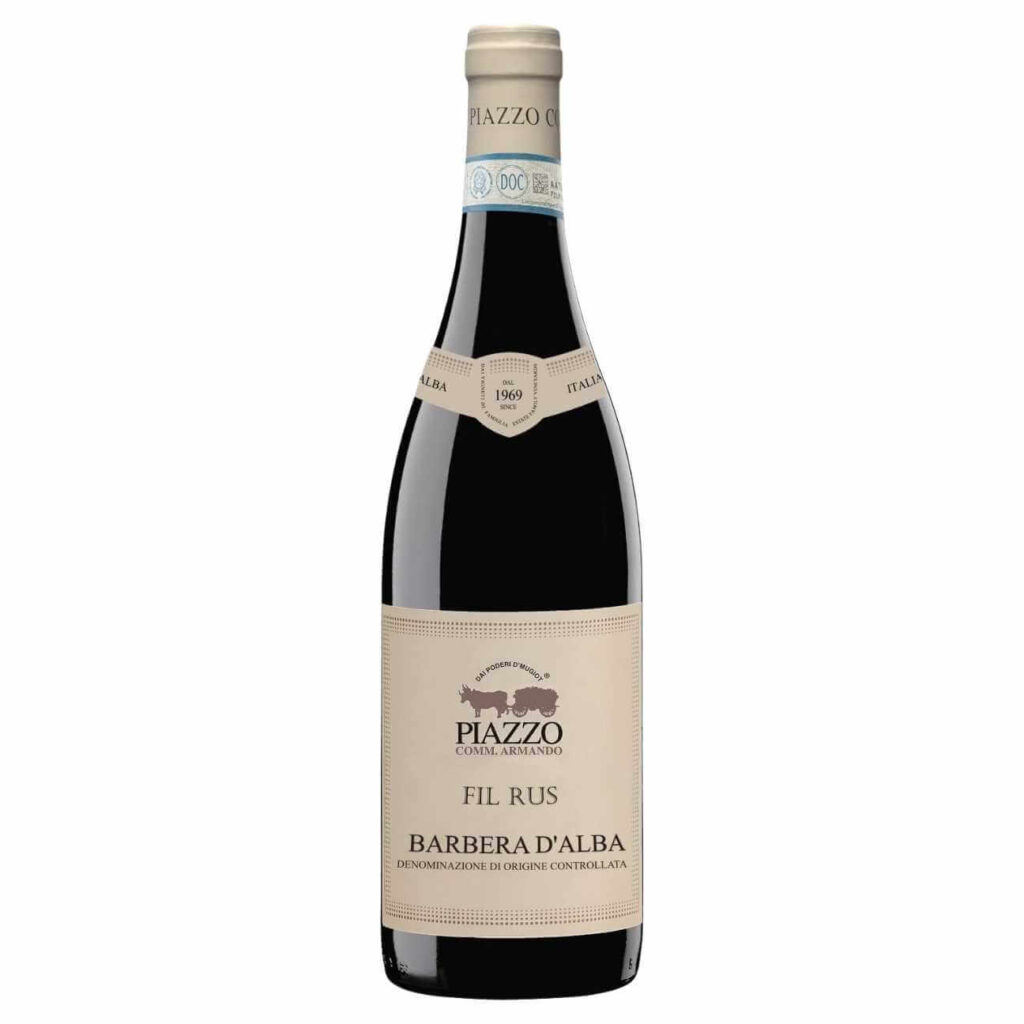
Barbera d'Alba represents perhaps the most celebrated Barbera expression, produced in hills around Alba in Piedmont. This region's terroir creates wines showing particular elegance and complexity. Alba's elevation and soil composition produce Barbera with slightly more structure and aging potential compared to lower-elevation expressions. When shopping for Barbera online, Barbera d'Alba typically commands premium pricing reflecting genuine quality and regional prestige.
Barbera d'Asti from the Asti region produces slightly different character reflecting different terroir conditions. These expressions often show slightly softer character and earlier approachability compared to Alba counterparts, though quality examples age beautifully. Asti's warmer position creates slightly riper fruit development.
Barbera del Monferrato from lower-elevation regions produces slightly lighter, more fruit-forward expressions. These wines emphasize immediate approachability and food compatibility, though quality examples show genuine complexity.
Barbera Riserva designations indicate extended aging, typically minimum two years in oak, producing wines of greater complexity and structure. These serious expressions deserve serious collection, developing beautifully over 10 to 20+ years.
Australian Barbera from warm-climate regions produces distinctive expressions emphasizing riper fruit character alongside Barbera's characteristic high acidity. These wines show different profile compared to Italian counterparts whilst maintaining fundamental Barbera character.
Barbera pricing represents one of wine's great value opportunities, with quality appearing at remarkably accessible price points.
Entry-Level Barbera (15 to 30 dollars) introduces the variety at genuinely approachable pricing. These younger releases show characteristic Barbera brightness and fruit-forward character, drinking wonderfully upon release whilst aging gracefully over several years. Online shopping for affordable Barbera reveals producers crafting genuine quality without premium pricing. These bottles work perfectly for casual entertaining, everyday enjoyment, and food pairing.
Quality Barbera (30 to 55 dollars) represents where Barbera becomes genuinely interesting for serious enthusiasts. This bracket features established producers with genuine credentials, wines showing distinctive character and careful production attention. These bottlings possess sufficient complexity and structure for serious appreciation whilst maintaining Barbera's characteristic accessibility. They age beautifully over 8 to 12+ years, developing nuance that younger versions suggest. When purchasing Barbera online at this level, you're accessing expressions worthy of serious collection at prices dramatically lower than comparable quality in more celebrated categories.
Premium Barbera (55 to 95 dollars) attracts serious collectors and special occasion purchases. Limited production from boutique makers, single-vineyard expressions from renowned sites, and wines with proven aging potential. These bottles demonstrate Barbera's genuine sophistication and collection value. Legendary producers' serious expressions appear here, often showing remarkable consistency across vintages. These wines deserve cellaring and reward patience developing extraordinary complexity over years or decades.
Collector Barbera (95 dollars and beyond) represents rare, aged bottlings from legendary producers and premium single-vineyard expressions commanding serious collector attention. Vintage Barbera with significant bottle maturity occasionally appears, showing remarkable development.
Understanding important producers helps navigate selections when shopping online, identifying quality and distinctive expressions.
Luciano Sandrone crafted one of Barbera's modern renaissance expressions, demonstrating the variety's genuine potential through meticulous winemaking and quality fruit selection.
Bartolo Mascarello represents traditional Barbera values, crafting elegant wines emphasizing terroir expression through minimal intervention approaches.
Braida specializes in Barbera, crafting multiple expressions demonstrating the variety's versatility across different terroir and production approaches.
Cascina Morassino produces serious Barbera showing genuine complexity and aging potential, often at surprisingly accessible pricing.
Paolo Scavino demonstrates that serious Piedmont producers equally dedicate resources to Barbera alongside more celebrated varieties.
When shopping for Barbera online, researching producer philosophy helps identify expressions matching personal preferences. Some emphasize power and structure, whilst others prioritize brightness and food compatibility. Both approaches produce legitimate quality.
Temperature matters for Barbera enjoyment. Serve between 14 and 16 degrees Celsius, allowing the wine's bright acidity and fruit character to express fully. Excessive chill suppresses aromatics and emphasizes acidity harshly; warmer service allows fruit character to integrate with acidity, creating balance. Slight chill emphasizes Barbera's refreshing character, making the variety excellent for warm-weather service.
Decanting benefits young Barbera modestly. Unlike high-tannin varieties requiring significant aeration, Barbera's moderate tannins need minimal air exposure. Gentle aerating for 15 to 30 minutes improves approachability without requiring extensive decanting. Aged Barbera occasionally shows sediment requiring careful decanting.
Glassware impacts appreciation. Use standard red wine glasses allowing adequate aeration and aromatic expression. Oversized glasses aren't necessary given Barbera's accessible character.
Food pairing showcases Barbera's exceptional versatility. The wine's high acidity and moderate tannins work with virtually everything: pasta with tomato sauce, grilled vegetables, roasted chicken, aged cheeses, cured meats, spicy preparations, and even lighter fish dishes. This versatility makes Barbera exceptional for entertaining when diverse guests arrive with varied food preferences. The variety's food-friendly character explains historical association with everyday consumption—the wines genuinely work with nearly everything.
Drinking windows differ from high-tannin varieties. Young Barbera typically shows immediate approachability, permitting enjoyment within months of release. Unlike Barolo or Barbaresco requiring years of cellaring, Barbera works beautifully young whilst aging gracefully. This flexibility makes the variety perfect for collectors balancing immediate enjoyment with long-term potential.
Optimal storage follows standard guidelines: maintain consistent temperatures between 10 and 14 degrees Celsius, away from direct light. Horizontal bottle position keeps corks moist across extended cellaring.
Aging potential surprises many enthusiasts accustomed to dismissing Barbera. Quality expressions improve over 8 to 15+ years, with serious bottlings developing remarkable complexity. This longevity creates genuine collecting appeal whilst permitting earlier enjoyment compared to high-tannin varieties.
Vintage variation affects Barbera meaningfully. Warm years produce riper, more immediately approachable wines, whilst cooler vintages create more structured, more age-worthy expressions. Understanding vintage character helps purchasing and cellaring decisions.
Bottle development reveals transformation across years or decades. Young wine's bright acidity dominates impression. Over extended cellaring, fruit character integrates, secondary flavors emerge, and overall wine becomes more complex and sophisticated. Aged bottles show leather, dried fruit, and subtle earthiness supplementing original brightness.
Barbera represents genuine world-class quality at prices dramatically lower than comparable expressions in more celebrated varieties. This value proposition attracts serious collectors willing to appreciate the variety's accessibility and complexity. The wines age beautifully, developing remarkable potential over years or decades, creating long-term investment appeal.
Barbera's historical dismissal means quality expressions remain dramatically undervalued compared to quality they genuinely possess. Enthusiasts willing to explore the variety often discover personal preferences running toward Barbera's bright, food-friendly character over more powerful, more austere alternatives.
Quality Barbera demands proper storage and thoughtful sourcing, requirements online shopping fulfills. Our Barbera selection features classic expressions from established producers alongside emerging voices, offering diverse expressions reflecting the variety's genuine character.
Browse proven classics from legendary producers alongside less-familiar bottlings offering genuine quality, access detailed tasting notes describing flavor profiles and food pairing suggestions, compare styles and producers across diverse selections, and trust that proper storage ensures bottles arrive in pristine condition. Whether exploring Barbera for the first time or building a collection focused on undervalued varieties, our online selection offers quality and diversity worth investigation.
Barbera delivery direct to your home combines specialist retailer knowledge with convenience. Shop for Barbera online at your leisure, access descriptions guiding confident purchasing, discover producers and expressions not widely available through traditional retail, and have everything delivered safely. Online Barbera shopping reveals a category of genuine distinction to enthusiasts appreciating accessible complexity and food versatility.
Barbera represents Italian wine at its most honest and approachable, offering genuine world-class quality at prices that seem almost embarrassingly low. Quality expressions reward serious appreciation and enthusiastic food pairing. Start shopping for Barbera online today and discover why this undervalued variety increasingly attracts serious collectors willing to look beyond celebrated names toward genuine quality hiding in plain sight.
No account yet?
Create an AccountAre you 18 years or older?
Your access is restricted because of your age.