 0473 644 098 · Mon–Fri 9am–5pm AESTHelp & FAQ


Cinsault Wine
Shop our complete range of handpicked wines, chosen by the experts at Cellars.


$394.17
/ bottle
$2,365.00 for a case of 6
Gérard Bertrand Clos du Temple
$394.17
/ bottle
$2,365.00 for a case of 6
 2365 pts
$32.00
/ bottle
$192.00 for a case of 6

$29.17
/ bottle
$350.00 for a case of 12

$35.00
/ bottle
$210.00 for a case of 6
Smallfry Starry Starry Night Cinsault
$35.00
/ bottle
$210.00 for a case of 6

$36.67
/ bottle
$220.00 for a case of 6
Coeur Clémentine Côtes de Provence Rosé
$36.67
/ bottle
$220.00 for a case of 6

$34.83
/ bottle
$209.00 for a case of 6
Domaine de l'Agramante Cuvee M'arricriu Rouge
$34.83
/ bottle
$209.00 for a case of 6
$22.33
/ bottle
$268.00 for a case of 12
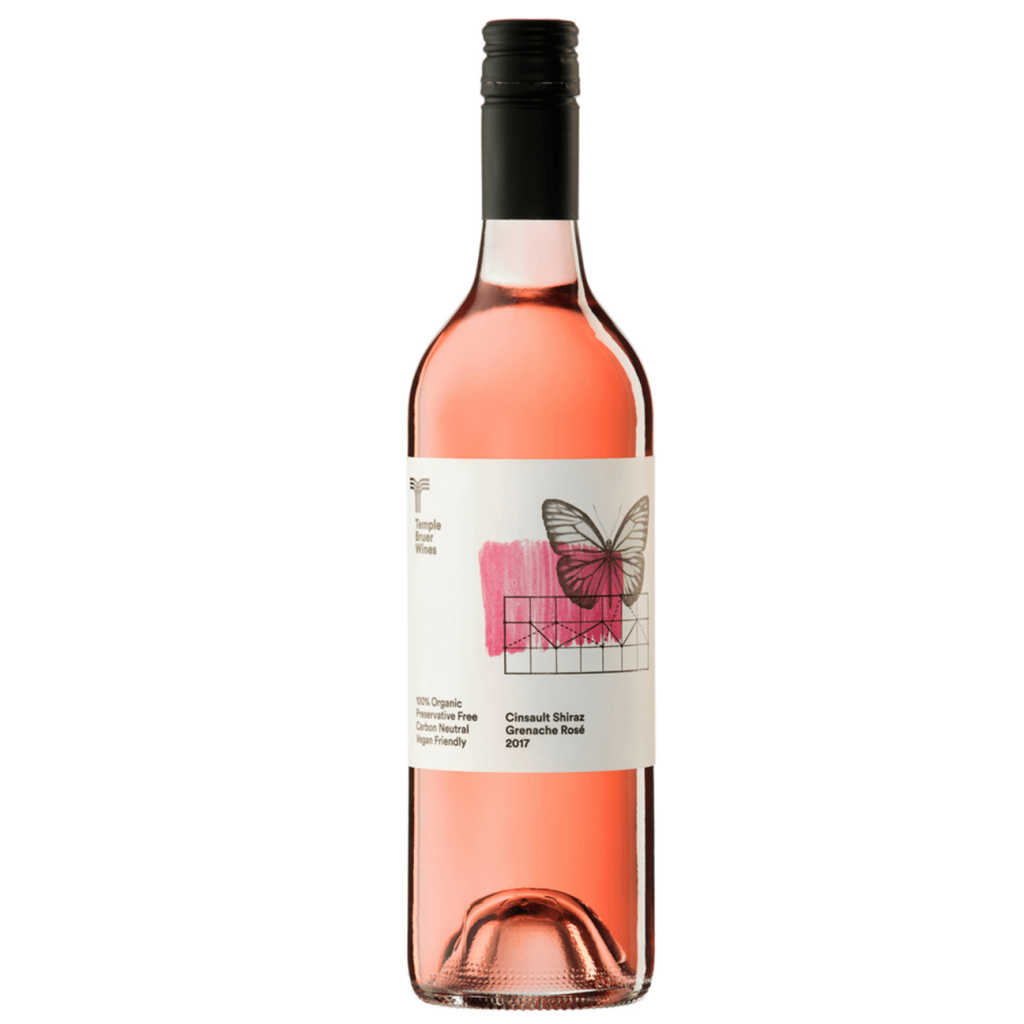
Temple Bruer Preservative Free Rosé
$22.33
/ bottle
$268.00 for a case of 12
Buy Cinsault Red Wine Online
Cinsault produces some of Southern France's most distinctive and food-friendly red wines, yet remains dramatically underappreciated globally. The variety flourishes across Mediterranean regions, creating wines of remarkable elegance, natural freshness, and surprising complexity. Contemporary serious producers increasingly dedicate resources to Cinsault, crafting expressions demonstrating the grape's genuine potential for producing wines rivalling more celebrated varieties in quality. Australian retailers increasingly stock quality Cinsault imports, connecting enthusiasts with expressions offering character and versatility at remarkably accessible pricing.
Shopping for Cinsault online reveals a category of genuine distinction experiencing quiet renaissance. The wines reward serious attention from collectors willing to explore beyond mainstream varieties, offering genuine world-class quality at prices encouraging exploration and genuine enjoyment.
Understanding Cinsault: History and Contemporary Recognition
Cinsault (also called Cinsualt, Cinsaut, or Oeillade historically) represents Mediterranean viticulture's most important undervalued variety. The grape likely originated in Southern France, spreading throughout Mediterranean regions and eventually reaching South Africa where it created Pinotage through crossing with Pinot Noir. For generations, Cinsault served as blending component, providing freshness and elegance to wines emphasizing other varieties' character.
This historical positioning as supporting player obscured Cinsault's genuine potential as serious standalone expression. The grape produces naturally low-alcohol wines (12 to 13.5% typically) with distinctive spicy, peppery character and natural high acidity. Thin to moderate skins provide soft tannins and bright color. These characteristics create wines of remarkable food compatibility, refreshing energy, and surprising complexity. Contemporary producers increasingly recognize these attributes, crafting serious Cinsault expressions of genuine sophistication.
Old vine Cinsault particularly deserves attention. Vines planted 50, 75, or 100+ years ago produce concentrated fruit of remarkable intensity. These aged vine expressions demonstrate Cinsault's genuine potential, producing wines of genuine complexity and character.
Cinsault's Distinctive Character
Cinsault delivers immediately recognizable character distinguishing it from other Provençal and Mediterranean varieties.
Color shows bright ruby to garnet, typically lighter than many red varieties yet deeper than most rosés. This visual distinction signals the wine's elegant, refreshing character whilst indicating genuine substance beneath the surface.
Aromatics emphasize red cherry, raspberry, and distinctive peppery, spicy character. Young Cinsault shows bright red fruit alongside white pepper, garrigue (wild herbs), leather, and mineral notes. Aged examples develop dried fruit, tobacco, and subtle earthy complexity. These aromatics create immediately recognizable identity separating Cinsault from Grenache's fruit-forward profile or Carignan's herbal intensity.
Palate structure defines Cinsault's identity. The variety produces naturally lower-alcohol wines with high acid, soft tannins, and bright fruit creating impression of freshness and energy. Young Cinsault often tastes bright and energetic with integrated tannins and vibrant acidity. This structure creates wines immediately approachable upon release yet improving gracefully with modest cellaring.
Texture tends toward crisp, elegant, and refreshing rather than heavy or powerful. Cinsault fills the palate with bright fruit and integrated tannins, creating impressive presence through complexity rather than raw power. This texture profile makes Cinsault exceptionally food-friendly, cutting through rich dishes whilst refreshing between bites with natural acidity.
Alcohol levels typically remain lower than most Mediterranean reds, typically 12 to 13.5%. This lower alcohol contributes to Cinsault's elegant character and food compatibility, making the wines work beautifully across dining contexts where heavier reds might overwhelm lighter preparations.
Aging trajectory distinguishes Cinsault's appeal. Young wines show promise and immediate approachability, yet improve gradually over 5 to 10 years. Aged examples develop secondary character and complexity, with original bright fruit supplemented by subtle leather, dried fruit, and mineral character. This gentle aging trajectory creates wines suitable for both immediate enjoyment and modest cellaring.
Cinsault Regions and Styles
Provence produces Cinsault showing particular elegance and freshness. The region's warm Mediterranean climate combined with maritime influences creates ideal ripening conditions for the variety. Provençal Cinsault typically emphasizes the wine's elegant, refreshing character, creating wines of remarkable food compatibility.
Bandol in Provence represents Cinsault's most celebrated expression, with the region's rocky soils and maritime influences creating wines of particular complexity and aging potential. Quality Bandol Cinsault ages beautifully over 8 to 15 years, developing remarkable secondary character. The appellation's regulatory minimum 50% Mourvèdre often overshadows Cinsault's contribution, yet the variety's freshness provides essential balance to Mourvèdre's power.
Languedoc produces Cinsault showing distinctive character reflecting the region's warmer conditions. These expressions often emphasize generous fruit character alongside the variety's characteristic spice and freshness.
Côtes de Provence produces lighter, fresher Cinsault emphasizing immediate approachability and refreshing character. These wines work beautifully for casual entertaining and everyday enjoyment.
South Africa produces Cinsault from older vine material, creating wines of particular character and complexity. South African expressions often emphasize ripe fruit alongside the variety's characteristic elegance, creating wines showing distinctive regional personality.
Cinsault Pricing and Remarkable Value
Cinsault pricing reveals exceptional opportunities, with quality appearing at remarkably accessible price points compared to equivalent expressions in more mainstream categories.
Entry-Level Cinsault (12 to 24 dollars) introduces the variety without significant investment. These younger releases show characteristic Cinsault brightness and elegance, drinking beautifully upon release. Online shopping for accessible Cinsault reveals producers crafting genuine quality at everyday pricing. These bottles work perfectly for casual entertaining, warm-weather sipping, and food pairing across diverse cuisines.
Quality Cinsault (24 to 45 dollars) represents where Cinsault becomes genuinely interesting for serious enthusiasts. This bracket features established Provençal producers with serious credentials, wines showing distinctive character and careful production attention. These bottlings possess sufficient complexity and character for genuine appreciation whilst maintaining Cinsault's characteristic accessibility. They age gracefully over 5 to 10 years, developing secondary complexity. When purchasing Cinsault online at this level, you're accessing expressions worthy of serious consideration at prices dramatically lower than comparable quality in celebrated alternatives.
Premium Cinsault (45 to 80 dollars) attracts serious collectors and special occasion purchases. Limited production from boutique makers, old vine expressions from renowned sites, and wines with proven aging potential. These bottles demonstrate Cinsault's genuine sophistication and collection value. Serious producer flagship expressions appear here, often showing remarkable consistency. These wines deserve thoughtful cellaring and reward patience developing secondary complexity over years.
Collector Cinsault (80 dollars and beyond) represents rare, aged bottlings from legendary producers commanding serious collector attention. Vintage Cinsault with significant bottle maturity occasionally appears, showing remarkable secondary character development.
Key Cinsault Producers Worth Exploring
Understanding important producers helps navigate selections when shopping online.
Domaines Ott in Provence produces distinctive Cinsault emphasizing elegance and freshness through careful winemaking respecting the variety's natural character.
Château de Pibarnon in Bandol produces serious Cinsault demonstrating the variety's aging potential and complexity through traditional approaches.
Domaine Tempier crafts distinctive Bandol showing Cinsault's genuine potential alongside Mourvèdre through commitment to terroir expression.
Paul Mas in Languedoc produces quality Cinsault at accessible pricing, demonstrating that serious quality appears beyond premium positioning.
Boekenhoutskloof in South Africa produces distinctive old vine Cinsault showing the variety's potential in different geographic contexts.
Quality extends far beyond established names. Many smaller producers craft remarkable Cinsault at significantly lower prices. Online shopping reveals opportunities to enthusiasts researching beyond celebrity labels.
Serving and Enjoying Cinsault
Temperature matters for Cinsault enjoyment. Serve between 12 and 14 degrees Celsius, allowing bright acidity and delicate aromatics to express fully. Slight chill emphasizes Cinsault's refreshing character, making the variety exceptional for warm-weather service and outdoor entertaining. Excessive chill suppresses subtle aromatics; warmer service allows fruit and spice to integrate more fully.
Decanting benefits young Cinsault minimally. Cinsault's soft tannins need no significant aeration. Simple opening and brief air exposure improves approachability without requiring decanting. Aged Cinsault rarely shows sediment, though careful decanting occasionally proves helpful.
Glassware impacts appreciation. Standard red wine glasses work beautifully, allowing adequate aeration and aromatic expression. Avoid small glasses; moderate-sized glasses allow proper breathing whilst capturing aromatics.
Food pairing showcases Cinsault's exceptional versatility and remarkable food-friendly nature. The wine's natural acidity, soft tannins, low alcohol, and distinctive character work with: roasted poultry, grilled fish, Mediterranean cuisine, herb-forward preparations, vegetable dishes, lighter game, mushroom preparations, and even moderately spicy foods. This versatility makes Cinsault perfect for entertaining across diverse menus. The variety's peppery character works particularly well with Provençal and Mediterranean cuisine, fresh herbs, and preparations emphasizing acidity and brightness.
Drinking windows emphasize immediate enjoyment. Most Cinsault shows optimal character within 1 to 3 years of release. Unlike wines requiring extended cellaring, Cinsault rewards fresh consumption whilst aging gracefully for those willing to cellar seriously.
Storage and Aging Cinsault
Optimal storage follows standard guidelines: maintain consistent temperatures between 10 and 14 degrees Celsius, away from direct light. Horizontal bottle position keeps corks moist across cellaring periods. Most Cinsault consumes best within 3 to 5 years, though quality expressions age gracefully.
Aging potential varies by producer and specific bottling. Quality expressions improve modestly over 5 to 10 years, with secondary character developing gradually. Unlike high-tannin varieties developing dramatic character change, Cinsault ages gently, becoming slightly more complex whilst maintaining youthful character.
Vintage variation affects Cinsault meaningfully. Warm years produce riper wines with slightly lower acidity, whilst cooler vintages create more structured expressions maintaining characteristic freshness. Understanding vintage character helps purchasing decisions.
Bottle development reveals gradual transformation. Young wine's bright acidity and fresh fruit dominate. Over modest cellaring, fruit integrates slightly, secondary flavors emerge gradually, and overall wine becomes marginally more sophisticated. Aged bottles show leather, dried fruit, and subtle earthiness supplementing original brightness.
Why Cinsault Deserves Serious Attention
Cinsault represents opportunity for enthusiasts seeking food-friendly alternatives to mainstream red wine categories. The grape's natural elegance, refreshing character, and remarkable food compatibility create appeal across diverse dining contexts. This distinctive positioning creates genuine value for enthusiasts willing to explore beyond familiar names.
The variety's lower alcohol levels appeal to contemporary drinkers seeking balance over power. Cinsault's naturally lower alcohol combined with characteristic freshness creates wines suited to longer drinking sessions and diverse food pairings where heavier reds might overwhelm.
Contemporary Provençal producers increasingly recognize Cinsault's legitimate place among the region's most important varieties, crafting serious expressions challenging historical perceptions. This emerging focus offers opportunity to discover undervalued quality before broader recognition inevitably follows.
Shopping for Cinsault at Cellars
Our Cinsault selection features Provençal producers crafting the variety with genuine intention, from established Bandol expressions to accessible Provence bottlings demonstrating Cinsault's remarkable versatility. Browse selections from quality-focused producers, access detailed tasting notes describing flavor profiles and food pairing suggestions, compare regions and styles across diverse price points, and trust that proper storage ensures bottles arrive in pristine condition.
Whether exploring Cinsault for the first time, building a collection focused on undervalued Southern French wines, or seeking food-friendly red expressions with remarkable versatility, our online Cinsault selection offers quality and diversity worth investigation. Cinsault delivery direct to your home combines specialist retailer knowledge with genuine convenience. Shop for Cinsault online at your leisure, access descriptions guiding confident purchasing, discover producer philosophies and regional characteristics, and have everything delivered safely.
Start shopping for Cinsault online today and discover why contemporary serious producers increasingly recognize this elegant Mediterranean grape's remarkable potential for producing wines of genuine complexity, distinctive character, and exceptional food compatibility at remarkably accessible pricing.
Read More
 Shiraz
 Cabernet Sauvignon
 Pinot Noir
 Grenache
 Merlot
 Red Wine Blends
 Chardonnay
 Riesling
 Pinot Gris
 Semillon
 Viognier
 Grenache Rosé
 Pinot Noir Rosé
 Shiraz Rosé
 Sangiovese Rosé
 Aglianico Rosé
 Clairette Rose
 Champagne
 Prosecco
 Sparkling Shiraz
 Blanc de Blanc
 Blanc de Noir
 Pet Nat
 Moscato
 Topaque
 Port
Port Sherry (dry & sweet)
 Muscat & Tokay
 Vermouth