 0473 644 098 · Mon–Fri 9am–5pm AESTHelp & FAQ


Best Wine with Beef: How to Pair Steak, Roast Beef and Slow‑Cooked Dishes

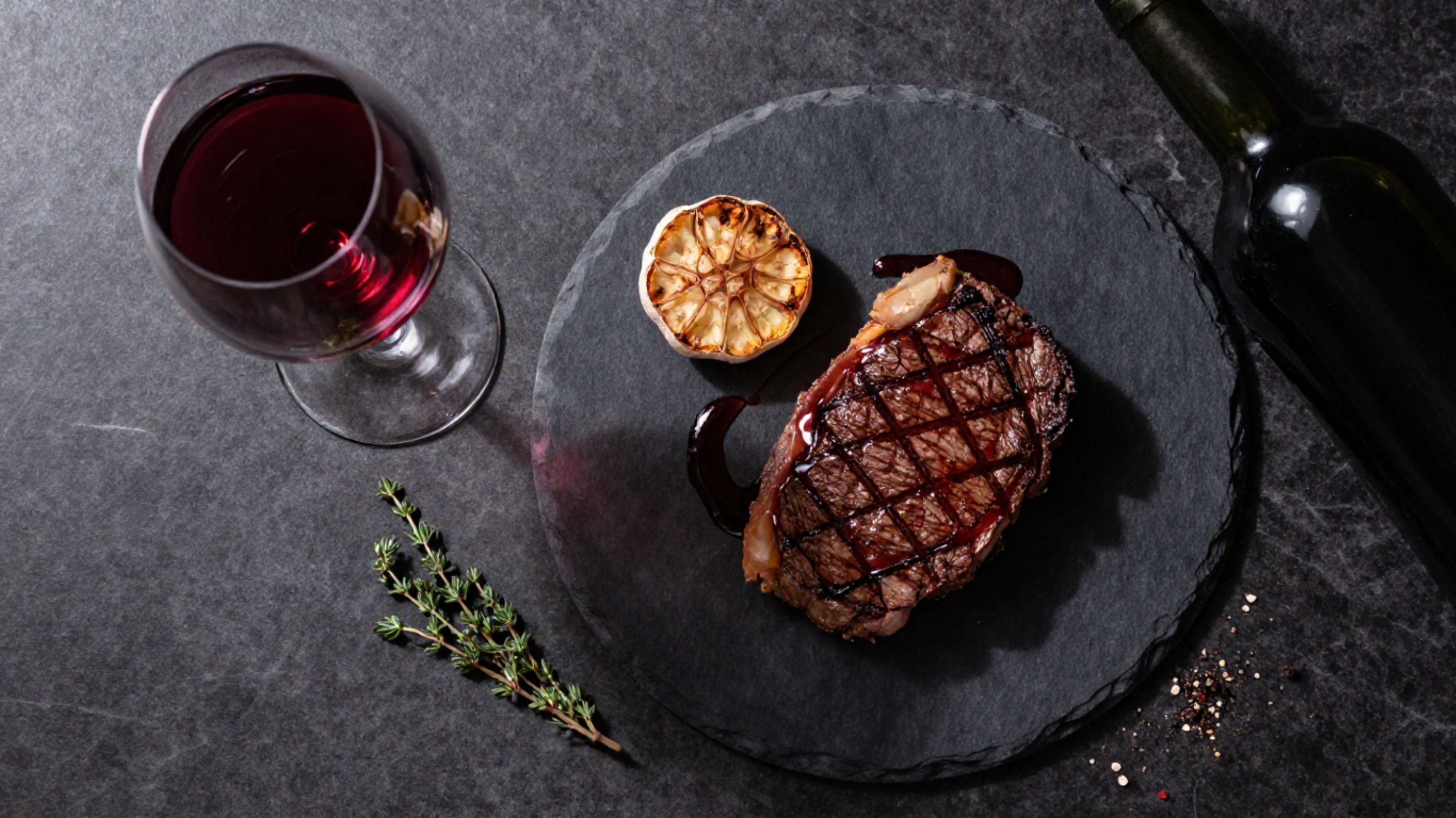
Best Wine with Beef: A Complete Guide to Pairing Steak, Roast Beef and Slow-Cooked Dishes
Pairing wine with beef seems straightforward at first glance, yet the best matches depend less on the simple idea of “red wine with red meat” and more on fat, texture, cooking method and sauce. Beef can handle more structure than fish or chicken, but not every cut wants the same kind of bottle, which is why a ribeye, a roast and a beef curry all call for very different wines. Get the balance right and the wine sharpens the flavour of the meat, softens richness and brings the whole dish into better focus.
How to Pair Wine with Beef: Fat, Tannin and Cooking Style
The classic reason red wine works so well with beef lies in tannin and fat. Tannins bind with protein and fat, which can make a structured red feel smoother and more harmonious when served with a rich cut of meat. That is why marbled beef often loves Cabernet Sauvignon or Shiraz, whilst leaner cuts usually look better with softer, more restrained reds.
Cooking style matters just as much. A chargrilled steak brings smoke and caramelisation, a braise builds savoury depth and gelatinous texture, and a raw preparation like carpaccio calls for freshness and delicacy rather than sheer power. The best pairings come from reading the whole dish, not just the animal on the plate.
Best Wine with Steak
When most drinkers think about beef and wine, steak is usually where the conversation begins. Yet here is the crucial reality: different cuts behave differently, and the wine should follow the structure of the meat rather than a one‑size‑fits‑all rule.
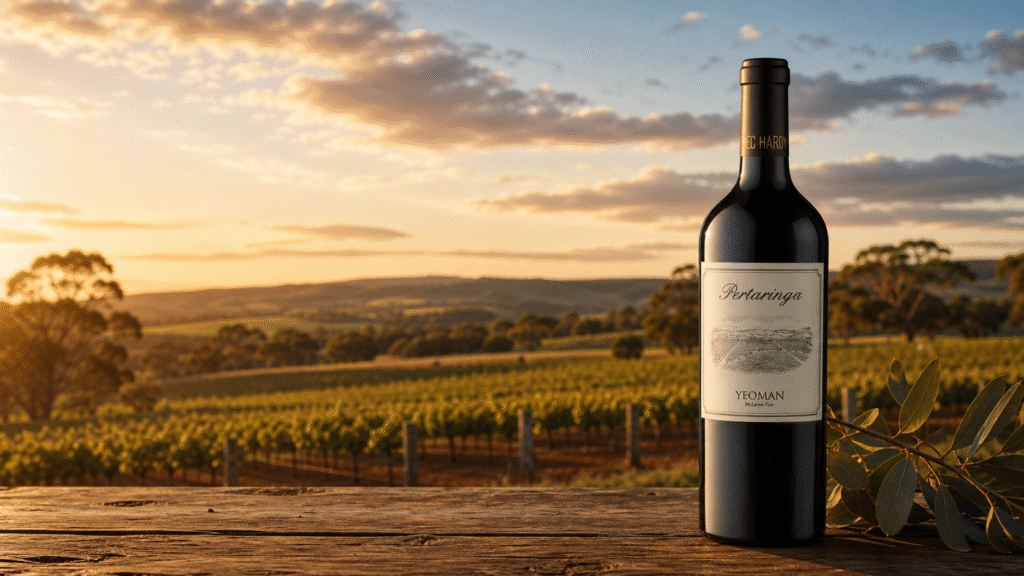
For rich, marbled cuts such as ribeye or scotch fillet, full‑bodied reds with firm tannin and good acidity tend to be the natural fit. Cabernet Sauvignon, Shiraz and robust blends all have the grip and weight to stand beside the beef without fading into the background. This is the sort of section where phrases such as explore Australian Cabernet Sauvignon or shop bold Australian Shiraz can sit comfortably inside the copy.
Leaner steaks like eye fillet need a gentler hand. Because the cut is more delicate and less fatty, a powerful red can dominate, whereas Pinot Noir, Merlot, cooler‑climate Syrah or Cabernet Franc often bring better proportion. For porterhouse, rump and T‑bone, the middle ground opens up nicely, with Tempranillo, Sangiovese, Malbec and medium‑ to full‑bodied Australian reds all making strong cases. A useful prompt in this part of the article could be browse premium red wine for steak night or discover Australian Malbec and Shiraz.
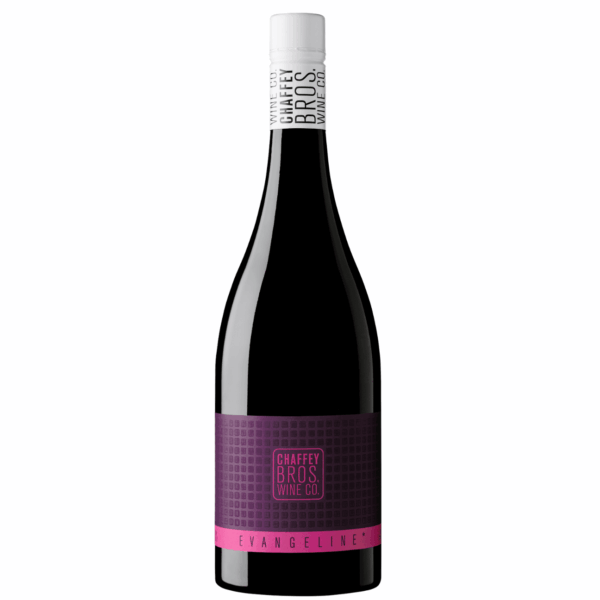 $38.83
/ bottle
$233.00 for a case of 6
$38.83
/ bottle
$233.00 for a case of 6
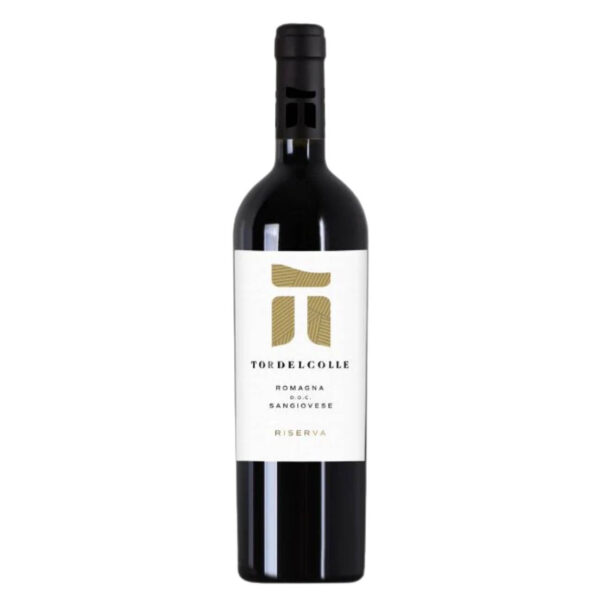 $31.33
/ bottle
$188.00 for a case of 6
$31.33
/ bottle
$188.00 for a case of 6
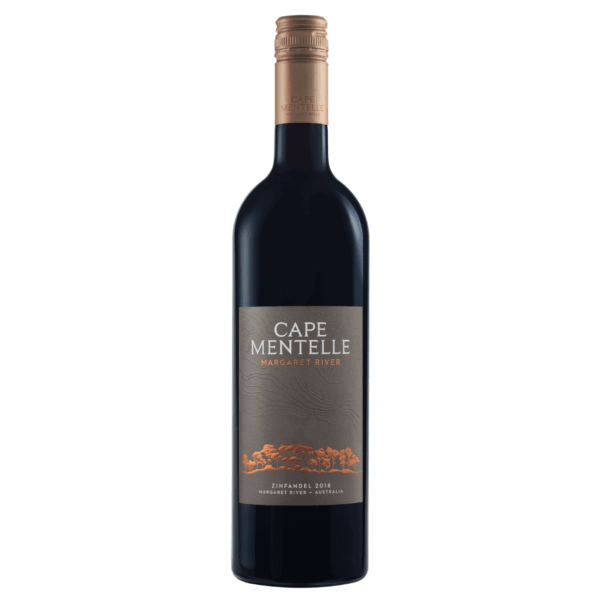 $58.67
/ bottle
$352.00 for a case of 6
$58.67
/ bottle
$352.00 for a case of 6
Cape Mentelle Zinfandel
Shipped by
Oatley Fine Wine Merchants
$58.67
/ bottle
$352.00 for a case of 6


 $42.00
/ bottle
$252.00 for a case of 6
$42.00
/ bottle
$252.00 for a case of 6
 $31.17
/ bottle
$187.00 for a case of 6
$31.17
/ bottle
$187.00 for a case of 6

 $37.83
/ bottle
$227.00 for a case of 6
$37.83
/ bottle
$227.00 for a case of 6
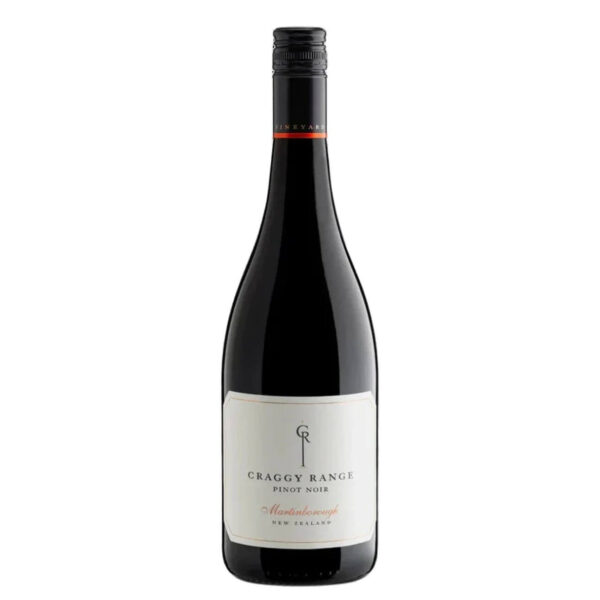
Craggy Range Martinborough Pinot Noir
Shipped by
Joval Wines
$37.83
/ bottle
$227.00 for a case of 6
 233 pts
 Best Wine with Roast Beef and Sunday Roasts
Roast beef asks for something slightly different from steak. The textures are softer, the flavours are more rounded, and the supporting cast, gravy, roast potatoes, carrots, Yorkshire puddings or herbs, shapes the pairing as much as the beef itself.
This is where savoury, structured reds with a little polish can really shine. Cabernet Sauvignon, Cabernet Merlot blends, Tempranillo and Sangiovese all make sense because they bring enough tannin to handle the meat, but also enough acidity and savoury edge to work with roast vegetables and jus. A mature Australian red can be especially compelling here, because bottle age softens tannin and introduces dried herb, cedar and earthy notes that feel entirely at home beside roast beef. In practical terms, it is easy to fold in phrases such as find Australian Cabernet blends online or buy cellar-worthy red wine for roast beef.
If the roast is served with a peppercorn sauce or something more assertive, Shiraz becomes even more persuasive. The grape’s pepper, dark fruit and spice often echo the seasoning on the plate rather than merely accompanying it.
Best Wine with Slow-Cooked Beef, Braises and Beef Cheeks
Slow‑cooked beef is where richer styles really come into their own. Beef cheeks, braised brisket, short ribs, osso buco and red wine ragù all build flavour through time, concentrating savouriness and creating a texture that is soft, sticky and deeply satisfying.
These dishes usually want reds with depth and generosity rather than delicate nuance. Shiraz, Grenache blends, Malbec and fuller styles of Tempranillo all work well because they bring body, dark fruit and enough structure to hold their own against dense sauces and long reductions. In Australian terms, this is ideal territory for shop Barossa Shiraz for slow-cooked beef or explore McLaren Vale Grenache blends.
Yet here is something genuinely useful to remember: not every braise needs a blockbuster. If the dish leans more toward tomato, herbs and Mediterranean flavours, Sangiovese can be a sharper, more intelligent choice, thanks to its acidity and savoury profile. That gives you space for a more varied nudge such as see Italian-inspired Australian reds rather than leaning on the same varieties each time.
Best Wine with Burgers, Meatballs and Casual Beef Dishes
Casual beef dishes deserve serious attention because they often contain more moving parts than a plain steak. Burgers bring cheese, sauces, pickles and sweetness. Meatballs may involve tomato. Tacos can introduce spice, herbs and smoke.
Juicy, fruit‑driven reds with moderate tannin often perform best here. Grenache, approachable Shiraz, Zinfandel‑style reds, Malbec and even some brighter Cabernet Franc can all work because they bring energy and fruit without drying out the palate. For burgers in particular, a wine that feels lively matters more than one chasing sheer scale, which makes buy vibrant Australian Grenache online or pick a fruit-forward red for burgers more fitting than the heavier calls used in a steak section.
Tomato‑based dishes like beef meatballs or lasagne push the pairing slightly differently. Acid becomes more important, which is why Sangiovese and Tempranillo can outperform broader, softer reds in these contexts.
Best Wine with Lean Beef, Carpaccio and Beef Tartare
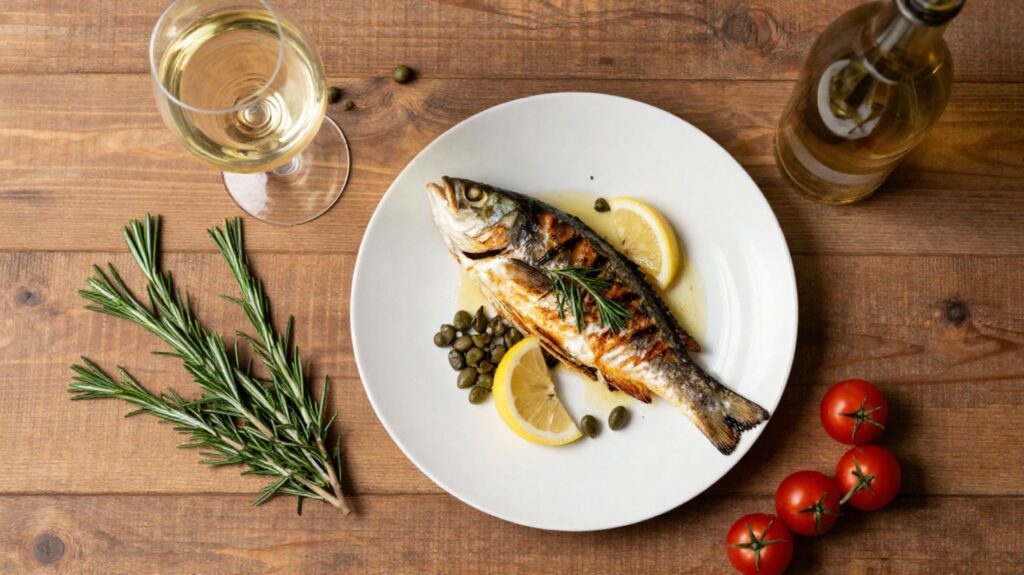
Not all beef dishes are heavy. Carpaccio, tartare, tataki and lighter beef salads often rely on freshness, olive oil, herbs, capers, mustard or citrus rather than richness alone. Pair them too aggressively and the wine overwhelms the refinement that makes these dishes appealing in the first place.
This is where lighter reds and even unexpected styles come into play. Pinot Noir, Gamay, softer Merlot and some dry rosés can be excellent, especially when served at a slightly cooler temperature. One Australian sommelier guide also notes that rosé suits raw beef dishes particularly well, and that richer whites such as oaked Chardonnay can work with creamy beef preparations like stroganoff. That opens a much broader field than the usual steakhouse script and gives you room for phrases like explore Australian Pinot Noir for lighter beef dishes, shop dry rosé for carpaccio or find textured Chardonnay for creamy beef dishes.
Uncommon Beef and Wine Pairings That Actually Work
The old rules are useful, but they are not complete. One of the more interesting shifts in modern pairing advice is the willingness to let white wine, rosé and lower‑tannin reds take on beef in the right circumstances.
Wagyu, for example, can handle acidity as much as tannin because of its richness, meaning a lighter but fresher red may work better than a hulking, over‑oaked wine. Spicy beef dishes, including curries and stir‑fries, often behave better with wines carrying a touch of sweetness, such as Gewürztraminer, because sweetness calms chilli heat in a way dry tannic reds often cannot. Beef stroganoff can succeed with a rich white like Chardonnay, and orange wine can sometimes stand in for red because of its tannin, savouriness and grip.
These less expected combinations make the article more useful because they reflect how people actually cook and eat, not just how steakhouse rituals have trained them to think. They also create room for more varied calls to action, such as browse aromatic white wines for spicy beef dishes, try skin-contact wines with savoury food or choose cooler-climate reds for wagyu.
Pairing Wine with Beef Is Really About Reading the Whole Plate
Beef may be more forgiving than seafood, but the finest pairings still come from paying attention to detail. Fat, smoke, spice, sauce and side dishes all matter, and the most successful wine is usually the one that mirrors the rhythm of the whole plate rather than simply matching the meat.
That is why Cabernet Sauvignon and Shiraz will always have their place, but so will Pinot Noir, Sangiovese, rosé and, occasionally, even Chardonnay. Once readers understand that pairing beef with wine is really a matter of texture, intensity and balance, they can move beyond clichés and choose bottles with far more confidence.


 Shiraz
 Cabernet Sauvignon
 Pinot Noir
 Grenache
 Merlot
 Red Wine Blends
 Chardonnay
 Riesling
 Pinot Gris
 Semillon
 Viognier
 Grenache Rosé
 Pinot Noir Rosé
 Shiraz Rosé
 Sangiovese Rosé
 Aglianico Rosé
 Clairette Rose
 Champagne
 Prosecco
 Sparkling Shiraz
 Blanc de Blanc
 Blanc de Noir
 Pet Nat
 Moscato
 Topaque
 Port
Port Sherry (dry & sweet)
 Muscat & Tokay
 Vermouth