 0473 644 098 · Mon–Fri 9am–5pm AESTHelp & FAQ


How IWSC 2026 Is Shaping the Next Generation of Global Wine Styles”


The IWSC 2026 results do more than hand out medals; they quietly map where global wine styles are heading. For Australian readers trying to make sense of shelves and search results, those patterns are genuinely useful when deciding what to open next or when you buy Chardonnay online in Australia.
IWSC 2026 wine trends: why this competition matters
The International Wine & Spirit Competition has become one of the few truly global benchmarks for quality. Wines are tasted blind by mixed panels of sommeliers, Masters of Wine, winemakers and buyers, then scored and grouped into bronze, silver and gold medals, with a small set of trophies at the very top. Because entries arrive from every major producing country, the final lists act as a snapshot of how styles are evolving rather than just who won this year’s beauty contest.
For everyday drinkers this can sound abstract, but the implications are practical. If judges are consistently rewarding fresher reds, taut cool‑climate whites and more finely balanced fortifieds, that is a strong hint about where quality is concentrating. When you later sit down to compare Australian Chardonnay wines online or weigh up two different Shiraz styles, knowing these trends gives you a frame for reading the labels and tasting notes.
Trend one: fresher, brighter red wine styles
One of the clearest shifts in recent years has been the move away from over‑extracted, high‑alcohol reds towards wines with lift, fragrance and drinkability. Judges are still rewarding depth and concentration, but they are becoming less forgiving of heaviness and overt sweetness. That plays out in the strong performance of regions that champion medium‑bodied reds with savoury edges: think cool‑climate Syrah, refined Cabernet, and Grenache that leans into spice and red fruit rather than jam.
For Australian drinkers this has obvious implications. Barossa and McLaren Vale Shiraz remains an important benchmark, but there is now more space in the conversation for Yarra Valley Syrah, Canberra District Shiraz and Adelaide Hills or Heathcote expressions that show pepper, violet and fine tannins instead of sheer density. When you browse a retailer and find two Shiraz options at the same price, the one emphasising freshness, whole‑bunch perfume and moderate alcohol is likely closer to where global judging panels are pointing.
If your instinct is always to reach for the biggest red on the page, this trend invites a small course correction. Try building a mixed case that includes at least one cool‑climate Shiraz, a serious Grenache and a classic Cabernet to see how these brighter styles sit across a few meals. Over time, that mix will often feel more versatile and less tiring than an all‑blockbuster line‑up.
Trend two: cool-climate Chardonnay comes into its own
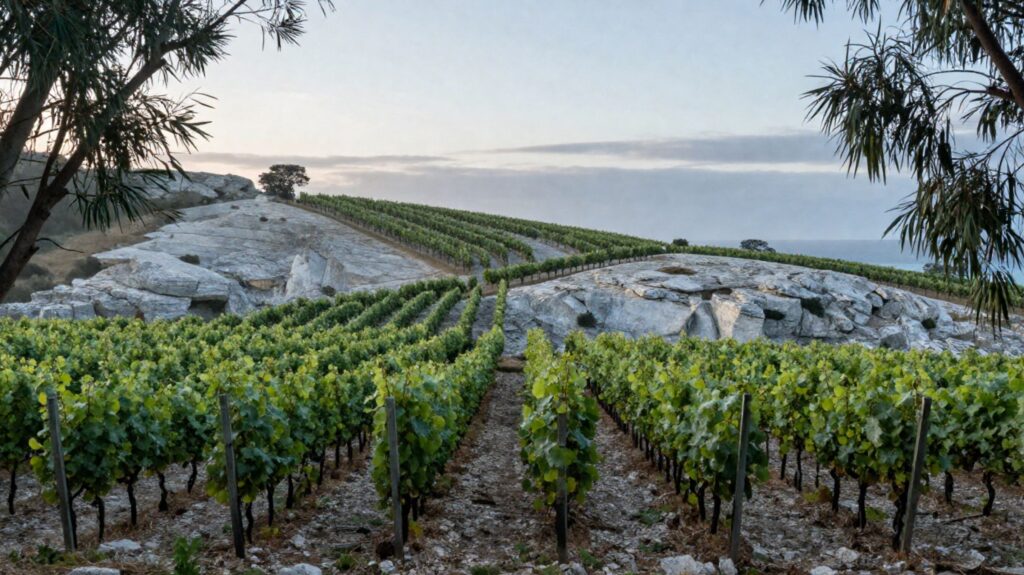
Chardonnay has long been the white grape that competitions love to dissect, and the direction of travel is now quite clear. The strongest performers tend to be wines that balance ripe stone fruit with controlled oak, bright acidity and some kind of mineral or saline line. Heavy butter and overt vanilla are no longer the markers of quality they once were; judges increasingly look for shape and energy.
This is very good news if you regularly buy Chardonnay online in Australia, because local producers have been quietly refining this exact style for more than a decade. Regions such as Margaret River, the Yarra Valley, Geelong, Adelaide Hills and Tasmania are now turning out Chardonnays that can stand comfortably beside Burgundy and California in blind tastings. They show lemon and grapefruit, white peach, nougat and flint, wrapped around a spine of acidity that keeps each sip precise.
For readers who like to find top-rated Chardonnay white wines, there are two practical takeaways. First, cool‑climate Australian Chardonnay is no longer a niche; it is one of the country’s most competitive categories internationally. Second, when you scan product descriptions, look for signals like “handpicked”, “whole‑bunch pressed”, “wild ferment”, “French oak”, “fine acidity” and “mineral finish”. These are the hallmarks of the modern style being rewarded on the global stage, and they translate directly into food‑friendly, age‑worthy bottles at home.

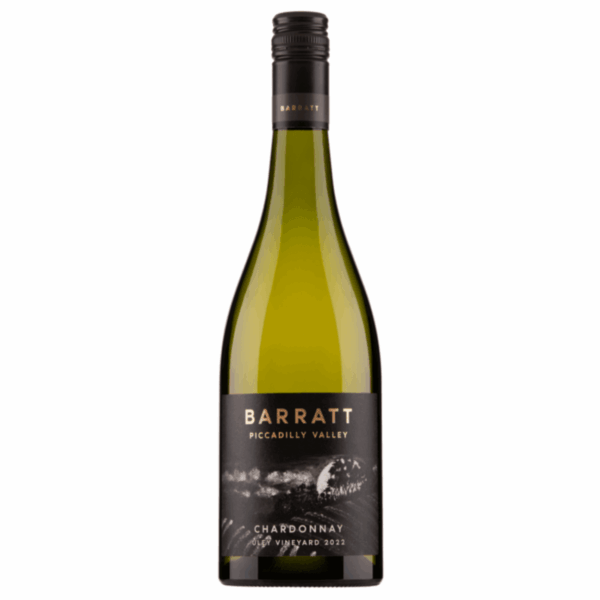 $37.33
/ bottle
$224.00 for a case of 6
$37.33
/ bottle
$224.00 for a case of 6
 $24.83
/ bottle
$149.00 for a case of 6
$24.83
/ bottle
$149.00 for a case of 6
Hay Shed Hill Vineyard Series Morrison's Gift Chardonnay /
Shipped by
Wines Australia
$24.83
/ bottle
$149.00 for a case of 6
 $47.67
/ bottle
$286.00 for a case of 6
$47.67
/ bottle
$286.00 for a case of 6
McHenry Hohnen Laterite Hills Chardonnay
Shipped by
Wine Cellars
$47.67
/ bottle
$286.00 for a case of 6
 $32.75
/ bottle
$393.00 for a case of 12
$32.75
/ bottle
$393.00 for a case of 12
Freycinet Wines Louis Chardonnay /
Shipped by
Wines Australia
$32.75
/ bottle
$393.00 for a case of 12


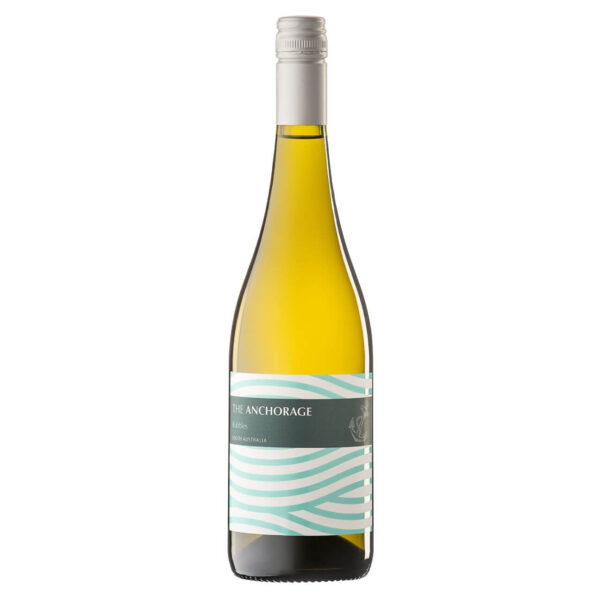 $10.67
/ bottle
$128.00 for a case of 12
$10.67
/ bottle
$128.00 for a case of 12
The Anchorage Bubbles NV
Shipped by
Vintage House Wine & Spirits
$10.67
/ bottle
$128.00 for a case of 12
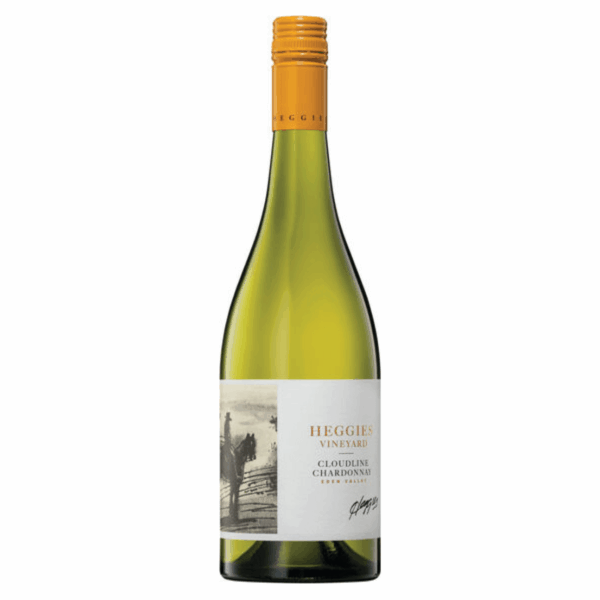 $23.33
/ bottle
$140.00 for a case of 6
$23.33
/ bottle
$140.00 for a case of 6
 224 pts
 Trend three: renewed respect for aromatic whites and Riesling
Aromatic whites, particularly Riesling, have sometimes been overlooked by casual drinkers even as critics and sommeliers quietly adore them. Competition results suggest that gap is beginning to close. Judges continue to award a high proportion of medals to Rieslings that show piercing acidity, lime and lemon drive, and the ability to evolve for years without losing their nerve. Other aromatic varieties such as Grüner Veltliner, Fiano, Albariño and Gewürztraminer are also gaining ground, especially when they are made dry and textural rather than sweet and simple.
Australia is very well positioned here. Clare Valley and Eden Valley Rieslings can match almost anything internationally for clarity and longevity, while regions like Canberra, Adelaide Hills and Tasmania are experimenting with newer varieties that sit in the same fresh, high‑acid space. For a drinker used to shopping almost exclusively for Chardonnay, dipping into these styles is one of the easiest ways to broaden a cellar without spending more money.
From a practical perspective, if you are assembling an order and find yourself with a cart full of Chardonnay, consider swapping one or two bottles for a serious Riesling or alternative aromatic white. Look for descriptions mentioning “dry”, “lime”, “steely”, “saline” or “crunchy acidity”. Those wines will often over‑deliver at the table, especially with seafood, salads and lighter Asian dishes.
Trend four: sparkling wine beyond Champagne
Competitions like the IWSC have long had categories for sparkling wines, but recent years show an increasingly diverse medal spread. Traditional‑method sparkling from regions outside Champagne now regularly collects top awards, with examples from England, Tasmania, Franciacorta, Trentodoc and cool‑climate corners of the New World standing out. Judges reward wines that combine fine bubbles, bready complexity from lees ageing, and the kind of brisk acidity that makes sparkling refreshing rather than cloying.
For Australian drinkers, one of the clearest messages here is that domestic sparkling, particularly from Tasmania and other cool southern regions, is no longer a consolation prize when Champagne is out of budget. These wines can offer laser‑cut citrus, apple and brioche notes, often at friendlier prices, and they are increasingly seen on the same tasting mats as their French counterparts.
When looking to compare Australian Chardonnay wines online, it is worth including sparkling alongside still bottles. Many top sparkling producers use Chardonnay‑dominant blends or pure Blanc de Blancs built on Chardonnay alone. That means you can effectively explore another face of the grape: the same cool‑climate tension and citrus precision, expressed through bubbles and autolytic complexity instead of still‑wine texture.
Trend five: fortifieds and sweet wines in quiet resurgence
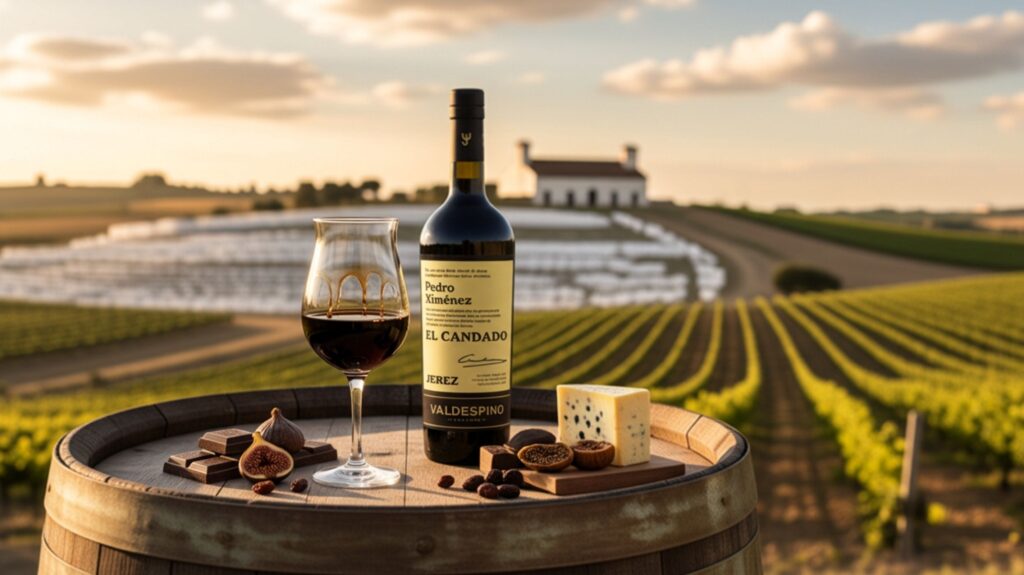
Another subtle but important trend is the renewed appreciation for fortified and sweet wines. These categories will never command the volume of dry table wine, but judges increasingly highlight well‑made examples for their intensity, balance and ability to age. Classic styles such as vintage and tawny Port, Sherry, Tokaji and late‑harvest Riesling continue to perform, joined by more modern interpretations of these ideas from outside Europe.
Australia has a proud history here, particularly with Rutherglen fortifieds and historic stickies from various regions. For a long time these wines were treated as curiosities; now they are seen as serious, contemplative bottles that can anchor the end of a meal or a special occasion. A small number of producers are also experimenting with lighter, more aromatic sweet wines that pair well with cheese or fruit‑based desserts without becoming cloying.
If your cellar is currently all dry reds and whites, consider adding just one fortified or sweet bottle to your next order. It is an inexpensive way to introduce another dimension to your drinking and, handled properly, these wines keep well once opened, so they can be enjoyed over multiple evenings.
How to turn IWSC trends into smart buying decisions
Taken together, these trends suggest a clear direction: freshness over heaviness, precision over excess, and balance over brute force. For someone browsing a retailer and trying to make sense of dozens of options, that philosophy can be a useful filter.
When you buy Chardonnay online in Australia, lean towards cool‑climate regions and producers whose notes talk about tension, minerality and fine oak rather than sheer ripeness. When you weigh up reds, do not be afraid of wines described as medium‑bodied, fragrant or savoury; those are often the bottles that judges and sommeliers quietly take home for themselves. And when you find top-rated Chardonnay white wines or a well‑reviewed Riesling on a product page, remember that these styles are part of a broader shift in what global competitions are rewarding, not just isolated critical enthusiasm.
Most importantly, treat the IWSC and similar competitions as guides, not commandments. The point is not to chase every gold medal winner, but to use these signals to explore styles and regions you might otherwise miss. If that journey leads you from a familiar Adelaide Hills Chardonnay to a Tasmanian sparkling, a Clare Valley Riesling and a peppery cool‑climate Shiraz, then the competition has already done its job, long before you ever see the medal on a label.

 Shiraz
 Cabernet Sauvignon
 Pinot Noir
 Grenache
 Merlot
 Red Wine Blends
 Chardonnay
 Riesling
 Pinot Gris
 Semillon
 Viognier
 Grenache Rosé
 Pinot Noir Rosé
 Shiraz Rosé
 Sangiovese Rosé
 Aglianico Rosé
 Clairette Rose
 Champagne
 Prosecco
 Sparkling Shiraz
 Blanc de Blanc
 Blanc de Noir
 Pet Nat
 Moscato
 Topaque
 Port
Port Sherry (dry & sweet)
 Muscat & Tokay
 Vermouth