 0473 644 098 · Mon–Fri 9am–5pm AESTHelp & FAQ


Grenache Blanc in Australia: From Curiosity to Serious Contender

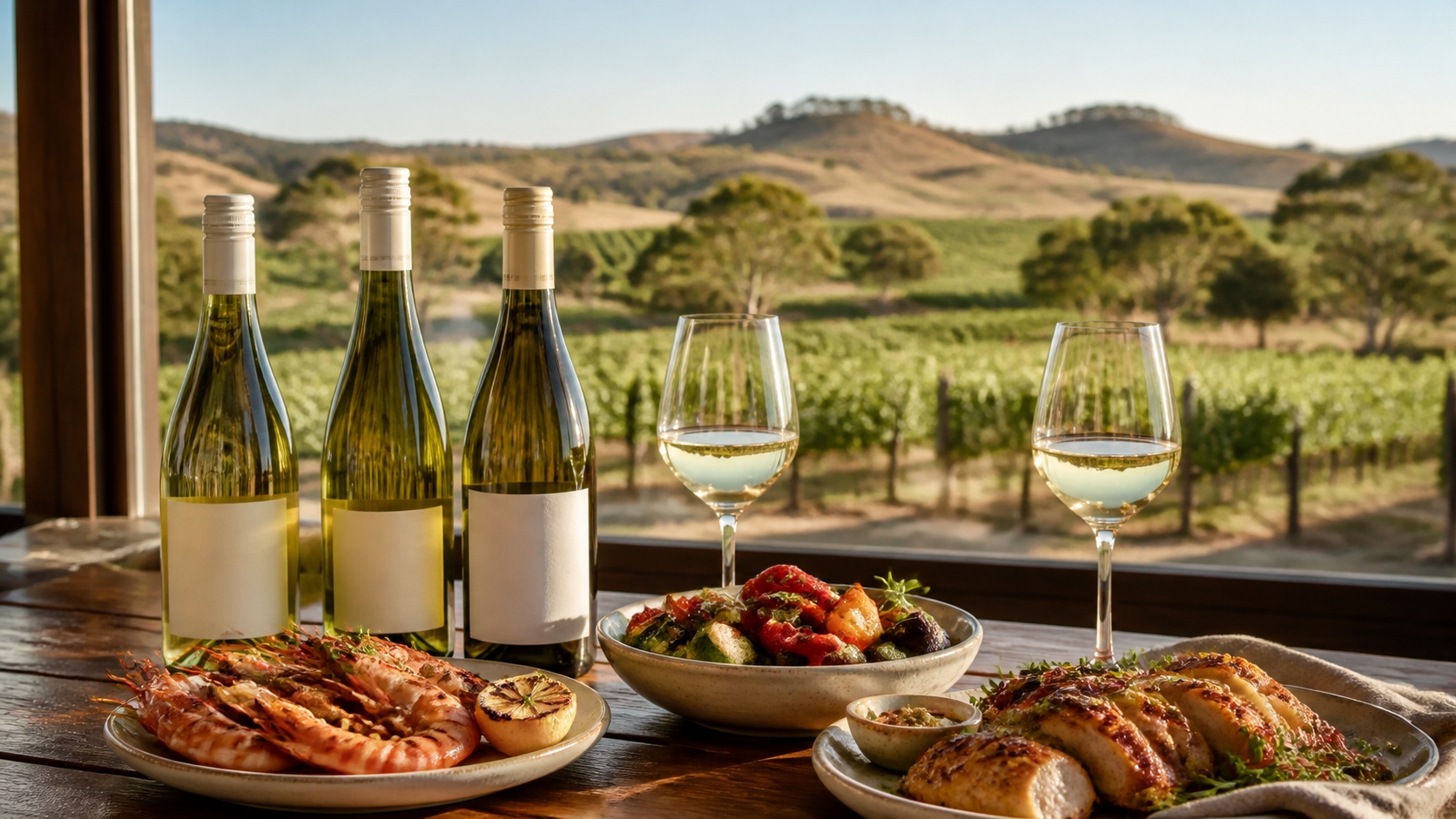
Grenache Blanc has quietly moved from curiosity to serious contender in Australia, especially in warmer regions looking for whites with flavour, texture and resilience in a hotter, drier climate. It is still a niche, but it is increasingly a niche that matters.
What is Grenache Blanc and why does it suit Australia?
Grenache Blanc is the white‑skinned cousin of Grenache Noir, best known in the southern Rhône, Languedoc and parts of Spain. It naturally offers medium body, gentle acidity, stonefruit and citrus flavours, often with a subtle herbal or anise edge. Crucially for Australian growers, it is relatively drought tolerant and retains freshness even in warm sites when handled thoughtfully.
That profile makes a lot of sense in contemporary Australian viticulture. Many established white varieties were planted for a cooler era, or for a market that mainly wanted very crisp or very neutral wines. Grenache Blanc sits in between: it gives weight and texture without needing searing acidity, and it can make wines that are both refreshing and genuinely satisfying at the table. For drinkers bored with yet another tank‑fermented Sauvignon Blanc, it feels new but not alien, familiar yet clearly different.
As more producers plant Mediterranean varieties to prepare for climate change and shifting tastes, Grenache Blanc has started appearing in cutting‑edge blends and, increasingly, as a stand‑alone varietal. This is why it now makes sense for enthusiasts to buy Grenache Blanc online, not as a one‑off experiment but as a serious option alongside well‑known white grapes.
Grenache Blanc regions in Australia: where it’s taking root
Plantings are still modest compared with Chardonnay or Riesling, but Grenache Blanc is appearing in a cluster of logical places. Warm, Mediterranean‑influenced regions such as the Barossa Valley, McLaren Vale and parts of Riverland and Riverina have been early adopters. In these areas, growers already understand Grenache as a red variety and are comfortable with the viticultural decisions it demands: canopy management, water use, picking decisions and yield control to maintain balance.
A second wave of interest is emerging in slightly cooler but still sun‑drenched regions where producers want textural whites that complement, rather than copy, classic varieties. Here, Grenache Blanc can bring mid‑palate weight and phenolic interest to blends with Marsanne, Roussanne or Clairette, giving winemakers tools to craft serious yet approachable wines that work beautifully with modern Australian food.
Because the grape is still relatively rare, consumers are unlikely to find rows of Grenache Blanc on supermarket shelves. Most bottlings sit in independent retailers, specialist online stores and cellar doors. That is precisely why it helps to discover Australian Grenache Blanc from all regions via retailers who curate these wines and explain their differences, rather than expecting them to leap out in the mass market.
Australian Grenache Blanc styles: from crisp and bright to textured and savoury
One of the most appealing aspects of Grenache Blanc in Australia is how stylistically flexible it is. In the cellar, winemakers can push it toward bright, citrus‑driven, stainless‑steel expressions or toward richer, more layered wines with barrel work, lees aging and partial malolactic fermentation.
At the fresher end, Grenache Blanc can taste of green apple, nashi pear, lemon zest and light florals, with a gently chalky finish. These versions are ideal for summer drinking, seafood and lighter dishes. They suit people who normally reach for Pinot Grigio, but want more interest and weight without losing refreshment. This is where a category like shop Australian Grenache Blanc white wine really shines, because it allows drinkers to compare several bright, clean bottlings side by side.
At the more textural end, especially when blended with Marsanne and Roussanne or raised in large old oak, Grenache Blanc can develop notes of stonefruit, fennel, almond, chamomile and beeswax, with a fine phenolic grip that feels almost like green tea or tonic water on the finish. These wines behave more like serious Rhône whites or modern, restrained Chardonnay. They are built for the table, not just for the esky.
Australian winemakers are increasingly comfortable playing along this spectrum. Some bottle Grenache Blanc solo to spotlight the grape’s character; others use it as the backbone of complex white blends. For consumers, the key is to read producer notes carefully and pay attention to cues like “textural”, “old oak”, “Rhone‑inspired” or “phenolic grip” to anticipate where on that spectrum a given bottle might sit.

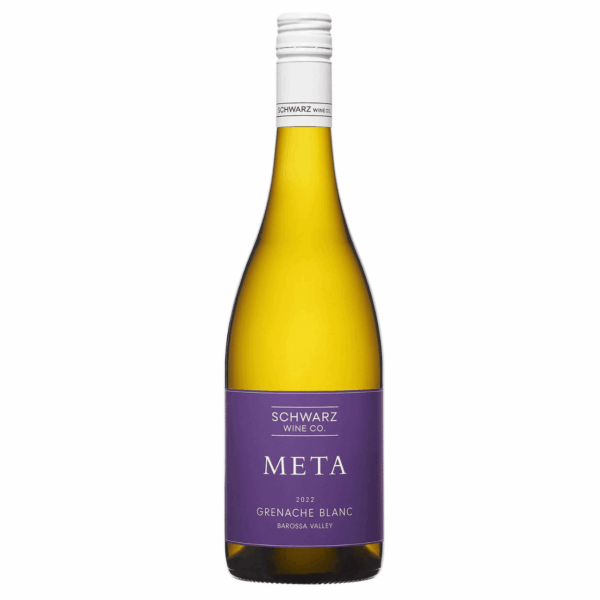
 $28.25
/ bottle
$339.00 for a case of 12
$28.25
/ bottle
$339.00 for a case of 12


 $23.83
/ bottle
$143.00 for a case of 6
$23.83
/ bottle
$143.00 for a case of 6
 $27.67
/ bottle
$332.00 for a case of 12
$27.67
/ bottle
$332.00 for a case of 12
 $32.00
/ bottle
$192.00 for a case of 6
$32.00
/ bottle
$192.00 for a case of 6
 $30.50
/ bottle
$183.00 for a case of 6
$30.50
/ bottle
$183.00 for a case of 6
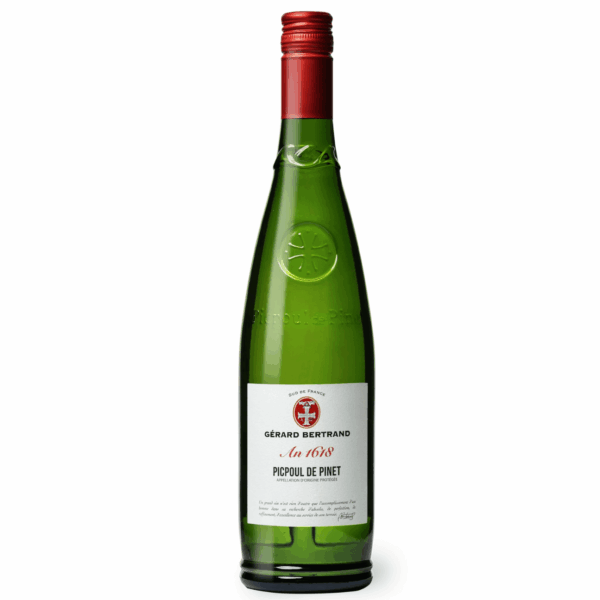
Gérard Bertrand ‘Heritage Picpoul’ Piquepoul Blanc
Shipped by
Oatley Fine Wine Merchants
$30.50
/ bottle
$183.00 for a case of 6

 $31.25
/ bottle
$375.00 for a case of 12
$31.25
/ bottle
$375.00 for a case of 12
 339 pts
 Food pairing with Grenache Blanc: where it really sings
If there is one area where Grenache Blanc becomes indispensable rather than merely interesting, it is food pairing. The combination of moderate alcohol, generous flavour and gentle grip allows it to handle dishes that would flatten a simple crisp white but overwhelm a heavy, oaky style.
At the fresher end, Grenache Blanc loves:
-
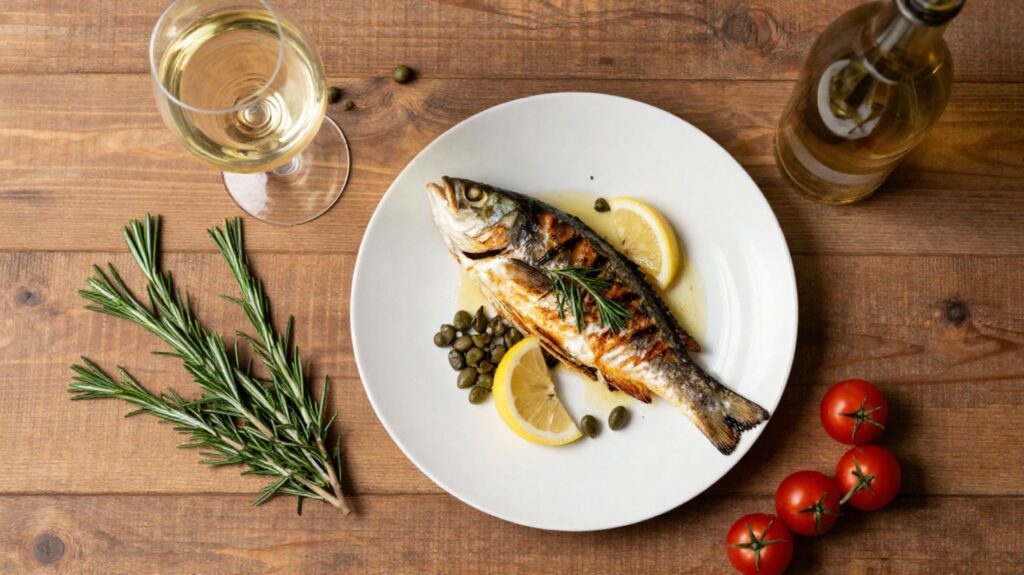
Grilled or pan‑fried fish with lemon and herbs
-
Salt‑and‑pepper squid, prawns and other seafood with a little crunch
-
Summer salads featuring fennel, citrus, olives and soft herbs
-
Simple roast chicken with lemon, garlic and thyme
These wines have enough fruit and acidity to cut through oil and salt, while their subtle savoury notes pick up herbs and umami in the dish.
Textural expressions open the door even wider:
-
Roast chicken or turkey with richer pan sauces
-
Pork dishes with apple, fennel or stonefruit accompaniments
-
Creamy pastas, especially those with mushrooms or slow‑cooked vegetables
-
Soft, washed‑rind and semi‑hard cheeses, grazing boards and tapas
The gentle phenolic grip in these wines acts almost like the tannin in light reds, giving structure that stands up to protein and fat without overwhelming the palate. It is here that Grenache Blanc can replace heavier whites for drinkers who want flavour and texture without the sometimes imposing weight of richer Chardonnay.
Why Australian drinkers are turning to Grenache Blanc now
Several currents converge to make Grenache Blanc unusually well‑timed for the current moment.
First, there is the broad shift toward “less but better” drinking. People are paying more attention to what they open, drinking a little less volume overall but showing more curiosity and willingness to explore. That creates space for varieties like Grenache Blanc that offer something new without demanding a complete re‑education.
Second, climate realities mean serious Australian producers are thinking hard about what will still thrive in twenty or thirty years. Mediterranean whites that handle heat and water stress are obvious candidates. Planting more Grenache Blanc is not just fashion; it can be a rational adaptation strategy that supports both quality and sustainability.
Third, there is a stylistic gap that Grenache Blanc fills beautifully. Many drinkers feel stuck between extremely crisp, almost neutral whites on one side and heavily worked, sometimes over‑oaked wines on the other. Grenache Blanc offers ripe fruit, texture and savoury nuance in the middle, which makes it ideal for modern Australian dining culture where plates are shared, flavours are layered and meals stretch from afternoon into evening.
For retailers and writers, this is exactly why it now makes sense to encourage readers to explore crowd‑favourite Grenache Blanc white wines rather than treating every bottle as an obscure curiosity. The more often drinkers see the grape in credible line‑ups – alongside trusted varieties and respected producers – the faster it will move from experimental to expected.
How to start exploring Grenache Blanc in Australia
For someone new to the grape, a few simple guidelines help make the first steps rewarding:
-
Start with trusted producers rather than chasing the cheapest bottle. Grenache Blanc is still niche enough that a small quality focus goes a long way.
-
Pay attention to region and style cues. Warmer regions and Rhône‑style blends will often be more textural; cooler sites and straight varietals may lean toward freshness and citrus.
-
Think about food from the start. Decide whether the wine is for aperitif, seafood, white meat or richer dishes and choose styles accordingly.
-
Do a small comparison. Tasting two or three Grenache Blancs side by side – perhaps a fresher style, a blend and a more textural, barrel-influenced example – makes the grape’s range clear very quickly.
From there, it becomes natural to buy Grenache Blanc online in a more intentional way, building a sense of which regions, producers and styles resonate most. Over time, Grenache Blanc can shift from being “that interesting white someone once brought to dinner” to a staple on the table when texture, food‑friendliness and a touch of Mediterranean character are exactly what the moment calls for.
Australian Grenache Blanc may still be in its early chapters, but the trajectory is clear. It is no longer just a curiosity for geeks. It is quietly becoming one of the most useful, characterful and future‑proof white varieties in the country’s evolving landscape.




 Shiraz
 Cabernet Sauvignon
 Pinot Noir
 Grenache
 Merlot
 Red Wine Blends
 Chardonnay
 Riesling
 Pinot Gris
 Semillon
 Viognier
 Grenache Rosé
 Pinot Noir Rosé
 Shiraz Rosé
 Sangiovese Rosé
 Aglianico Rosé
 Clairette Rose
 Champagne
 Prosecco
 Sparkling Shiraz
 Blanc de Blanc
 Blanc de Noir
 Pet Nat
 Moscato
 Topaque
 Port
Port Sherry (dry & sweet)
 Muscat & Tokay
 Vermouth