 0473 644 098 · Mon–Fri 9am–5pm AESTHelp & FAQ


New Zealand Sauvignon Blanc: Why This Cool‑Climate White Wine Leads the World

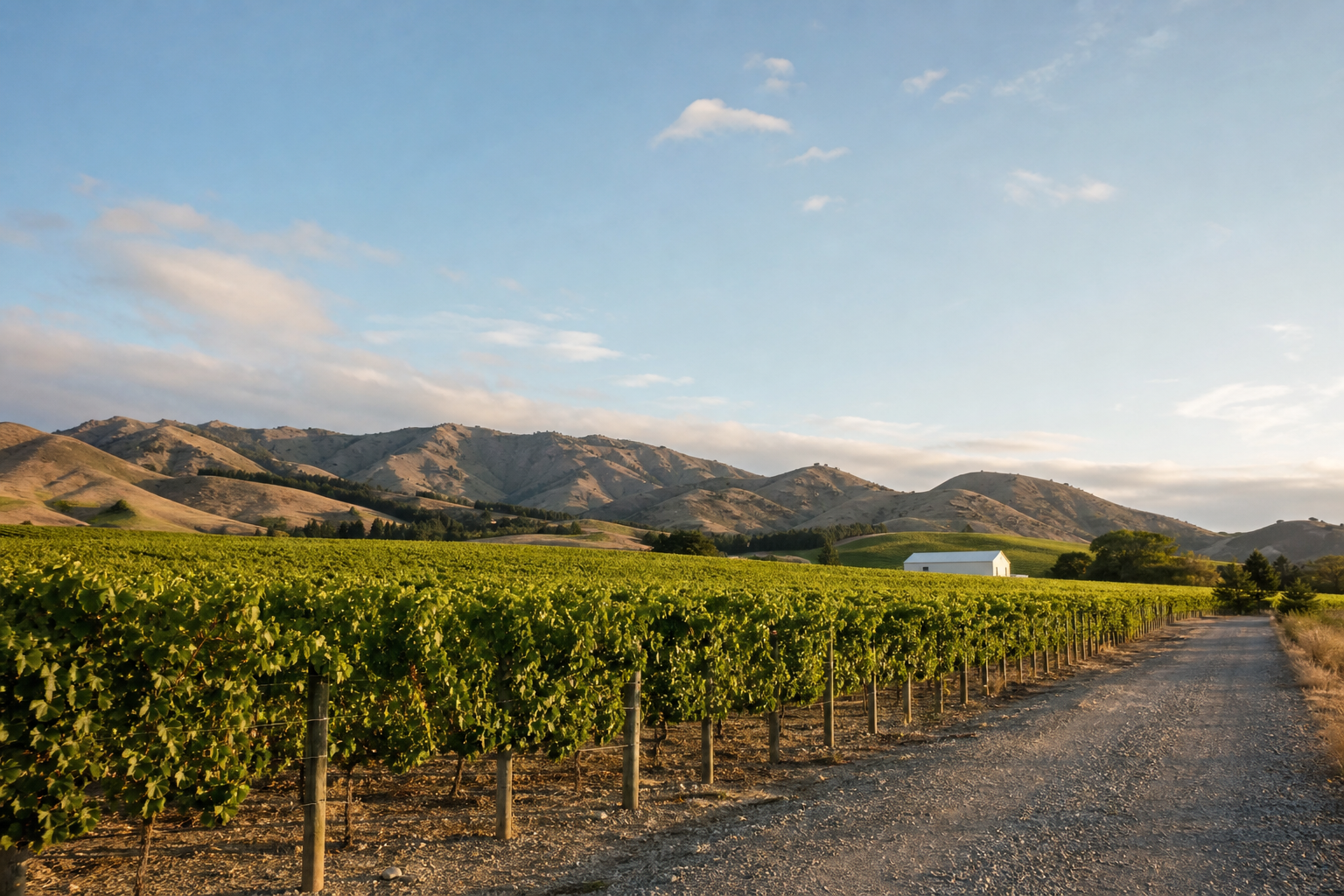
New Zealand’s reputation for Sauvignon Blanc is no accident. It is the result of a very particular mix of climate, light, soil and winemaking philosophy that turned a once‑ordinary grape into an international style in its own right.
Why New Zealand became synonymous with Sauvignon Blanc
New Zealand was not the first country to plant Sauvignon Blanc, but it was the first to make a style so distinctive that drinkers could identify it blind from across the room. Where many European examples lean towards subtle herb and mineral notes, New Zealand’s best versions deliver piercing aromatics, intense fruit and a spine of acidity that feels almost electric.
Several factors line up to create this. New Zealand’s islands sit in the path of cool ocean currents and persistent winds, keeping temperatures moderated even in the height of summer. This means grapes ripen slowly and evenly, building flavour while retaining remarkable natural acidity. Add long daylight hours and high UV levels at southern latitudes and the result is fruit that reaches full flavour ripeness without tipping into tropical softness or flabbiness.
The modern New Zealand wine industry also grew up during the stainless‑steel revolution. Wineries invested early in temperature‑controlled fermentation and inert handling, allowing them to preserve the sheer aromatic lift of Sauvignon Blanc rather than masking it with oxidation or heavy oak. The combination of cool climate fruit and cold fermentation created those explosive notes of passionfruit, lime, gooseberry and fresh herbs that made the style famous and drove people to buy Sauvignon Blanc online from producers they had never even visited.
The cool maritime climate that shapes the style
New Zealand’s geography gives its vineyards an unusually consistent cool maritime climate. The country is long and narrow, with very few vineyard areas far from the sea. Cool onshore breezes help to control heat spikes, while relatively mild winters protect vines from extreme cold. The growing season tends to be long, with a gentle build‑up of warmth and a gradual slide into autumn.
This matters enormously for Sauvignon Blanc. The grape can become dull and soft in hot climates, losing its aromatic edge. In New Zealand it ripens at a measured pace, so flavours develop layer by layer: citrus and herbs early in the season, then passionfruit, white peach and subtle tropical notes later on. High diurnal ranges in many regions (warmish days, cool nights) keep acids vibrant and give wines their mouth‑watering, almost salty finish.
That bright acidity is one of the key reasons New Zealand bottlings have become so successful in export markets. The wines taste vivid and refreshing even after long journeys, and they match an unusually wide range of foods, from shellfish and sashimi to goat’s cheese, salads and lightly spiced Asian dishes. For Australian drinkers looking to explore crowd‑favourite Sauvignon Blanc white wines, New Zealand has become the default reference point precisely because that freshness rarely falters.
Marlborough: the global benchmark for New Zealand Sauvignon Blanc
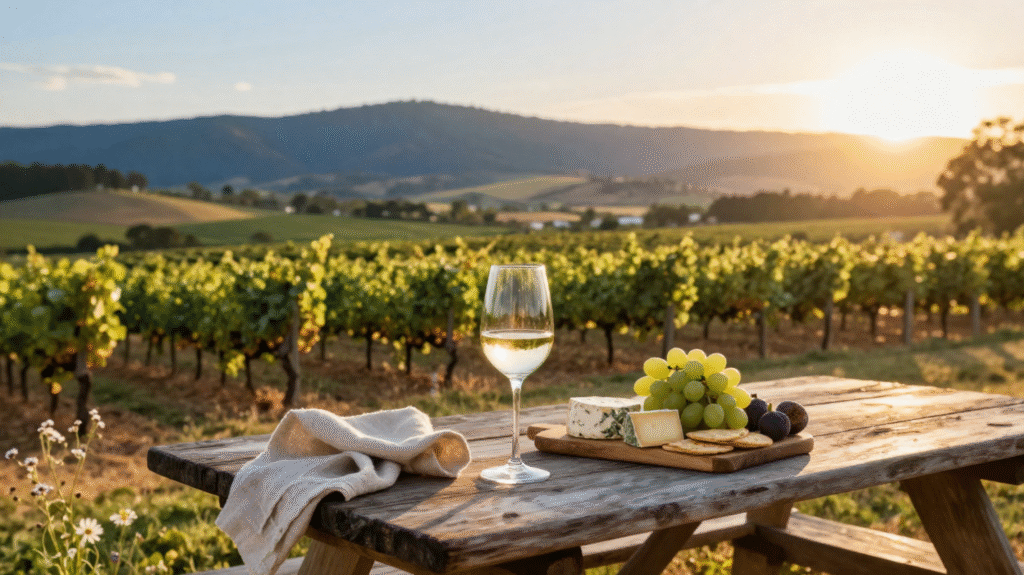
Marlborough, at the top of the South Island, is the engine room of New Zealand Sauvignon Blanc and the region that first put the style on the world map. Vast alluvial plains, deposited over millennia by braided rivers, provide free‑draining gravels and stones that encourage deep root systems and naturally limited yields. The climate is dry and sunny, with low disease pressure and consistently warm days balanced by cool nights.
The classic Marlborough profile is intensely aromatic: passionfruit, lime, grapefruit, blackcurrant leaf and fresh herbs, sometimes with a hint of jalapeño or capsicum at the greener end of the spectrum. Wines from the Wairau Valley often show riper, more tropical fruit, while the Awatere Valley tends to produce more subtle, saline examples with a slightly greener edge and higher acidity. Blends of fruit from both valleys give many commercial wines their recognisable mix of exuberance and tension.
For many consumers, Marlborough is the first stop when they shop New Zealand Sauvignon Blanc white wine for everyday drinking. Yet the region also produces increasingly serious, ageworthy versions that see barrel fermentation, wild yeast and extended lees contact. These wines trade some of the primary fruit fireworks for texture, savoury complexity and the ability to develop for several years in bottle, proving that Marlborough is far more than a one‑note story.
Featured Wines
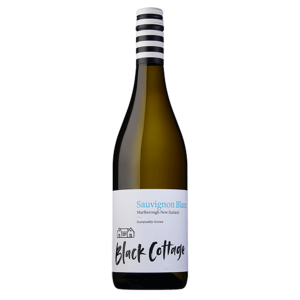
Black Cottage Sauvignon Blanc 2025 (12 Bottles) Marlborough, NZ
Add to Cart
$23.25
/ bottle
$279.00 for a case of 12
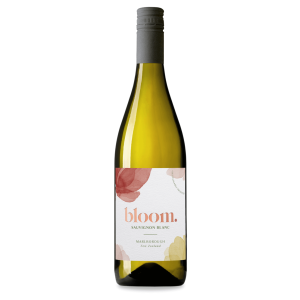
Bloom Wines Sauvignon Blanc 2025 (12 Bottles) Marlborough, New Zealand
Add to Cart
$24.58
/ bottle
$295.00 for a case of 12
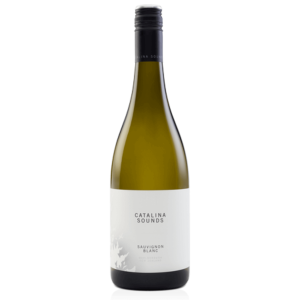
Catalina Sounds Barrel Sauvignon Blanc 2023 (12 Bottles) Marlborough, New Zealand
Add to Cart
$43.08
/ bottle
$517.00 for a case of 12
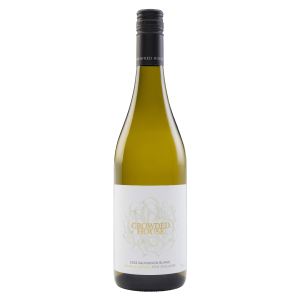
Crowded House Sauvignon Blanc 2025 (12 Bottles) Marlborough, NZ
Add to Cart
$20.42
/ bottle
$245.00 for a case of 12
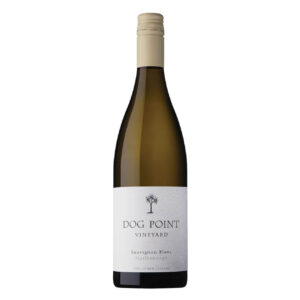
Dog Point Sauvignon Blanc 2025 (12 Bottles) Marlborough, NZ
Add to Cart
$31.67
/ bottle
$380.00 for a case of 12
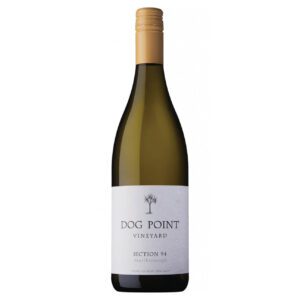
Dog Point Section 94 Sauvignon Blanc 2021 (6 Bottles) Marlborough, NZ
Add to Cart
$51.50
/ bottle
$309.00 for a case of 6
Other New Zealand regions putting their stamp on Sauvignon Blanc
Although Marlborough dominates production, several other regions make distinctive Sauvignon Blanc that broaden the country’s stylistic range.
Hawke’s Bay, on the North Island’s east coast, is warmer and drier than Marlborough. Here, the grape often takes on a riper, more stone‑fruited profile: think nectarine, ripe citrus and softer herbal notes rather than the piercing gooseberry and lime of cooler sites. Some producers use barrel fermentation and partial malolactic conversion to build texture and roundness, blurring the line between classic Sauvignon Blanc and white Bordeaux blends. These are natural options for drinkers who want to discover New Zealand Blanc from all regions and see how the grape behaves outside its Marlborough stronghold.
Martinborough and the wider Wairarapa region offer yet another expression. Cooler, windier and more marginal than Hawke’s Bay, with gravelly river terraces and lower yields, they often produce Sauvignon Blanc with pronounced mineral drive and structure. Herbs skew towards fennel and wild grass, fruit towards citrus and green stone‑fruit, and there is frequently a savoury twist on the finish that makes the wines particularly food‑friendly.
Nelson, just west of Marlborough, benefits from a slightly more sheltered, artisanal feel. Many smaller, family‑owned wineries here craft wines with a bit more texture and nuance, sometimes leaning into wild ferments and lees stirring. The aromatics remain vivid, but the palate can feel less aggressively sharp, appealing to drinkers who like intensity without too much angularity. For those who buy New Zealand Sauvignon Blanc online today, these non‑Marlborough regions offer a chance to explore subtler, often more gastronomic expressions.
Soil, light and leaf: the quiet details behind the flavour
Beyond climate and geography, there are subtler viticultural choices that help explain why New Zealand’s style has become so distinctive. Many growers intentionally target moderate yields rather than pushing for maximum tonnes per hectare. This keeps berry size in check and concentrates flavour, a crucial factor for a variety whose appeal hinges on aromatic intensity.
Canopy management is another important tool. Growers balance leaf cover carefully to protect bunches from sunburn in the high UV environment, while still allowing enough light and airflow to prevent disease and encourage flavour development. Slightly shaded fruit can preserve fresher, greener aromatics; more exposed fruit tends towards riper tropical notes. By adjusting leaf removal, shoot positioning and row orientation, vineyard managers can fine‑tune the style they want from each block.
Harvest timing is then used almost like a seasoning dial. Picking some parcels a little earlier keeps acids nerve‑tight and flavours more citrus and herb driven. Allowing other parcels to hang longer brings in passionfruit, guava and ripe lime. Many top producers blend across these picking windows to create wines that feel both zesty and generous. This blending across sites and ripeness levels is part of what makes New Zealand wines taste so complete straight out of the bottle, and it explains why they perform so well for consumers who increasingly buy Sauvignon Blanc online without ever tasting before purchase.
Winemaking choices that keep Sauvignon Blanc vibrant
In the winery, most New Zealand Sauvignon Blanc is fermented cool in stainless steel, often with carefully selected aromatic yeast strains. These yeasts and temperatures are chosen to maximise thiol and ester expression, the compounds that give the wines their passionfruit, grapefruit and sometimes slightly tropical aromatics. The goal is not neutrality; it is controlled exuberance.
Oxygen management is tight. From pressing through to bottling, winemakers minimise exposure to air to preserve freshness. At the same time, many now experiment with techniques that add subtle complexity without losing purity. Extended lees contact can bring a gentle creamy texture and savoury edge. A portion fermented in old barrels or large oak can add breadth and spice, giving the wine more presence at the table without obvious oak flavour.
Crucially, these decisions are made with a clear understanding of the global audience. New Zealand producers know their wines must arrive on shelves in London, Sydney or New York tasting as vivid as the day they left the winery. That blend of technical precision and expressive fruit is exactly what keeps international drinkers coming back to explore crowd‑favourite Sauvignon Blanc white wines from New Zealand year after year.
Why New Zealand Sauvignon Blanc still matters
In an era when drinkers have more options than ever, New Zealand Sauvignon Blanc continues to stand out because it offers a rare combination: immediate sensory impact and a strong sense of place. The best examples taste unmistakably of their origin, yet they remain accessible and easy to understand. Bright fruit, clean lines, refreshing acidity: even casual drinkers can grasp the appeal in a single sip.
At the same time, there is increasing diversity within the category. Marlborough still defines the classic profile, but Hawke’s Bay, Nelson, Martinborough and other regions are refining their own expressions, with more emphasis on texture, site and ageability. For Australian enthusiasts and collectors who shop New Zealand Sauvignon Blanc white wine with a bit more curiosity, there has never been a better moment to look beyond the most famous labels and explore the full breadth of what the country can do.
 Shiraz
 Cabernet Sauvignon
 Pinot Noir
 Grenache
 Merlot
 Red Wine Blends
 Chardonnay
 Riesling
 Pinot Gris
 Semillon
 Viognier
 Grenache Rosé
 Pinot Noir Rosé
 Shiraz Rosé
 Sangiovese Rosé
 Aglianico Rosé
 Clairette Rose
 Champagne
 Prosecco
 Sparkling Shiraz
 Blanc de Blanc
 Blanc de Noir
 Pet Nat
 Moscato
 Topaque
 Port
Port Sherry (dry & sweet)
 Muscat & Tokay
 Vermouth