 0473 644 098 · Mon–Fri 9am–5pm AESTHelp & FAQ


Cabernet Sauvignon vs Merlot: How Australia’s Two Iconic Reds Divide Serious Wine Drinkers

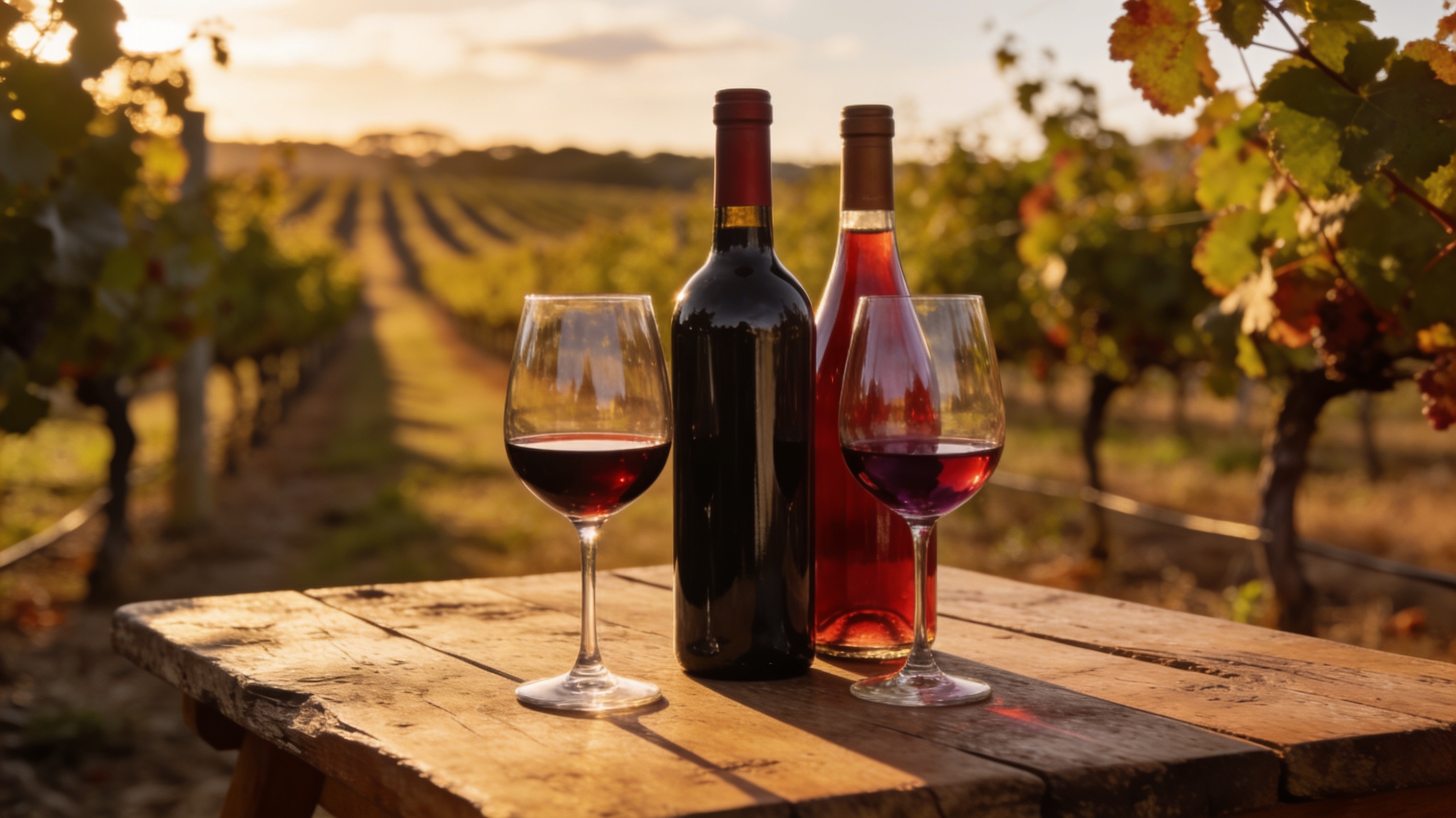
Cabernet Sauvignon and Merlot sit at the heart of Australian red wine culture, yet they speak very different dialects of the same language. This article unpacks those differences with an eye to how serious drinkers in Australia actually buy, cellar and pour these wines today.
Cabernet Sauvignon vs Merlot: which wine really suits your palate?
At the most basic level, Cabernet Sauvignon tends to be fuller bodied, more tannic and more structured; Merlot usually feels softer, rounder and more immediately approachable. Cabernet Sauvignon often delivers blackcurrant, blackberry and cedar, whereas Merlot leans toward plum, red berry and subtle chocolate, a contrast that becomes obvious when the two are tasted side by side.
For Australian drinkers, this is not simply an academic distinction. Cabernet Sauvignon’s firmer tannins and higher acidity make it a natural partner for richer cuts of beef and long cellaring, whilst Merlot tends to slide more easily into midweek dining and casual drinking situations. Those who regularly explore our big range of Cabernet Sauvignon wines will recognise how its assertive structure demands food and time, whereas those who explore our big range of Merlot wines often find a gentler, earlier‑drinking red that still offers depth and complexity.
Here’s something genuinely fascinating about this rivalry: both grapes are foundational to Bordeaux, yet they have evolved in the Australian context to occupy quite distinct stylistic and regional niches, particularly in Coonawarra, Margaret River and the broader landscape of South Australian and Western Australian red wine.
Key differences in flavour, tannin and structure
Most serious tasters experience Cabernet Sauvignon first through its structure rather than its fruit. Thick skins and naturally high tannin give Cabernet Sauvignon that textbook “grip” along the gums and tongue, especially in youth. Aromatically, it skews to blackcurrant, black cherry, cassis, tobacco, cedar and sometimes graphite or dried herbs, with bottle age introducing leather, cigar box and earth.
Merlot, by contrast, is generally described as plummier and more velvety, with lower to medium tannins and a more seamless mid‑palate. Ripe examples bring flavours of plum, raspberry, dark cherry and cocoa, often with a perception of sweetness even when analytically dry because of their ripe fruit and slightly higher residual sugar in some styles. For those who regularly buy Cabernet Sauvignon online in Australia, this contrast in tannin and aromatic profile explains why Cabernet Sauvignon feels so commanding, whilst Merlot slips into a meal with far less insistence.
Acidity also plays differently. Cabernet Sauvignon typically shows medium‑high acidity, which sharpens its lines and supports long ageing, whereas Merlot tends to sit in the medium range, reinforcing its softer, more immediately harmonious character. This balance of tannin and acid is exactly why Cabernet Sauvignon can comfortably age 10 to 30 years in serious examples, while quality Merlot usually reaches its peak within 5 to 15 years.
How Cabernet Sauvignon and Merlot behave in the vineyard
Viticulturally, the two grapes diverge sharply in timing. Cabernet Sauvignon is a classic late ripener, demanding a long, warm growing season to fully ripen tannins and avoid green, herbaceous notes. This long hang time can yield remarkably complex flavours but exposes the grape to late‑season weather risks, so site selection and canopy management become critical.
Merlot ripens earlier, which historically made it invaluable in cooler European regions and still gives it real versatility in marginal sites. Earlier ripening allows growers to dodge the worst of late autumn rain and enables fresher, juicier flavours, but it also means Merlot can tip into overripeness quickly in hot years, losing definition and acidity. In the Australian context, this difference means Cabernet Sauvignon is often planted in slightly cooler, well‑drained pockets within otherwise warm regions, while Merlot can occupy sites where dependable ripening is needed without pushing alcohol levels too high.
This is also why, in blended wines, Merlot is frequently used as the “softening agent” for Cabernet Sauvignon, filling the mid‑palate and smoothing edges without erasing Cabernet Sauvignon’s inherent structure. Australian producers drawing on Bordeaux models understand that interplay well, particularly in regions mimicking Left Bank and Right Bank sensibilities in their own climates.
Featured Wines
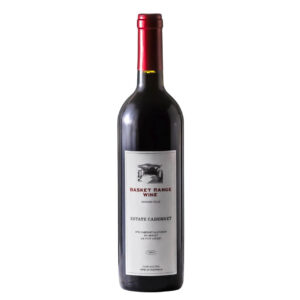
Basket Range Estate Cabernet Blend 2024 (12 Bottles) Adelaide Hills, SA
$53.00
/ bottle
$636.00 for a case of 12
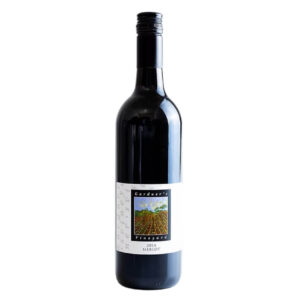
Gardner's Vineyard Merlot 2014 (6 Bottles) Eyre Peninsula, SA
$24.00
/ bottle
$144.00 for a case of 6
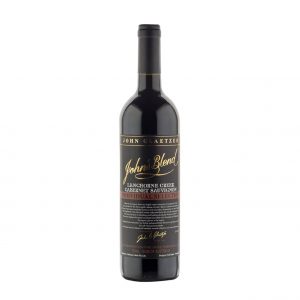
Johns Blend Cabernet Sauvignon 2020 (6 Bottles) Langhorne Creek, SA
$36.00
/ bottle
$216.00 for a case of 6
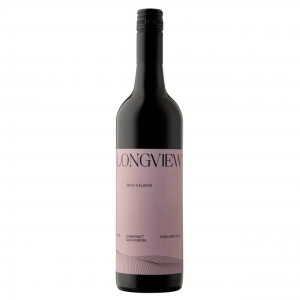
Longview Devil's Elbow Cabernet Sauvignon 2023 (12 Bottles) Adelaide Hills, SA
$30.00
/ bottle
$360.00 for a case of 12
Mac Forbes Hugh Merlot 2020 (6 Bottles) Yarra Valley, VIC
$63.83
/ bottle
$383.00 for a case of 6
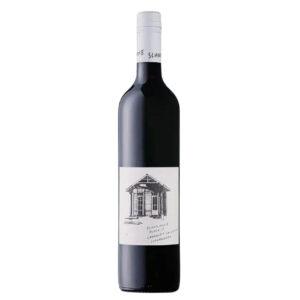
Schoolhouse Block C1 Cabernet Sauvignon 2020 (6 Bottles) Coonawarra, SA
$80.00
/ bottle
$480.00 for a case of 6
Global and Australian regions where these grapes really shine
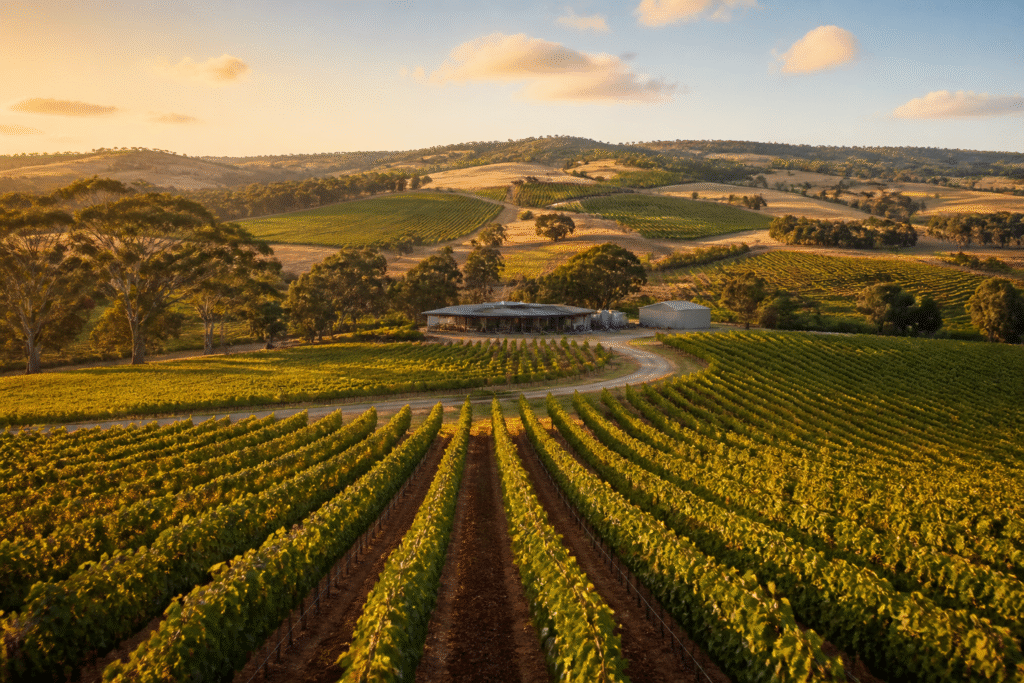
Globally, Cabernet Sauvignon is one of the most widely planted grapes, with benchmark expressions coming from Bordeaux’s Left Bank, Napa Valley and key South American sites. In Australia, regions such as Coonawarra and Margaret River have established themselves as particularly strong for Cabernet Sauvignon, with Coonawarra’s terra rossa soils yielding wines of notable line and eucalyptus‑tinged aromatics, and Margaret River producing medium‑to‑full‑bodied Cabernets of freshness and poise.
Merlot’s global spiritual home is Bordeaux’s Right Bank, particularly Pomerol, where producers such as Pétrus show just how profound Merlot can be when old vines and clay‑rich soils meet meticulous viticulture. In the Australian setting, Barossa Valley often delivers rich, fruit‑forward Merlot with plum and cassis, whilst Margaret River again appears as a source of more restrained, food‑friendly, medium‑bodied expressions. For Australian drinkers who regularly shop Australian Cabernet Sauvignon red wine and also compare Australian Merlot wines online, these regional signatures become a practical way of navigating style rather than a mere geographical curiosity.
Interestingly, value hunting for both varieties often leads to similar destinations. Commentators frequently highlight South Australia and parts of California and Argentina as reliable hunting grounds for characterful yet sensibly priced Cabernet Sauvignon and Merlot, a trend that aligns neatly with the Australian market’s appetite for quality‑to‑price ratio rather than sheer prestige.
Food pairing: when to reach for Cabernet and when Merlot does the job better
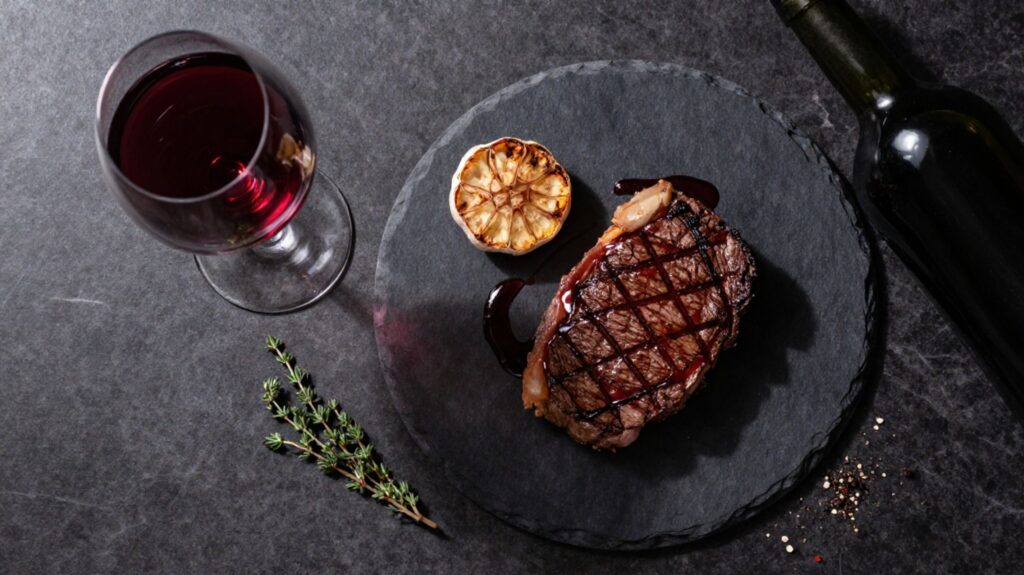
From a gastronomic standpoint, Cabernet Sauvignon behaves almost like a structural ingredient on the table. Its tannins bind beautifully with the protein and fat in red meat, making it a natural pairing for ribeye steak, lamb shoulder and slow‑braised beef dishes. The grape’s firm line and darker savoury notes also handle aged hard cheeses and herb‑rubbed roasts with ease, particularly when the wine has a few years of bottle age softening its edges.
Merlot moves in a slightly different direction. Its softer tannin profile and plusher fruit allow it to bridge both lighter and richer dishes, from roast chicken and pork to tomato‑based pastas and mushroom‑driven vegetarian plates. Because it often feels rounder and less astringent, Merlot can work at the centre of a casual meal in a way a young, muscular Cabernet Sauvignon might struggle to do without dominating. For drinkers who habitually order Merlot wine with Australia-wide delivery, this versatility is part of the appeal; it is the bottle that can quietly sit between charcuterie, pasta and a simple roast without complaint.
Here’s the crucial reality about sweetness perception in these pairings. Many tasters experience Merlot as subtly sweeter than Cabernet Sauvignon, even when the actual sugar levels are low, because ripe plum and cherry notes create a sense of plushness that flatters tomato, gentle spice and umami‑rich dishes. Cabernet Sauvignon, drier in feel with more angular fruit and herbal elements, rewards salt, char and fat rather than sweetness.
Choosing between Cabernet Sauvignon and Merlot in the Australian market
For the Australian enthusiast navigating specialist retailers and online offerings, the choice between Cabernet Sauvignon and Merlot often comes down to occasion, cellar plans and tolerance for tannin. Those building a cellar for long‑term drinking will gravitate towards Cabernet Sauvignon from structured regions such as Coonawarra and Margaret River, especially when they buy Australian Cabernet Sauvignon online today with an eye to opening bottles a decade or more from now. These wines reward patience, developing tertiary complexity that turns simple blackcurrant fruit into something far more layered.
By comparison, drinkers seeking something to pour over the next few years, particularly with adaptable food‑pairing capacity, may lean into Merlot from reputable Australian regions and producers, using specialist platforms to buy Merlot online in Australia and track stylistic differences between vineyards and vintages. This is not to say Merlot cannot age, but its sweet spot for many producers lies in delivering supple texture and generous fruit within a more modest timeframe.
Perhaps the most intriguing space, and one that Australian winemakers continue to explore, lies in blends where Cabernet Sauvignon and Merlot are partners rather than rivals. Here, Cabernet Sauvignon’s backbone and Merlot’s flesh combine into wines that echo Bordeaux’s classic architecture yet speak with a distinctly Australian accent, shaped by sunlight, soil and a culture that values both tradition and a willingness to experiment. For serious enthusiasts, tasting these blends alongside varietal Cabernet Sauvignon and varietal Merlot offers a practical masterclass in how structure, ripeness and texture interact in the glass.
In the end, neither grape “wins” this contest. Instead, each provides a different lens through which to view red wine: Cabernet Sauvignon as the architect of structure and longevity, Merlot as the sculptor of texture and approachability. The real pleasure for Australian drinkers comes from recognising when to reach for each, and from paying close attention as these familiar varieties continue to evolve in the country’s vineyards and glasses.




 Shiraz
 Cabernet Sauvignon
 Pinot Noir
 Grenache
 Merlot
 Red Wine Blends
 Chardonnay
 Riesling
 Pinot Gris
 Semillon
 Viognier
 Grenache Rosé
 Pinot Noir Rosé
 Shiraz Rosé
 Sangiovese Rosé
 Aglianico Rosé
 Clairette Rose
 Champagne
 Prosecco
 Sparkling Shiraz
 Blanc de Blanc
 Blanc de Noir
 Pet Nat
 Moscato
 Topaque
 Port
Port Sherry (dry & sweet)
 Muscat & Tokay
 Vermouth