 0473 644 098 · Mon–Fri 9am–5pm AESTHelp & FAQ


Light‑Bodied vs Full‑Bodied Red Wine: What Wine Body Means, How It’s Made, and How To Choose the Right Style

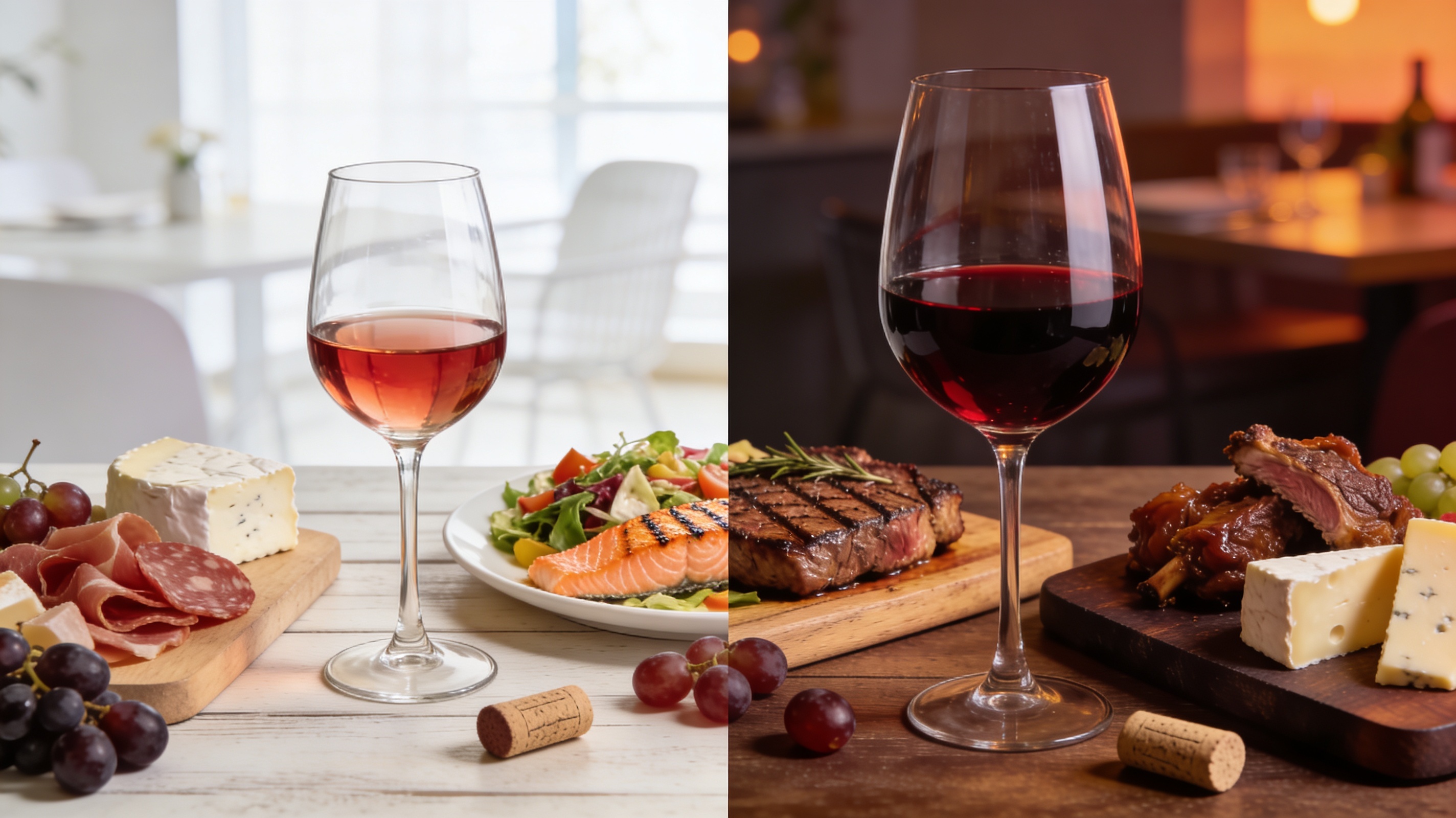
Light‑bodied and full‑bodied reds are really two answers to the same question: how much weight, texture, and presence does a wine have in the mouth, and when should a drinker reach for each style.
What is body in red wine?
In wine circles, “body” simply describes how heavy or rich a wine feels on the palate, not how strong the flavour is. Many educators use the milk analogy: light‑bodied reds feel closer to skim milk, medium‑bodied reds resemble whole milk, and full‑bodied reds feel closer to cream. This sense of weight comes primarily from alcohol, dry extract (the dissolved solids in the wine), tannin and, to a lesser degree in dry reds, residual sugar.
Here’s something genuinely fascinating about body: it often shapes a drinker’s preference more than grape variety does, even though most people initially shop by grape name or brand. Once someone starts consciously buying light‑bodied red wine for certain meals and full‑bodied red wine for others, the wall of bottles in a Dan Murphy’s or independent Adelaide retailer suddenly feels far less intimidating.
What makes a red wine light‑bodied?
Light‑bodied red wines typically combine lower alcohol, lighter tannin and higher natural acidity, which together create a sensation of freshness and delicacy on the palate. Retailers and educators commonly place light reds in the band below roughly 12.5 to 13 percent alcohol, given the lower viscosity and less “coating” feel on the tongue at these levels. Because they emphasise red fruit flavours and brightness rather than density, these wines rarely feel heavy, even when fruit expression is quite intense.
Viticulture and winemaking choices push a wine into this lighter frame. Growers in cooler regions or higher altitudes will often pick earlier to preserve acidity and keep sugar (and therefore potential alcohol) in check. In the cellar, winemakers might shorten maceration (the time juice sits on skins), use gentle extraction, avoid new oak, and ferment at modest temperatures to preserve aromatic lift and a finer texture. All of this reduces tannin load and body whilst preserving a precise, almost crystalline feel.
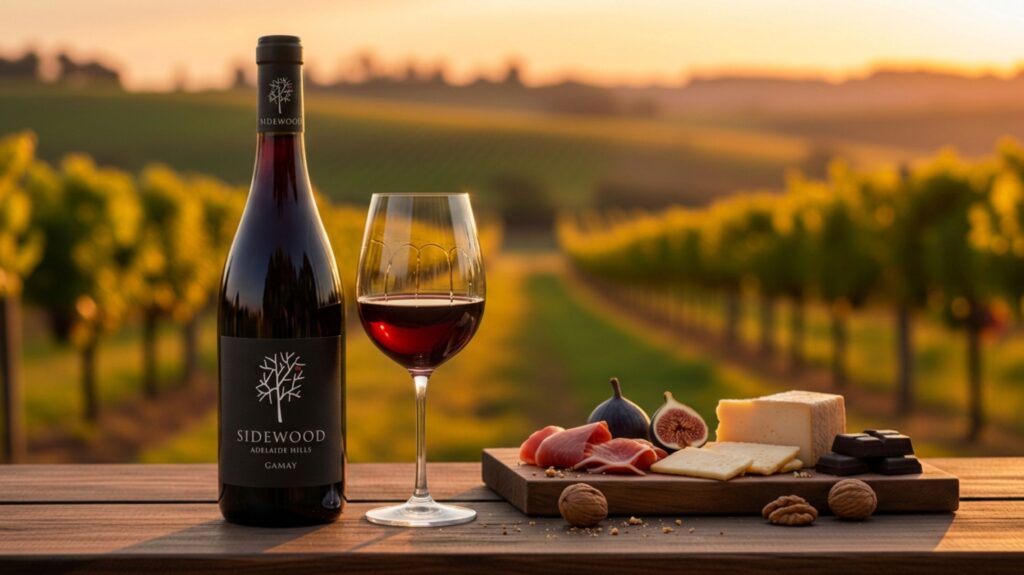
Two classic examples of light‑bodied red wines, both increasingly familiar to Australian drinkers, are Pinot Noir and Gamay. Pinot Noir from regions such as Yarra Valley or Adelaide Hills tends toward red cherry, strawberry and subtle spice on a silky frame, particularly when alcohol sits around 12.5 to 13 percent. Gamay, known best from Beaujolais, often shows bright cranberry and raspberry, modest tannin and brisk acidity, which can feel almost like a chilled summer red rather than a winter fireplace wine.
When buying light‑bodied red wine in Australia, that combination of moderate alcohol, pale to medium colour and references to cool‑climate sites on the back label is usually a good guide.
What makes a red wine full‑bodied?
Full‑bodied reds move to the opposite end of the spectrum, where the wine feels broad, dense and weighty, often with a distinct sense of power from the first sip to the last. These wines usually carry higher alcohol, often above about 13.5 percent, together with higher tannin and riper fruit, which together contribute to a chewy, almost mouth‑filling sensation. Darker fruit flavours, such as blackcurrant, plum and blackberry, appear more frequently here than the red cherry and raspberry that dominate lighter reds.
In the vineyard, full‑bodied reds often come from warmer sites where grapes accumulate more sugar and tannin before harvest. In the winery, winemakers extend maceration, use more vigorous pump‑overs or plunging, and often age the wine in oak barrels (sometimes new) to build structure, texture and aromatic complexity. The result is a wine that not only feels heavier but also carries more grip from tannins, the astringent compounds that come from skins, seeds and oak.
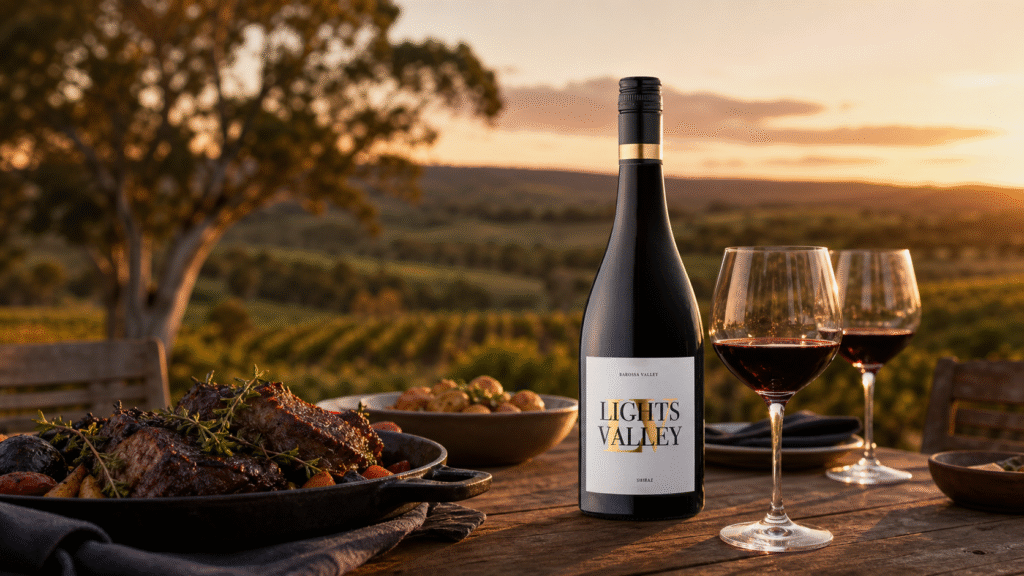
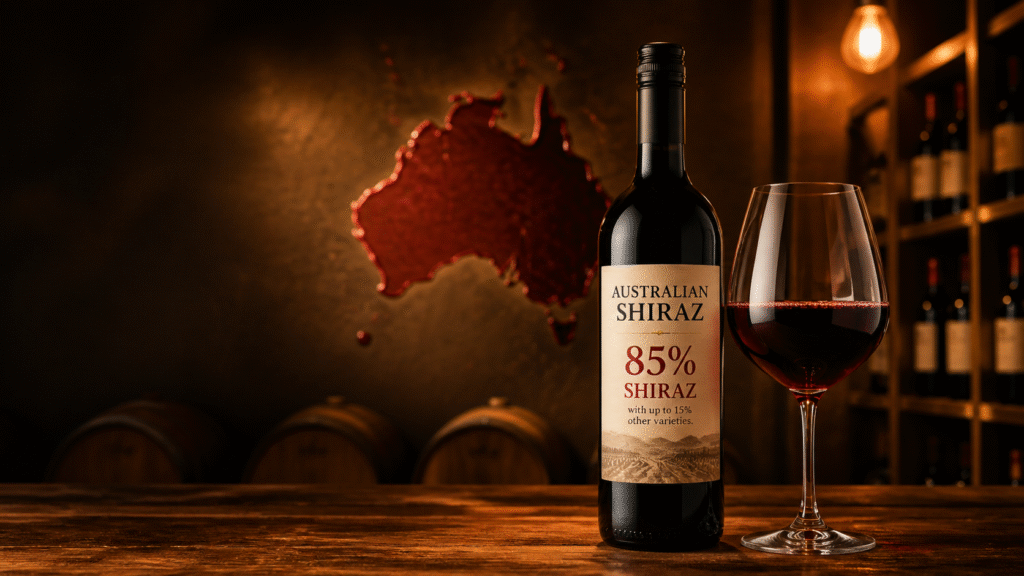
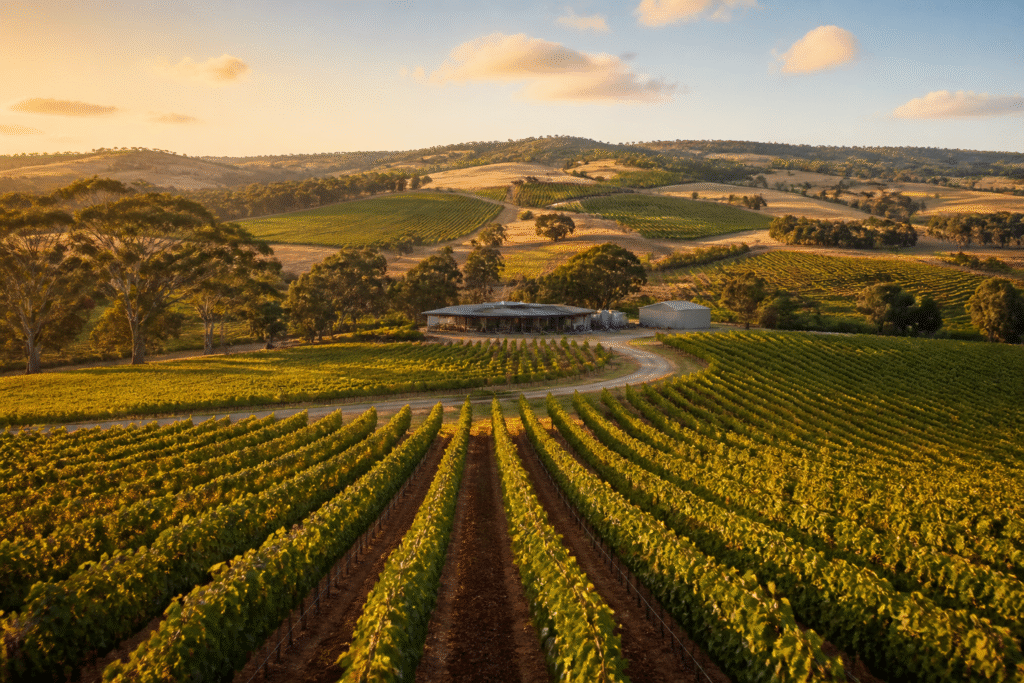
Two benchmark examples of full‑bodied red wines are Shiraz and Cabernet Sauvignon. Australian Shiraz, particularly from Barossa Valley or McLaren Vale, typically offers rich dark fruit, generous alcohol, plush texture and firmly structured tannins that linger long after swallowing. Cabernet Sauvignon from Coonawarra or Margaret River tends toward blackcurrant, cedar and graphite, with slightly firmer, more linear tannins and a distinctly authoritative finish.
When buying full‑bodied red wine in Australia, indicators include higher listed alcohol, mention of warm regions, and descriptive terms such as “rich,” “bold,” or “full‑bodied” on front labels or shelf talkers.
Featured Wines
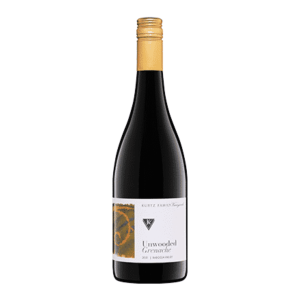
Kurtz Family Light Pass Grenache 2025 (12 Bottles) Barossa Valley, SA
Add to Cart
$10.83
/ bottle
$130.00 for a case of 12
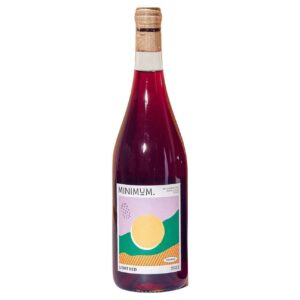
Minimum Wines LIGHT RED 2022 (6 Bottles) Nagambie, VIC
Add to Cart
$24.17
/ bottle
$145.00 for a case of 6
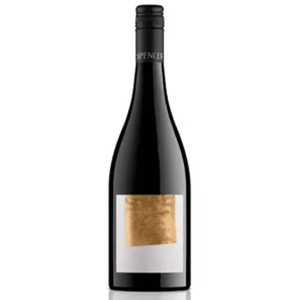
Nick Spencer Gundagai Light Dry Red 2023 (12 Bottles) Gundagai, NSW
Add to Cart
$28.50
/ bottle
$342.00 for a case of 12
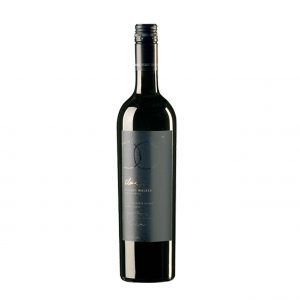
O'Leary Walker Claire Reserve Shiraz 2016 (6 Bottles) Clare Valley, SA
Add to Cart
$92.00
/ bottle
$552.00 for a case of 6
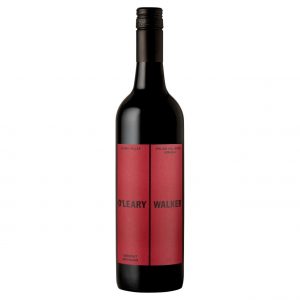
O'Leary Walker Clare Valley Cabernet Sauvignon 2023 (6 Bottles) Clare Valley, SA
Add to Cart
$31.50
/ bottle
$189.00 for a case of 6
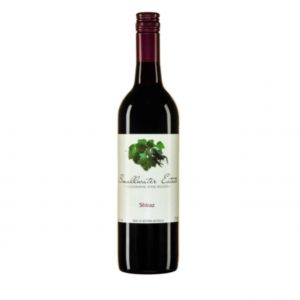
Smallwater Estate Shiraz 2023 (12 Bottles) Geographe, WA
Add to Cart
$46.75
/ bottle
$561.00 for a case of 12
How to choose red wine by body
For many modern drinkers, the simplest way to navigate shelves is to decide first whether the occasion calls for light‑bodied red wine or full‑bodied red wine, then narrow by grape and region. Body acts as a shortcut for intensity and weight, even across unfamiliar grapes, because it correlates strongly with alcohol, tannin and extract.
When buying light‑bodied red wine, searching out cooler‑climate regions, moderate alcohol, and varieties like Pinot Noir, Gamay or some lighter styles of Grenache tends to work well. Labels may reference freshness, crunch, red fruits or suitability for chilling, all of which hint at a lighter style. When choosing a full‑bodied red wine, looking for grapes such as Shiraz, Cabernet Sauvignon, Malbec or Merlot from warm or inland regions is usually a safer path to depth and richness.
A useful mental model is to treat light‑bodied reds as wines for refreshment and conversation, and full‑bodied reds as wines for contemplation and structure. For a mid‑week bowl of pasta or charcuterie plate on a warm Adelaide evening, a light‑bodied red wine served slightly chilled feels instinctively right. For a winter braise, grilled steak or a special‑occasion roast, a full‑bodied red wine brings the necessary weight and tannin to stand up to the dish.
Food pairing and occasions for light vs full reds
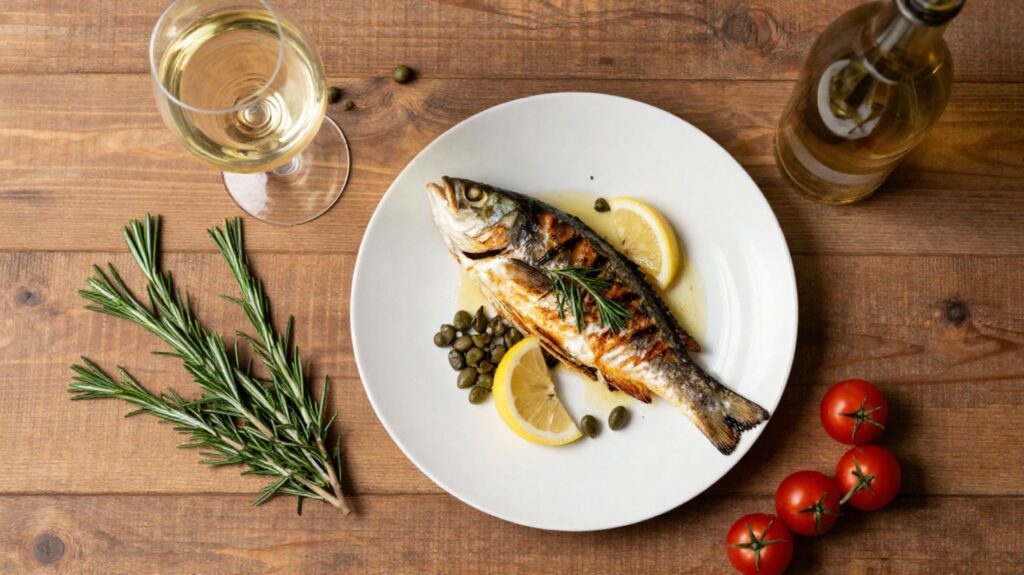
Because body shapes how a wine interacts with food, thinking in these terms makes pairing far less abstract. Light‑bodied red wines, with their higher acidity and lower tannin, tend to pair best with lighter meats, poultry, cured meats, soft cheeses and even richer fish. Pinot Noir and Gamay, for instance, are classic partners for dishes such as roast duck, grilled salmon, mushroom‑based pasta and charcuterie. Their delicacy allows them to complement, rather than dominate, subtle flavours.
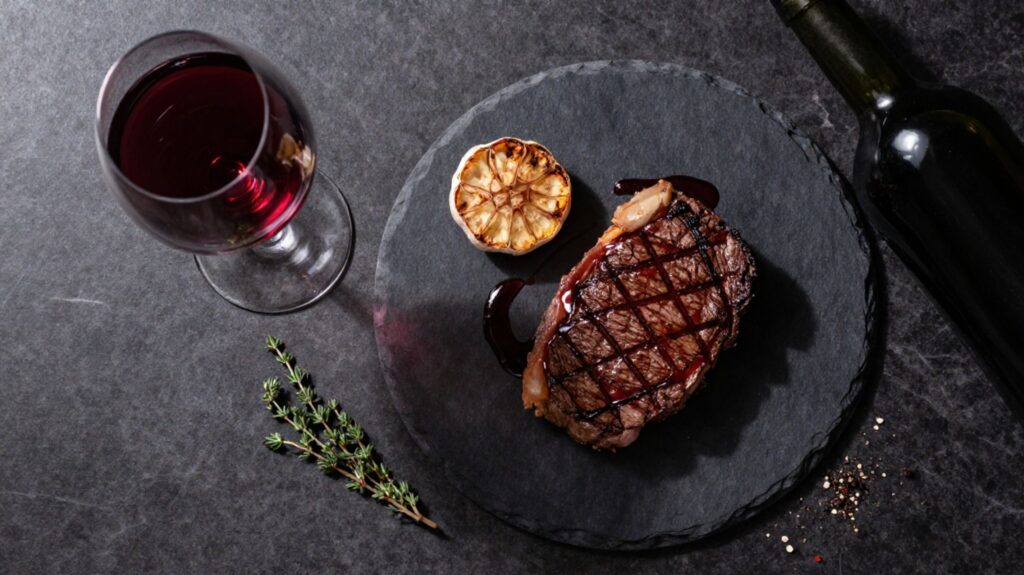
Full‑bodied red wines are more at home with dishes carrying richness, fat and intensity. The tannin in Shiraz or Cabernet Sauvignon binds with proteins in red meat, which has the effect of softening the perception of astringency and allowing dark fruit and spice notes to shine. This is why grilled beef, slow‑cooked lamb shoulder, hard cheeses and richly sauced dishes are such dependable friends to full‑bodied reds.
Occasionally, one style will surprise. A chilled, light‑bodied red wine can be a superb summer alternative to rosé for a barbecue featuring grilled vegetables, sausages and lighter cuts, particularly in the Australian heat. Conversely, a polished, barrel‑matured full‑bodied red wine can work beautifully in a more formal setting, perhaps alongside a multi‑course degustation where the main course demands structure and depth.
In terms of social occasions, lighter reds often star at casual gatherings, afternoon garden parties, or as the “second bottle” once palates are a little fatigued and something refreshing is needed. Full‑bodied reds slot more naturally into winter dinners, fireside conversations, and celebratory meals where the wine is expected to take centre stage and carry the conversation as much as the food.
The crucial reality is that once body becomes a conscious filter, choosing between light‑bodied and full‑bodied reds turns from a guessing game into a deliberate act of matching texture, food and moment. From there, experimenting within each camp, whether with Pinot Noir and Gamay on the lighter side or Shiraz and Cabernet Sauvignon on the fuller side, becomes less about avoiding disappointment and more about mapping one’s own preferences glass by glass.




 Shiraz
 Cabernet Sauvignon
 Pinot Noir
 Grenache
 Merlot
 Red Wine Blends
 Chardonnay
 Riesling
 Pinot Gris
 Semillon
 Viognier
 Grenache Rosé
 Pinot Noir Rosé
 Shiraz Rosé
 Sangiovese Rosé
 Aglianico Rosé
 Clairette Rose
 Champagne
 Prosecco
 Sparkling Shiraz
 Blanc de Blanc
 Blanc de Noir
 Pet Nat
 Moscato
 Topaque
 Port
Port Sherry (dry & sweet)
 Muscat & Tokay
 Vermouth