 0473 644 098 · Mon–Fri 9am–5pm AESTHelp & FAQ


Clare Valley Riesling Guide: Why This Region Leads Australian Riesling

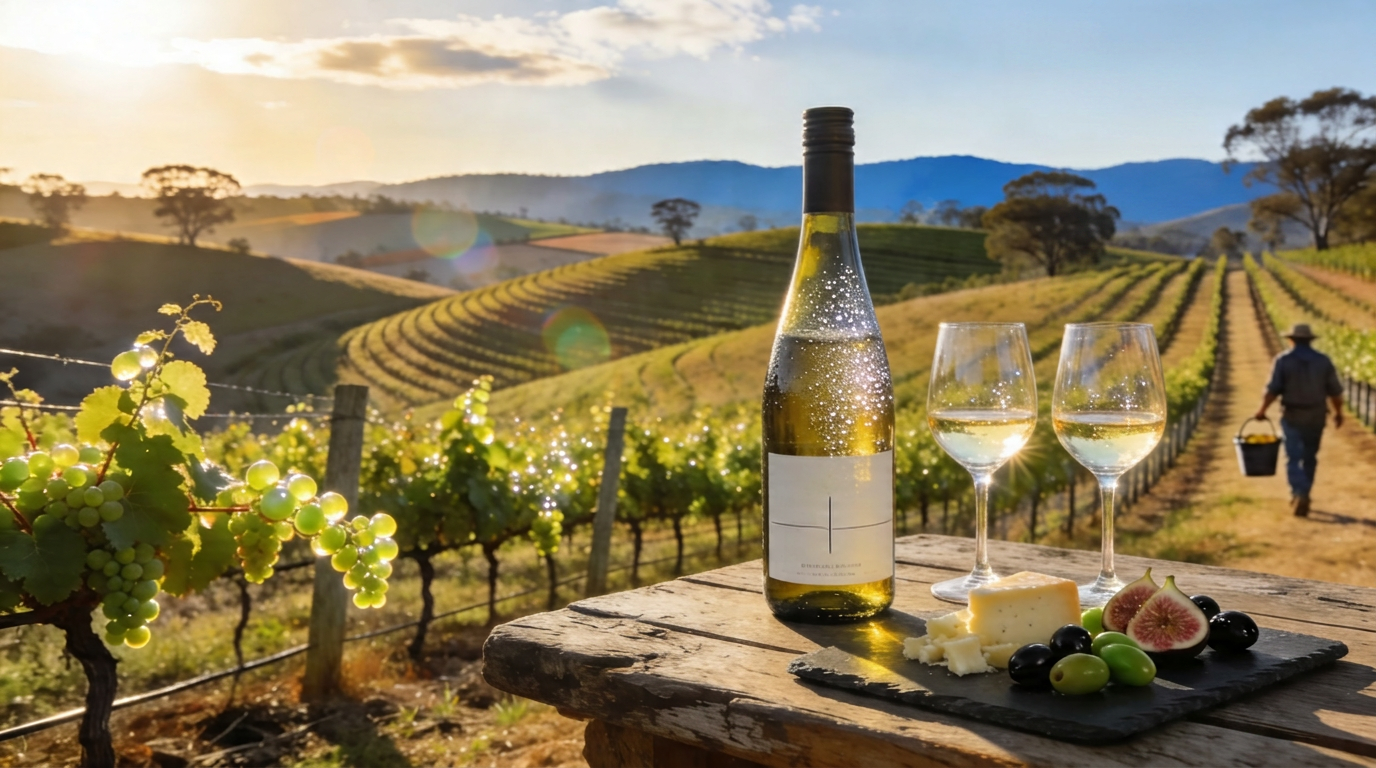
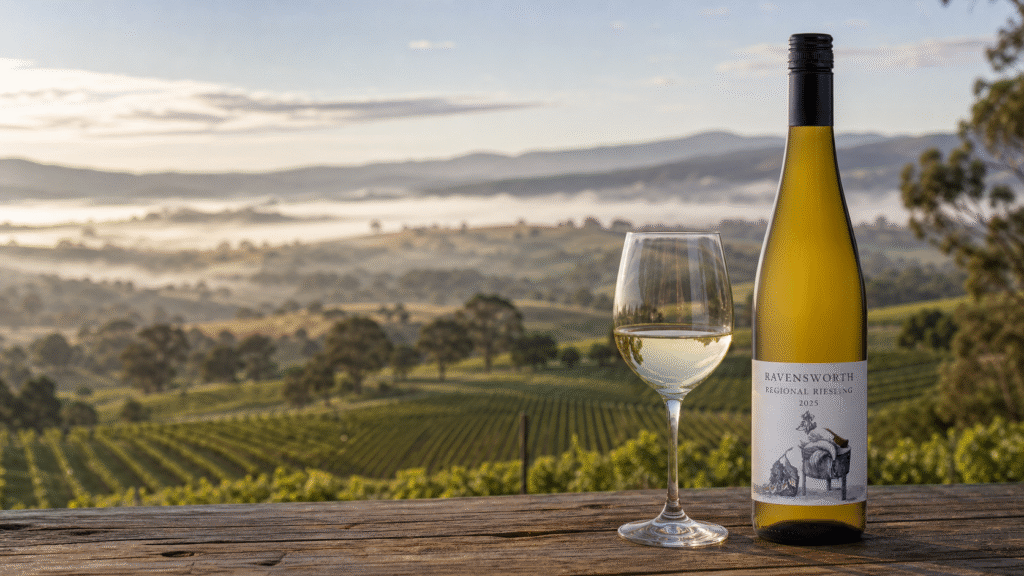
Clare Valley has become the region most Australians instinctively associate with benchmark Riesling, a place where lime‑etched whites from high, stony hillsides have shaped how the country understands this grape. Set just north of Adelaide yet markedly cooler in feel, it turns sunshine into precision, giving wines that feel both generous and utterly chiselled.
Where Clare Valley sits in the Riesling conversation
Clare Valley lies roughly 140 kilometres north of Adelaide in South Australia’s Mid North, straddling the northern end of the Mount Lofty Ranges and rising to around 400–500 metres above sea level. Despite its latitude and warm to hot summer days, the region experiences reliably cool to cold nights, which slows ripening and preserves piercing natural acidity in Riesling.
Over time that climatic tension has earned Clare Valley a reputation as Australia’s defining Riesling region, often named alongside (and sometimes ahead of) Eden Valley in overviews of the country’s best expressions. Wine Australia itself acknowledges that while Clare Valley contributes only a small slice of the national crush, it consistently secures a disproportionate share of medals, which speaks volumes about quality relative to volume.
Why this landscape suits Riesling so well
What makes Clare Valley particularly compelling is the interplay between climate and geology rather than one factor alone. Warm, dry days and low disease pressure allow grapes to reach full flavour ripeness, while the cool nights, altitude and afternoon southerly breezes lock in freshness and stretch the growing season.
Beneath the vines sits an intricate mosaic of ancient soils, from red loams over limestone in Watervale to slate‑rich, stingy profiles in Polish Hill River that limit vigour and concentrate fruit. This combination yields dry Riesling that is typically razor‑shaped and citrus‑driven in youth, with lime, lemon zest and white flowers, then gradually evolves towards toast, honey, slate and that classic kerosene nuance after 5–10 years in bottle. Here is where enthusiasts who buy Riesling wine for the cellar tend to find remarkable value relative to quality, especially compared with European benchmarks.
How sub‑districts give Riesling its different accents
Clare Valley is not monolithic; producers commonly talk in terms of informal districts such as Watervale, Polish Hill River, Sevenhill, Auburn and the township of Clare itself. There are no legally defined subregions, yet these names on labels act as a quiet code for style and structure, especially in Riesling.
Watervale, with its classic red loam over limestone, tends to give more open, immediately aromatic wines, full of lime, floral lift and a certain juiciness of texture that feels welcoming even in very young releases. Polish Hill River, by contrast, is known for higher elevation and poorer, slate‑dominated soils, which typically produce Riesling that is tighter, more mineral and more severe in youth, often needing time in bottle to fully unwind its power and subtlety. For an Australian drinker choosing to buy Riesling wine with one eye on near‑term drinkability and the other on serious cellaring, understanding that Watervale–Polish Hill River contrast is one of the most useful pieces of local knowledge they can acquire.
Featured Wines
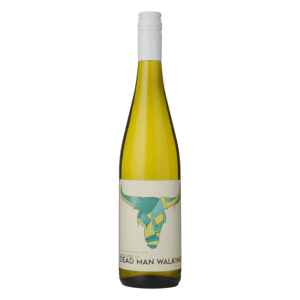
Dead Man Walking Clare Valley Riesling 2025 (12 Bottles) Clare Valley, SA
Add to Cart
$20.92
/ bottle
$251.00 for a case of 12
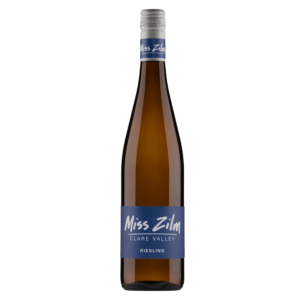
Miss Zilm Riesling 2025 (6 Bottles) Clare Valley, SA
Add to Cart
$30.00
/ bottle
$180.00 for a case of 6
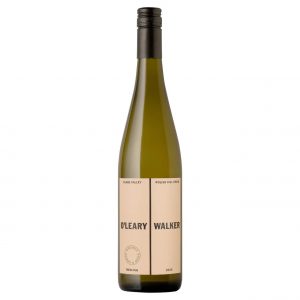
O'Leary Walker Polish Hill River Riesling 2025 (6 Bottles) Clare Valley, SA
Add to Cart
$32.83
/ bottle
$197.00 for a case of 6
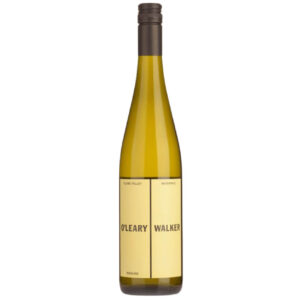
O'Leary Walker Watervale Riesling 2025 (6 Bottles) Clare Valley, SA
Add to Cart
$30.00
$22.00
/ bottle
$132.00 for a case of 6
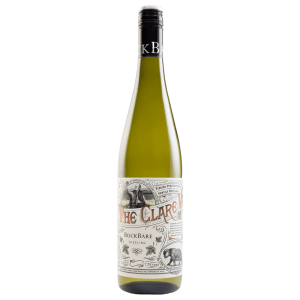
RockBare The Clare Valley Riesling 2024 (12 Bottles) Clare Valley, SA
Add to Cart
$23.08
/ bottle
$277.00 for a case of 12
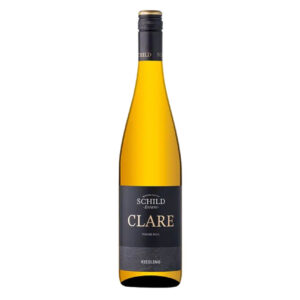
Schild Estate Clare Valley Riesling 2024 (12 Bottles) Barossa Valley, SA
Add to Cart
$22.00
/ bottle
$264.00 for a case of 12
The broader Australian context: why Clare stands out
Germany may be the spiritual cradle of Riesling, yet in the Australian context, Clare Valley and Eden Valley share the role of modern reference points. Writers surveying Australian Riesling often single out Clare Valley as the region most synonymous with age‑worthy dry styles, with commentators such as James Halliday describing it as a benchmark zone for precision and minerality in this variety.
What is striking is how these wines have stayed defiantly dry and structurally firm even through eras when residual sugar crept into many aromatic whites elsewhere. The regional culture prizes purity, line and length; alcohol levels remain modest, acidities high and oak almost entirely absent, resulting in a style that is unambiguously about fruit, site and time rather than winemaker ornament.
O’Leary Walker and the polish of Polish Hill River
Within this landscape, O’Leary Walker Wines has carved out a particularly clear voice, especially through its twin Riesling bottlings from Watervale and Polish Hill River. The O’Leary Walker Polish Hill River Riesling 2025 crystallises what makes the Polish Hill River corner of the valley so captivating to serious drinkers.
Retail and critic descriptions of the 2025 vintage emphasise a taut, mineral‑driven profile, with pale straw colour, a green glimmer in the glass and aromatics that lean towards citrus blossom, lime zest, grapefruit and green apple overlaid with wet slate, bath salts and crushed rock. Reviewers such as Ray Jordan and Jeni Port have spoken of its crackling energy, crystalline texture and “cavalcade of citrus fruits”, awarding it mid‑90s scores and flagging a drinking window stretching well into the 2030s and 2040s. Concentrated, elegant, with power to burn is how one such note summarises the wine’s intent.
What matters here is not just the critical praise but how the wine embodies Clare Valley’s structural DNA: bracing acidity, linear drive and a distinct stony edge that reads as much of place as of grape. Set alongside O’Leary Walker’s Watervale bottling, which typically shows more immediate floral lift and generosity, the Polish Hill River cuvée underlines just how finely Riesling can translate micro‑site differences in this region.
Why Clare Valley Riesling continues to reward attention
For Australian wine enthusiasts already at ease with Burgundy and grower Champagne, Clare Valley Riesling offers a different kind of complexity: less about vineyard hierarchies on paper and more about slowly learning the dialects of individual slopes and townships. The region’s combination of altitude, diurnal shift and fractured ancient geology remains unusually well suited to this grape, delivering wines that can be both bracingly dry and sensuous in texture once age has had its say.
Producers such as O’Leary Walker Wines demonstrate how modern Australian winemaking can pursue absolute clarity over embellishment, letting places like Polish Hill River and Watervale speak in their own distinct tones. For anyone building a cellar or simply seeking white wines that evolve meaningfully over a decade or more, this is a region that rewards patience, curiosity and a willingness to follow specific vineyards across multiple vintages rather than chasing only the most fashionable labels.



 Shiraz
 Cabernet Sauvignon
 Pinot Noir
 Grenache
 Merlot
 Red Wine Blends
 Chardonnay
 Riesling
 Pinot Gris
 Semillon
 Viognier
 Grenache Rosé
 Pinot Noir Rosé
 Shiraz Rosé
 Sangiovese Rosé
 Aglianico Rosé
 Clairette Rose
 Champagne
 Prosecco
 Sparkling Shiraz
 Blanc de Blanc
 Blanc de Noir
 Pet Nat
 Moscato
 Topaque
 Port
Port Sherry (dry & sweet)
 Muscat & Tokay
 Vermouth