 0473 644 098 · Mon–Fri 9am–5pm AESTHelp & FAQ


Gewürztraminer vs Riesling Explained: Flavour, Sweetness, And Australian Regions To Know

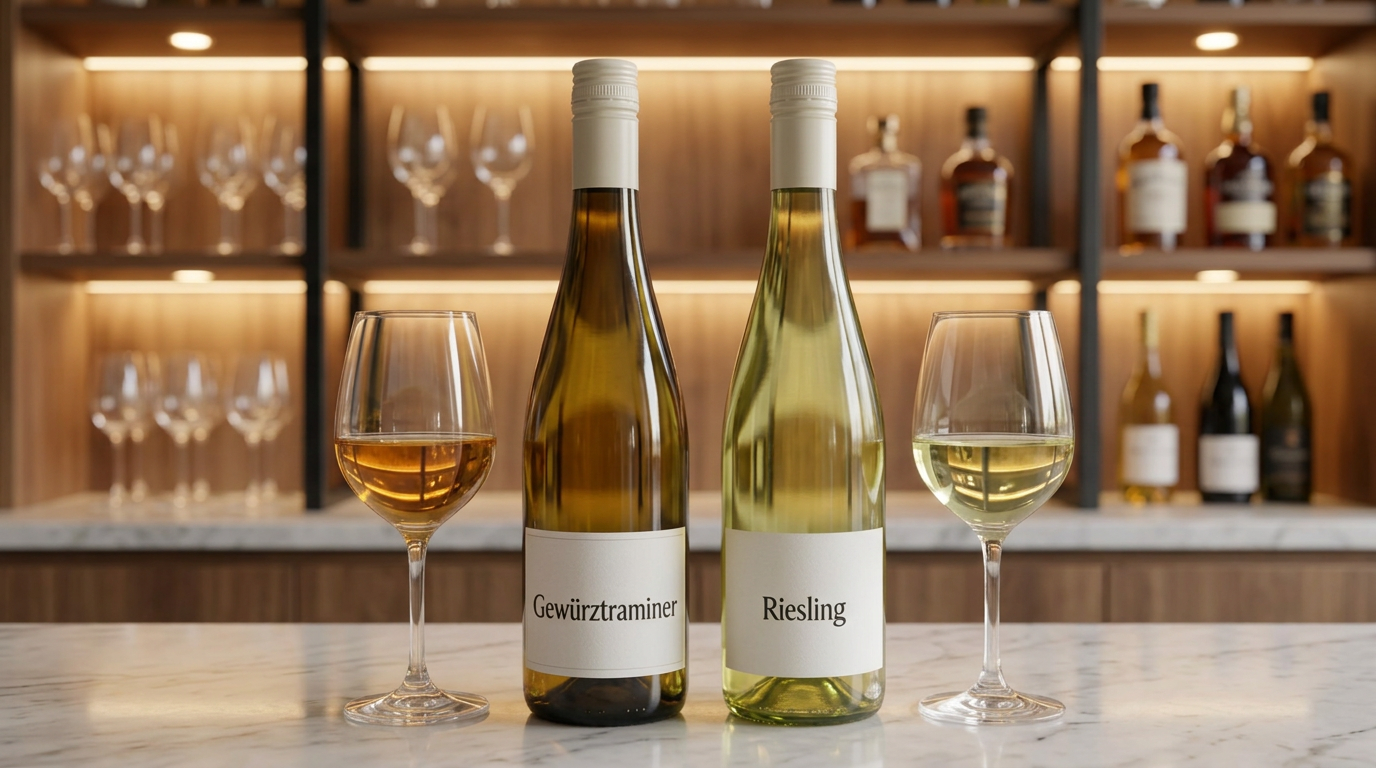
Gewürztraminer and Riesling are both intensely aromatic white wines, but they bring very different personalities to the glass and to the table. One leans exotic, spicy and plush; the other drives on precision, citrus and electric acidity.
Getting to know Gewürztraminer
Gewürztraminer is all about head‑turning perfume and lush texture, often described as one of the most distinctive smelling wines in the world. Typical aromas include lychee, rose petals, orange blossom, ginger and sweet baking spice, with flavours that move from grapefruit in less ripe styles through to lychee and pineapple in riper or late‑harvest bottlings. The acidity is usually moderate to low, and the body can feel almost oily or creamy, giving the impression of richness even when the wine is technically dry. Alcohol can sit relatively high because the grape ripens early and builds sugar quickly.
In Australia, the most successful Gewürztraminer tends to come from cooler sites such as the Adelaide Hills, Eden Valley, Clare Valley, Yarra Valley and Tasmania, where growers can keep enough acidity to balance all that perfume and weight. These regions give wines with pronounced aromatics but a cleaner, fresher line than many warmer‑climate examples. When someone sets out to buy Gewürztraminer wine from these areas, they are usually looking for a bottle that can handle food with spice, fat or pungent aromatics that would overwhelm many other whites.
What Riesling brings to the table
Riesling sits at almost the opposite textural end of the spectrum: light to medium bodied, piercingly high in acidity, and capable of expressing everything from bone‑dry to lusciously sweet styles. Young dry Riesling often shows Meyer lemon, lime zest, green apple and white peach, with a strong sense of minerality; with age, it can develop smoky, honeyed and even “petrol” notes from a compound called TDN. That high acidity is the backbone that allows top Rieslings to age for decades whilst remaining fresh.
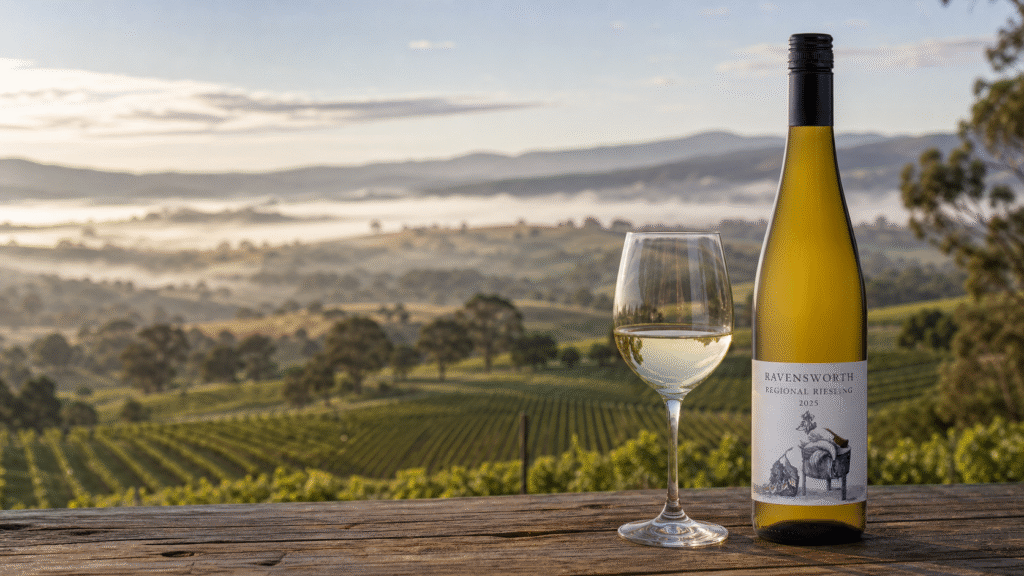
Australia has embraced dry Riesling as a calling card, especially in Clare Valley and Eden Valley in South Australia. These regions deliver wines with searingly pure citrus, floral lift and a long, chalky finish, and critics regularly single them out among the world’s leading dry Riesling styles. Further west, the Great Southern region in Western Australia adds its own stamp, often a little more floral and textural, but still driven by acidity. Many Australian drinkers who buy Riesling wine from these regions appreciate how confidently it pairs with food yet remains relatively modest in alcohol.
Gewürztraminer vs Riesling which is sweeter
Here is where things get nuanced. In theory, both Gewürztraminer and Riesling can be made in dry, off‑dry or sweet styles, and sweetness ultimately depends on winemaking decisions rather than the grape itself. In practice, Riesling has a long tradition of balanced sweetness, especially in German and some Australian styles, where residual sugar is used to offset very high acidity; many modern Australian Rieslings, however, are now fermented dry and taste crisp rather than sweet.
Gewürztraminer, by contrast, is often perceived as sweeter even when technically dry, because its lower acidity, fuller body and intensely fruity, lychee‑and‑rose aromatics all create a sense of richness on the palate. Late‑harvest Gewürztraminer in particular can be overtly sweet and tropical, closer to dessert wine territory. So, in the simplified terms many drinkers care about, Gewürztraminer usually feels sweeter and plusher, whilst Riesling (especially dry Australian versions) feels sharper, tarter and more refreshing.
Featured Wines
Barossa Boy Cheeky Tilly Riesling 2023 (6 Bottles) Eden Valley
Add to Cart
$29.00
/ bottle
$174.00 for a case of 6
Dead Man Walking Clare Valley Riesling 2025 (12 Bottles) Clare Valley, SA
Add to Cart
$20.92
/ bottle
$251.00 for a case of 12
Frogmore Creek FGR Riesling 2022 (6 Bottles) Southern Tasmania
Add to Cart
$32.50
/ bottle
$195.00 for a case of 6
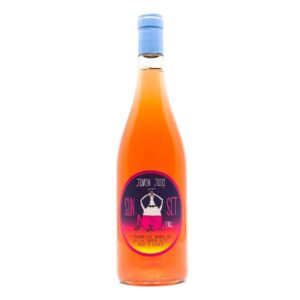
Jumping Juice Sunset 2023 (12 Bottles) Yarra Valley, VIC
Add to Cart
$24.75
/ bottle
$297.00 for a case of 12
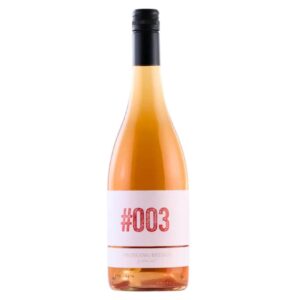
Swinging Bridge 003 Amber 2024 (12 Bottles) Orange, NSW
Add to Cart
$29.58
/ bottle
$355.00 for a case of 12
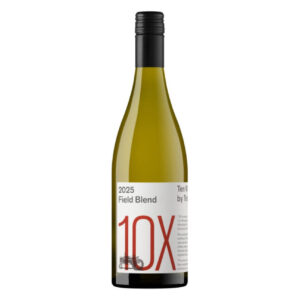
Ten Minutes By Tractor 10X Field Blend 2025 (12 Bottles) Mornington Peninsula, VIC
Add to Cart
$34.92
/ bottle
$419.00 for a case of 12
How they feel in the mouth
Riesling is typically described as light, steely and zesty, almost like a squeeze of lemon over a dish: high acidity, clear citrus and stone‑fruit flavours, and a linear, mouth‑watering finish. That acidity cleanses the palate and makes Riesling a natural match for dishes that are rich, salty or high in acid themselves. Gewürztraminer, on the other hand, has a much broader, more viscous mouthfeel, sometimes compared to tea with honey. The lower acidity means the flavours linger in a softer, more rounded way, which can be wonderful with the right food but a bit cloying if paired clumsily.
The alcohol levels also tend to diverge. Many classic Rieslings sit at modest alcohol percentages because sugar is left unfermented to balance the acidity, while Gewürztraminer frequently pushes higher due to its early‑ripening, sugar‑accumulating nature. That extra warmth in Gewürztraminer can amplify its spice and floral character, adding to the wine’s sense of power.
Food pairings: where each shines
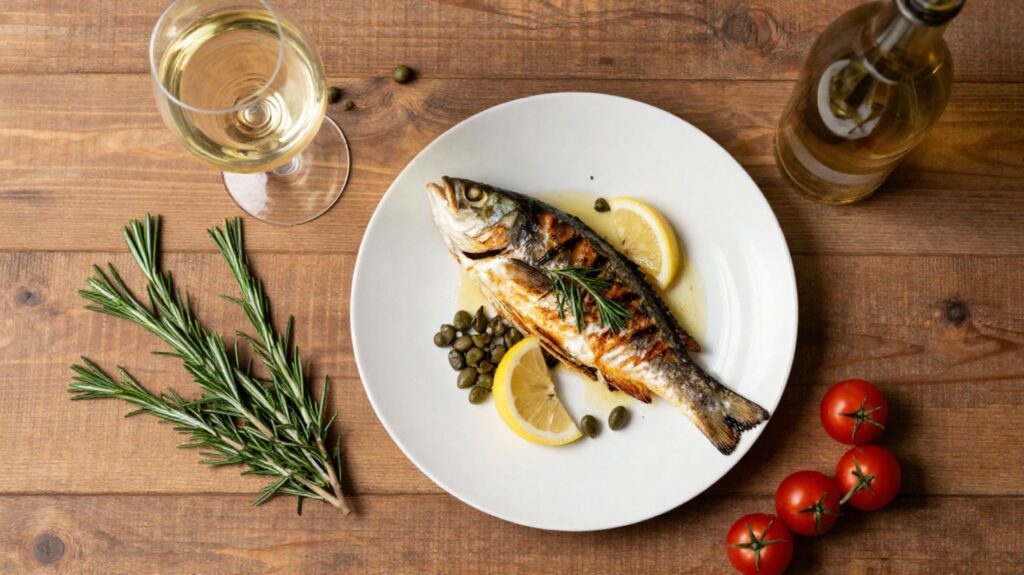
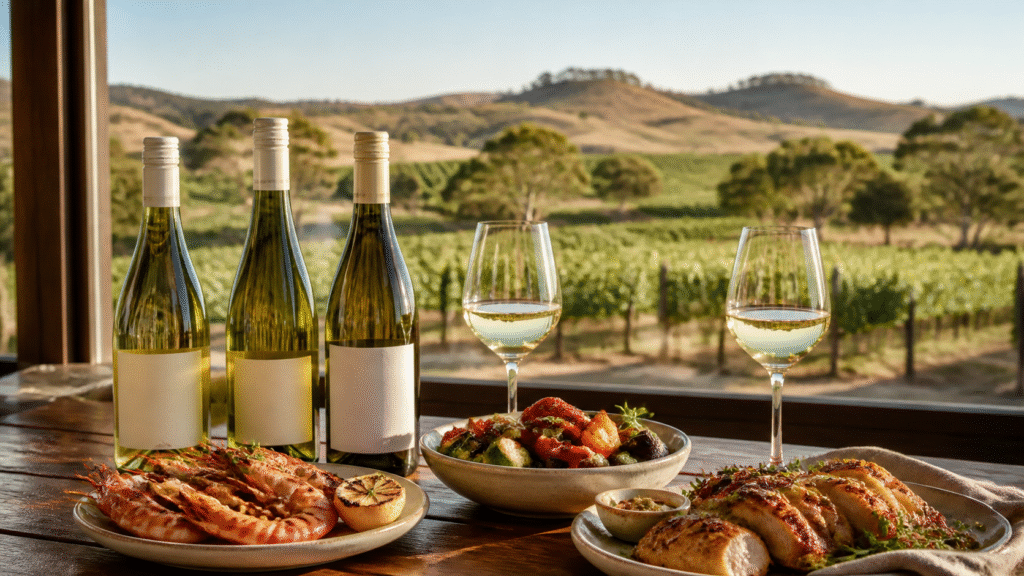
Both varieties are famously food‑friendly, but they excel with quite different cuisines. Riesling’s razor‑sharp acidity and citrus drive make it superb with seafood, especially shellfish, lightly battered or fried fish and dishes with a squeeze of lemon or a vinaigrette dressing. It also handles acidic ingredients like tomatoes and goat’s cheese that can make softer wines taste flabby, and works beautifully with pork, schnitzel and even lighter curries when there is a hint of sweetness in the wine.
Gewürztraminer thrives where flavours are bold, fatty or spicy. Its combination of sweetness, spice and perfume is a classic partner for chilli‑driven Asian dishes, Szechuan flavours, ginger‑rich stir‑fries and aromatic curries, because the residual sugar and low acidity soften the heat while the aromatics stand up to strong seasonings. It also pairs comfortably with pungent cheeses, charcuterie, roast pork, smoked meats and even rich fish like salmon or trout, where Riesling might come across as too sharp. For anyone planning a feast built around spice and richness, it makes sense to buy Gewürztraminer wine with that brief in mind rather than reaching automatically for a more neutral white.
Australian regions to explore
For Gewürztraminer in Australia, cooler regions are key to keeping the style balanced. Producers in the Adelaide Hills and Eden Valley use altitude and cool nights to protect aromatics and acidity, often producing wines that smell intensely of lychee and rose but still finish relatively dry. Tasmania and the Yarra Valley add their own takes, frequently a little more delicate and floral, whilst Clare Valley versions can show extra spice and richness thanks to warmer days offset by cool evenings.
Riesling has a more established track record across the country. Clare Valley and Eden Valley remain touchstones, with lime‑driven, age‑worthy wines that critics like James Halliday and others have long singled out as benchmarks of Australian dry Riesling. Beyond South Australia, the Great Southern region of Western Australia (particularly subregions such as Mount Barker and Frankland River) produces Rieslings that weave citrus, florals and subtle honey notes over a firm acid spine. With such regional diversity, Australian drinkers looking to buy Riesling wine can move from racy, ultra‑dry styles to slightly rounder, more textured examples without leaving their own shores.
In the end, choosing between Gewürztraminer and Riesling comes down to mood and menu. For brightness, cut and longevity, Riesling leads the way; for exotic perfume, spice and a more opulent mouthfeel, Gewürztraminer makes its case with every glass.








 Shiraz
 Cabernet Sauvignon
 Pinot Noir
 Grenache
 Merlot
 Red Wine Blends
 Chardonnay
 Riesling
 Pinot Gris
 Semillon
 Viognier
 Grenache Rosé
 Pinot Noir Rosé
 Shiraz Rosé
 Sangiovese Rosé
 Aglianico Rosé
 Clairette Rose
 Champagne
 Prosecco
 Sparkling Shiraz
 Blanc de Blanc
 Blanc de Noir
 Pet Nat
 Moscato
 Topaque
 Port
Port Sherry (dry & sweet)
 Muscat & Tokay
 Vermouth