 0473 644 098 · Mon–Fri 9am–5pm AESTHelp & FAQ


Vines Above the Clouds: Anderson Hill Wines and the New Adelaide Hills Classic

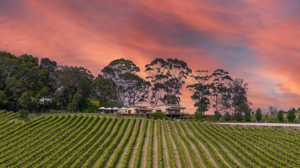
High in the Lenswood subregion of the Adelaide Hills, Anderson Hill Wines stands as one of South Australia’s most characterful high‑country estates. A single family runs the property and leans on elevation, resilience and hard vineyard work rather than architecture or hype.
Where this hilltop vineyard really lives
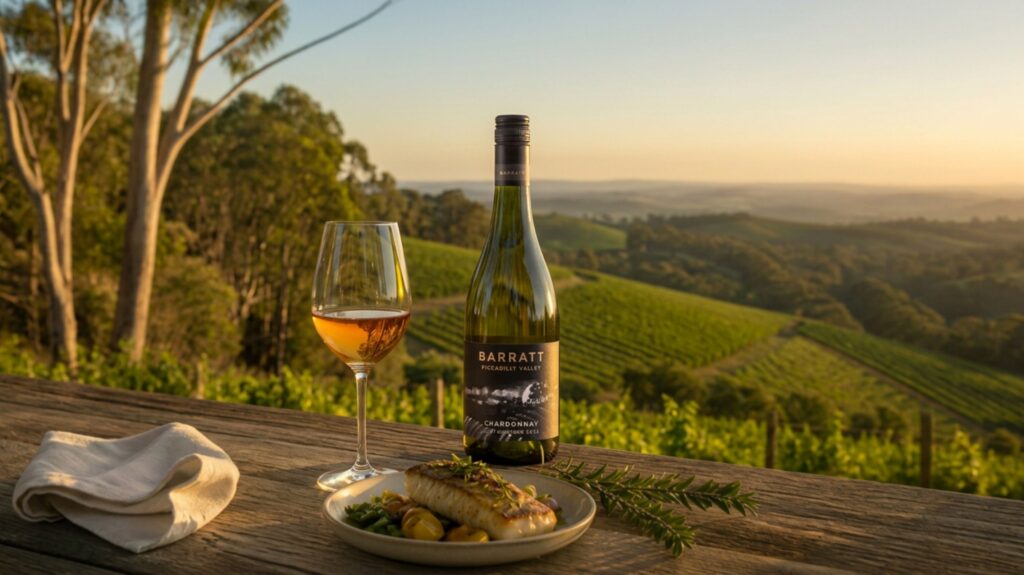
Anderson Hill Wines sits in Lenswood, about 35 minutes from Adelaide, on a north‑facing slope with open views across the Hills. Vines grow at roughly 590 to 600 metres above sea level, which places the site among the highest and coolest in South Australia.
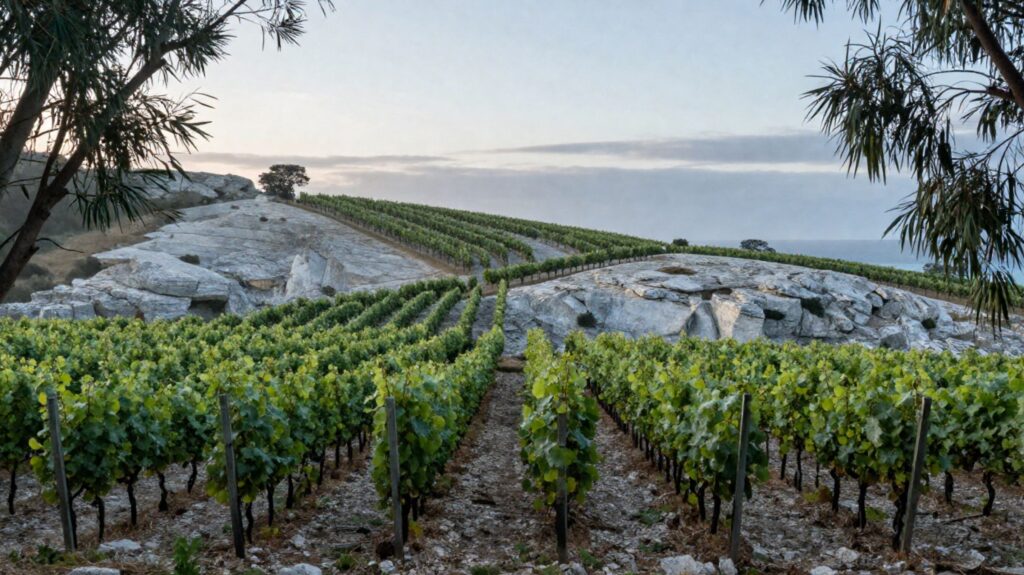
Lenswood built its name on apples rather than Pinot Noir, Chardonnay or Sauvignon Blanc. The surrounding hills still show rows of orchards and netted trees, which makes the vineyard rows look even more deliberate. Within that landscape, Anderson Hill Wines farms just over thirty acres of vines and chases acidity, perfume and tension instead of weight.
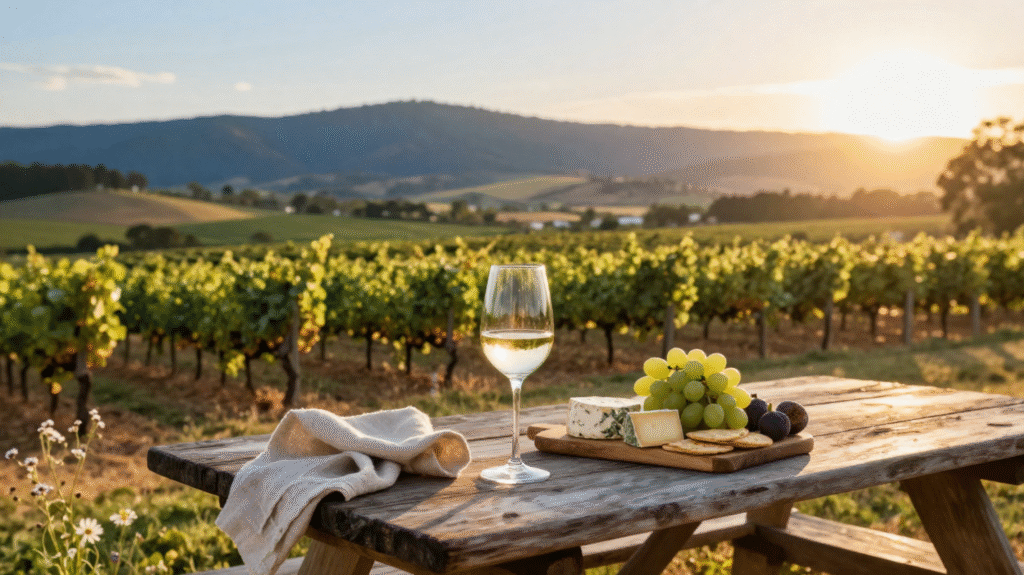
The cellar door and restaurant sit right beside the blocks. Decks and lawns open out over the view, so visitors feel the altitude in the breeze as well as the glass. Travel writers routinely list Anderson Hill Wines among the “must‑visit” names in the region because the site combines serious wine with a relaxed, rural calm.
How a Scottish farming family ended up in Lenswood
The Anderson story starts with farming, not wine marketing. In the early twentieth century Peter Anderson left Scotland for South Australia and set up a farm, creating the family’s first link to the land. That move built a culture of physical work, thrift and respect for soil that still shapes the way the family manages vines. When later generations looked to wine, they carried that ethic into the Adelaide Hills instead of chasing easier ground elsewhere.
In 1994 Brian Anderson and his son Ben bought about 32 acres at Lenswood. They chose a steep, elevated block and began the slow job of turning it into a vineyard rather than an orchard or grazing paddock. Ben Anderson planted the vineyard by hand in 1994 and committed to a marginal site when many growers still preferred safer, lower country.
From day one the family chased high‑quality cool‑climate fruit. They kept yields sensible and relied on hand pruning and hand picking across the property. In the winery they favoured minimal intervention and traditional techniques, letting altitude, soil and season drive style instead of heavy oak or aggressive manipulation.
After Brian Anderson died, Ben and his wife Clare took full control of the estate. They shifted the focus from growers to a more complete business that now includes wine production, a busy cellar‑door restaurant and a small tourism offering. The place still looks and feels like a working farm that happens to speak through cool‑climate wine rather than a brand created in an office.
What serious drinkers recognise in the glass
Elevation drives everything here. At around 600 metres, fruit ripens slowly, acids stay high and flavours move along bright, detailed lines. The range reflects that reality, with core releases of Chardonnay, Sauvignon Blanc, sparkling white, Pinot Noir, Rosé and Shiraz, all pitched as cool‑climate wines.
Many Australian drinkers first meet Anderson Hill Wines through the O‑Series Adelaide Hills Shiraz. Retail notes talk about blackberries, prunes and white pepper, wrapped in savoury spice and French oak, with fine, coating tannins and notable length. The 2018 Anderson Hill O‑Series Shiraz went much further and took “Best in Show” at the Decanter World Wine Awards in London, placing it among the top wines in that competition.
Pinot Noir from Lenswood typically shows sour cherry, strawberry, a touch of cherry cola and deeper spice, sitting on the line between pure fruit and savoury detail. Chardonnay and Sauvignon Blanc lean towards citrus, minerality and tension rather than broad, creamy flavours, which suits both the site and current Australian tastes for fresher white styles.
Hospitality plays just as strong a role as wine. The cellar‑door restaurant operates as a genuine dining venue, not a tasting bench with token platters. Executive chef Bradley Perrott builds a share‑style menu around produce from nearby Lenswood growers, so the food reflects the same local farming network that supports the vines.
Featured Wines
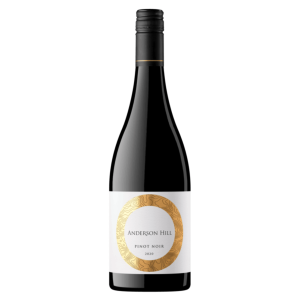
Anderson Hill O Series Pinot Noir 2022 (6 Bottles) Adelaide Hills, SA
Add to Cart
$44.00
/ bottle
$264.00 for a case of 6
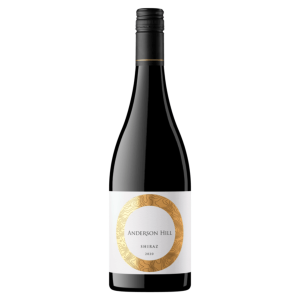
Anderson Hill O Series Shiraz 2021 (6 Bottles) Adelaide Hills, SA
Add to Cart
$39.00
/ bottle
$234.00 for a case of 6
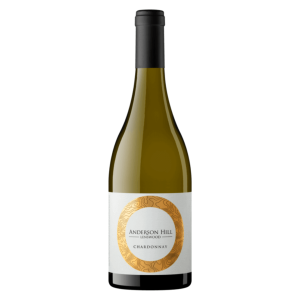
Anderson Hill O-Series Chardonnay 2023 (6 Bottles) Adelaide Hills, SA
Add to Cart
$44.00
/ bottle
$264.00 for a case of 6
Fire hits the ridge and the family holds on
The Cudlee Creek bushfire season changed life across the Adelaide Hills, and Anderson Hill Wines felt the impact directly. Flames destroyed parts of the vineyard and damaged infrastructure, forcing the estate to close over Christmas while the team assessed losses. Ben Anderson, a staff member named James and local volunteers stayed on the property with emergency services and saved the cellar door, the house and the core sheds.
In the seasons since, Anderson Hill Wines has become one of the clearest examples of Hills resilience. Regional coverage often lists the estate among those that lost vines yet chose to replant, rebuild and invite visitors back as soon as conditions allowed. The cellar door again pours tastings and serves long lunches, but returning regulars now read the blackened gullies and replacement vines as part of the story.
The wider trade has also recognised the quality behind that recovery. Anderson Hill Wines holds a James Halliday five‑star rating in the Australian Wine Companion, which signals a consistent track record across many vintages rather than one standout bottle. Ben and Clare Anderson also emphasise sustainability as daily practice rather than slogan, linking careful vineyard management with a light‑touch lifestyle on the land and minimal‑intervention winemaking.
A new wrinkle adds further intrigue. The combined vineyard, restaurant, cellar door and accommodation sit on the market as a high‑altitude lifestyle and wine asset in a tightly held corner of the Adelaide Hills. That listing underlines how the market now values mature, elevated vineyards with established reputations and visitor infrastructure.
Why this matters to Australian enthusiasts right now
For Australian drinkers, especially those within striking distance of Adelaide, Anderson Hill Wines fills a very specific slot. The drive counts as a day trip, yet the site and the wines reward slow, serious attention rather than a quick tasting dash.
Three threads tie the story together. A Scottish farming heritage grounds the Anderson family in land and labour. The 1994 decision to plant a high, marginal Lenswood slope set a clear cool‑climate course long before that style became fashionable. The choice, after fire tore through the region, to replant and reopen to neighbours, tourists and enthusiasts turned Anderson Hill Wines into a quiet emblem of modern Adelaide Hills resilience.
This is not party wine. It asks for time, a sense of place and a willingness to taste what high‑country Adelaide Hills fruit can do when a family backs its site year after year.




 Shiraz
 Cabernet Sauvignon
 Pinot Noir
 Grenache
 Merlot
 Red Wine Blends
 Chardonnay
 Riesling
 Pinot Gris
 Semillon
 Viognier
 Grenache Rosé
 Pinot Noir Rosé
 Shiraz Rosé
 Sangiovese Rosé
 Aglianico Rosé
 Clairette Rose
 Champagne
 Prosecco
 Sparkling Shiraz
 Blanc de Blanc
 Blanc de Noir
 Pet Nat
 Moscato
 Topaque
 Port
Port Sherry (dry & sweet)
 Muscat & Tokay
 Vermouth