 0473 644 098 · Mon–Fri 9am–5pm AESTHelp & FAQ


The Hidden Architecture of Wine: Inside the World of Blending

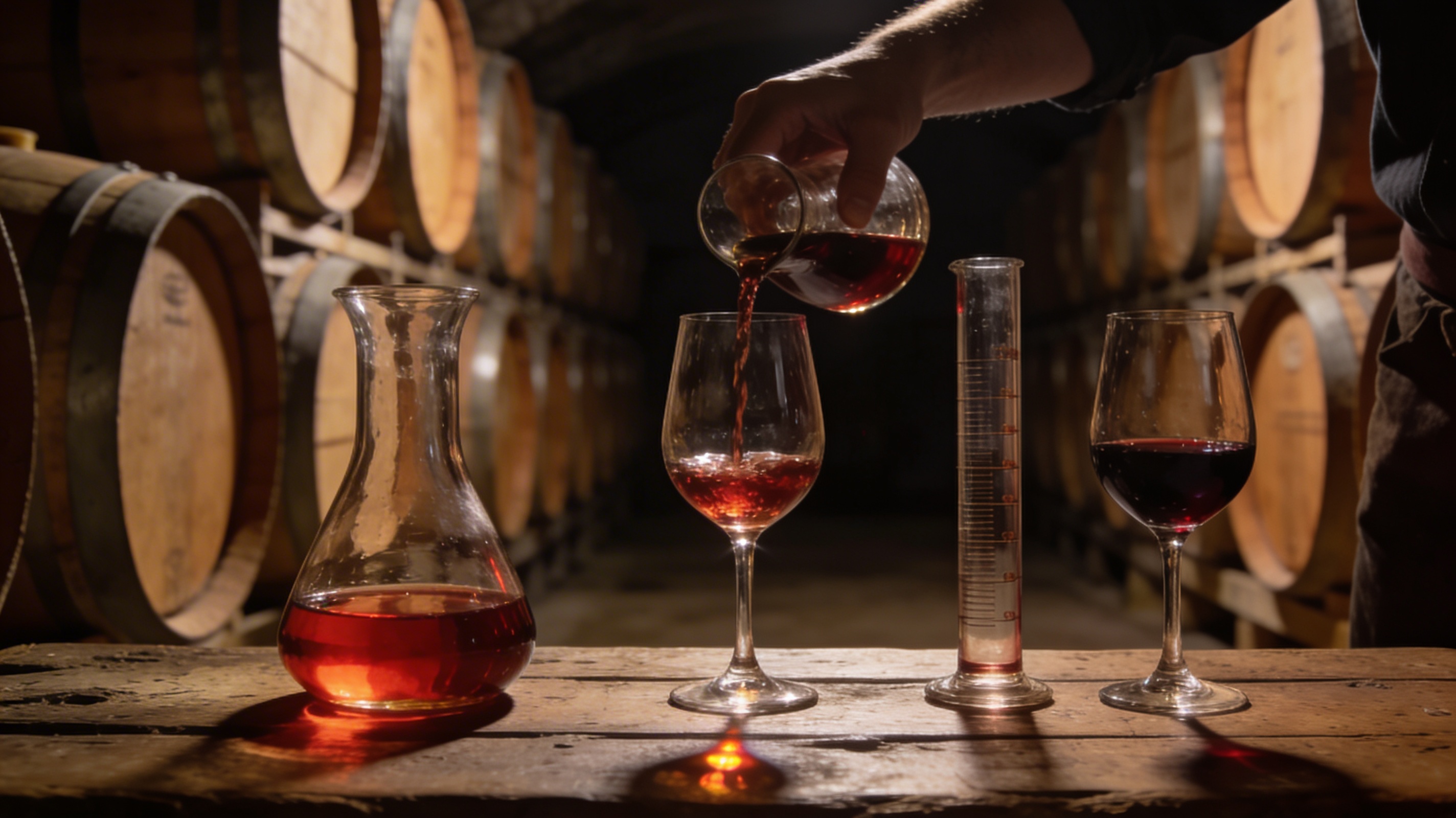
Blending in wine is one of those practices that everyone has heard of, yet surprisingly few drinkers really understand. It sits quietly behind almost every great wine region, shaping style, consistency and character in ways that rarely make the front label.
When winemakers decide to blend at all
Here is something genuinely fascinating about blending: historically it began less as an artistic choice and more as a survival mechanism. In regions like Bordeaux, mixed plantings of different grapes acted as an insurance policy against difficult seasons, since some varieties ripened earlier and others later, smoothing out the risk of frost, rain or poor flowering. In a cool, maritime climate where one storm at the wrong moment could ruin a harvest, blending allowed growers to achieve dependable yields and drinkable wine even in challenging years.
Over centuries, that necessity evolved into intention. Modern producers blend primarily to create balance, to enhance complexity and to maintain a recognisable house style from year to year. Instead of accepting whatever the season delivers as a fixed outcome, the winemaker becomes a kind of composer, adjusting the proportions of each component to tune structure, fruit, acid and tannin into a coherent whole.
What blending is really trying to achieve
At its core, blending is about complementarity. Each grape variety carries structural strengths and weaknesses (acidity, tannin, body, aromatics), and each vineyard parcel adds another layer of difference through terroir. A wine made from a single lot, even a high‑quality one, can easily lean too far in one direction: too lean, too burly, too aromatic without depth, or powerful but aromatically mute.
Thoughtful blending allows a winery to:
-
Balance structure, for example using a grape with softer tannins and generous fruit to cushion one with firm tannins and higher acidity.
-
Build layers of flavour and aroma that a single variety rarely achieves alone, by combining different fruit tones, spice characters and savoury notes.
-
Refine texture, using parcels with fine, silky tannins to soften more rustic lots, and bringing together components that lengthen the finish on the palate.
The result, when it works, is not a muddied compromise but a wine that feels surprisingly seamless. The best blends taste as though they were born that way, even though they are the outcome of a long series of precise decisions in the blending room.
Where blending became part of the culture
Although blending has existed in many forms for millennia, several regions turned it into a defining identity. Bordeaux is perhaps the most famous example, where Cabernet Sauvignon, Merlot and Cabernet Franc form the core of red blends, supported in smaller quantities by Malbec and Petit Verdot. On the so‑called Left Bank, Cabernet Sauvignon typically accounts for more than 60 percent of the blend, lending tannic backbone and structure, with Merlot and Cabernet Franc softening the edges and adding fragrance. On the Right Bank, the proportions often invert, with Merlot taking the lead (frequently over 60 percent), giving a more plush, rounded expression supported by Cabernet Franc’s perfume and grip.
The Rhône Valley took a different path. In the south, blends based on Grenache, Syrah and Mourvèdre evolved to suit a warm Mediterranean climate, where heat‑loving varieties thrive and bring different shades of fruit and spice. Grenache supplies red fruit and generosity, Syrah contributes darker fruit and peppery spice, while Mourvèdre provides body, tannin and earthy complexity. In appellations such as Châteauneuf‑du‑Pape, up to thirteen red varieties are permitted, making blending not just a technique but a central part of the regional identity.
Sparkling wine took the blending idea in yet another direction. In Champagne, producers routinely blend not only grape varieties (usually Pinot Noir, Chardonnay and Meunier) but also vintages and vineyards to craft a consistent house style despite a challenging, cool climate. Here, blending becomes a tool for stability across years rather than purely a single‑vintage expression, which is why non‑vintage Champagne can taste remarkably similar release after release.
Featured Wines
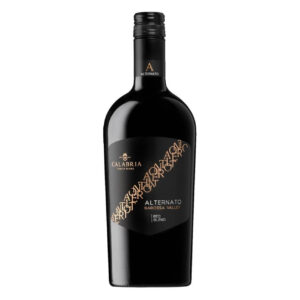
Calabria Alternato Red Blend (6 Bottles) Barossa Valley, SA
Add to Cart
$42.33
/ bottle
$254.00 for a case of 6
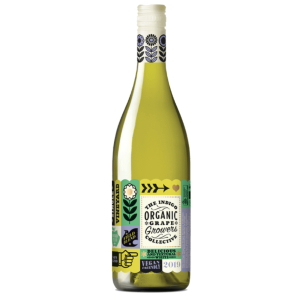
Indigo Organic White Field Blend 2020 (12 Bottles) Glenrowan, VIC
Add to Cart
$18.50
/ bottle
$222.00 for a case of 12
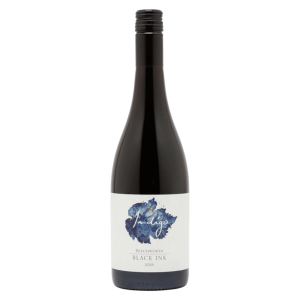
Indigo Vineyard Black Ink Rich Blend 2023 (6 Bottles) Beechworth, VIC
Add to Cart
$35.00
/ bottle
$210.00 for a case of 6
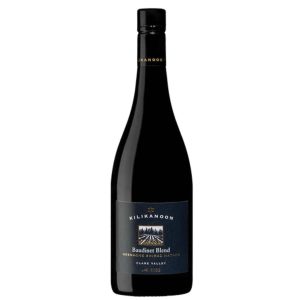
Kilikanoon Baudinet Blend GSM 2024 (6 Bottles) Clare Valley, SA
Add to Cart
$59.50
/ bottle
$357.00 for a case of 6
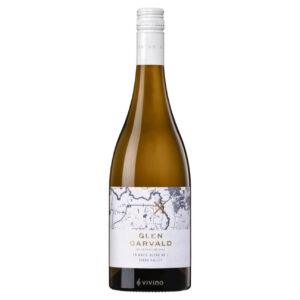
Levantine Hill Glen Garvald PB White Blend No.1 2024 (6 Bottles) Yarra Valley, VIC
Add to Cart
$35.17
/ bottle
$211.00 for a case of 6
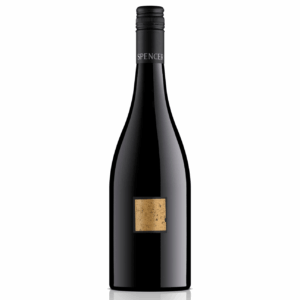
Nick Spencer Medium Dry Red Blend 2023 (12 Bottles) Gundagai, Australia
Add to Cart
$28.50
/ bottle
$342.00 for a case of 12
How much of what: typical percentages in classic blends
Blending is not bound by fixed recipes, but classic regions do show recurring patterns that readers often find helpful as reference points. In Bordeaux, top Left Bank estates frequently build blends around a Cabernet Sauvignon majority, commonly above 60 percent, with Merlot, Cabernet Franc, Malbec and Petit Verdot filling in the remaining portion, sometimes with Petit Verdot at only 1 or 2 percent to sharpen colour and structure. On the Right Bank, by contrast, Merlot often exceeds 60 percent, with Cabernet Franc as the main partner and only traces of other varieties.
For Rhône‑style GSM blends, many Southern Rhône and Australian examples use Grenache as the foundation, often in the range of 40 to 70 percent, with Syrah and Mourvèdre splitting the remainder depending on whether the producer prefers more fruit and spice or more structure and savouriness. Mourvèdre may appear in smaller percentages, sometimes under 20 percent, yet its firm tannins and dark, earthy tones can significantly influence the final profile.
Producers of Bordeaux‑style blends in the New World often mirror these frameworks whilst adapting to local conditions. One example is a Merlot‑led blend using around 55 percent Merlot, 30 percent Cabernet Sauvignon and 15 percent Petit Verdot, where Merlot supplies plush fruit, Cabernet defines structure and Petit Verdot adds colour and tannic punch. These numbers are guidelines rather than rules; many wineries adjust by a few percentage points each year to fine‑tune balance as vintages change.
What all this blending actually produces in the glass
The tangible outcome of blending is most obvious in three dimensions: complexity, balance and consistency. Complexity appears in the way aromas and flavours layer over one another, such as red berries from one grape sitting alongside blackcurrant, spice and earthy notes from others, creating a sense of depth that unfolds with air. Balance shows itself in the way acidity, tannin, alcohol and fruit intensity feel proportionate; nothing sticks out as harsh or thin, which makes the wine easier to drink and more versatile at the table.
Consistency is more subtle but crucial for wineries building long‑term reputations. Because climate, rainfall and vineyard conditions shift every year, blending gives producers the flexibility to adjust component percentages and still arrive at a recognisable style that loyal drinkers expect. Without blending, vintage variation becomes much more dramatic; with it, the producer can soften extremes and present a more coherent narrative of place and house philosophy over time.
How it all began, and whether anyone “invented” blending
The instinct to blend wine likely began long before any written records, as growers with mixed plantings harvested whatever was ripe and fermented grapes together in what are now called field blends. In many medieval trading hubs, merchants mixed wines from different regions not just to adjust taste, but also to ensure consistent quality and to increase margins, especially when transport and storage conditions were highly unreliable.
No single person can honestly be credited with “inventing” blending, because the practice emerged independently in multiple regions as a practical response to climate and commerce. Over time, places like Bordeaux and Champagne codified their blending traditions into formal regional identities, with certain grape combinations and proportions becoming classic benchmarks. What began as a pragmatic way to survive unpredictable seasons has therefore become one of the central creative tools of modern winemaking.
Why blending remains central to the wine community today
The enduring popularity of blending within the wine community stems from both philosophy and practicality. Philosophically, blending allows winemakers to express a more complete picture of their vineyards, bringing together multiple parcels and varieties into a kind of composite portrait of terroir. Practically, it provides resilience against climate change, vintage variation and market pressures, enabling producers to sustain quality and identity even as conditions shift.
For drinkers, the appeal lies in the interplay of familiarity and surprise. Classic blends like Bordeaux and GSM carry clear stylistic expectations, yet each producer’s decisions on percentages, parcels and ageing vessels mean there is always something new to discover within the category. This is not party wine. This is wine that quietly reveals just how much human judgment and regional history can fit into a single, seemingly simple word on the label: “blend.”
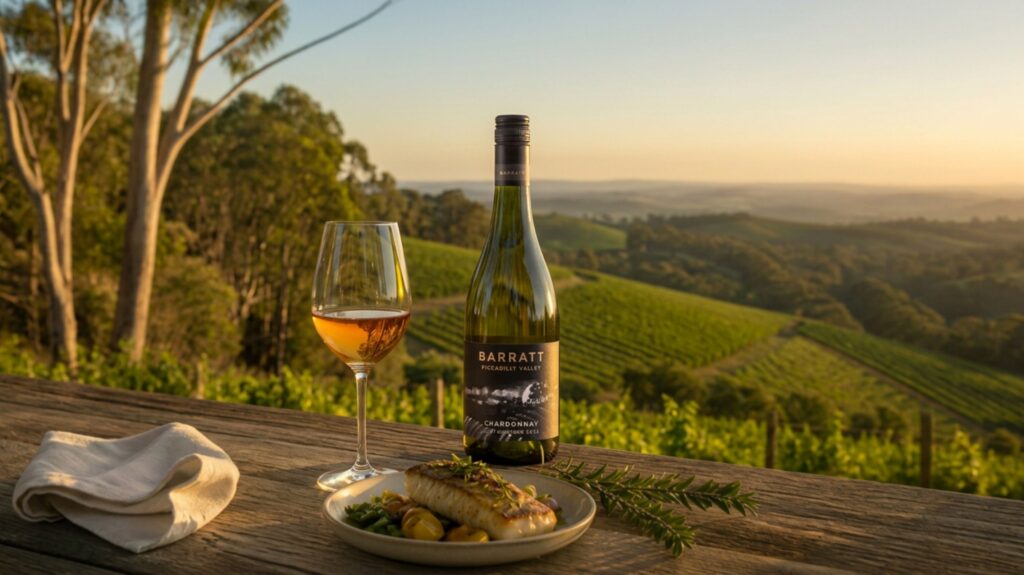

 Shiraz
 Cabernet Sauvignon
 Pinot Noir
 Grenache
 Merlot
 Red Wine Blends
 Chardonnay
 Riesling
 Pinot Gris
 Semillon
 Viognier
 Grenache Rosé
 Pinot Noir Rosé
 Shiraz Rosé
 Sangiovese Rosé
 Aglianico Rosé
 Clairette Rose
 Champagne
 Prosecco
 Sparkling Shiraz
 Blanc de Blanc
 Blanc de Noir
 Pet Nat
 Moscato
 Topaque
 Port
Port Sherry (dry & sweet)
 Muscat & Tokay
 Vermouth